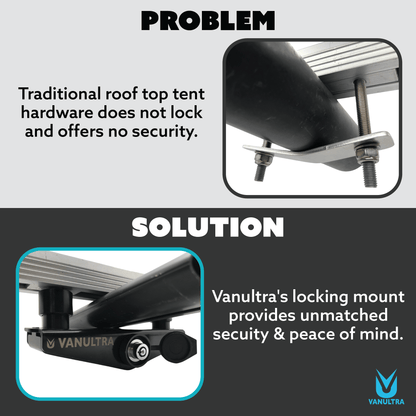
When you’re camping, keeping your tent secure is more important than you might think. You want to protect your gear, keep out unwanted guests, and have peace of mind while you sleep.
But how do you lock a tent when it’s made of fabric and zippers? You might feel unsure about the best way to do it. You’ll discover simple, effective methods to lock your tent easily. By the end, you’ll know exactly how to keep your space safe so you can relax and enjoy your adventure without worry.
Keep reading to learn the secrets to locking your tent like a pro.
Credit: www.battlbox.com
Choosing The Right Tent Lock
Keeping your tent secure is important while camping. A good tent lock protects your belongings and gives peace of mind. Choosing the right lock depends on your needs and tent type.
Consider the lock’s style, material, and how easy it is to carry. This guide helps you pick the best tent lock for your outdoor trips.
Types Of Tent Locks
There are several types of tent locks you can use. Each type works differently and suits different tents and situations.
- Combination Locks: Use numbers to open. No key needed.
- Padlocks: Traditional locks that need a key. Strong and reliable.
- Cable Locks: Flexible cables that wrap around tent poles or zippers.
- Key Locks: Small locks opened with a key, often lightweight.
- Smart Locks: Electronic locks controlled by apps or codes.
Materials And Durability
Tent locks come in different materials. Some last longer and resist weather better than others. Choosing the right material helps your lock stay strong outdoors.
| Material | Durability | Weather Resistance | Weight |
|---|---|---|---|
| Steel | High | Good | Heavy |
| Aluminum | Medium | Fair | Light |
| Plastic | Low | Poor | Very Light |
| Brass | Medium | Good | Medium |
Portability Considerations
When camping, carrying light gear is best. Choose a tent lock that fits your pack and does not add much weight. Small locks are easier to carry but may be less secure.
- Check the lock’s size to fit your bag.
- Pick a lock that is easy to use with gloves or cold hands.
- Consider locks that can attach to your tent or backpack.
- Think about how often you will use the lock.
Essential Locking Techniques
Keeping your tent secure is important for safety. Locking your tent stops unwanted entry.
There are simple ways to lock your tent. Use these techniques to protect your gear.
Securing Tent Zippers
Tent zippers are the main entry points. You can lock them together to keep your tent closed.
Use small locks or clips to hold the zipper pulls in place. This makes it harder to open the tent.
- Bring the zipper pulls together
- Attach a lock or clip through the pulls
- Check the lock fits tightly
- Close the tent flaps over the zipper
Using Cable Locks
Cable locks are strong and flexible. They work well to secure tents in different ways.
Run the cable lock through tent loops or around tent poles. This adds extra security.
- Thread cable through tent zipper pulls
- Loop cable around tent poles or stakes
- Lock the cable ends together
- Keep the cable tight and close to the tent
Employing Padlocks Effectively
Padlocks give strong protection. Choose padlocks that fit your tent’s zipper pulls or loops.
Use weather-resistant padlocks for outdoor use. This prevents rust and keeps locks working well.
- Pick a padlock size that fits your tent
- Lock zipper pulls or tent loops securely
- Check the padlock closes fully and locks
- Keep a spare key or combination safe
Additional Security Measures
Camping is a wonderful way to connect with nature. Keeping your tent secure is important for peace of mind. Here are some additional security measures you can take.
These tips will help you protect your belongings and ensure a safe camping experience. Let’s explore some practical methods.
Setting Up Perimeter Alarms
Perimeter alarms alert you if someone enters your camp area. They are easy to set up and give an extra layer of security.
Place them around your tent for the best coverage. They can help scare off unwanted visitors.
- Choose alarms with loud sounds
- Position them at entry points
- Test alarms to ensure they work
Using Motion-activated Lights
Motion-activated lights turn on when they detect movement. This can deter intruders and make your campsite feel safer.
They are simple to install and operate on batteries. Place them near your tent for the best effect.
- Pick lights with a wide range
- Install them facing the path
- Check batteries regularly
Keeping Valuables Safe
Keep your valuables hidden to prevent theft. Use simple strategies to ensure they are secure while you enjoy your trip.
Small safes or lockboxes can be useful. Store them in less obvious places inside the tent.
- Use a lockbox for important items
- Hide valuables in sleeping bags
- Keep cash and IDs on you
Locking Tips For Different Campsites
Keeping your tent secure is important for safety and peace of mind. Different campsites need different locking methods.
Use the right locking tips based on where you camp. This helps protect your gear and keeps unwanted visitors away.
Remote Wilderness Areas
In remote wilderness, fewer people are around, but risks still exist. Wildlife and curious visitors can be a threat to your tent.
Use strong locks on your tent zippers. Keep valuables out of sight and secured inside a locked bag. Use natural barriers like rocks or branches to block easy access.
- Use zipper locks made for tents
- Store valuables in locked bags inside tent
- Create barriers using natural items nearby
- Check your tent regularly for damage
Busy Campgrounds
Busy campgrounds have many campers and visitors. This increases the chance of theft or accidental entry into your tent.
Use combination locks on your tent doors. Lock your tent when you leave it unattended. Keep your tent area tidy and free of tempting items.
- Use combination or keyed zipper locks
- Lock tent every time you leave it
- Keep valuables hidden or with you
- Stay near your tent if possible
Urban Camping Spots
Urban camping spots often have more people and noise. Security risks increase due to theft or vandalism.
Use heavy-duty locks on all tent openings. Consider using a portable alarm or motion sensor. Keep your tent well-lit and visible to others.
- Use heavy-duty locks on zippers
- Consider portable alarms or sensors
- Keep tents well-lit at night
- Place tent in visible, busy areas
Maintenance And Troubleshooting
Keeping your tent’s lock in good condition helps avoid problems during camping. Regular care and quick fixes save time and stress.
This guide covers how to prevent lock malfunctions, manage lost keys, and repair tent zipper issues.
Preventing Lock Malfunctions
Locks can fail if dirt or rust builds up. Clean the lock regularly and apply lubricant to keep it working smoothly.
- Wipe the lock with a dry cloth to remove dirt and dust.
- Use graphite powder or silicone spray to lubricate the lock mechanism.
- Keep the lock covered when not in use to avoid rain or mud.
- Check for signs of rust and clean immediately with a rust remover.
- Test the lock before each trip to ensure it opens and closes easily.
Handling Lost Keys
Losing keys can be frustrating. It helps to have a plan to unlock or replace your tent lock safely.
| Action | Description |
| Use Spare Key | Always keep a spare key in a safe place outside the tent. |
| Contact Manufacturer | Request a replacement key by providing your lock’s serial number. |
| Lock Picking Tools | Use simple lock-picking tools if legal and you have experience. |
| Call a Locksmith | Seek professional help to open the lock without damage. |
| Replace Lock | If all else fails, remove and install a new lock. |
Repairing Tent Zipper Issues
Zippers can stick, split, or get stuck. Fixing them quickly keeps your tent secure and easy to use.
- Use a pencil or bar of soap to lubricate the zipper teeth.
- Gently pull stuck zipper back and forth to loosen it.
- Check for fabric caught in the zipper and remove carefully.
- Replace broken zipper sliders with compatible parts.
- Use needle and thread to repair torn zipper tape.

Credit: www.walmart.com

Credit: www.youtube.com
Frequently Asked Questions
How Can I Secure My Tent Effectively?
To secure your tent, use strong tent locks or cable locks. Attach them to tent zippers and anchor points. This prevents unauthorized access and protects your belongings inside the tent.
What Tools Are Needed To Lock A Tent Properly?
You only need a small padlock or cable lock. Some tents come with built-in lockable zipper pulls. Using these tools ensures your tent stays locked and secure during camping.
Are Tent Locks Weather-resistant And Durable?
Yes, quality tent locks are designed to resist weather elements. They use rust-proof materials like stainless steel or coated metals. This durability ensures long-lasting protection even in harsh outdoor conditions.
Can Locking A Tent Damage The Fabric Or Zippers?
Proper tent locks do not damage fabric or zippers. Use locks designed for tents to avoid stress on materials. Always handle zippers gently while locking to maintain tent integrity.
Conclusion
Securing your tent keeps your gear safe and gives peace of mind. Use strong locks and check them often. Always lock zippers and entrances tightly before sleep. Choose locks that fit your tent’s design well. Small steps can stop theft and damage.
Stay alert and protect your camping spot. Enjoy your outdoor time without worry. Locking your tent is simple but important. Keep safety first and camp with confidence.