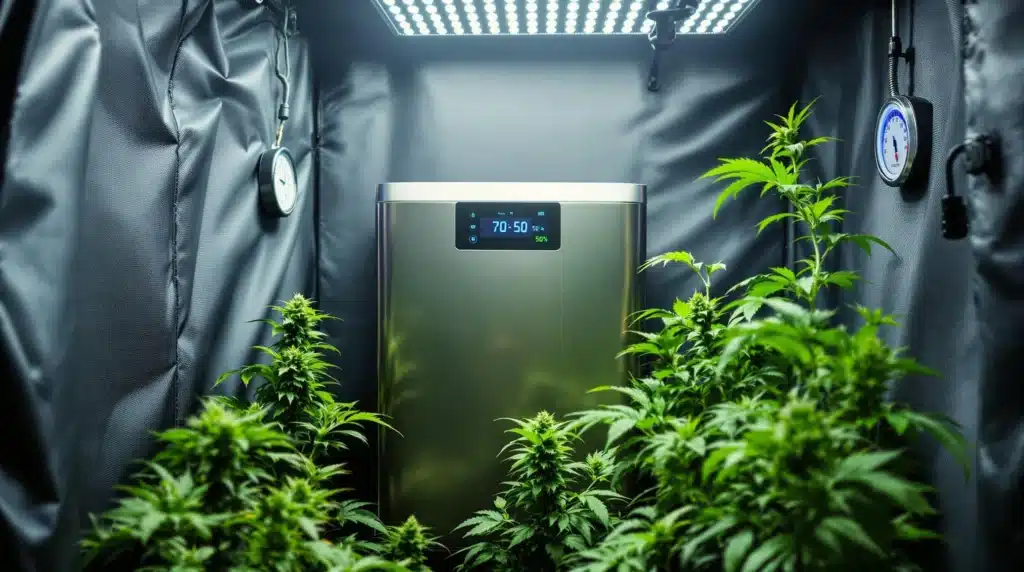
Are you struggling with high humidity inside your grow tent? Too much moisture can harm your plants, causing mold, mildew, and slow growth.
But don’t worry—controlling humidity is easier than you think. You’ll discover simple and effective ways to lower humidity, protect your plants, and create the perfect environment for healthy growth. Keep reading to learn the secrets that will help your grow tent thrive!
Causes Of High Humidity In Grow Tents
High humidity in grow tents can affect plant health and growth. Understanding what causes moisture buildup helps keep conditions balanced.
This guide looks at key reasons why humidity rises inside grow tents and what to watch for.
Plant Transpiration Effects
Plants release water vapor through their leaves in a process called transpiration. This adds moisture to the air inside the tent.
- Large or many plants increase moisture quickly.
- Warm temperatures speed up transpiration.
- High light levels also raise water vapor release.
Watering Practices
How and when you water plants changes humidity levels. Overwatering causes excess moisture in the soil and air.
| Watering Issue | Effect on Humidity |
| Overwatering | Increases humidity sharply |
| Water spills | Adds moisture to tent floor |
| Wet soil surface | Evaporates water into air |
Ventilation Issues
Poor airflow traps moist air inside the tent. Proper ventilation removes humid air and brings fresh air in.
- Blocked fans reduce air exchange.
- Small or no vents limit airflow.
- Incorrect fan placement causes dead zones.
External Environmental Factors
Outside conditions affect tent humidity. High outdoor humidity or temperature can raise moisture inside.
| External Factor | Impact on Grow Tent |
|---|---|
| High outdoor humidity | Increases internal moisture |
| Warm outside temperature | Raises tent air temperature |
| Rain or damp weather | Adds moisture near tent |
| Location near water sources | Can elevate ambient humidity |

Credit: www.reddit.com
Essential Tools To Control Humidity
Humidity control is important for a healthy grow tent. Too much moisture can cause mold and plant stress.
Using the right tools helps keep humidity at the right level. This guide explains four key tools to control humidity.
Dehumidifiers
Dehumidifiers remove excess moisture from the air. They are useful in grow tents with high humidity.
Choose a dehumidifier sized for your tent. A small one may not lower humidity enough.
Hygrometers
Hygrometers measure humidity levels inside the grow tent. They help you track and adjust moisture.
- Digital hygrometers show precise humidity readings.
- Analog hygrometers are simple but less exact.
- Place the hygrometer at plant level for best results.
Exhaust Fans
Exhaust fans remove humid air from the tent. They bring fresh, drier air inside.
| Fan Size | Recommended Tent Size |
| 4 inches | Under 4×4 feet |
| 6 inches | Up to 5×5 feet |
| 8 inches | 6×6 feet or larger |
Air Circulators
Air circulators keep air moving inside the grow tent. They stop moisture from settling on plants.
- Use oscillating fans to spread air evenly.
- Place fans above or at plant level.
- Circulators help prevent mold and mildew growth.
Adjusting Ventilation For Better Airflow
Humidity control is key for healthy plants in a grow tent. Good airflow helps lower humidity levels. Adjusting ventilation ensures fresh air moves in and moist air moves out.
Proper ventilation also prevents mold and keeps plants strong. You can improve airflow by setting up intake and exhaust vents, using carbon filters, and placing fans correctly.
Intake And Exhaust Setup
Intake vents bring fresh air into the grow tent. Exhaust vents push humid air out. Both vents must work together for good airflow.
Place the intake vent low to bring in cool air. Put the exhaust vent high to remove warm, moist air. This setup helps air circulate naturally inside the tent.
- Use adjustable vents to control airflow size
- Keep intake vents away from exhaust vents
- Use mesh or filters to stop pests entering
Using Carbon Filters
Carbon filters clean the air inside your grow tent. They remove odors and dust from the exhaust air. This helps keep the environment fresh and healthy.
Attach carbon filters to your exhaust fans. Make sure the filter fits tightly to avoid air leaks. Replace the filter regularly for best results.
- Filters reduce strong plant smells
- Keep dust from entering the tent
- Help maintain clean airflow
Optimizing Fan Placement
Fans move air inside the grow tent. Place them to push humid air toward the exhaust vent. This improves air exchange and lowers humidity.
Use oscillating fans to spread airflow evenly. Avoid placing fans directly on plants. Keep fans off the floor to stop dust from rising.
- Position fans near corners for better circulation
- Use clip-on fans for flexible placement
- Check fan speed to match tent size
Watering Techniques To Reduce Moisture
Keeping humidity low in a grow tent helps prevent mold and pests. Proper watering techniques play a big role in controlling moisture levels.
Watering plants correctly reduces excess water that raises humidity. Let’s look at ways to water that keep moisture down.
Proper Watering Schedules
Water plants only when they need it. Overwatering adds extra moisture to the air. Check soil before watering.
Set a schedule based on your plants’ needs and the tent environment. Water less often in humid conditions.
- Feel the soil to see if it is dry a few inches down
- Water in the morning to allow drying during the day
- Adjust watering frequency as plants grow
Avoiding Overwatering
Overwatering causes water to sit in soil or trays. This water evaporates and raises humidity inside the tent.
Use only enough water to wet the roots. Avoid leaving standing water in pots or trays.
- Use pots with holes for better air flow
- Check drainage holes to keep them clear
- Do not water if soil is still wet from last watering
Drainage Solutions
Good drainage helps remove extra water fast. This stops water from sitting and raising humidity.
Use trays with holes and add materials that improve drainage in pots.
- Place pots on raised racks or grids
- Add perlite or sand to soil for better drainage
- Empty trays after watering to prevent standing water
Temperature Control And Its Impact
Controlling temperature inside a grow tent helps manage humidity levels. Warm air holds more moisture, which can raise humidity. Cooler air holds less moisture, lowering humidity.
Good temperature control creates a healthy environment for plants. It reduces mold, mildew, and other problems caused by high humidity.
Ideal Temperature Ranges
Keeping the temperature within a good range helps keep humidity stable. Most plants grow well between 65°F and 80°F (18°C to 27°C). Temperatures outside this range can cause stress and humidity spikes.
| Time of Day | Ideal Temperature (°F) | Ideal Temperature (°C) |
|---|---|---|
| Day | 70 – 80 | 21 – 27 |
| Night | 65 – 75 | 18 – 24 |
Using Heaters And Coolers
Heaters raise the temperature and can reduce humidity by warming the air. Coolers lower the temperature and help remove moisture. Both tools help keep the grow tent environment balanced.
- Use a heater with a thermostat to avoid overheating.
- Choose coolers with fans or evaporative cooling to remove moisture.
- Place devices away from plants to prevent damage.
- Monitor temperature and humidity with sensors.
Heat Sources To Avoid
Some heat sources increase humidity and harm plants. Avoid devices that add moisture or cause uneven heat. These can lead to mold growth and plant stress.
- Incandescent bulbs produce heat and moisture.
- Open flames or gas heaters release water vapor.
- Unvented appliances trap humidity inside the tent.
- Heat sources near water containers increase humidity spikes.

Credit: www.reddit.com
Plant Management For Humidity Control
Controlling humidity in a grow tent is vital for healthy plants. Managing plants carefully helps lower moisture levels.
This guide covers pruning, spacing, and choosing plants to reduce humidity inside your tent.
Pruning And Defoliation
Pruning removes extra leaves and branches. This action improves air flow around plants. Defoliation cuts away old or large leaves to reduce moisture buildup.
Both help lower humidity by allowing better air circulation. They also stop mold and mildew growth.
Spacing Plants Properly
Giving plants enough space prevents crowded conditions. Crowded plants trap moisture and raise humidity.
- Keep plants at least 6 to 12 inches apart
- Avoid overlapping leaves
- Arrange plants to allow airflow from fans or vents
- Use vertical space to separate layers of plants
Choosing Low-humidity Plants
Some plants produce less moisture and suit high humidity control. Picking the right plants can help keep your grow tent drier.
| Plant Type | Humidity Needs |
| Succulents | Low |
| Cacti | Low |
| Herbs (e.g., Rosemary) | Low to Moderate |
| Ferns | High |
| Tropical Plants | High |
Additional Tips For Humidity Reduction
Controlling humidity in a grow tent is vital for healthy plants. You can use extra methods to keep moisture low.
These tips help you keep the environment balanced and avoid mold or plant stress.
Using Silica Gel Or Moisture Absorbers
Silica gel packets and moisture absorbers pull water from the air. Place them inside your grow tent to reduce humidity.
They work best in small spaces or closed areas where air does not move much.
- Replace silica gel packets regularly for best results
- Choose moisture absorbers made for indoor use
- Keep absorbers away from plants to avoid damage
Regular Maintenance And Cleaning
Clean your grow tent and equipment often. Dirt and plant debris can hold moisture and raise humidity levels.
Check fans, filters, and vents to keep air flowing well. Good airflow helps lower humidity naturally.
- Wipe down walls and floors weekly
- Clear clogged air filters and vents
- Remove dead leaves and plant waste
Monitoring Humidity Trends
Use a hygrometer to watch humidity levels daily. Tracking trends helps you spot problems early.
Adjust ventilation or add moisture absorbers based on your readings. Keeping records helps you improve control over time.
- Check humidity at different times of day
- Note changes after watering or adjusting fans
- Keep a humidity log for reference

Credit: www.reddit.com
Frequently Asked Questions
How Can I Reduce Humidity In A Grow Tent Naturally?
To reduce humidity naturally, improve ventilation and use fans. Add moisture-absorbing materials like activated charcoal or silica gel. Avoid overwatering plants and remove excess foliage to reduce transpiration. These steps help maintain balanced humidity levels without extra equipment.
What Is The Ideal Humidity Level For A Grow Tent?
The ideal humidity for a grow tent varies with plant stage. Seedlings prefer 65-70%, vegetative stage 40-70%, and flowering stage 40-50%. Maintaining these levels prevents mold growth and promotes healthy plant development.
Can A Dehumidifier Help Control Grow Tent Humidity?
Yes, a dehumidifier effectively lowers humidity in grow tents. It removes excess moisture from the air, preventing mold and mildew. Choose a dehumidifier sized for your tent to maintain optimal humidity levels consistently.
How Often Should I Check Humidity In My Grow Tent?
Check humidity daily using a reliable hygrometer. Frequent monitoring helps catch fluctuations early and allows timely adjustments. Consistent checks ensure a stable environment for healthy plant growth.
Conclusion
Controlling humidity helps plants grow healthy and strong. Use fans and vents to keep air moving. A dehumidifier can remove extra moisture fast. Check your tent often to avoid mold and pests. Keep soil and watering under control too. Small changes make a big difference over time.
Stay patient and watch your plants thrive. Good humidity levels create the best environment inside your grow tent.