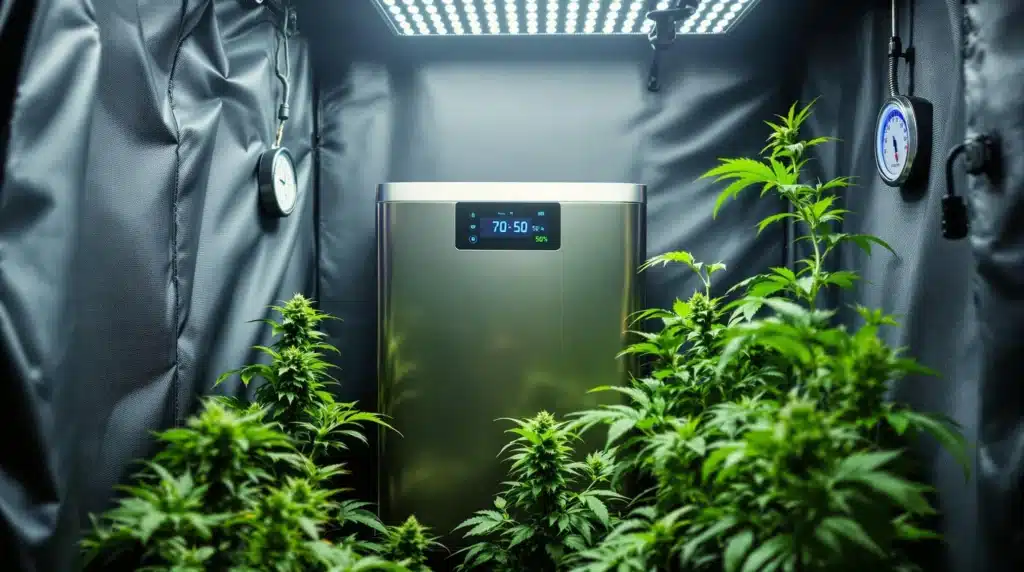
Are you struggling with high humidity inside your grow tent but don’t have a dehumidifier? Too much moisture can cause mold, mildew, and damage your plants.
But don’t worry—you can still control humidity effectively without expensive gadgets. You’ll discover simple, practical ways to lower humidity in your grow tent using things you already have. Keep reading to protect your plants and create the perfect growing environment today.
Causes Of High Humidity In Grow Tents
High humidity in grow tents can harm plants and slow growth. It is important to understand the causes of moisture build-up. This helps keep the environment healthy for your plants.
Many factors add moisture to the air inside a grow tent. Knowing these factors helps manage humidity without using a dehumidifier.
Plant Transpiration Effects
Plants release water vapor through small pores on their leaves. This process is called transpiration. It adds moisture to the air inside the tent.
More plants or larger leaves increase the amount of water vapor. This raises humidity levels quickly, especially in small tents.
Watering Practices Impact
Watering plants too often or using too much water raises humidity. Excess water evaporates into the air. This adds moisture and can cause problems.
- Overwatering increases soil moisture and humidity.
- Water spills on tent floor add to air moisture.
- Using open water trays raises humidity levels.
- Watering late in the day keeps moisture longer.
Ventilation Issues
Poor airflow traps moist air inside the grow tent. Lack of ventilation stops humidity from escaping. This makes the air damp and heavy.
| Ventilation Problem | Effect on Humidity |
| Closed vents | Moist air builds up quickly |
| No exhaust fan | Stale air traps moisture |
| Blocked intake | Reduces fresh air entry |
| Weak fans | Insufficient air movement |
Temperature Influence
Warm air holds more moisture than cool air. High temperatures in a grow tent raise humidity levels. Temperature changes affect how much water vapor air can keep.
Heat from lights or lack of cooling raises tent temperature. This increases water evaporation from soil and plants, adding to humidity.

Credit: www.reddit.com
Natural Ways To Control Humidity
Managing humidity in a grow tent is crucial for healthy plant growth. Dehumidifiers are useful, but natural methods can also work well.
Here are some effective ways to lower humidity without using a dehumidifier. These methods are simple and can be easily implemented.
Adjusting Watering Schedules
Watering less frequently can help reduce humidity levels. Overwatering adds excess moisture to the air.
- Check soil moisture before watering
- Water in the morning to allow drying
- Avoid watering on humid days
Using Moisture Absorbing Materials
Materials like silica gel and clay can absorb moisture from the air. Place them in your grow tent for better humidity control.
| Material | Usage |
| Silica Gel | Place in corners |
| Clay Pellets | Use in pots |
| Charcoal | Scatter around plants |
Increasing Air Circulation
Good air circulation helps keep humidity levels balanced. It also prevents mold and mildew growth.
Optimizing Temperature Settings
Temperature plays a big role in humidity levels. Warmer air holds more moisture, so adjust your grow tent’s temperature accordingly.
- Keep temperature between 70-75°F (21-24°C)
- Use a thermostat for precise control
- Avoid sudden temperature changes
Ventilation Techniques Without Dehumidifiers
High humidity can harm plants inside a grow tent. You can lower humidity without using a dehumidifier. Ventilation is a simple and effective way to control moisture levels.
Good airflow removes excess moisture and brings fresh air inside. This helps plants grow healthy and reduces mold risks.
Installing Exhaust Fans
Exhaust fans pull moist air out of the grow tent. Place the fan near the top since warm air rises. This removes humid air and lowers overall moisture.
Choose a fan size that matches your tent volume. A fan that is too small will not move enough air. A timer can help run the fan at regular intervals for steady airflow.
Using Intake Vents
Intake vents allow fresh, dry air to enter the grow tent. These vents should be placed near the bottom. Cooler, drier air will replace the warm, humid air pushed out by the exhaust fan.
- Keep intake vents clear of obstructions
- Use mesh screens to keep pests out
- Adjust vent size based on fan strength
- Seal unused openings to maintain airflow balance
Creating Cross Ventilation
Cross ventilation uses both intake and exhaust openings to create steady airflow. Air moves through the tent in one direction, removing humidity quickly.
| Vent Type | Placement | Function |
| Intake Vent | Bottom or side | Brings fresh air in |
| Exhaust Fan | Top or opposite side | Pulls humid air out |
| Ventilation Path | Between vents | Ensures air flows across plants |
Regular Air Exchange Benefits
Changing the air inside the tent often keeps humidity low. It also helps plants get carbon dioxide and stay healthy.
- Reduces mold and mildew growth
- Prevents leaf diseases
- Maintains stable temperature
- Supports plant respiration

Credit: www.reddit.com
Plant Management Tips
Controlling humidity in a grow tent can be done without a dehumidifier. Managing your plants well helps keep moisture levels low. Good plant care reduces excess water release into the air.
This guide covers simple ways to lower humidity by focusing on the plants you grow and how you care for them.
Selecting Low Transpiration Plants
Choose plants that release less water vapor through their leaves. Low transpiration plants help keep humidity down in your grow tent.
- Cacti and succulents have low water release.
- Herbs like rosemary and thyme release less moisture.
- Choose plants with smaller leaves to reduce transpiration.
- Avoid plants that need constant watering or high moisture.
Pruning To Reduce Moisture
Prune your plants regularly to lower humidity levels. Removing extra leaves and branches reduces moisture released from the plants.
| Pruning Action | Effect on Humidity |
| Remove dead or yellow leaves | Reduces decaying plant moisture |
| Trim dense foliage | Improves air movement and lowers moisture |
| Cut back excess branches | Lowers overall transpiration |
Spacing Plants For Airflow
Proper plant spacing increases airflow and lowers humidity. Crowded plants trap moisture and raise humidity.
- Keep enough space between plants to allow air movement.
- Arrange plants so leaves do not touch.
- Use shelves or vertical racks to separate plants.
- Check airflow regularly and adjust plant positions.
Monitoring And Maintenance
Lowering humidity in a grow tent without a dehumidifier needs careful care. Watching humidity levels and keeping the tent clean help a lot.
Small actions in monitoring and maintenance can stop problems before they start. This keeps plants healthy and happy.
Using Hygrometers Effectively
A hygrometer shows the humidity inside your grow tent. Place it where air moves freely for the best reading.
Check the hygrometer daily. This helps you see if humidity is too high or low. Adjust ventilation or watering based on the numbers.
- Use more than one hygrometer for bigger tents
- Keep hygrometers away from water sources
- Calibrate them regularly for accurate readings
Regular Cleaning Practices
Dirt and mold raise humidity in your grow tent. Clean the tent walls and floor often to stop this.
Remove dead leaves and plant debris. These hold moisture and cause humidity to rise.
- Wipe surfaces with a damp cloth weekly
- Use mild soap to clean stubborn spots
- Dry the tent fully after cleaning
Checking For Water Leaks
Leaks add unwanted water to the tent. Look for leaks around pipes, pots, and watering systems.
Fix leaks fast to keep humidity down. Check after watering or rain if your setup is outside.
- Inspect all water connections weekly
- Replace cracked pots or trays
- Use drip trays to catch overflow
Alternative Moisture Control Methods
Controlling humidity in a grow tent is important for healthy plants. You can lower moisture without using a dehumidifier. Some simple, natural methods work well.
These methods include DIY desiccants, charcoal or silica gel, and salt-based absorbers. Each one helps absorb extra moisture in the air.
Diy Desiccants
DIY desiccants are easy to make and cost-effective. You only need materials that absorb moisture well. Examples are rice, baking soda, and kitty litter.
- Fill small cloth bags with rice and place them in the tent corners
- Use open containers with baking soda to catch humidity
- Put silica-based kitty litter in breathable bags near plants
- Replace or dry desiccants regularly to keep them effective
Using Charcoal Or Silica Gel
Charcoal and silica gel are great at soaking up moisture. They do not add chemicals to your grow space. Silica gel often comes in small packets.
| Material | How to Use | Benefit |
| Charcoal | Place in breathable bags inside tent | Absorbs moisture and odors |
| Silica Gel | Use packets near plants or vents | Quickly removes humidity |
Incorporating Salt-based Absorbers
Salt naturally draws moisture from the air. You can use rock salt or table salt as absorbers. Salt works best in dry, cool spots inside the tent.
- Fill small containers with salt and place them around the tent
- Mix salt with water to create a salt solution for wiping surfaces
- Change salt regularly to keep it effective at moisture control

Credit: www.reddit.com
Frequently Asked Questions
How Can I Reduce Humidity In A Grow Tent Naturally?
Use proper ventilation and increase airflow with fans. Avoid overwatering plants and remove excess moisture regularly. Adding moisture-absorbing materials like silica gel or activated charcoal helps naturally lower humidity.
What Plants Help Control Humidity Inside Grow Tents?
Certain plants like Boston ferns and peace lilies absorb moisture from the air. Including these plants can help balance humidity levels naturally. However, monitor their watering to avoid excess humidity.
Does Temperature Affect Humidity In A Grow Tent?
Yes, warmer air holds more moisture, increasing humidity. Lowering the grow tent temperature slightly can reduce humidity. Use fans or air conditioning to maintain an optimal temperature and control moisture.
Can I Use Desiccants To Lower Humidity Without A Dehumidifier?
Yes, desiccants like silica gel or calcium chloride absorb moisture effectively. Place them strategically inside the tent to capture excess humidity. Replace or recharge them regularly for continuous moisture control.
Conclusion
Controlling humidity in your grow tent is key for healthy plants. Use fans and open vents to improve air flow. Avoid overwatering to keep moisture levels low. Adding moisture-absorbing materials helps reduce dampness. Regularly check humidity with a simple meter.
Small changes make a big difference over time. Keeping humidity steady helps plants grow strong and healthy. Try these easy steps to create the right environment. Your plants will thank you with better growth and yields.