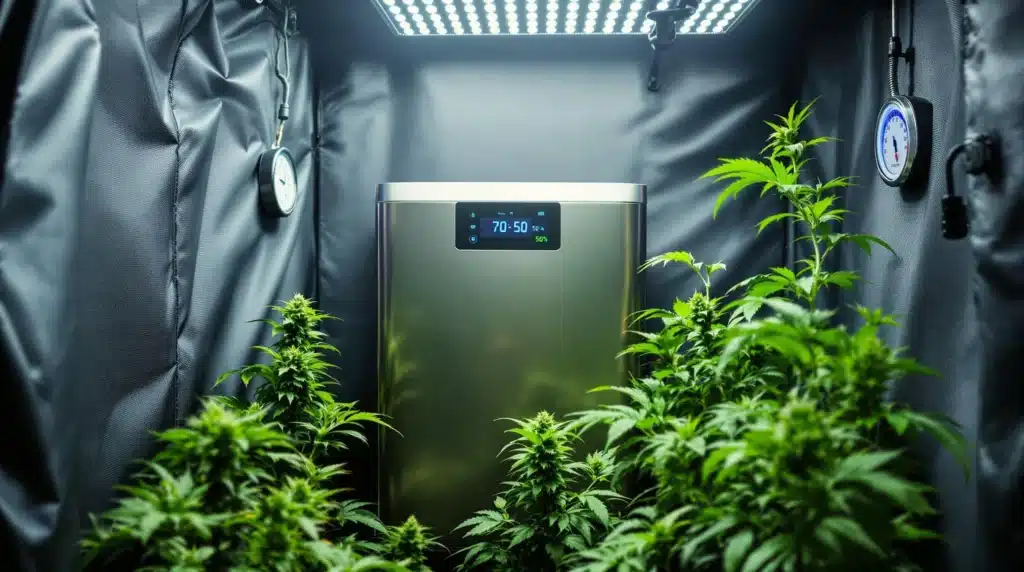
Are you struggling with high humidity inside your grow tent but don’t have a dehumidifier? Excess moisture can harm your plants, causing mold, mildew, and slow growth.
But don’t worry—you can lower humidity effectively without expensive equipment. You’ll discover simple, practical tips that you can start using right now to keep your grow tent dry and your plants healthy. Keep reading to find out how to take control of your grow tent’s environment and boost your gardening success.

Credit: www.reddit.com
Causes Of High Humidity In Grow Tents
High humidity in grow tents can harm plants and slow growth. It is important to know what causes humidity to rise.
This guide explains common reasons for high humidity in grow tents. Knowing these helps to keep humidity at good levels.
Plant Transpiration
Plants release water vapor through their leaves in a process called transpiration. This adds moisture to the air inside the tent.
More plants or bigger leaves cause more water vapor. This raises humidity levels in a grow tent.
Watering Practices
Overwatering plants can lead to excess water in the soil. This water evaporates and increases humidity.
Spilled water or wet surfaces inside the tent add extra moisture. Proper watering reduces this problem.
- Use just enough water for the plants
- Clean any spills quickly
- Allow soil to dry before watering again
Poor Ventilation
Grow tents need good air flow to remove moist air. Poor ventilation traps humidity inside the tent.
Without fresh air, moisture builds up and causes high humidity. Fans and vents help move humid air out.
- Use exhaust fans to pull out moist air
- Install intake vents for fresh air
- Keep fans running to circulate air
Environmental Factors
Humidity outside the grow tent affects inside levels. If the room is very humid, the tent will also be humid.
Temperature changes can cause condensation inside the tent. Warm air holds more moisture than cold air.
- Keep the grow room temperature stable
- Use air conditioners or heaters if needed
- Place tent away from water sources or damp walls
Ventilation Techniques
Controlling humidity in a grow tent is important for healthy plants. Good ventilation helps reduce moisture in the air. This guide covers simple ways to lower humidity without a dehumidifier.
Using fans and managing airflow can keep your grow tent dry. These techniques improve air exchange and prevent mold growth. Let’s explore three key methods to improve ventilation.
Using Exhaust Fans
Exhaust fans pull humid air out of the grow tent. They create a steady airflow that removes moisture. Place the fan near the top where warm, moist air collects. Keep it running for several hours daily.
- Choose a fan that fits your tent size
- Install the fan at the top of the tent
- Run the fan for at least 12 hours a day
- Regularly clean the fan to maintain airflow
Intake Air Management
Fresh air enters the tent through intake vents. Control intake to prevent extra humidity. Use filtered openings to stop dust and pests. Adjust intake size to balance airflow and humidity.
| Intake Method | Effect on Humidity |
| Open Passive Vent | Moderate airflow, may increase humidity |
| Filtered Passive Vent | Clean air, controls humidity better |
| Active Intake Fan | Strong airflow, lowers humidity quickly |
Oscillating Fans
Oscillating fans move air inside the tent. They stop hot spots and reduce moisture buildup on leaves. Place fans at plant level for best airflow. Use more than one fan for larger tents.
- Place oscillating fans so air moves between plants
- Keep fans on low or medium speed
- Avoid direct wind on plants to prevent stress
- Use timers to run fans intermittently
Water Management Tips
High humidity in a grow tent can harm plants and cause mold. Managing water is key to lowering humidity without a dehumidifier.
Proper watering habits help control moisture and keep your grow tent healthy.
Adjusting Watering Schedule
Water plants less often to reduce moisture in the air. Check soil before watering to avoid extra water.
Water plants in the morning so excess moisture can dry during the day.
Avoiding Overwatering
Overwatering raises humidity and harms roots. Use small amounts of water and watch plant needs closely.
Let soil dry slightly between waterings to keep moisture balanced.
- Check soil moisture with your finger
- Use pots with drainage holes
- Water only when soil feels dry
Drainage Improvement
Good drainage stops water from pooling and causing extra humidity. Use pots with holes and well-draining soil.
Elevate pots off the tent floor to let water escape and air flow better.
- Choose light, airy soil mixes
- Use trays to catch excess water
- Place pots on mesh shelves or stands

Credit: www.reddit.com
Temperature Control
Controlling temperature is important to lower humidity in a grow tent without a dehumidifier.
Proper temperature helps reduce moisture and keeps plants healthy.
Maintaining Optimal Temperature
Keep the grow tent temperature between 70°F and 80°F to manage humidity well.
- Check temperature daily with a reliable thermometer.
- Use ventilation to remove hot, moist air.
- Keep tent away from cold walls to avoid condensation.
- Open the tent door briefly to let fresh air in if needed.
Using Heat Sources Wisely
Heat sources can help lower humidity but must be used carefully.
| Heat Source | Effect on Humidity | Tip for Use |
| Space Heater | Increases temperature, reduces moisture | Use low setting to avoid drying out plants |
| Heat Mat | Warms soil, less impact on air humidity | Place under pots, not directly on plants |
| Incandescent Bulbs | Produce heat and some moisture | Use with good ventilation |
| LED Grow Lights | Less heat, less humidity change | Supplement with other heat sources if needed |
Absorbing Excess Moisture
Keeping the humidity in a grow tent under control is important for plant health. Using a dehumidifier is one way, but there are other methods. Absorbing excess moisture can help lower humidity levels effectively.
This guide covers three simple ways to absorb moisture without using a dehumidifier. You can use silica gel packs, charcoal bags, or make your own DIY moisture absorbers.
Using Silica Gel Packs
Silica gel packs are small and easy to use. They absorb moisture from the air and help keep your grow tent dry. You can place several packs around the tent, especially near plants that are sensitive to humidity.
- Place silica gel packs on shelves or corners of the tent.
- Replace or recharge packs when they become saturated.
- Use packs suitable for the size of your grow tent.
Charcoal Bags
Charcoal bags work as natural moisture absorbers. They also remove odors and impurities from the air. Charcoal absorbs humidity well and can last for several months before needing replacement.
| Benefit | Details |
| Moisture Absorption | Charcoal draws moisture from the air to lower humidity. |
| Odor Removal | Helps keep air fresh inside the grow tent. |
| Longevity | Lasts 2-3 months before reactivation or replacement. |
Diy Moisture Absorbers
You can make your own moisture absorbers using simple household items. These DIY options are affordable and easy to replace. Common materials include baking soda, rock salt, and rice.
Here is a list of DIY moisture absorbers:
- Baking Soda:Place in open containers to absorb moisture.
- Rock Salt:Use in cloth bags to draw humidity.
- Uncooked Rice:Put in breathable pouches to reduce moisture.

Credit: www.reddit.com
Plant Selection And Arrangement
Humidity control is important in a grow tent. You can lower humidity by choosing the right plants and arranging them well. This helps keep the air dry without using a dehumidifier.
Plants release water vapor through transpiration. Some plants release less water. Also, good spacing improves air flow and reduces moisture buildup.
Choosing Low-transpiration Plants
Pick plants that give off less water vapor. These plants help keep humidity low. Succulents and cacti are good examples. They store water and lose less to the air.
Leaf size and texture affect transpiration. Small, thick, or waxy leaves hold moisture better. These plants release less water into the air.
- Succulents
- Cacti
- Snake plants
- Aloe vera
- ZZ plants
Spacing Plants For Airflow
Leave enough space between plants. This lets air move freely. Good airflow carries moisture away from leaves. It stops humidity from building up.
Do not crowd plants. Crowding traps moisture and raises humidity. Use shelves or plant stands to separate plants vertically and horizontally.
- Space plants at least 6 inches apart
- Use fans to improve airflow
- Arrange taller plants to avoid blocking air
- Keep grow tent vents open if possible
Regular Maintenance Practices
Keeping a grow tent at the right humidity helps plants grow well. Regular care helps control moisture without using a dehumidifier.
Simple tasks done often can keep humidity levels stable and protect your plants from mold and pests.
Cleaning Grow Tent
Cleaning the grow tent removes dirt and moisture buildup. This lowers the chance of high humidity and disease.
- Remove all plants and equipment before cleaning.
- Use a mild soap and warm water to wipe down walls and floors.
- Dry all surfaces completely with a clean cloth.
- Clean fans and vents to keep air moving well.
- Check and clean any water trays or reservoirs regularly.
Monitoring Humidity Levels
Watch humidity levels daily. This helps you act quickly if moisture rises too high.
| Tool | Purpose | Tip |
| Hygrometer | Measures humidity level inside the tent | Place it at plant height for accuracy |
| Thermometer | Checks temperature that affects humidity | Keep near air intake or exhaust |
| Notebook or App | Records daily humidity readings | Track changes to spot trends |
Frequently Asked Questions
How Can I Naturally Reduce Humidity In My Grow Tent?
Increase ventilation by using fans to promote air circulation. Use silica gel packets to absorb moisture. Consider adding more plants that naturally reduce humidity, like ferns. Also, regulate watering schedules to prevent excess water. These methods help in maintaining optimal humidity levels without a dehumidifier.
What Plants Help Lower Grow Tent Humidity?
Spider plants, Boston ferns, and peace lilies can help reduce humidity in your grow tent. These plants naturally absorb moisture from the air, thus helping in maintaining balanced humidity levels. Incorporating these plants into your grow tent can effectively assist in controlling excess humidity.
Can I Use Fans To Reduce Grow Tent Humidity?
Yes, fans are effective in reducing humidity in grow tents. By improving air circulation, fans help evaporate excess moisture, keeping humidity in check. Position fans to maximize airflow throughout the tent, ensuring even distribution and aiding in moisture control without additional equipment.
Is Controlling Watering Schedules Effective For Humidity?
Yes, controlling watering schedules is crucial for managing humidity. Overwatering plants can contribute to high humidity levels. By watering appropriately, you can prevent excess moisture build-up. This practice helps maintain the desired humidity levels in your grow tent, promoting a healthy plant environment.
Conclusion
Controlling humidity in your grow tent can be simple without a dehumidifier. Use good airflow, open vents, and absorbent materials. Watch your plants and adjust as needed. Dry air helps prevent mold and keeps plants healthy. Small changes make a big difference over time.
Stay consistent and patient. Your grow tent will have the right balance soon.