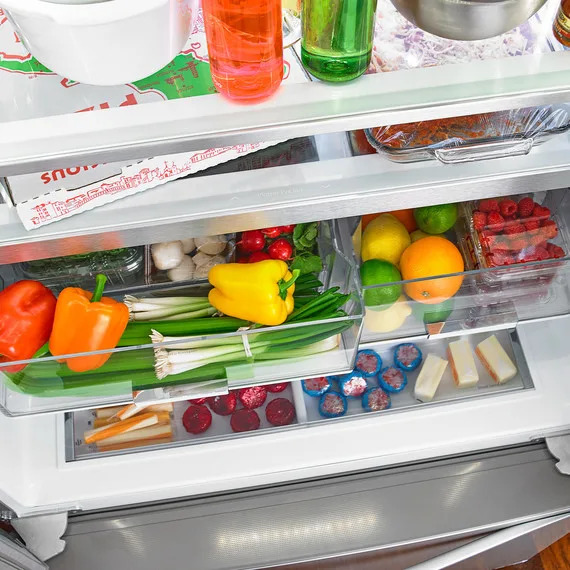
Is your refrigerator feeling more like a mini jungle than a fresh food haven? High humidity inside your fridge can cause food to spoil faster, create unwanted moisture, and even lead to mold.
But don’t worry—you have the power to fix this. You’ll discover simple and effective ways to lower humidity in your refrigerator. By making just a few easy changes, you’ll keep your food fresher for longer and save money. Ready to transform your fridge into a dry, fresh zone?
Let’s dive in!

Credit: www.yahoo.com
Causes Of High Humidity In Refrigerators
High humidity inside your refrigerator can cause more than just a bit of foggy glass. It often leads to faster spoilage and can create a breeding ground for bacteria. Understanding what causes this excess moisture is key to keeping your fridge—and your food—in top shape.
Sources Of Moisture Inside
Moisture can enter your refrigerator from several places. Every time you open the door, warm air from the room sneaks in and condenses inside. This adds unwanted humidity that your fridge must work hard to remove.
Another common source is storing uncovered or improperly sealed foods. Leftover soup or fresh produce releases water vapor, which increases moisture levels. Have you noticed water droplets collecting on your fridge shelves or walls? That’s a clear sign of excess humidity.
Sometimes, the problem comes from the fridge’s own design or malfunctioning parts. A faulty door seal or blocked drainage can trap moisture inside. These hidden issues can quietly raise humidity without you realizing it.
Effects On Food Freshness
High humidity inside your refrigerator can dramatically shorten the life of your food. Moist environments encourage mold growth on bread, cheese, and even fruits. This means you might toss out more food than you should.
Vegetables stored in too much moisture often become limp and soggy. On the other hand, some items like eggs or dry goods may not handle humidity well either, leading to off flavors or spoilage.
Think about the last time you found your lettuce slimy or your berries moldy just days after buying them. That’s the impact of uncontrolled humidity. Keeping moisture levels balanced protects your groceries and saves you money.
Proper Refrigerator Settings
Setting your refrigerator correctly helps control humidity inside. Proper settings keep food fresh and prevent moisture buildup. Adjusting temperature and humidity controls can lower unwanted dampness effectively.
Ideal Temperature Range
The best fridge temperature is between 37°F and 40°F (3°C to 4°C). This range keeps food cold without freezing it. Too warm causes extra moisture. Too cold can freeze fresh produce and increase humidity.
Check your fridge thermometer often to maintain this range. Small changes in temperature affect humidity levels inside. Keeping a steady temperature prevents condensation and mold growth.
Humidity Control Features
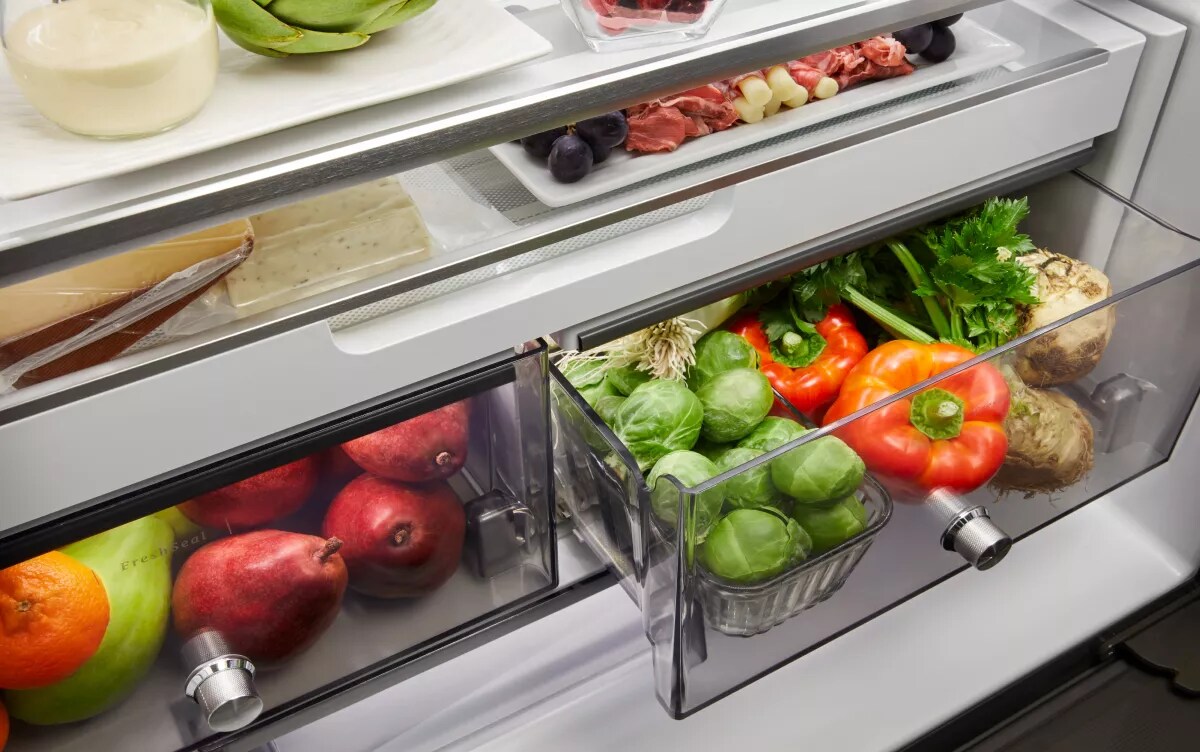
Many refrigerators have humidity control drawers or zones. These settings help keep moisture balanced for fruits and vegetables. Use high humidity settings for leafy greens and low for fruits that rot fast.
Adjust the vents inside the fridge to control air flow. Closing vents in some areas reduces moisture buildup. Open vents allow better circulation and lower humidity.
Learn your fridge’s specific humidity controls. Proper use reduces wetness and extends food life.
Storage Techniques To Reduce Moisture
Reducing moisture inside the refrigerator keeps food fresh longer. Proper storage techniques help control humidity levels effectively. Simple habits can prevent excess moisture buildup and stop mold growth. Organizing foods with care limits water vapor release and improves air circulation.
Use Of Airtight Containers
Airtight containers block moisture from escaping into the fridge air. They create a sealed environment that protects food from humidity changes. Use glass or plastic containers with tight-fitting lids for best results. Store leftovers, cut fruits, and vegetables inside these containers. This practice reduces condensation and keeps foods crisp and fresh.
Separate Dry And Moist Foods
Keep dry foods apart from moist foods to avoid moisture transfer. Foods like bread, crackers, and nuts absorb moisture quickly. Store them in dry, sealed containers or bags. Place fruits and vegetables with high water content in separate drawers or containers. This separation cuts down humidity levels and prevents sogginess.
Regular Maintenance Tips
Keeping the humidity level low inside your refrigerator is crucial for preserving food freshness and avoiding mold buildup. Regular maintenance plays a key role in controlling moisture. Simple habits like cleaning and checking seals can make a huge difference in how your fridge performs.
Cleaning And Defrosting
Dirt and frost can block air circulation and trap moisture inside your fridge. Cleaning the interior regularly prevents buildup that raises humidity levels. Wipe shelves, walls, and door compartments with a mild detergent and warm water to keep surfaces dry and fresh.
Defrosting your fridge is equally important. Frost buildup reduces cooling efficiency and increases humidity. If you notice thick ice forming, turn off your fridge and let the ice melt naturally. This helps restore proper airflow and moisture control.
Check Door Seals
The door seals, or gaskets, create an airtight barrier that keeps cold air in and warm air out. If these seals are damaged or dirty, warm air can sneak in, raising humidity inside your refrigerator. Check for cracks, tears, or sticky residues regularly.
Test the seals by closing the door on a piece of paper. If the paper slides out easily, the seal might need replacement or cleaning. Clean the gasket with warm soapy water and dry it thoroughly to maintain a tight seal. How much difference do you think a simple seal check could make in your fridge’s humidity?
Additional Tools To Manage Humidity
Managing humidity inside a refrigerator helps keep food fresh longer. Besides adjusting temperature settings, extra tools can control moisture effectively. These tools absorb excess water vapor and reduce dampness. Using them improves food quality and prevents mold growth. Here are two common options to consider.
Silica Gel Packs
Silica gel packs are small packets filled with tiny beads. These beads absorb moisture from the air inside the fridge. They help reduce dampness without changing the fridge’s temperature. You can place these packs in drawers or shelves to keep items dry. Silica gel packs are reusable; just dry them out in the sun to refresh. They are safe and do not affect food taste or smell.
Charcoal Deodorizers
Charcoal deodorizers absorb both moisture and odors. Activated charcoal has a porous surface that traps water molecules and smells. Placing a charcoal deodorizer in your fridge helps keep the air dry and fresh. It also prevents the growth of bacteria and mold. These deodorizers last for several months and need occasional exposure to sunlight to recharge.

Credit: shop.haierindia.com
Credit: www.kitchenaid.ca
Frequently Asked Questions
How Does Humidity Affect A Refrigerator?
High humidity can lead to condensation inside your refrigerator. This moisture can cause mold growth and spoilage of food. Keeping humidity in check ensures fresh and longer-lasting food.
What Causes High Humidity In Refrigerators?
Frequent door opening, poor seals, and storing hot food can increase humidity. These factors introduce moisture inside, which can lead to higher humidity levels.
How Can I Reduce Humidity In My Fridge?
Use airtight containers, limit door openings, and check door seals. These steps help minimize moisture and reduce humidity levels effectively.
Why Is My Fridge Sweating Inside?
Sweating inside the fridge is usually due to high humidity. It can be caused by door leaks or storing hot food without cooling first.
Conclusion
Keeping humidity low in your refrigerator helps food stay fresh longer. Clean the fridge regularly and avoid overpacking it. Use containers that seal well to stop moisture. Adjust settings to the right temperature and check door seals often. These small steps make a big difference.
A dry fridge means less mold and better-tasting food. Try these tips to enjoy a fresher fridge every day. Simple actions lead to better food storage and less waste.