Your bamboo cutting board is more than just a kitchen tool—it’s an investment in your cooking experience. But are you taking the right steps to keep it in top shape?
If you want your board to stay smooth, strong, and bacteria-free, knowing how to maintain it properly is key. You’ll discover simple, effective tips that protect your bamboo cutting board from cracks, stains, and odors. Keep reading, and you’ll learn how easy it is to make your board last longer and work better every time you cook.

Credit: miti-life.com
Choosing The Right Bamboo Board
Bamboo cutting boards are popular for their durability and eco-friendliness. Choosing the right board helps keep your kitchen tools in top shape.
Picking a good bamboo board depends on the type and quality. This guide explains what to look for before buying.
Types Of Bamboo Boards
Bamboo boards come in different styles. Each type suits different kitchen needs and cutting tasks.
- Edge Grain Boards:Strips of bamboo glued side by side, showing the edges. These are smooth and less expensive.
- End Grain Boards:Bamboo fibers face up, showing the ends. They are gentle on knives and last longer.
- Strand Woven Boards:Bamboo strands compressed tightly for extra strength. These boards resist scratches and water well.
Quality Indicators
Good quality bamboo boards have clear signs. Check these factors to ensure you get a durable and safe board.
| Indicator | What to Look For |
| Finish | Smooth surface with no rough edges or splinters |
| Glue Type | Food-safe, non-toxic adhesive used in the board |
| Moisture Resistance | Board should not absorb water quickly or warp |
| Weight | Heavier boards often mean denser, stronger bamboo |
| Certifications | Look for FSC or similar eco-labels |
Cleaning Techniques
Keeping your bamboo cutting board clean helps it last longer. Proper cleaning stops bacteria and keeps the board safe to use.
Use gentle methods to protect the bamboo from damage. This guide covers easy ways to clean your board every day and handle stains or smells.
Daily Washing Tips
Wash the bamboo board right after use. Use warm water and mild soap. Clean both sides to stop warping.
Dry the board with a clean towel. Stand it up to air dry fully. Avoid soaking it in water for a long time.
- Use warm water and gentle soap
- Wash both sides of the board
- Dry with a towel and air dry
- Do not soak in water
Avoiding Harsh Chemicals
Do not use bleach or strong cleaners on bamboo. These chemicals can break down the fibers and cause cracks.
Stick to natural cleaning agents like mild dish soap. These keep your board clean without damage.
- Avoid bleach and strong detergents
- Use mild dish soap instead
- Do not use abrasive scrubbers
- Clean gently with soft cloth or sponge
Dealing With Stains And Odors
Remove stains by rubbing with coarse salt and lemon juice. Let it sit for a few minutes before rinsing.
To get rid of odors, sprinkle baking soda on the board. Rub gently, then wash and dry as usual.
- Use coarse salt and lemon for stains
- Apply baking soda to remove smells
- Rinse well with warm water
- Dry completely after cleaning
Drying And Storage
Taking care of your bamboo cutting board helps it last longer. Drying and storing it right prevents damage and warping.
This guide shares simple ways to dry and store your board safely.
Proper Drying Methods
Dry your bamboo board after washing to avoid cracks. Use a clean towel to wipe off water quickly.
Let the board air dry standing up or on a rack. This helps air reach all sides and stops moisture buildup.
- Wipe water off with a dry cloth right after washing
- Stand the board vertically to dry
- Keep it in a well-ventilated area
- Avoid leaving it flat on wet surfaces
Best Storage Practices
Store your bamboo cutting board in a dry place. Avoid areas with high humidity or heat.
Keep the board away from direct sunlight and strong heat sources. This prevents warping and cracking.
- Place board upright or on a shelf with good airflow
- Do not stack heavy items on top
- Use a breathable cover if needed
- Keep it away from the stove or dishwasher
Credit: cheesegrotto.com
Oiling And Conditioning
Maintaining your bamboo cutting board keeps it strong and safe to use. Oiling and conditioning help protect the wood and stop it from drying out.
Regular care will make your board last longer and look better over time. It also prevents cracks and stains.
Choosing The Right Oil
Pick an oil that is safe for food contact and easy to absorb. Avoid oils that can turn rancid or smell bad.
Common oils for bamboo boards include mineral oil, beeswax blends, and coconut oil. Mineral oil is popular because it does not spoil.
- Food-grade mineral oil
- Beeswax and mineral oil mix
- Refined coconut oil (food safe)
How Often To Oil
Oil your bamboo cutting board regularly to keep it in good shape. New boards need oiling more often.
For best results, oil your board once a month or every few weeks if you use it a lot. This stops the wood from drying and cracking.
- New boards: oil every 1-2 weeks for first month
- Regular use: oil once a month
- Less use: oil every 2-3 months
Application Steps
Clean your board before oiling. Make sure it is dry to help the oil soak in well.
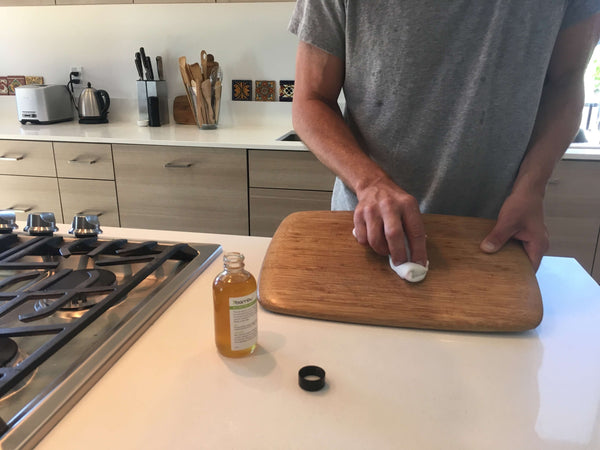
Apply oil evenly using a soft cloth or paper towel. Cover all sides and edges to protect the whole board.
- Clean and dry the board
- Pour a small amount of oil on the surface
- Rub oil in with a soft cloth or paper towel
- Let the oil soak for at least 20 minutes
- Wipe off excess oil with a clean cloth
- Allow board to dry fully before use
Handling And Usage Tips
Bamboo cutting boards are strong and eco-friendly. Proper care keeps them safe and lasting long.
Use the right handling and usage tips to avoid damage and maintain their beauty.
Cutting Techniques To Prevent Damage
Use sharp knives to cut on bamboo boards. Dull knives can cause deep cuts and rough surfaces.
Cut with light to medium pressure. Hard chopping can leave marks or dents on the board.
- Avoid cutting bones or very hard items on bamboo boards
- Use a rocking motion with knives instead of heavy chopping
- Keep the board stable on the counter to prevent slips
Avoiding Excess Moisture
Do not soak bamboo cutting boards in water. Excess water can damage the wood fibers.
Clean the board with a damp cloth or rinse quickly and dry right away to keep it dry.
- Wash board by hand only; avoid dishwashers
- Dry with a towel immediately after washing
- Store in a dry place with good air circulation
Preventing Warping And Cracks
Keep bamboo boards away from extreme heat or cold to stop warping or cracking.
Apply food-safe mineral oil regularly to keep the wood moist and strong.
- Do not leave the board near hot stoves or direct sunlight
- Oil the board every few weeks to keep it smooth
- Use both sides of the board to distribute wear evenly

Credit: www.bambuhome.com
Repairing Minor Damages
Small damages like scratches or cracks can hurt your bamboo cutting board. Fixing these helps keep it safe and good to use.
Simple repairs also make your board last longer and look better. Use the right tools to fix minor problems at home.
Sanding Scratches
Light scratches happen from knives and daily use. Sanding smooths the surface and removes these marks.
Use fine-grit sandpaper to gently rub the scratched area. Sand with the grain of the bamboo for best results.
- Choose 220-grit sandpaper for light scratches
- Rub the scratched area softly and evenly
- Wipe dust off with a damp cloth after sanding
- Apply mineral oil to protect the board after sanding
Fixing Small Cracks
Small cracks can let water in and cause damage. Seal these cracks quickly to keep your board strong.
Use food-safe wood glue to fill cracks. Press the glue into the crack, then wipe off extra glue gently.
- Buy food-safe wood glue for kitchen use
- Apply glue carefully inside the crack
- Press the crack edges together if possible
- Let glue dry fully before using the board again
- Sand the area lightly after drying to smooth it
Frequently Asked Questions
How Often Should I Oil My Bamboo Cutting Board?
To maintain your bamboo cutting board, oil it once a month. Use food-grade mineral oil for best results. Regular oiling prevents the board from drying out. It also helps maintain its natural shine and durability. Always ensure the board is clean and dry before oiling.
Can I Put Bamboo Cutting Boards In The Dishwasher?
No, avoid placing bamboo cutting boards in the dishwasher. The high heat and water can warp and crack the board. Instead, wash it by hand with mild soap and warm water. This method preserves the board’s integrity and extends its lifespan.
What Is The Best Oil For Bamboo Cutting Boards?
Use food-grade mineral oil for bamboo cutting boards. It’s safe and effective for maintaining the board’s condition. Avoid vegetable or olive oils as they can turn rancid. Regularly applying mineral oil keeps the board hydrated and prevents cracking.
How Do I Remove Stains From Bamboo Cutting Boards?
To remove stains, use a mixture of baking soda and water. Apply the paste to the stain and scrub gently. Rinse thoroughly with warm water and dry immediately. Regular cleaning prevents deep stains and maintains the board’s appearance.
Conclusion
Taking care of your bamboo cutting board keeps it safe and strong. Clean it gently with warm water and mild soap. Dry it well after every use to stop cracks. Rub it with oil often to keep the wood healthy.
Avoid soaking or putting it in the dishwasher. Small habits make your board last longer and stay fresh. Keep these tips in mind for a better kitchen tool. Your bamboo board will thank you with many meals ahead. Simple care makes a big difference.