Your cutting board is more than just a kitchen tool—it’s where your meals begin. But if you don’t care for it properly, it can quickly become a breeding ground for bacteria or get damaged, making your cooking less safe and enjoyable.
Imagine slicing your fresh veggies on a cracked, stained board—unpleasant, right? You want your cutting board to stay clean, durable, and ready for every meal. You’ll discover simple and effective ways to maintain your cutting board so it lasts longer and keeps your food safe.
Keep reading, and you’ll never have to worry about a worn-out or unhealthy cutting surface again.

Credit: www.theindusvalley.in
Choosing The Right Cutting Board
Picking the right cutting board is important for cooking and food safety. It helps protect your knives and makes cleaning easier.
There are many types of cutting boards. Knowing the differences helps you find the best one for your kitchen.
Wood Vs Plastic Boards
Wood and plastic are the two common materials for cutting boards. Each has good and bad points to think about.
Wood boards are gentle on knives and last long if cared for. They can hide scratches well but need regular oiling.
Plastic boards are easy to clean and usually dishwasher safe. They can show knife marks and may wear out faster.
- Wood boards need hand washing and drying.
- Plastic boards can be sanitized in the dishwasher.
- Wood is better at resisting bacteria with proper care.
- Plastic can absorb colors and smells more easily.
Size And Thickness Considerations
Choose a cutting board size that fits your kitchen and cooking style. Too small boards limit space and cause spills.
Thickness affects durability and stability. Thicker boards are sturdier but heavier. Thin boards are light but may warp.
- Large boards give more room for chopping.
- Medium boards suit most kitchen counters.
- Thick boards last longer and resist warping.
- Thin boards are easy to store and move.
Surface Texture Importance
The surface texture of a cutting board affects how it holds food while cutting. A smooth surface is easy to clean.
Boards with a slight texture help keep food from sliding. Rough surfaces can trap bacteria and are harder to clean.
- Smooth surfaces are best for easy cleaning.
- Light texture helps keep food steady.
- Deep grooves can trap food and bacteria.
- Check for surface damage before buying.

Credit: vayuearth.com
Cleaning Techniques
Keeping your cutting board clean helps stop germs and keeps food safe. Simple cleaning methods can make your board last longer.
Learn easy ways to wash, sanitize, and protect your cutting board without damage.
Daily Washing Tips
Wash your cutting board after each use to remove food particles and bacteria. Use warm water and mild soap for best results.
- Rinse the board with warm water before washing.
- Use a sponge or brush with mild dish soap.
- Scrub all surfaces thoroughly.
- Rinse off soap completely with warm water.
- Dry the board with a clean towel or air dry standing up.
Sanitizing Methods
Sanitizing kills germs that washing may not remove. Use safe methods that do not harm your cutting board.
| Sanitizing Method | How to Use | Notes |
| White Vinegar | Spray or wipe on board, let sit 5 minutes, rinse | Natural and safe for wood |
| Hydrogen Peroxide | Pour on board, let sit 5 minutes, rinse | Effective against bacteria |
| Bleach Solution | Mix 1 tbsp bleach with 1 gallon water, apply, rinse well | Use only occasionally, avoid on wood |
Avoiding Harsh Chemicals
Harsh chemicals can damage your cutting board’s surface and leave harmful residue. Choose gentle cleaners instead.
Safe cleaning tips:
- Do not use bleach often on wooden boards.
- Avoid abrasive cleaners that scratch the surface.
- Skip strong chemical sprays or detergents.
- Use natural or mild soap for cleaning.
Drying And Storage
Proper drying and storage keep your cutting board clean and safe. It also helps the board last longer.
Learn how to dry and store your cutting board to avoid damage and warping.
Proper Air Drying
After washing, dry your cutting board quickly to stop moisture build-up. Use a clean towel to remove extra water.
- Place the board on its side to let air flow freely.
- Do not stack wet boards on top of each other.
- Avoid drying near heat sources like radiators.
- Let the board dry completely before storing it.
Storage Positions
How you store your cutting board affects its shape and condition. Store it in a way that avoids pressure on any side.
| Storage Method | Benefit |
| Standing vertically | Good air circulation, less moisture |
| Flat on a dry surface | Stable, but ensure board is dry |
| Hanging by a hook | Prevents warping and saves space |
Preventing Warping
Warping changes your board’s shape and makes it unsafe. Prevent warping by managing moisture and heat carefully.
- Keep the board dry after washing.
- Do not soak the board in water.
- Store away from direct sunlight or heat.
- Use mineral oil regularly to keep wood stable.
Regular Maintenance
Keeping your cutting board in good shape helps it last longer. Regular care stops cracks and stains from forming.
Simple steps like oiling, sanding, and cleaning keep your board safe and strong for daily use.
Oiling Frequency And Methods
Oiling your cutting board protects the wood from drying out and cracking. Apply oil regularly to keep it smooth.
Use food-safe mineral oil or beeswax. Avoid cooking oils as they can turn rancid.
- Clean the board and dry it well before oiling.
- Pour a small amount of oil on the surface.
- Spread oil evenly using a cloth or paper towel.
- Let the oil soak in for a few hours or overnight.
- Wipe off any extra oil with a clean cloth.
- Repeat oiling every few weeks or when the board looks dry.
Sanding To Remove Scratches
Sanding helps smooth out deep cuts and scratches on your board. This keeps the surface safe and clean.
Use fine-grit sandpaper and sand in the direction of the wood grain. This avoids damage and keeps the board even.
- Start with 120-grit sandpaper for rough scratches.
- Switch to 220-grit sandpaper for a smooth finish.
- Clean off dust with a damp cloth after sanding.
- Oil the board after sanding to restore moisture.
Removing Odors And Stains
Odors and stains can build up on your cutting board. Clean them regularly to keep the board fresh.
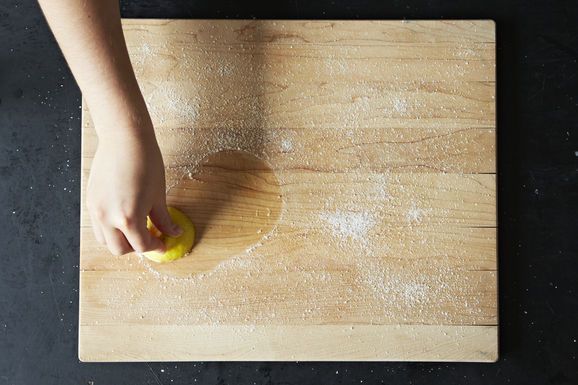
Use natural ingredients like lemon and baking soda to remove smells and marks safely.
- Sprinkle baking soda on the board surface.
- Rub the board with half a lemon to clean and deodorize.
- Let it sit for 5 minutes before rinsing with warm water.
- Dry the board completely before storing.
Handling Specific Materials
Cutting boards come in different materials. Each type needs special care. Proper care keeps them safe and lasts longer.
This guide explains how to maintain wooden, plastic, and bamboo boards. Follow these tips for the best results.
Care For Wooden Boards
Wooden boards need gentle cleaning and regular oiling. Avoid soaking them in water to stop cracking.
- Wash with warm, soapy water right after use
- Dry immediately with a clean towel
- Apply food-grade mineral oil once a month
- Do not put wooden boards in the dishwasher
Plastic Board Maintenance
Plastic boards are easy to clean but can hold scratches. Clean carefully to avoid germs.
| Care Tip | Details |
| Cleaning | Use hot, soapy water or dishwasher safe |
| Scratches | Replace board if deep cuts appear |
| Stains | Use baking soda paste to remove stains |
| Storage | Store upright to dry fully |
Bamboo Board Tips
Bamboo boards are durable but need specific care to avoid damage.
Follow these tips for bamboo boards:
- Clean with mild soap and water; do not soak
- Dry thoroughly after washing
- Use food-safe oil to keep bamboo smooth
- Do not expose to extreme heat or dishwasher
Avoiding Damage
Cutting boards need care to last long. Avoiding damage helps keep them safe and useful.
Small habits can stop scratches, cracks, and other problems. Learn easy ways to protect your board.
Cutting Techniques To Minimize Wear
Use the right cutting style to lower wear on your board. Avoid hard chopping that can leave deep marks.
- Cut with a smooth, gentle motion instead of heavy chopping.
- Use sharp knives to reduce force needed on the board.
- Rotate the board often to spread out wear evenly.
- Avoid cutting in the same spot every time.
Avoiding Dishwasher Use
Do not put wooden cutting boards in the dishwasher. Heat and water can damage wood fibers.
| Problem | Effect on Cutting Board |
| High Heat | Warps and cracks wood |
| Strong Water Pressure | Removes protective oils |
| Harsh Detergents | Dries and weakens wood |
Preventing Cracks And Splits
Keep your cutting board strong by stopping cracks and splits early. Moisture control is key.
- Oil the board regularly with food-safe oil.
- Do not soak the board in water.
- Store the board in a dry, cool place.
- Fix small cracks with wood glue or filler.

Credit: www.amazon.ie
Frequently Asked Questions
How Often Should I Oil My Cutting Board?
To maintain your cutting board, oil it every 3-4 weeks. Use food-grade mineral oil for best results. Regular oiling prevents the board from drying out and cracking. It also creates a barrier against moisture and bacteria, prolonging its lifespan. Always apply oil evenly and let it absorb fully.
Can I Use Soap On My Cutting Board?
Yes, you can use mild soap to clean your cutting board. Rinse it thoroughly with warm water. Avoid harsh detergents and soaking the board to prevent warping. After cleaning, dry it immediately with a towel. This helps maintain its integrity and ensures a hygienic surface for food preparation.
What Is The Best Way To Remove Stains?
To remove stains, use a paste of baking soda and water. Gently scrub the stained area using a soft cloth or sponge. Rinse thoroughly and dry immediately. For tough stains, try lemon juice or white vinegar. These natural solutions help keep your cutting board clean and fresh.
How Do I Prevent My Board From Warping?
To prevent warping, avoid soaking your cutting board in water. Keep it away from extreme temperatures and direct sunlight. Always dry it immediately after washing. Regularly oiling the board helps maintain its moisture balance. Store it upright to ensure proper air circulation and prevent warping.
Conclusion
Caring for your cutting board takes only a few simple steps. Clean it well after each use to stop germs. Oil it regularly to keep the wood strong and smooth. Avoid soaking it in water to prevent cracks. With small daily habits, your board will last long.
A well-kept cutting board stays safe and looks good. Keep these tips in mind for a kitchen tool that serves you well every day.