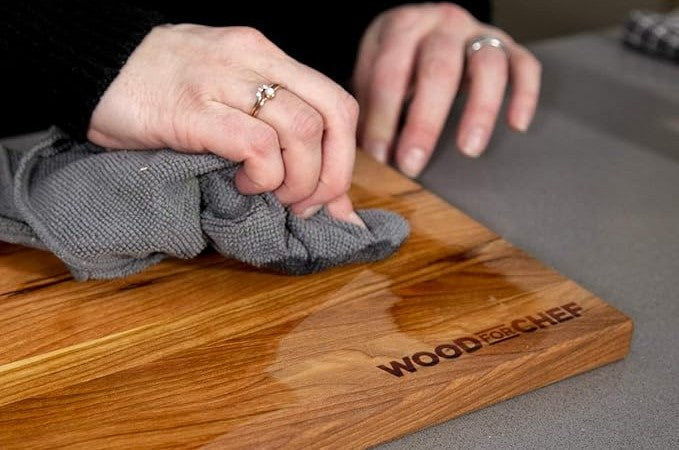
Your wooden cutting board is more than just a kitchen tool—it’s where you prepare meals for yourself and your loved ones. But if you don’t take care of it properly, it can crack, warp, or even harbor bacteria.
Imagine slicing fresh vegetables on a board that looks worn out or smells unpleasant. You don’t want that, right? You’ll discover simple, effective ways to keep your wooden cutting board clean, safe, and looking great for years to come. Keep reading, and your kitchen will thank you.
Choosing The Right Cutting Board
Choosing a wooden cutting board needs care. The right board protects your knives and lasts longer.
Wood type and size are key. These features affect how well the board works and how easy it is to clean.
Types Of Wood Suitable For Cutting Boards
Hardwoods are best for cutting boards. They resist cuts and stop bacteria from growing.
- Maple: Dense and smooth, gentle on knives.
- Walnut: Dark color, very durable and easy to clean.
- Cherry: Strong and has a nice reddish tone.
- Beech: Hard and light-colored, common in kitchens.
- Teak: Contains natural oils that resist water.
Size And Thickness Considerations
| Factor | Recommendation | Reason |
|---|---|---|
| Size | 12 x 18 inches or larger | Enough space for various cutting tasks |
| Thickness | 1 to 1.5 inches | Strong and resists warping over time |
| Weight | Moderate | Easy to move but stable on counters |
| Edges | Rounded | Comfortable to hold and prevents damage |
Credit: www.thekitchn.com
Cleaning After Use
Cleaning wooden cutting boards right after use helps keep them safe and lasts longer. Dirt and bacteria can build up if you do not clean them well.
Use gentle and proper cleaning ways to protect the wood. Avoid actions that can damage the board or leave harmful residue.
Safe Cleaning Methods
Wash wooden boards with warm water and mild soap. Use a soft sponge or cloth to avoid scratching the surface.
Rinse the board well to remove all soap. Dry the board with a clean towel and stand it up to air dry fully.
- Use warm water and mild dish soap
- Clean with a soft sponge or cloth
- Rinse completely to remove soap
- Dry with a towel and air dry standing up
Avoiding Harmful Cleaning Agents
Do not use bleach or strong chemicals on wooden boards. These can damage the wood and leave harmful chemicals behind.
Avoid soaking the board in water for too long. It can cause the wood to crack or warp over time.
- Never use bleach or harsh chemicals
- Avoid soaking the board in water
- Do not clean in the dishwasher
- Skip abrasive scrubbers that hurt the wood
Proper Drying Techniques
Drying wooden cutting boards correctly keeps them safe and strong. It stops damage and helps them last longer.
Choosing the right drying method also avoids problems like mold and bad smells. Use the best way for your board.
Air Drying Vs. Towel Drying
Air drying lets water evaporate naturally. Towel drying uses a cloth to remove water quickly. Each method works well if done right.
- Air Drying:Place the board upright in a dry spot. Good airflow helps dry all sides.
- Towel Drying:Use a clean, dry towel to wipe the board. Remove moisture from all areas.
- Combining Both:Wipe with a towel first, then air dry. This speeds drying and prevents water spots.
Preventing Warping And Cracking
Wood bends or cracks when it dries unevenly or too fast. Keep your board safe by following these tips.
| Tip | Description |
|---|---|
| Dry Upright | Stand the board on its edge to let air flow on all sides. |
| Avoid Direct Sunlight | Sun can dry the board too fast and cause cracks. |
| Use Mineral Oil | Apply oil after drying to keep the wood moist and strong. |
| Do Not Soak | Soaking makes the wood swell and then shrink, causing damage. |
Regular Maintenance Routine
Wooden cutting boards need regular care to last longer. A simple routine keeps them clean and safe.
Following a few steps helps prevent cracks and damage. It also keeps the board fresh for food use.
Oiling The Board
Oiling your wooden board stops it from drying out. It also protects the wood from water damage.
Use food-safe mineral oil or beeswax oil. Apply a thin layer and let it soak into the wood.
- Clean the board before oiling
- Use a soft cloth to apply oil
- Let the oil soak for at least one hour
- Wipe off any extra oil with a dry cloth
- Oil the board once a month or after heavy use
Removing Stains And Odors
Stains and smells can build up on wooden boards. You can clean them with natural ingredients.
Lemon juice and salt work well to remove marks and odors. Rub the mixture on the board, then rinse.
- Sprinkle coarse salt on the board
- Rub with half a lemon, squeezing juice out
- Let sit for 5 minutes
- Rinse with warm water
- Dry the board completely before storing
Storage Tips
Proper storage keeps wooden cutting boards safe and long-lasting.
Storing boards the right way stops warping and mold growth.
Avoiding Moist Environments
Wood hates moisture. Wet spots cause cracks and bacteria.
- Keep boards dry before storing.
- Do not store near sinks or dishwashers.
- Use a dry towel to wipe off water.
- Air dry boards standing up after washing.
- Place boards in a cool, dry place.
Storing Vertically Vs. Horizontally
How you store boards matters for shape and hygiene.
| Storage Method | Advantages | Disadvantages |
| Vertical | Air flows around board; dries faster | Needs stable support; may tip over |
| Horizontal | Easy to stack; saves space | Traps moisture; risk of warping |
Vertical storage is best to avoid moisture buildup.
Repairing Damaged Boards
Wooden cutting boards can get scratches, cracks, and stains over time. Fixing these issues helps keep the board safe and useful.
Proper repair extends the life of your cutting board and keeps it clean for food use.
Sanding And Refinishing
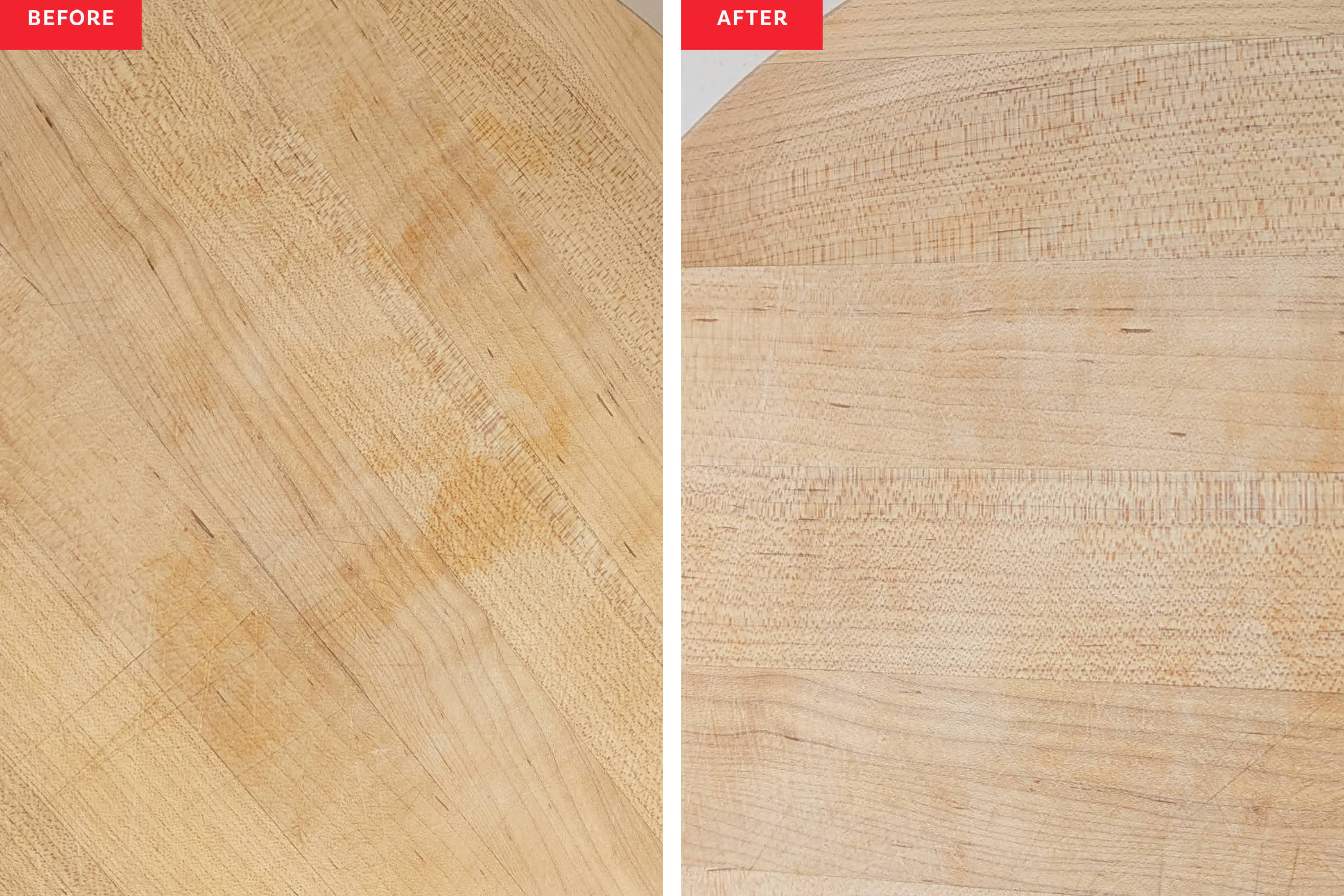
Sanding smooths out scratches and removes stains from your board. Use fine-grit sandpaper for best results.
After sanding, apply a food-safe mineral oil or board conditioner. This protects the wood and stops it from drying out.
- Start with medium-grit sandpaper to remove deep scratches
- Use fine-grit sandpaper to smooth the surface
- Clean the board well before oiling
- Apply oil evenly and let it soak overnight
- Repeat oiling regularly to keep the wood healthy
When To Replace A Cutting Board
Replace your board if deep cracks or large splits appear. These can trap bacteria and cause food safety issues.
If sanding does not fix the damage or the board smells bad, it is time to get a new one.
- Deep cracks that do not close after sanding
- Large pieces of wood missing or splitting
- Persistent odors or stains after cleaning
- Warping or uneven surfaces that affect cutting
Preventing Cross-contamination
Cross-contamination happens when harmful bacteria spread from one food to another. This can cause foodborne illness. Wooden cutting boards need care to stop this.
Using safe practices keeps your kitchen clean. It protects your family from germs and sickness.
Using Separate Boards For Different Foods
Use different wooden boards for raw meat, vegetables, and cooked foods. This stops germs from raw foods spreading to others.
- Keep a board for raw meat and fish only
- Use another board just for fruits and vegetables
- Have a separate board for cooked or ready-to-eat foods
- Label boards or store them in different places to avoid mix-ups
Cleaning Between Uses
Clean wooden boards well after each use. This removes bacteria and food bits. Proper cleaning helps keep your boards safe.
| Cleaning Step | How to Do It |
| Rinse | Use warm water to rinse off food scraps |
| Wash | Scrub with hot, soapy water using a sponge |
| Disinfect | Apply a vinegar solution or mild bleach if needed |
| Dry | Air dry standing up or wipe with a clean towel |
Credit: www.thebambooguy.com

Credit: food52.com
Frequently Asked Questions
How Often Should I Oil My Wooden Cutting Board?
You should oil your wooden cutting board once a month. Regular oiling prevents drying and cracking. Use food-grade mineral oil for best results. This keeps the board smooth and extends its lifespan effectively.
Can I Wash Wooden Cutting Boards With Soap?
Yes, wash wooden cutting boards with mild soap and warm water. Avoid soaking or putting them in a dishwasher. Dry immediately to prevent warping and bacteria growth. Proper cleaning maintains hygiene and board durability.
How Do I Remove Stains From Wooden Cutting Boards?
To remove stains, sprinkle coarse salt and rub with a lemon half. Let it sit for 5 minutes, then rinse and dry. This natural method brightens the wood and eliminates odors without harsh chemicals.
Is It Safe To Use Vinegar To Disinfect Wooden Boards?
Yes, diluted white vinegar is safe for disinfecting wooden boards. Spray or wipe the surface, let it sit for a few minutes, then rinse. Vinegar kills bacteria naturally without damaging the wood.
Conclusion
Caring for wooden cutting boards keeps them strong and safe. Clean boards well after each use to stop germs. Oil them often to avoid cracks and dryness. Use both sides to prevent warping or deep cuts. Fix small scratches with light sanding for smoothness.
With simple care, your board will last many years. Enjoy cooking on a clean, healthy surface every time. A little effort goes a long way. Keep your kitchen tools working their best!