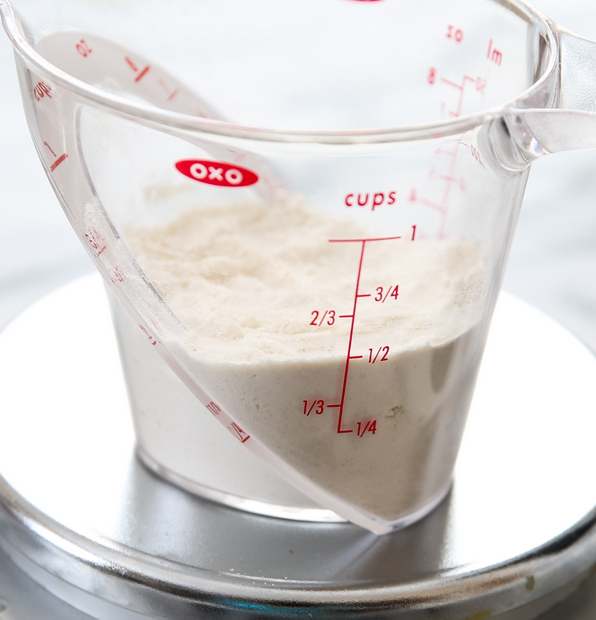
Have you ever found yourself confused about how to measure 2 4 cups using your measuring cups? It might sound tricky, but with a few simple tips, you can master it quickly.
Getting the right measurements is key to making your recipes turn out perfect every time. You’ll discover easy steps to measure 2 4 cups accurately, even if your measuring cups don’t have that exact size. Stick with me, and you’ll never have to guess measurements again!
Choosing The Right Measuring Cups
Measuring cups help you get the right amount of ingredients. Picking the right ones makes cooking easier and more accurate.
There are many types, materials, and sizes to choose from. Knowing these helps you find the best measuring cups for your kitchen.
Types Of Measuring Cups
Measuring cups come in two main types: liquid and dry. Each type fits different ingredients and uses.
- Liquid measuring cups usually have a spout for pouring.
- Dry measuring cups come in sets with fixed sizes.
- Some cups have markings for both dry and liquid measurements.
Material Considerations
Measuring cups are made from plastic, metal, or glass. Each material has pros and cons.
- Plastic cups are lightweight and affordable but can stain.
- Metal cups are durable and easy to clean but may not show measurements clearly.
- Glass cups are good for liquids and allow easy reading of marks.
Sizes You Need
Choose sizes that fit your cooking habits. Common sizes cover most recipes.
- 1 cup (8 ounces) is the standard size for many recipes.
- Smaller sizes like 1/4 and 1/2 cup help with precise measuring.
- Sets with multiple sizes are useful for variety.

Credit: shawnacoronado.com
Measuring Basics
Measuring ingredients correctly is important for cooking and baking. Using the right tools helps get the best results.
This guide explains how to make 2 4 cups with measuring cups. It covers dry and liquid measurements, leveling, and conversions.
Dry Vs Liquid Measurements
Dry and liquid ingredients need different types of measuring cups. Dry cups are usually solid and meant to be filled to the top. Liquid cups have space for pouring and a spout.
- Use dry measuring cups for flour, sugar, and grains.
- Use liquid measuring cups for water, milk, and oil.
- Do not fill liquid cups above the top line to avoid spills.
- Fill dry cups to the brim and level off for accuracy.
Leveling Techniques
Leveling helps get the exact amount of dry ingredients. It removes extra material above the cup’s edge.
Use a flat tool like the back of a knife to level ingredients.
- Scoop the ingredient into the measuring cup.
- Hold the cup steady on a flat surface.
- Use a straight edge to scrape off excess.
- Check that the ingredient is flat with the rim.
Common Measurement Conversions
| Measurement | Equivalent |
|---|---|
| 1 cup | 8 fluid ounces or 16 tablespoons |
| 1/2 cup | 4 fluid ounces or 8 tablespoons |
| 1/4 cup | 2 fluid ounces or 4 tablespoons |
| 1 tablespoon | 3 teaspoons |
| 1 teaspoon | 5 milliliters |
Steps To Measure 2 4 Cups
Measuring 2 4 cups using measuring cups is simple. You only need to combine the right amounts carefully.
Using the correct steps helps you get the exact quantity for your recipes. Let’s look at how to measure each part.
Measuring 2 Cups Accurately
Use a 1-cup or 2-cup measuring cup for accuracy. Fill it to the top without spilling.
Place the cup on a flat surface. Check the liquid or dry ingredient at eye level to ensure it reaches the 2-cup mark.
- Use a solid measuring cup for dry ingredients
- Use a clear cup for liquids
- Level dry ingredients with a flat edge
Measuring 1/4 Cup Precisely
Use a 1/4 cup measuring cup for this step. Fill it fully and level off any extra for dry ingredients.
Hold the cup steady at eye level to make sure the ingredient is even with the rim. This keeps your measurement exact.
- Use a scoop and knife for flour or sugar
- Pour liquids slowly to avoid overfilling
- Check the measurement on a flat surface
Combining Measurements
After measuring 2 cups and 1/4 cup separately, combine them in a larger bowl or container.
Mix gently if the ingredients need to blend. Now you have exactly 2 1/4 cups ready for your recipe.
- Measure 2 cups first, then 1/4 cup
- Pour both into one bowl
- Stir if needed before use
Tips For Accuracy
Measuring ingredients correctly is important for good cooking results. Using the right tools helps you make exact amounts.
This guide shares tips for making 2 4 cup with measuring cups. Follow these steps to get the best results.
Avoiding Common Mistakes
Many people pour ingredients too fast or guess the amount. These mistakes cause wrong measurements.
Measuring dry and liquid ingredients the same way also leads to errors. Be careful to use the right method.
- Do not fill cups above the rim
- Use a flat edge to level dry ingredients
- Place cups on a flat surface for liquids
- Do not pack dry ingredients unless the recipe says
- Measure liquids at eye level
Using Measuring Tools Correctly
Use proper measuring cups for dry and liquid ingredients. Dry cups are usually metal or plastic and liquid cups have a spout.
For 2 4 cup, combine two 1/4 cups or one 1/2 cup measure. Always check the cup markings before pouring.
- Use dry measuring cups for flour, sugar, and powders
- Use liquid measuring cups for water, milk, and oils
- Pour ingredients slowly to avoid overflow
- Check measurements twice for accuracy
Maintaining Your Measuring Cups
Keep your measuring cups clean and in good condition. Dirty or damaged cups can change measurements.
Store cups together to avoid losing any parts. Check for faded markings and replace cups if needed.
- Wash cups after each use
- Dry cups thoroughly to prevent rust
- Store cups in a dry place
- Replace cups with worn or unreadable markings
Quick Measurement Hacks
Measuring cups are great for baking and cooking. Sometimes you need to measure 2 4 cups but don’t have the exact cup size.
These quick hacks help you measure 2 4 cups easily. You can use tools or simple tricks to get the right amount.
Using Alternative Tools
You can use spoons, a kitchen scale, or a liquid measuring cup instead of a 2 4 cup. These tools help when your measuring cups are missing or limited.
- Use tablespoons: 1 cup = 16 tablespoons, so 2 4 cup = 8 tablespoons
- Kitchen scale: weigh ingredients by grams or ounces
- Liquid measuring cup: pour the amount needed, then mark or remember
Estimating When Cups Are Missing
If you do not have any measuring cups, you can estimate with regular kitchen items. Use standard mugs or glasses for rough measurements.
Look for common objects with known sizes to help estimate 2 4 cups. This method works best when you don’t need exact precision.
- Standard coffee mug holds about 1 cup
- Half a mug gives you 1 2 cup
- Fill half of a 1-cup mug for 2 4 cup
- Use a water bottle cap for teaspoons or tablespoons
Adjusting Recipes Easily
You can change recipes by doubling or halving the ingredients. This helps when you only have measuring cups for different amounts.
Use simple math to adjust 2 4 cups into other measures. This keeps your recipe balanced and tasty.
- Double 2 4 cup to get 1 cup
- Half 2 4 cup to get 1 8 cup
- Use tablespoons for small changes (8 tablespoons = 2 4 cup)
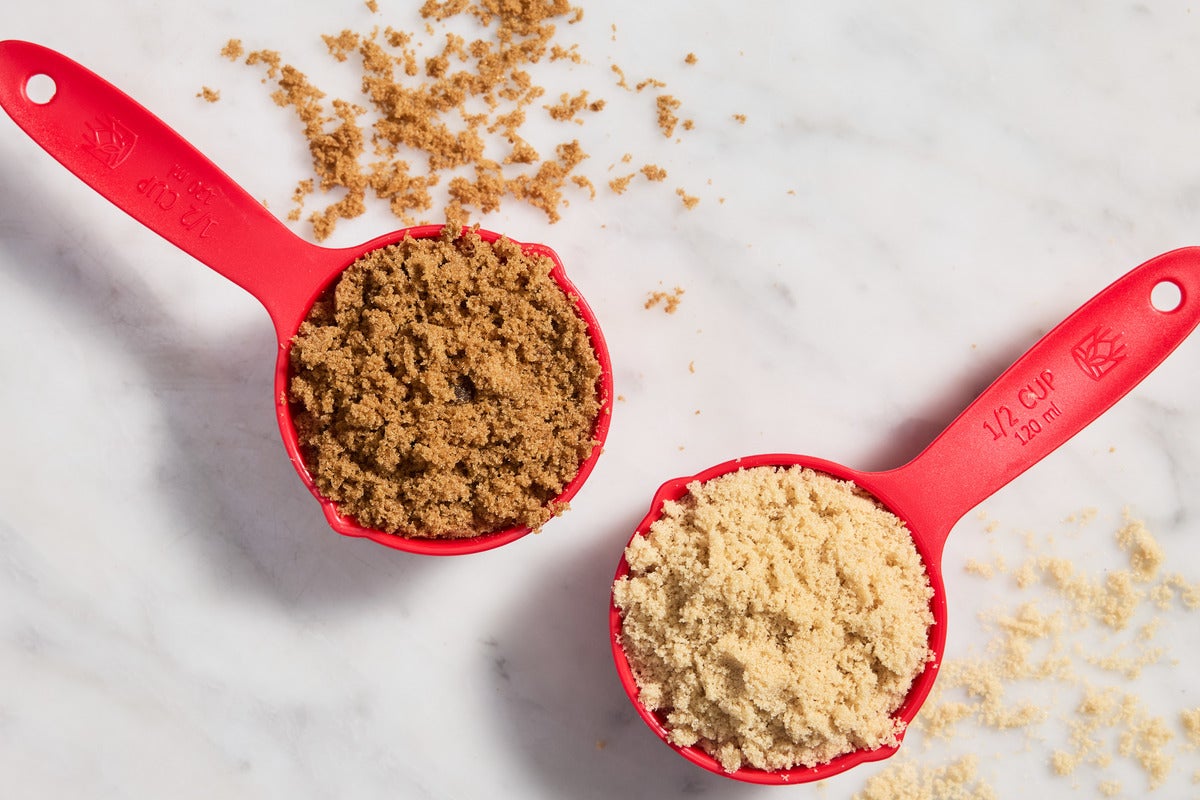
Credit: www.kingarthurbaking.com
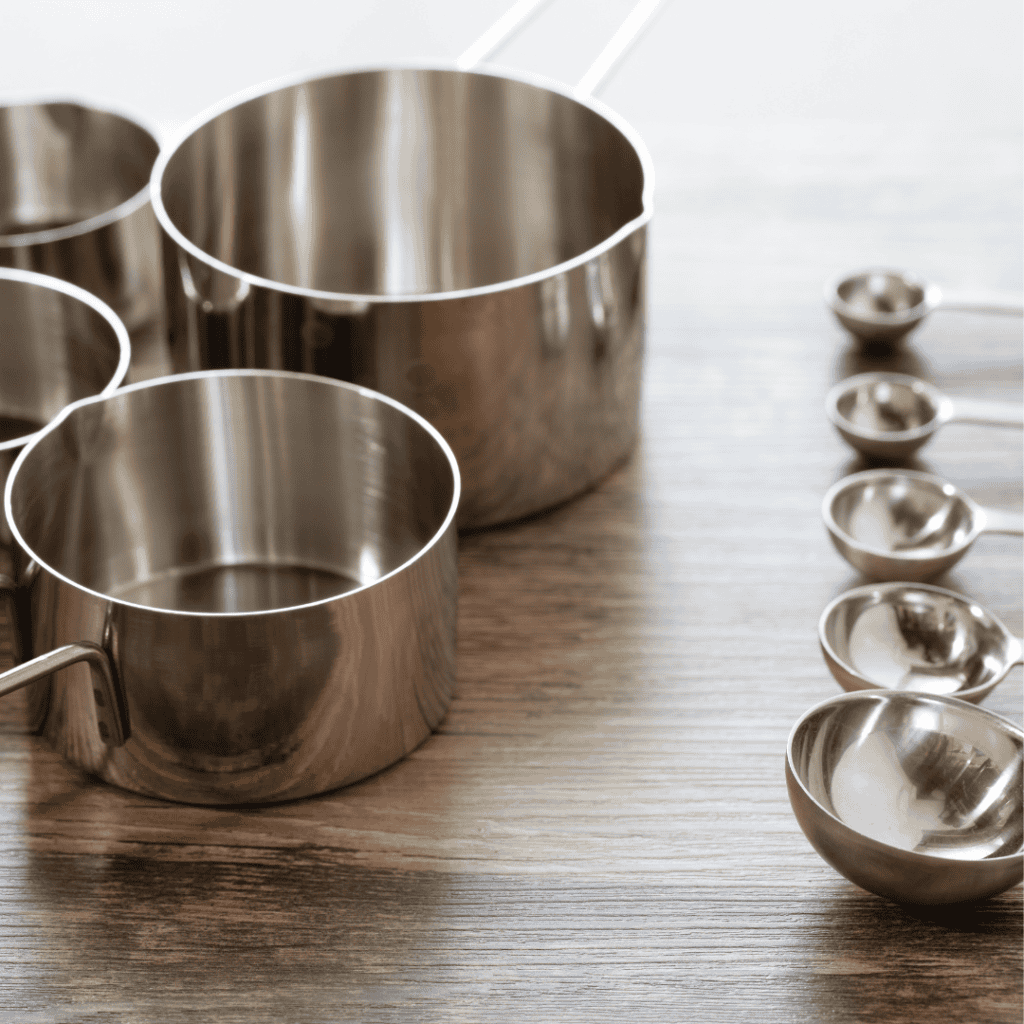
Credit: www.recipesandplaces.com
Frequently Asked Questions
How Do I Measure 2 1/4 Cups With Standard Measuring Cups?
To measure 2 1/4 cups, use two 1-cup measures and one 1/4-cup measure. This ensures accuracy and easy measuring without guesswork.
Can I Use A 1/2 Cup To Make 2 1/4 Cups?
Yes, use four 1/2 cups for 2 cups plus one 1/4 cup. This method is simple and precise for most recipes.
What If I Only Have A 1-cup Measuring Cup?
Fill the 1-cup cup twice for 2 cups. Then add 1/4 cup using a smaller measuring cup or estimate carefully.
Why Is Accurate Measuring Important In Recipes?
Accurate measuring ensures consistent texture and taste. It prevents recipe failure and helps achieve desired cooking results every time.
Conclusion
Measuring ingredients correctly makes cooking easier and tastier. Using measuring cups helps get the right amount every time. You can combine smaller cups to equal 2 ¼ cups with ease. This simple trick saves time and avoids mistakes. Practice a few times to feel confident.
Soon, measuring will become a quick, natural part of cooking. Keep your measuring cups handy and enjoy better results in your recipes. Simple steps lead to better cooking every day.