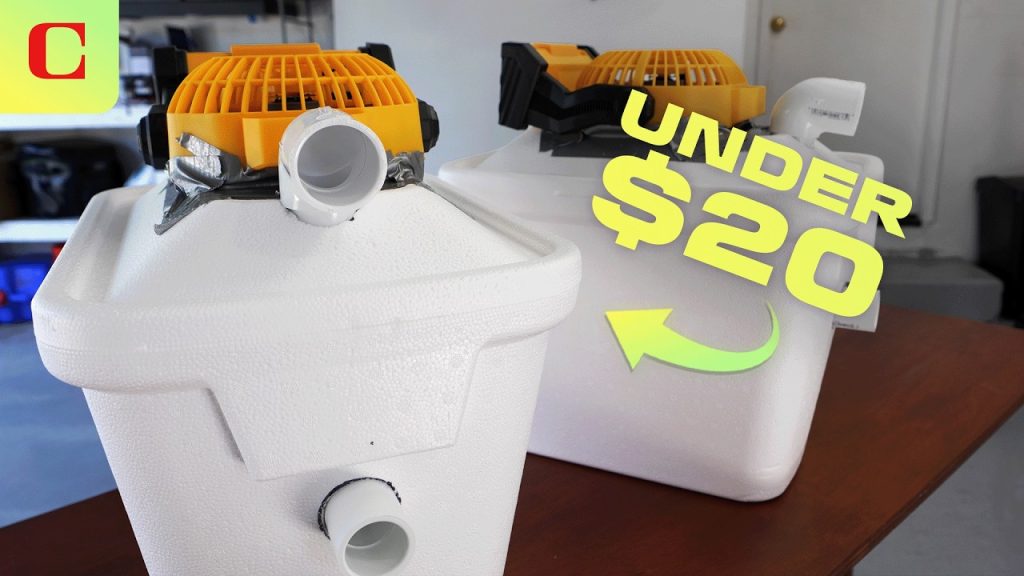
Are you tired of sweating through hot days and high electricity bills? What if you could build your very own air conditioner at home, saving money and staying cool at the same time?
You don’t need to be an expert or spend a fortune to make a simple, effective air conditioner. In this guide, you’ll discover easy steps to create a device that brings refreshing cool air right where you need it. Keep reading—you’re just minutes away from beating the heat with your own DIY air conditioner!
Basic Air Conditioner Components
An air conditioner cools the air inside a room by removing heat. It uses parts that work together to move heat outside.
Knowing the main parts helps you understand how to make a simple air conditioner at home.
Essential Parts Needed
Every air conditioner has a few important parts. These parts help take heat from the air and move it outside.
- Compressor:Pumps refrigerant through the system to carry heat away.
- Condenser Coil:Releases heat from the refrigerant to the outside air.
- Evaporator Coil:Absorbs heat from indoor air to cool the room.
- Expansion Valve:Controls refrigerant flow and lowers its pressure.
- Fan:Moves air over the coils for better heat exchange.
- Refrigerant:A fluid that carries heat as it changes from liquid to gas and back.
Tools Required
You need some basic tools to assemble an air conditioner. These tools help you connect parts safely and correctly.
- Screwdriver set for fastening screws
- Pliers for gripping and bending wires
- Tube cutter to cut copper pipes
- Wrench for tightening nuts and bolts
- Multimeter to check electrical connections
- Safety gloves and goggles for protection

Credit: www.youtube.com
Choosing The Right Materials
Making an air conditioner requires picking the right materials. Good choices help the device cool better and use less energy.
Two important parts to focus on are the cooling elements and insulation options. Both affect how well your air conditioner works.
Cooling Elements
Cooling elements help remove heat from the air. You need materials that can absorb and carry heat away quickly.
- Copper tubing: Good for carrying refrigerant because it cools fast.
- Aluminum fins: Help spread the cool air over a large area.
- Water or ice packs: Simple cooling sources for small, homemade units.
- Fans: Move air across cooling surfaces to speed up cooling.
Insulation Options
Insulation keeps the cold air inside and stops heat from outside. Choosing the right insulation saves energy.
| Material | Benefits | Drawbacks |
| Foam board | Lightweight and easy to cut | Can be expensive |
| Fiberglass | Good heat resistance | Needs protective covering |
| Reflective foil | Blocks radiant heat well | Less effective for conduction |
| Spray foam | Fills gaps tightly | Hard to remove once applied |
Step-by-step Assembly Guide
This guide shows how to make a simple air conditioner. Follow each part carefully to build it correctly.
The air conditioner has three main parts. They are the cooling unit, the fan, and the power supply.
Building The Cooling Unit
Start by preparing the cooling unit. This part cools the air before it moves to the room.
- Get a small fan coil or a copper coil.
- Attach ice packs or frozen water bottles around the coil.
- Use insulation to cover the coil and keep it cold.
- Place a drip tray below to catch melting water.
Setting Up The Fan
The fan moves air over the cooling unit. It helps cool the room faster.
| Step | Action |
| 1 | Choose a small electric fan that fits your unit. |
| 2 | Secure the fan so it blows air directly over the coil. |
| 3 | Make sure the fan is stable and does not wobble. |
| 4 | Check that the fan blades can spin freely without hitting anything. |
Connecting Power Supply
You need to connect power safely to run the fan and cooling unit.
Follow these safety tips:
- Use a power adapter with the right voltage for your fan.
- Connect wires using insulated connectors.
- Keep wires away from water or wet areas.
- Plug the power cord into a grounded outlet.

Credit: uk.style.yahoo.com
Diy Cooling Techniques
Keeping cool without air conditioning can be simple and cheap. You can use everyday items to lower the temperature in your room.
This guide shows easy DIY cooling ideas that anyone can try at home. These methods use ice, fans, and natural evaporation to cool air.
Ice And Fan Method
This method uses ice and a fan to cool the air. The fan blows air over the ice, creating a cooler breeze in the room.
- Fill a bowl with ice cubes or frozen water bottles.
- Place the bowl in front of a fan.
- Turn on the fan to blow air over the ice.
- Enjoy the cooler air as it circulates in your space.
- Replace the ice when it melts for continuous cooling.
Evaporative Cooling Ideas
Evaporative cooling uses water evaporation to reduce air temperature. This method works best in dry climates.
| Method | How It Works | Best Use |
| Wet Cloth | Hang a damp cloth near an open window. Air passing through cools down. | Small rooms with good airflow |
| DIY Cool Mist Fan | Attach a spray bottle to a fan to mist water into the air. | Outdoor spaces or patios |
| Indoor Plants | Plants release moisture into the air, which cools as it evaporates. | Living rooms and bedrooms |
Safety Tips And Precautions
Making an air conditioner requires care to stay safe. You must follow safety rules to avoid accidents. This guide helps you work safely with electricity and materials.
Always prepare your workspace before starting. Keep tools and parts organized. Pay close attention to safety steps to protect yourself and others.
Electrical Safety
Electricity can cause shocks or fires. Use the right tools and check wires for damage. Never work on live circuits and always turn off power first.
- Disconnect power before starting work.
- Use insulated tools to handle wires.
- Wear rubber gloves to avoid shocks.
- Check all wiring for cracks or wear.
- Keep water away from electrical parts.
- Test circuits with a voltage tester before touching.
Handling Materials Safely
Some materials can hurt your skin or eyes. Always wear safety glasses and gloves. Handle sharp or heavy parts with care to avoid cuts or drops.
| Material | Safety Precaution |
| Metal parts | Wear gloves to avoid cuts |
| Chemicals (like refrigerants) | Use in a ventilated area and wear mask |
| Sharp tools | Store safely and handle with care |
| Glass components | Wear eye protection to prevent injury |
Maintenance For Optimal Performance
Keeping your air conditioner well maintained helps it work better. Regular care saves energy and extends its life.
Simple actions can stop problems before they start. This guide explains how to clean and fix common issues.
Cleaning And Upkeep
Cleaning your air conditioner keeps air flowing and cools your home well. Dust and dirt block the system.
Check and clean filters every month. Replace filters if they look worn out or torn.
- Turn off power before cleaning
- Remove and wash filters with soap and water
- Clean the coils gently using a soft brush
- Clear debris around the outdoor unit
- Check the drain line for clogs and clean it
Troubleshooting Common Issues
If your air conditioner is not cooling well, check for simple problems first. Many issues are easy to fix.
Listen for strange noises and watch for leaks. These signs show your AC needs attention.
- Check if the thermostat is set correctly
- Make sure the power is on and circuit breakers are okay
- Clean or replace dirty filters
- Inspect the outdoor unit for dirt or damage
- Check for ice on the coils and let it thaw
- Look for water leaks and clear the drain line
Energy Efficiency Tips
Making an air conditioner that uses less energy saves money. It also helps protect the environment. You can follow simple tips to make your air conditioner energy efficient.
These tips focus on reducing power use and making cooling better. This way, your air conditioner works well without wasting energy.
Reducing Power Consumption
Use parts that need less electricity. Choose a motor that runs smoothly and uses less power. Also, avoid leaks in the system to keep it efficient.
Keep the air filters clean. Dirty filters make the system work harder and use more power.
- Use energy-efficient motors
- Seal all air leaks tightly
- Clean or replace air filters often
- Use a thermostat to control temperature
- Turn off the unit when not in use
Maximizing Cooling Effect
Make sure cool air flows well inside the room. Use fans to spread cool air fast. Keep the air conditioner away from heat sources.
Choose the right size for your air conditioner. A unit too big or too small will waste energy and cool poorly.
- Use fans to move cool air
- Place the unit away from sunlight and heat
- Pick the correct size for your room
- Close windows and doors while cooling

Credit: www.youtube.com
Frequently Asked Questions
How Do You Make A Simple Air Conditioner At Home?
You can make a simple air conditioner using a fan, ice, and a cooler box. The ice cools the air blown by the fan, creating a refreshing breeze. This DIY method is cost-effective and easy for quick cooling in small spaces.
What Materials Are Needed To Build A Basic Air Conditioner?
You need a fan, ice or frozen water bottles, a cooler or insulated box, and some tubing or vents. These materials help circulate cool air by blowing air over the ice, making the environment cooler and comfortable.
Can I Make An Energy-efficient Air Conditioner Myself?
Yes, by using insulated materials and efficient fans, you can reduce energy use. Adding reflective surfaces and sealing leaks improves efficiency. DIY units won’t match commercial ACs but can save electricity in small areas.
How Does A Homemade Air Conditioner Cool The Air?
A homemade AC cools air by blowing it over ice or cold water. The ice absorbs heat, lowering the air temperature. This cooled air is then circulated into the room, providing temporary relief from heat without complex refrigeration.
Conclusion
Building your own air conditioner can be rewarding. It saves money and teaches valuable skills. Follow the steps carefully for the best results. Always prioritize safety when handling tools and materials. With patience, you can enjoy a cool room. Share your experience with friends and family.
They might appreciate your creativity and effort. Keep experimenting and learning new things. The more you practice, the better you become. Stay cool and comfortable this summer. Remember, every small effort counts in making a difference. Enjoy your homemade air conditioner and the satisfaction it brings.