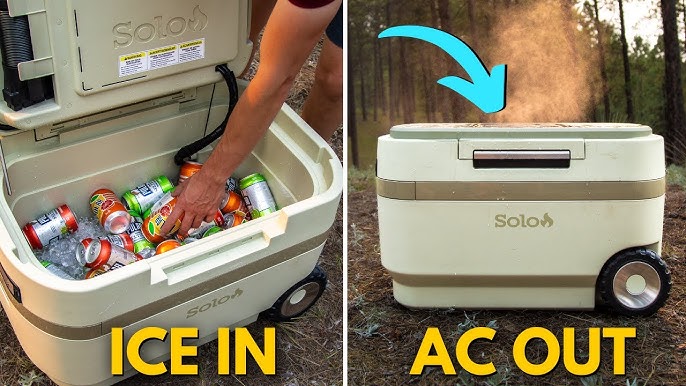
Feeling the heat and wish you had a simple, affordable way to cool down? What if you could turn an ordinary cooler into a mini air conditioner using just a few easy steps?
You don’t need expensive gadgets or complicated tools to create a refreshing breeze right where you are. In this guide, you’ll discover how to make your own air conditioner out of a cooler that actually works. Keep reading, and by the end, you’ll have a cool solution to beat the heat anytime you want.
Materials Needed
Making an air conditioner from a cooler is a simple and fun project. You only need a few materials to get started. These materials help you build a device that cools the air using ice and a fan.
Choosing the right materials is important. It makes sure your cooler air conditioner works well and lasts a long time.
Choosing The Right Cooler
Pick a cooler that is large enough to hold ice and a fan. It should have a tight lid to keep the cold air inside. A plastic cooler works best because it is easy to cut and light to carry.
Look for a cooler with thick walls. Thick walls keep the cold air from escaping. Make sure it has a flat surface on top to hold the fan securely.
- Size: medium to large (around 20-40 quarts)
- Material: plastic with thick insulation
- Lid: fits tightly and flat on top
- Condition: no cracks or damage
Essential Tools And Supplies
You need some basic tools to build your cooler air conditioner. These tools help you cut the cooler and install the fan and other parts safely.
Besides tools, you need supplies like a small fan and ice packs. These parts make the cooler blow cold air. Having all these ready will make your project easier and faster.
- Electric fan (small size, fits on cooler lid)
- Ice packs or bags of ice
- Sharp knife or box cutter
- Drill or screwdriver
- Duct tape or strong adhesive
- Marker or pen (for marking cuts)

Credit: www.youtube.com
Preparing The Cooler
Making an air conditioner from a cooler starts with good preparation. You need to get the cooler ready for the changes.
Preparing the cooler well helps your project work better and last longer. It also keeps the air flowing smoothly.
Cleaning And Inspecting
Clean the cooler inside and out before you start. Dirt and dust can block air flow and damage parts.
Look for cracks or holes in the cooler. Fix any damage to keep air from leaking out.
- Wash the cooler with mild soap and water
- Dry it completely to avoid mold
- Check seals and corners for cracks
- Repair holes with waterproof tape or sealant
Marking And Cutting Air Vents
Mark where the air vents will go on the cooler. Good vent placement helps cool air flow out.
Cut the vents carefully using the right tools. Smooth edges prevent damage and help fit parts.
- Use a pencil to draw vent shapes
- Place vents on opposite sides for airflow
- Cut vents with a sharp knife or saw
- Sand edges to make them smooth
Installing The Fan
Installing the fan is an important step to build your cooler air conditioner. The fan moves air through the cooler, making the space feel cooler.
Choose the right fan and fix it properly for the best airflow and safety.
Selecting A Suitable Fan
Pick a fan that fits the cooler size and moves enough air. A small fan will not cool well. A large fan may not fit or use too much power.
Look for fans that run quietly. This keeps the air conditioner pleasant to use. A USB or small electric fan works well.
- Size should match cooler opening
- Fan speed must be strong but quiet
- Power source should be easy to connect
- Choose a fan with a stable base or mount
Securing The Fan In Place
Fix the fan securely so it does not move or fall. Use screws, clips, or strong tape to hold it. Make sure air flows into the cooler.
Check that the fan blades spin freely without touching the cooler walls. Keep wires neat and safe from water.
- Place the fan at the cooler opening
- Use screws or brackets for a strong hold
- Keep fan blades clear of obstacles
- Secure wires to avoid damage or shorts

Credit: www.bgr.com
Adding Ice Or Cooling Elements
Using ice or cooling elements is key to making a cooler work like an air conditioner. These materials lower the temperature inside the cooler. This helps blow cool air outside.
You can use different types of cooling materials. It is important to place them carefully inside the cooler. This keeps everything safe and effective.
Types Of Cooling Materials
You can use many materials to cool the air. Ice is the most common choice. Other options last longer or are easier to handle.
- Regular ice cubes – easy to find and use
- Frozen water bottles – no mess when they melt
- Gel ice packs – reusable and long-lasting
- Dry ice – very cold but needs careful handling
- Frozen sponges – absorb water and cool air as they dry
Safe Placement Inside The Cooler
Place cooling materials so they do not leak or touch fans directly. This keeps the cooler clean and works better.
Use a tray or container to hold ice or packs. Make sure air can flow around them. Avoid blocking air vents or fan blades.
- Put ice in a sealed bag or container
- Keep frozen bottles upright to avoid spills
- Do not place dry ice directly on plastic parts
- Leave space between cooling items and fan
- Check often for melting water and drain it
Assembling The Unit
Building an air conditioner from a cooler requires careful assembly. This guide covers key steps to help you build a working unit.
Focus on sealing and insulating to keep cool air in. Also, ensure airflow flows smoothly for better cooling.
Sealing And Insulating
Seal all gaps around the cooler lid and where the fan fits. Use weather stripping or foam tape to stop air leaks. Proper sealing keeps the cold air inside.
- Apply weather stripping around the lid edges
- Use silicone sealant for cracks or holes
- Wrap insulation foam around the cooler walls
- Cover the fan edges with foam to block gaps
- Check for leaks by feeling for air flow outside the cooler
Ensuring Proper Airflow
Good airflow moves cool air out and hot air away. Position the fan to blow air across ice or frozen water bottles inside the cooler.
| Component | Placement | Purpose |
| Fan | On the cooler lid | Pushes cool air out |
| Ice Packs or Frozen Bottles | Inside cooler base | Source of cold air |
| Air Vents | Near fan and cooler body | Allow air intake and exhaust |
| Insulation | All around cooler walls | Reduces heat entry |
Operating Tips
Building an air conditioner from a cooler is a smart way to stay cool. To get the best results, you need to operate it correctly. Proper use helps the cooler work well and last longer.
Here are some tips to help you keep your DIY air conditioner running smoothly and to make the most of its cooling power.
Maximizing Cooling Efficiency
To keep the air conditioner working at its best, follow these simple tips. They help increase the cool air and save energy.
- Use ice packs or frozen water bottles inside the cooler for colder air.
- Place the air conditioner near a window or vent for better airflow.
- Keep the cooler lid closed tightly to stop cold air from escaping.
- Run a small fan to blow air over the ice and spread cool air around the room.
- Refill or replace ice regularly to keep the cooling consistent.
Maintaining The Diy Air Conditioner
Regular care keeps your cooler air conditioner working well. Clean and check parts often to avoid problems and keep air fresh.
| Maintenance Task | Frequency | Details |
|---|---|---|
| Clean cooler inside | Weekly | Remove dirt and water stains to prevent mold |
| Check fan operation | Monthly | Make sure the fan spins freely and quietly |
| Replace ice or water | Daily | Use fresh ice or cold water for better cooling |
| Inspect seals | Monthly | Look for cracks or gaps in the cooler lid and fix them |
Safety Considerations
Making an air conditioner from a cooler can be fun but needs care. Safety is very important to avoid injuries or damage.
Follow safety tips closely to keep your project safe and working well.
Electrical Safety Tips
Electric parts can be dangerous if not handled properly. Use these tips to stay safe.
- Always unplug the device before working on it.
- Use insulated tools to avoid electric shocks.
- Check all wires for damage before use.
- Keep electrical parts dry and away from water.
- Use a fuse or circuit breaker for extra protection.
Avoiding Water Damage
Water and electricity do not mix well. Protect your cooler and electric parts from water damage.
| Risk | Prevention |
| Water leakage inside cooler | Seal all joints and cracks tightly |
| Electric parts getting wet | Place electrical components above water level |
| Condensation buildup | Use waterproof covers for wires |
| Rust on metal parts | Use rust-resistant materials or coatings |

Credit: sg.finance.yahoo.com
Troubleshooting Common Issues
Building an air conditioner from a cooler is simple but can have some issues. Knowing how to fix common problems helps you enjoy cool air faster.
This guide covers two main problems you may face and ways to solve them easily.
Fan Not Working Properly
If the fan does not spin or makes strange noises, check these points first.
- Make sure the fan is plugged in and the power source works.
- Look for any blockages stopping the fan blades from turning.
- Clean dust or dirt on the fan motor and blades.
- Check if the fan blades are loose or bent and fix them.
- Try another fan to see if the problem is with the fan itself.
Insufficient Cooling
If the air feels warm or less cool, try these tips to improve cooling.
| Cause | How to Fix |
|---|---|
| Ice melts too fast | Use larger ice blocks or freeze water in advance. |
| Poor air flow | Ensure fan faces the cooler opening and nothing blocks air. |
| Cooler not sealed well | Check lid and edges for gaps and seal with tape. |
| Water level too low | Add cold water to keep ice wet and cool air moving. |
Frequently Asked Questions
How Does A Cooler-based Air Conditioner Work?
A cooler-based air conditioner uses ice and a fan to circulate cool air. The ice absorbs heat, lowering the temperature inside the cooler. The fan then blows this chilled air out, providing a simple and energy-efficient cooling effect.
What Materials Are Needed To Make This Air Conditioner?
You need a portable cooler, ice packs or ice cubes, a small fan, and a power source. Additionally, a cutting tool to create air vents on the cooler is helpful. These materials are affordable and easy to find.
Is This Air Conditioner Effective For Small Rooms?
Yes, it works best in small, enclosed spaces. The cooler air spreads slowly and cools limited areas efficiently. For larger rooms, this DIY air conditioner may not provide sufficient cooling.
How Long Does The Ice Last In The Cooler Ac?
Ice typically lasts between 2 to 4 hours, depending on room temperature. Frequent replacement or using larger ice packs can extend cooling duration. This setup is ideal for short-term or temporary cooling needs.
Conclusion
Creating an air conditioner from a cooler is simple and fun. It’s a practical solution for hot days. You only need a few basic materials. This DIY project is cost-effective and efficient. No complex tools required. Perfect for those who love homemade projects.
Cooling your space without spending much. Ideal for small rooms or outdoor activities. Remember to maintain it well for longer use. Enjoy a cooler environment with your homemade air conditioner. A smart choice for beating the heat. Try it and enjoy the cool breeze!