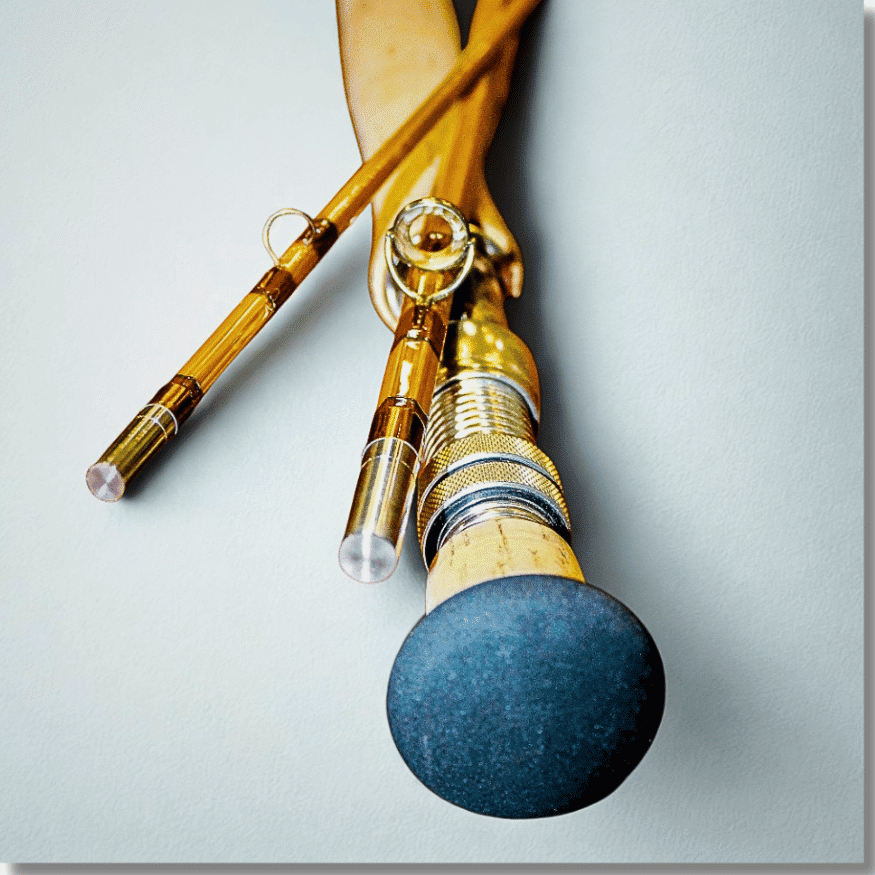
Have you ever dreamed of catching fish with a fishing rod you made yourself? Making a bamboo fishing rod is not only a rewarding craft but also a way to connect deeply with nature and tradition.
Imagine holding a rod that’s lightweight, strong, and unique—crafted by your own hands. In this guide, you’ll discover simple steps and tips to create your very own bamboo fishing rod. Whether you’re a beginner or looking to try something new, this process will surprise you with how satisfying and fun it can be.
Ready to turn bamboo into your next favorite fishing tool? Let’s get started!

Credit: www.youtube.com
Choosing Bamboo For Your Rod
Choosing the right bamboo is important to make a strong fishing rod. The bamboo must be flexible and durable.
Different types of bamboo have different qualities. Picking good bamboo helps your rod last longer and work better.
Types Of Bamboo
There are many types of bamboo. Some are better for fishing rods than others because of their strength and shape.
Tonkin cane is the most popular type for fishing rods. It is strong and has a smooth surface.
- Tonkin cane: Strong and flexible
- Moso bamboo: Thick but less flexible
- Madake bamboo: Light and durable
Selecting Quality Cane
Look for bamboo that is straight and free of cracks. The nodes should be close together for more strength.
Choose bamboo with a smooth surface and a good color. Avoid bamboo with spots or holes.
- Straight without bends
- No cracks or splits
- Close nodes for strength
- Even color without spots
Preparing Bamboo For Use
Cut bamboo into strips and dry them well. Drying stops the bamboo from warping later.
Heat the bamboo to make it flexible. This helps shape the fishing rod without breaking it.
- Split bamboo into thin strips
- Dry strips in the sun or shade
- Use heat to bend the strips
- Smooth the strips with sandpaper
Credit: mysterytacklebox.com
Gathering Essential Tools And Materials
Making a bamboo fishing rod is a fun project. You need the right tools and materials to start.
This guide helps you gather what you need before building your rod.
Basic Tools Needed
You need basic tools to shape and assemble the bamboo rod. These tools help you cut, smooth, and join parts.
- Sharp utility knife or small saw
- Measuring tape or ruler
- Sandpaper in different grits
- Clamps to hold pieces together
- Small hammer or mallet
- Wood glue or strong adhesive
- Drill with small drill bits
Additional Supplies
Besides tools, you need supplies to build and finish your bamboo fishing rod. These materials add strength and style.
- Good quality bamboo poles
- Thread or strong twine for wrapping
- Epoxy or varnish for sealing
- Rod guides and tip-top pieces
- Wood filler or putty for cracks
- Fine paintbrush for applying finishes
Safety Equipment
Safety is important when working with sharp tools and chemicals. Use safety gear to protect yourself.
- Safety goggles to protect eyes
- Work gloves to protect hands
- Dust mask when sanding bamboo
- Apron or old clothes to protect skin
- Well-ventilated workspace for finishes
Designing Your Fishing Rod
Designing a bamboo fishing rod is a fun and rewarding project. You get to create a tool made just for your fishing style.
Good design helps you catch fish more easily. It also makes the rod feel comfortable in your hands.
Determining Rod Length
The length of your rod affects how far you can cast and how easy it is to handle. Short rods are good for close fishing spots.
Long rods help you cast further but can be harder to control. Think about where you will fish before choosing the length.
- Short rods: 4 to 6 feet, best for small streams
- Medium rods: 7 to 9 feet, good for most fishing
- Long rods: 10 feet or more, for casting far
Planning Rod Sections
Bamboo rods can have one or more sections. Single-piece rods are strong and simple. Multi-piece rods are easier to carry.
Plan how many sections your rod will have. Think about transport and storage needs. More sections mean more joints.
- One-piece rods: no joints, very strong
- Two-piece rods: easy to carry, simple joints
- Three or more pieces: very portable, more joints
Selecting Rod Action
Rod action describes how the rod bends when you pull on it. Fast action rods bend near the tip only. Slow action rods bend along most of the rod.
Choose rod action based on the type of fish and fishing style. Fast action rods help with quick hook sets. Slow action rods are better for gentle presentations.
- Fast action: bends near tip, good for big fish
- Medium action: bends from tip to middle, versatile
- Slow action: bends along the whole rod, good for small fish
Shaping The Bamboo
Shaping bamboo is a key part of making a fishing rod. It needs careful work to get the right form and strength. This guide covers how to split, plane, and smooth the bamboo.
Splitting The Cane
Start by splitting the bamboo cane into strips. Use a sharp knife or a cane splitter. Make sure the splits are even and follow the bamboo’s natural lines. Avoid cracking or breaking the cane.
Planing And Tapering
Planing shapes the bamboo strips to the right thickness and taper. Use a hand plane or sanding block to remove thin layers slowly. The taper should be gradual from thick to thin along the rod length.
- Check the thickness at the base and tip.
- Plane evenly on all sides.
- Test the flex by bending gently.
- Adjust the taper for balance and strength.
Sanding And Smoothing
Sanding removes rough spots and makes the rod smooth. Start with coarse sandpaper and move to finer grits. Finish with a clean cloth to wipe away dust.
| Sandpaper Grit | Purpose |
|---|---|
| 80-120 | Remove large bumps and shape |
| 180-220 | Smooth rough surfaces |
| 320-400 | Final smoothing and polish |
Assembling The Rod Sections
Putting together the sections of a bamboo fishing rod is a careful process. It ensures the rod works well and lasts a long time.
This guide covers how to create ferrules, join sections, and check alignment for a strong rod.
Creating Ferrules
Ferrules are the connectors between rod sections. They must fit tight and hold firmly without damage.
- Cut bamboo ends straight and smooth.
- Wrap ferrule material evenly around the ends.
- Use epoxy glue to secure the ferrule in place.
- Let the glue dry fully before handling.
- Sand the ferrule surface for smooth joining.
Joining Sections
Join the rod sections by sliding the ferrules carefully together. Avoid forcing them, or the bamboo may split.
| Action | Details |
| Check fit | Ensure sections slide without wobble |
| Apply wax | Use a little wax on ferrules for smooth join |
| Press gently | Push sections until fully connected |
| Test strength | Twist slightly to confirm secure fit |
Ensuring Alignment
Alignment keeps the rod straight and balanced. Poor alignment causes poor casting and stress on the rod.
Follow these tips for good alignment:
- Lay all sections on a flat surface.
- Match the bamboo nodes and guides across sections.
- Rotate sections slightly until guides line up.
- Check the rod’s straightness from handle to tip.
- Tighten ferrules just enough to hold alignment.
Adding Guides And Reel Seat
Adding guides and a reel seat are key steps in making a bamboo fishing rod. Guides help control the line and improve casting. The reel seat holds the fishing reel firmly in place.
This section explains how to choose guide types, wrap guides with thread, and install the reel seat on your rod.
Choosing Guide Types
Choose guides based on the type of fishing and rod action. Lightweight guides suit fast rods. Stronger guides work for heavy lines and larger fish.
- Single-foot guides are light and flexible.
- Double-foot guides offer more strength and support.
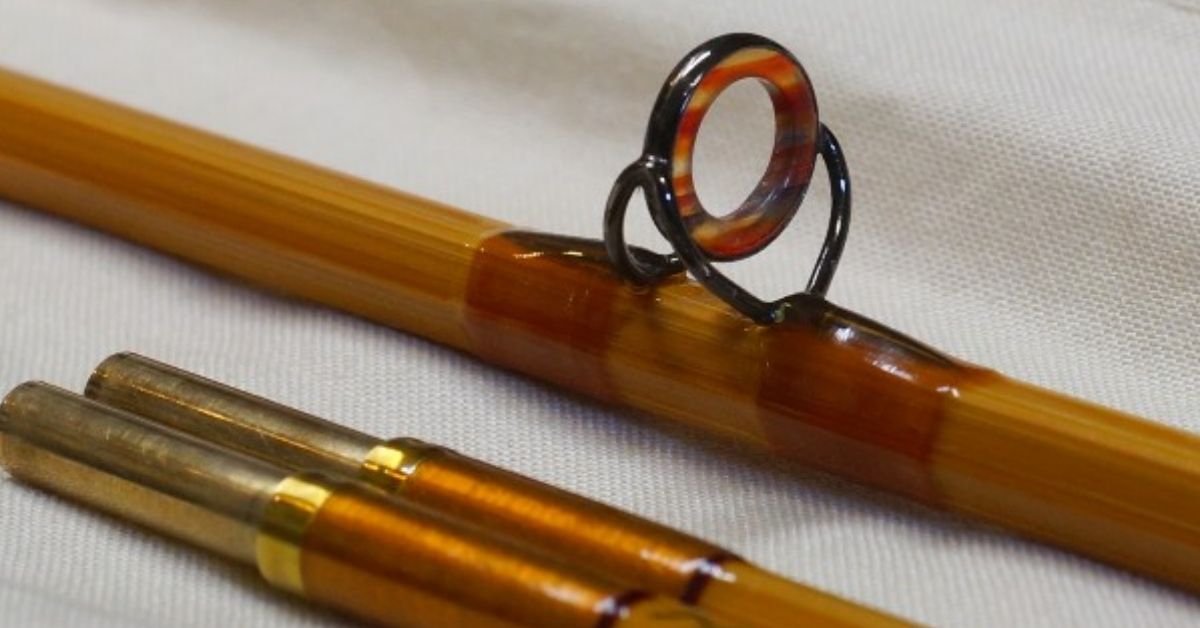
- Tip-top guides protect the rod tip and guide the line.
- Ceramic inserts reduce friction and wear on the line.
Wrapping Guides With Thread
Use strong thread to attach guides firmly. Wrap the thread tightly and evenly to avoid movement. Seal the thread with finish to protect it from water and wear.
| Material | Thread Count | Recommended Finish |
|---|---|---|
| Nylon | 100-120 | Epoxy resin |
| Polyester | 80-100 | UV-resistant varnish |
| Silk | 140-160 | Polyurethane coating |
Installing The Reel Seat
Place the reel seat where it feels comfortable in your hand. Secure it with epoxy glue or strong adhesive. Make sure the seat is aligned with the guides.
- Clean the rod surface before gluing.
- Apply glue evenly on the reel seat and rod.
- Slide the reel seat into position and hold firmly.
- Let the glue dry for 24 hours before use.
Finishing Touches
The finishing touches make your bamboo fishing rod strong and nice looking. These steps protect the rod and help it last longer.
Focus on applying a finish, letting it dry well, and checking the rod carefully at the end.
Applying Varnish Or Finish
Apply a clear varnish or finish to the bamboo surface. This layer protects the rod from water and damage.
Use a soft brush to spread the varnish evenly. Cover the entire rod, including the joints and handle.
- Choose a marine or spar varnish for water resistance
- Apply thin coats to avoid drips and runs
- Let each coat dry before adding the next
- Use at least three coats for good protection
Curing And Drying
Let the varnish dry in a dust-free area. This helps keep the rod smooth and shiny.
Curing can take several days. Avoid touching the rod during this time to prevent marks.
- Keep the rod in a warm, dry place
- Turn the rod occasionally to dry all sides evenly
- Do not rush the drying process
- Check that the varnish feels hard before use
Final Inspection
Check the rod carefully after it dries. Look for rough spots, cracks, or missed areas.
Fix small problems by sanding lightly and adding a thin finish coat. Make sure guides and handle are secure.
- Inspect all sections of the rod
- Test the flexibility and strength gently
- Ensure all parts are tight and smooth
- Prepare the rod for fishing use
Testing And Using Your Rod
After making your bamboo fishing rod, testing it is important. Testing helps you see if the rod works well and feels right.
Using the rod properly will give you a better fishing experience. Learn how to cast, care for, and fix the rod if needed.
Casting Techniques
Hold the rod firmly but not too tight. Keep your wrist steady and use smooth motions when casting.
Start with short casts to get a feel for the rod. Practice longer casts as you gain confidence.
- Keep your elbow close to your body
- Use your forearm and wrist to control the rod
- Release the line smoothly at the right moment
- Practice in an open space without obstacles
Care And Maintenance
Keep your bamboo rod dry after use. Water can damage the wood and weaken the rod.
Store the rod in a cool, dry place. Avoid leaving it in direct sunlight or damp areas.
- Wipe the rod with a soft cloth after fishing
- Check guides and bindings for damage regularly
- Apply light oil or varnish to protect the bamboo
- Loosen the line tension when storing the rod
Troubleshooting Common Issues
If the rod feels too stiff or too flexible, check the bamboo for cracks. Small cracks can weaken the rod.
Loose guides or wrappings can cause line problems. Tighten or rewrap them carefully.
- Cracks: Sand lightly and apply wood glue or varnish
- Loose guides: Use thread and epoxy to fix them
- Line tangles: Check the reel and guides for damage
- Rod tip breaks: Replace with a new tip or use tape temporarily
Credit: www.microskiff.com
Frequently Asked Questions
How Do You Select Bamboo For A Fishing Rod?
Choose bamboo that is straight, mature, and free from cracks. Tonkin bamboo is ideal due to its strength and flexibility. Proper drying and curing are essential to prevent warping and ensure durability.
What Tools Are Needed To Make A Bamboo Fishing Rod?
Basic tools include a saw, knife, sanding paper, heat source for bending, and strong glue. You also need thread for wrapping and a varnish for finishing. These tools help shape, join, and protect the rod.
How Long Does It Take To Make A Bamboo Fishing Rod?
Making a bamboo fishing rod typically takes several days. This includes cutting, drying, shaping, and assembling. Patience is key to ensure each step is done correctly for a quality rod.
Can Beginners Make A Bamboo Fishing Rod Successfully?
Yes, beginners can make a bamboo fishing rod with patience and proper guidance. Following detailed instructions and practicing techniques improves skill. Starting with simple designs helps build confidence and craftsmanship.
Conclusion
Crafting your bamboo fishing rod is rewarding. It connects you with nature. Each step enhances skills. Patience is key. Bamboo offers strength and flexibility. Perfect for fishing adventures. Enjoy the process. Feel the satisfaction of a rod made by hand.
This journey teaches craftsmanship. Also, it provides a personal touch. Your fishing experience becomes unique. Share stories of your creation. Inspire others to try. Remember, practice makes perfect. Keep improving your technique. Happy fishing with your bamboo rod!