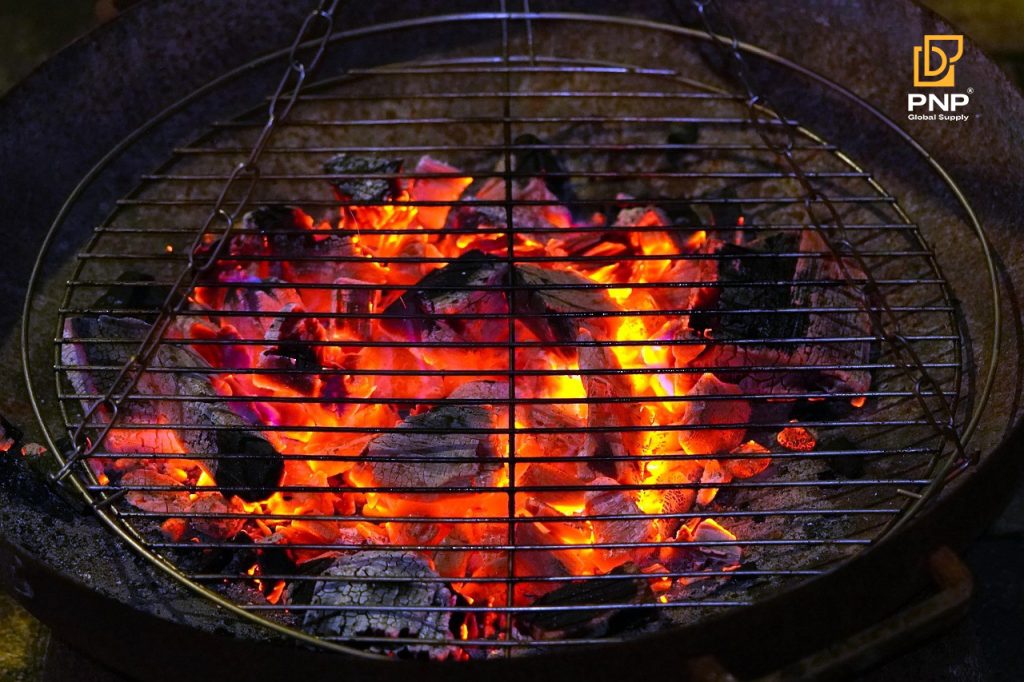
If you’ve ever struggled to get your charcoal grill hot enough, you know how frustrating it can be. You want those perfect sear marks and juicy flavors, but the fire just won’t cooperate.
What if you could turn your grill into a blazing heat source every time, quickly and easily? This guide will show you simple, proven tricks to make your charcoal grill hot and ready for grilling success. Keep reading, and you’ll be firing up like a pro in no time.
Choosing The Right Charcoal
Making a charcoal grill hot starts with choosing the right charcoal. The type of charcoal you use affects the heat and flavor of your food. Let’s explore the options.
You will find different types of charcoal in stores. Each type has its own advantages. Understanding these can help you make better grilling choices.
Types Of Charcoal
There are two main types of charcoal: lump charcoal and briquettes. Each type has unique characteristics that affect grilling.
- Lump charcoal is made from natural wood pieces.
- Briquettes are made from compressed sawdust and additives.
Benefits Of Lump Vs Briquettes
Lump charcoal heats up quickly and burns hotter. It is great for high-heat grilling. It also produces less ash.
Briquettes burn longer and provide consistent heat. They are ideal for slow cooking and smoking. They are also easy to light.
| Feature | Lump Charcoal | Briquettes |
| Heat | Hotter | Consistent |
| Burn Time | Shorter | Longer |
| Ash Production | Less | More |

Credit: www.reddit.com
Preparing Your Grill
Getting your charcoal grill ready is important before lighting it. Good preparation helps the grill heat evenly.
Proper steps make cooking easier and safer. Start with cleaning and arranging the charcoal well.
Cleaning The Grill Grate
Clean grill grates remove old food and ash. This stops flavors from mixing and avoids flare-ups.
Use a grill brush or scraper to clean the grate. Do this before you add charcoal and light the fire.
- Heat the grill slightly to loosen stuck food
- Scrape off residue with a grill brush
- Wipe the grate with a damp cloth if needed
- Check for rust or damage and replace if necessary
Arranging The Charcoal Bed
Arrange charcoal so air flows well. Good airflow helps the coals get hot and stay hot.
Choose your charcoal layout based on your cooking style. Spread it evenly for steady heat or pile it for high heat.
- Pile charcoal in a mound for quick, high heat
- Spread charcoal evenly for steady, medium heat
- Leave space for air to circulate under the charcoal
- Use a chimney starter to light charcoal evenly
Ignition Techniques
Getting your charcoal grill hot starts with good ignition. Using the right technique saves time and smoke.
Choose a safe and easy way to light the coals. This helps you cook better food.
Using A Chimney Starter
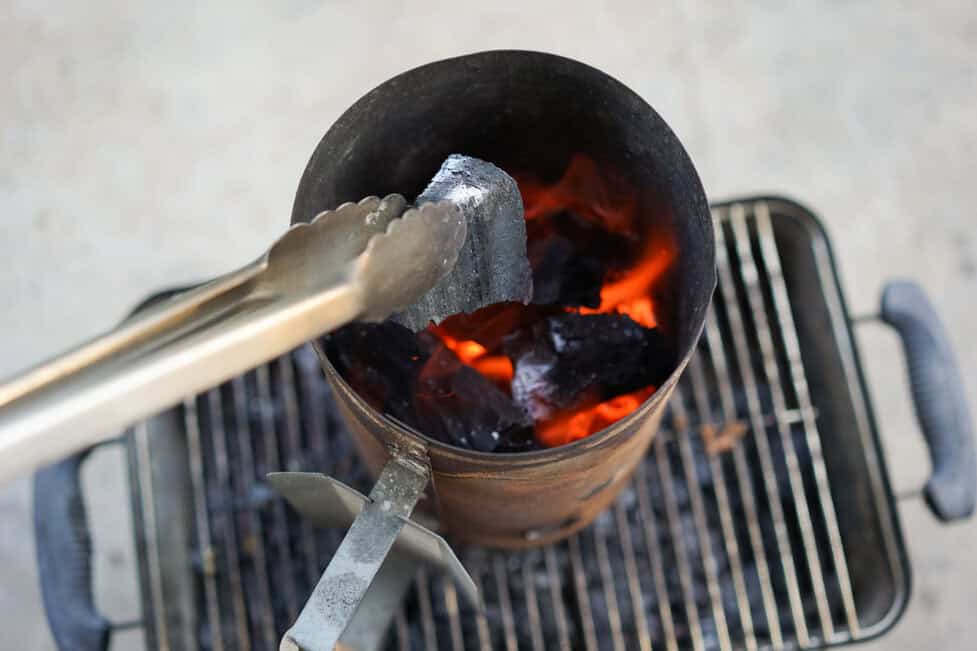
A chimney starter is a metal tube with holes that helps light charcoal evenly. It uses air flow to burn coals fast.
Fill the chimney with charcoal. Place paper or natural fire starters under it. Light the paper to start the fire.
- Wait 10 to 15 minutes for coals to turn gray
- Pour hot coals into the grill
- Arrange coals for direct or indirect heat
Lighting With Fire Starters
Fire starters are small blocks that help ignite charcoal safely. They burn long and steady to light coals well.
Place fire starters among the charcoal. Light them with a match or lighter. Let the fire spread to the coals.
- Use natural fire starters for less smoke
- Do not use too many to avoid flare-ups
- Keep grill lid open for air flow
Avoiding Lighter Fluid
Lighter fluid can cause flare-ups and affect food taste. It is best to avoid using it on charcoal.
Choose safer ignition methods like chimney starters or fire starters. They keep your grill hot without chemicals.
- Lighter fluid can create harmful fumes
- It may leave a chemical flavor on food
- Use air flow and natural starters instead
Managing Airflow
Controlling airflow is key to making a charcoal grill hot. The right amount of oxygen helps the fire burn stronger and steadier.
By adjusting your grill’s vents, you can control the heat and cook your food perfectly. Let’s look at how to manage airflow well.
Adjusting Vents For Optimal Oxygen
Vents let air enter and exit the grill. Opening vents increases oxygen flow and heat. Closing them lowers heat by reducing oxygen.
- Open the bottom vents to let air feed the charcoal.
- Keep the top vents open to let smoke and heat escape.
- Close vents slightly to lower temperature.
- Fully open vents to raise temperature quickly.
- Adjust vents slowly to avoid sudden heat changes.
Controlling Heat Zones
Heat zones help you cook different foods at the right temperature. Use airflow to create hot and cool zones on your grill.
| Zone | Charcoal Placement | Vent Setting |
| High Heat | Charcoal piled thick | Vents wide open |
| Medium Heat | Charcoal spread out | Vents half open |
| Low Heat | Charcoal on one side only | Bottom vents mostly closed |
Maintaining High Heat
Keeping your charcoal grill hot is key to cooking food well. High heat helps sear meat and lock in juices. You need to manage charcoal and flames during cooking.
This guide covers two ways to keep your grill hot: adding charcoal during cooking and using grill tools to control flames.
Adding Charcoal During Cooking
Adding fresh charcoal keeps the heat strong through a long cook. Use dry, fully lit coals to avoid smoke and low heat.
- Wait until the fire cools slightly before adding charcoal.
- Place new charcoal near the hot coals, not on cold ash.
- Use a chimney starter to light charcoal quickly and evenly.
- Spread the new coals to keep heat balanced across the grill.
- Close the lid to keep heat inside and help coals ignite.
Using Grill Tools To Control Flames
Grill tools help you control airflow and flames. Managing air keeps coals burning hot without flare-ups.
| Tool | Purpose | How to Use |
| Grill Lid | Control oxygen flow | Close to raise heat, open slightly to lower |
| Vents | Adjust airflow | Open vents fully for more heat, close to reduce |
| Tongs | Move coals safely | Shift coals to hot spots or spread evenly |
| Spray Bottle | Control flare-ups | Lightly spray water on flames to reduce flare |

Credit: www.ice.edu
Safety Tips For Hot Flames
Grilling with charcoal creates high heat and open flames. It is important to follow safety rules to avoid accidents and injuries.
Knowing how to handle charcoal and prevent flare-ups keeps you and others safe around the grill.
Handling Charcoal Safely
Always use charcoal in a well-ventilated area to avoid harmful smoke buildup. Keep lighter fluid away from children and never add it to hot coals.
- Use long-handled tools to handle charcoal.
- Wear heat-resistant gloves to protect your hands.
- Keep a bucket of water or fire extinguisher nearby.
- Dispose of ashes only after they are completely cool.
Preventing Flare-ups
Flare-ups happen when fat drips onto hot coals. They can cause burns or damage food. Control flare-ups to keep grilling safe.
| Cause | Prevention |
| Fat drippings | Trim excess fat from meat |
| Grease buildup | Clean grill grates regularly |
| Too much charcoal | Use moderate amount of charcoal |
| High flames | Move food away from direct flames |
Credit: www.hungryhuy.com
Frequently Asked Questions
How Do You Start A Charcoal Grill Quickly?
To start a charcoal grill quickly, use a chimney starter. Fill it with charcoal, light the paper underneath, and wait 15 minutes. When coals are ashy, spread them evenly for consistent heat. Avoid lighter fluid for cleaner flavor and safer grilling.
What Is The Best Charcoal For High Heat?
Lump charcoal is best for high heat. It lights faster, burns hotter, and produces less ash than briquettes. Hardwood lump charcoal provides intense, natural heat ideal for searing and grilling. Choose quality brands for longer-lasting, consistent flames.
How Long Does It Take For Charcoal To Get Hot?
Charcoal typically takes 15 to 20 minutes to get hot. Wait until the coals are covered with a gray ash layer. This indicates they are ready for cooking. Avoid grilling on black or red-hot coals to prevent uneven heat and flare-ups.
Can I Control Grill Temperature With Air Vents?
Yes, adjusting air vents controls grill temperature. Opening vents increases oxygen, raising heat. Closing vents limits airflow, lowering temperature. Use the top and bottom vents together for precise temperature control during grilling or smoking.
Conclusion
Getting your charcoal grill hot takes patience and the right steps. Start with dry charcoal and arrange it well. Use a chimney starter or lighter fluid carefully. Airflow matters—open vents help heat spread fast. Wait until coals turn grayish-white before cooking.
This way, you get steady, strong heat for grilling. Remember, safety counts when handling fire and hot coals. With these tips, your grill will be ready for great meals every time. Enjoy cooking and the tasty results!