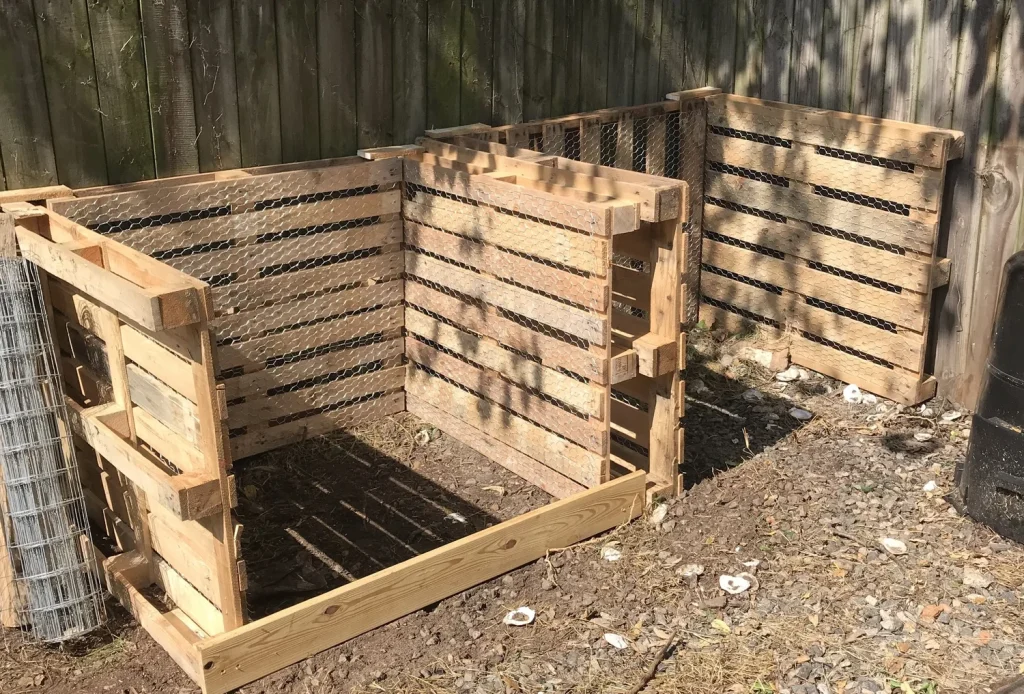
Are you looking for a simple, affordable way to turn your kitchen scraps and yard waste into rich, healthy soil? Making a compost bin out of pallets might be the perfect solution for you.
Not only is it easy to build, but it also helps reduce waste and nourishes your garden naturally. Imagine transforming ordinary wooden pallets into a powerful tool that boosts your plants’ growth and saves you money on fertilizers. Keep reading, and you’ll discover step-by-step how to create your own compost bin quickly and effectively—no special skills or expensive materials needed.
Your garden will thank you!
Choosing The Right Pallets
Using pallets to build a compost bin is a smart way to recycle wood. Choosing the right pallets helps make a strong and safe bin.
Not all pallets are good for compost bins. It is important to pick pallets that are safe and sturdy.
Identifying Safe Pallets
Some pallets may have harmful chemicals or treatments. Look for stamps that show safe use.
- Choose pallets marked with “HT” for heat treated wood.
- Avoid pallets with “MB,” which means they were treated with methyl bromide.
- Pick pallets without chemical stains or spills.
- Use pallets made from natural, untreated wood if possible.
Checking For Damage
Check each pallet for cracks, broken boards, and nails. Damaged pallets can make your bin unsafe.
| Damage Type | What to Look For | Action |
| Cracks | Large splits in wood boards | Discard or repair before use |
| Loose Nails | Nails sticking out or missing | Hammer nails back or replace |
| Rot | Soft, crumbly wood | Avoid using these pallets |
| Warping | Boards bent out of shape | Choose flat pallets for stability |
Selecting The Best Size
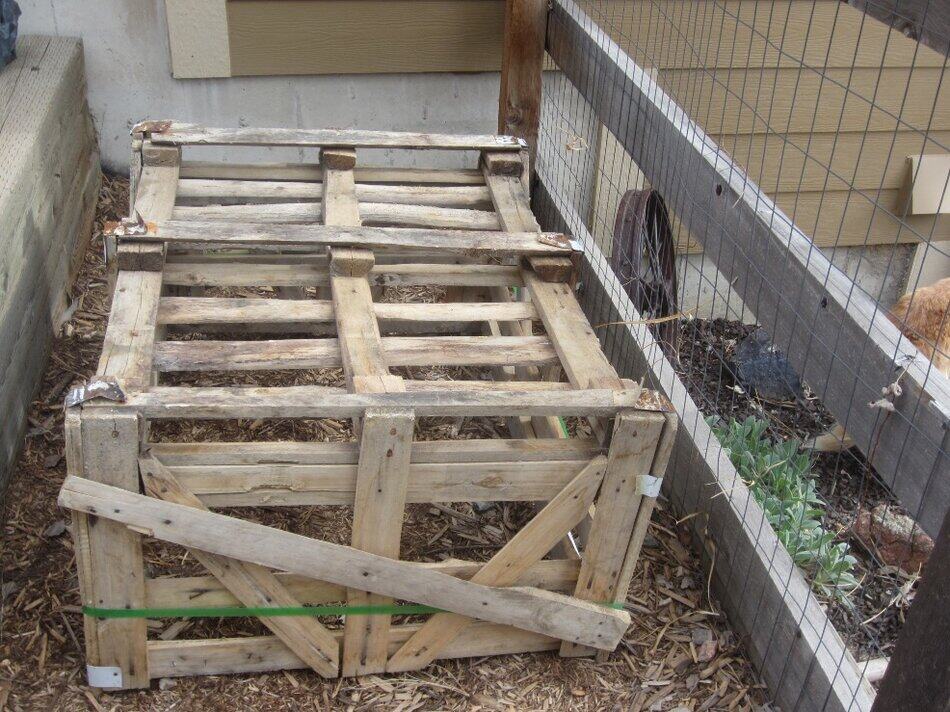
Pick pallets that fit your compost space and needs. Size affects how much compost you can hold.
- Standard pallets measure about 48 by 40 inches.
- Choose pallets tall enough to hold the compost pile.
- Use pallets of the same size for easier assembly.
- Make sure the pallet size fits the spot where you will place the bin.
Credit: homefixated.com
Gathering Tools And Materials
Making a compost bin from pallets is a simple and eco-friendly project. Before starting, you need to gather the right tools and materials.
Having everything ready will make building the compost bin easier and faster. Here is what you need to collect.
Essential Tools
You need a few basic tools to build your compost bin. These tools help you cut, join, and secure the pallets safely.
- Hammer – to drive nails and fit pieces together
- Screwdriver or drill – to insert screws quickly
- Measuring tape – to measure pallets and space
- Handsaw or circular saw – to cut pallets if needed
- Work gloves – to protect your hands from splinters
Additional Supplies
Besides tools, gather some supplies to build a strong and durable compost bin. These will help hold pallets together and improve the bin’s function.
- Pallets – clean and sturdy wooden pallets for the bin walls
- Nails or screws – to join pallets securely
- Hinges (optional) – for a door to access the compost
- Wire mesh (optional) – to line the bin and keep pests out
- Sandpaper – to smooth rough pallet edges
Preparing The Pallets
Making a compost bin from pallets is a great way to recycle. First, you need to prepare the pallets for building. This involves cleaning, sanding, and cutting them to size.
Proper preparation ensures your compost bin will last longer. Let’s start by getting the pallets ready for assembly.
Cleaning And Sanding
Cleaning and sanding pallets is important for safety and durability. Dirt and splinters can be hazardous. Clean surfaces make the bin look better too.
- Use a hose to rinse off dirt and debris.
- Apply a mild soap solution for tough stains.
- Let the pallets dry completely.
- Sand rough edges to avoid splinters.
Cutting To Size
Once the pallets are clean and smooth, cutting them to size is the next step. This ensures they fit together well when building the bin.
Make sure all sides are even. This makes assembly easier and the structure stable.

Credit: www.familyhandyman.com
Assembling The Bin
Building a compost bin from pallets is a simple project. It helps recycle yard and kitchen waste. This guide focuses on putting the parts together for a sturdy bin.
Follow these steps carefully to make sure the bin lasts and works well. You will learn how to arrange the pallets, secure the structure, and add a cover.
Arranging The Pallets
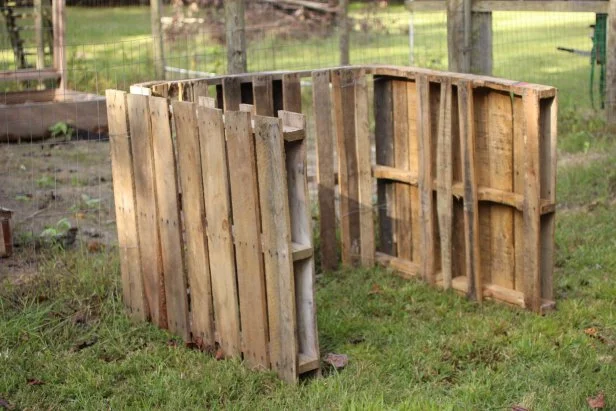
Start by selecting four pallets that are in good condition. Place them upright to form a square or rectangle shape. This will be the frame of your compost bin.
- Put two pallets parallel on the ground as the base sides.
- Stand the other two pallets up to connect the base sides and form corners.
- Check that the pallets line up evenly and create a solid shape.
- Leave a gap at the front for easy access to the compost.
Securing The Structure
Use strong screws or nails to connect the pallets tightly. This keeps the bin stable and safe from falling apart. Fasten each corner firmly.
| Tool | Purpose | Tip |
| Drill or Hammer | Attach pallets | Pre-drill holes to avoid wood splitting |
| Wood Screws or Nails | Secure corners | Use weather-resistant types |
| Brackets (optional) | Reinforce joints | For extra strength |
Adding A Lid Or Cover
Covering your compost bin helps retain heat and moisture. You can make a simple lid from an extra pallet or plywood sheet.
- Hinged pallet lid for easy opening
- Removable plywood cover
- Plastic tarp secured with bungee cords
Choosing The Location
Picking the right spot for your compost bin helps it work well. The location affects how fast the compost breaks down and how easy it is to manage.
Consider sunlight, access, and the ground before placing your pallet compost bin.
Sunlight And Shade
Your compost bin needs some sunlight but not too much. Sunlight helps heat the compost, which speeds up decomposition.
Too much sun can dry out the compost. Shade keeps moisture in and stops the bin from overheating.
- Place the bin where it gets morning sun
- Avoid full afternoon sun in hot weather
- Light shade during the hottest part of the day is best
Accessibility
Choose a location easy to reach. You will add scraps and turn the compost often.
Good access makes it simple to use a pitchfork or shovel around the bin.
- Place near your kitchen or garden
- Keep space clear around the bin for tools
- Make sure the area is easy to walk on
Ground Preparation
Prepare the ground before setting the pallets. A level and firm base helps keep the bin stable.
Good drainage stops water from pooling under the bin and keeps the compost healthy.
- Clear grass and weeds from the spot
- Level the ground by adding soil or sand if needed
- Consider laying a wire mesh to keep pests away
- Make sure water drains away from the bin
Starting Your Compost
Making a compost bin from pallets is a smart way to recycle and grow healthy soil. Starting your compost right helps you get rich, dark compost faster. You only need a few things to begin.
Focus on what to add, how to keep it moist, and how to turn it. These steps help break down materials quickly and keep bad smells away.
Adding Green And Brown Materials
Green materials add nitrogen to the compost. Brown materials add carbon. Both are important for good compost. Too much of one can slow the process.
- Green materials: vegetable scraps, coffee grounds, grass clippings
- Brown materials: dry leaves, straw, cardboard, small branches
- Mix green and brown materials in roughly equal amounts
- Chop or shred large pieces to help them break down faster
Maintaining Moisture
Moisture is key for compost to break down. The pile should feel like a damp sponge. Too dry and decomposition stops. Too wet and it smells bad.
| Moisture Level | Effect |
|---|---|
| Too Dry | Slow breakdown, dry materials |
| Just Right | Active decomposition, no bad smells |
| Too Wet | Smelly, slimy, slow breakdown |
Add water using a spray bottle or hose if dry. Cover the bin during heavy rain to avoid too much water.
Turning The Compost
Turning your compost adds air and mixes materials. This helps microbes work faster and stops smells.
- Use a garden fork or shovel to lift and mix the pile
- Turn the compost every one to two weeks
- Check moisture after turning and add water if needed
- Keep turning until compost looks dark and crumbly
Troubleshooting Common Issues
Building a compost bin from pallets is simple and eco-friendly. Still, some problems can happen while composting.
Knowing how to fix common issues helps keep your compost healthy and useful for your garden.
Dealing With Odors
Bad smells come from too much wet or green material in the bin. This stops the compost from breaking down well.
To reduce odors, add dry brown materials like leaves or shredded paper. Turn the pile often to add air.
- Add dry leaves or straw to absorb moisture
- Mix the compost regularly to let air in
- Avoid adding too much food waste at once
- Keep the bin covered but allow airflow
Managing Pests
Pests like rats and flies come to compost bins with food scraps. They can spread germs and make a mess.
Keep pests away by using a tight pallet structure and covering fresh scraps with brown material. Avoid meat or dairy in the bin.
- Use pallets that fit tightly to close gaps
- Cover food scraps with dry leaves or soil
- Do not add meat, bones, or dairy products
- Check the bin often and remove pests if needed
Balancing Moisture Levels
Compost needs the right amount of moisture. Too dry, and it stops breaking down. Too wet, and it smells bad.
Check the compost by squeezing a handful. It should feel like a damp sponge, not dripping water.
- Add water with a spray if the compost is too dry
- Add dry materials like straw if the compost is too wet
- Mix the compost to spread moisture evenly
- Place the bin in a shaded area to control drying
Credit: www.hgtv.com
Harvesting Finished Compost
After using pallets to build your compost bin, you will want to know when the compost is ready. Harvesting finished compost helps your garden grow strong. Proper timing and collecting methods make the process easy and efficient.
Good compost is dark, crumbly, and smells like earth. Learning how to tell when it is done and how to gather it will help you get the best results from your compost bin.
Knowing When It’s Ready
Finished compost looks different from fresh scraps. It should be dark brown or black and feel soft. The smell should be fresh and like soil, not bad or rotten.
The compost should also be cool to the touch. If it feels warm, it still needs time to break down. You might also see fewer recognizable bits of food or leaves.
- Dark color like rich soil
- Crumbly and soft texture
- Earthy, fresh smell
- Cool temperature
- Few or no visible scraps
How To Collect Compost
To collect your compost, open your pallet bin carefully. Use a garden fork or shovel to lift the compost from the bottom or sides. Avoid disturbing any unfinished compost on top.
Place the collected compost into a container or spread it directly in your garden beds. You can sift the compost to remove large pieces that need more time to break down. Store leftover compost in a dry place until you use it.
- Open the compost bin gently
- Use a fork or shovel to collect compost
- Remove only the dark, finished compost
- Sift to separate large pieces
- Store leftover compost in a dry spot
Frequently Asked Questions
How Do I Build A Compost Bin From Pallets?
To build a compost bin, secure four pallets into a square shape. Use nails or screws for stability. Leave gaps for airflow and easy access. This simple structure allows efficient composting by keeping materials contained and aerated.
What Materials Do I Need To Make A Pallet Compost Bin?
You’ll need four wooden pallets, nails or screws, a hammer or drill, and optional hinges. Choose pallets in good condition for durability. These basic materials help create a sturdy, functional compost bin for your garden.
How Long Does Compost Take In A Pallet Bin?
Compost typically takes 2 to 6 months to mature. Factors like temperature, moisture, and materials affect timing. Turning the pile regularly speeds decomposition. A pallet bin provides good airflow, helping compost break down efficiently.
Can I Compost Food Scraps In A Pallet Bin?
Yes, you can compost food scraps like vegetable peels and coffee grounds. Avoid meat, dairy, and oily foods to prevent pests. The pallet bin keeps scraps contained while allowing proper airflow for decomposition.
Conclusion
Building a compost bin from pallets is simple and affordable. It helps reduce waste and creates rich soil for plants. Pallets are easy to find and turn into a useful garden tool. Regularly add kitchen scraps and yard waste for best results.
Turning the compost speeds up the process. Soon, you will have natural fertilizer ready to use. Start your compost bin today and watch your garden grow healthier. It’s a small effort with great rewards.