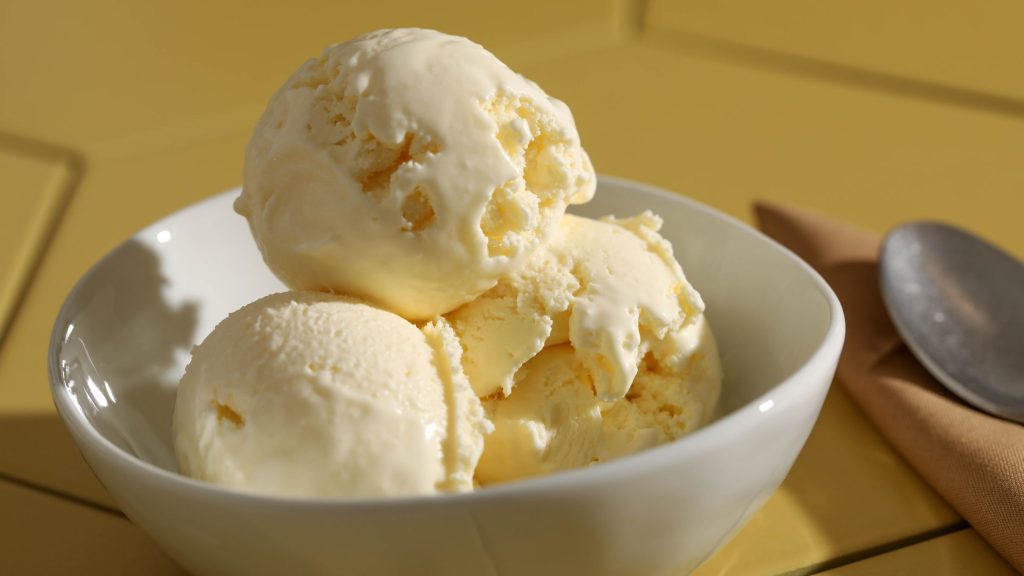
Craving a creamy, rich treat that melts perfectly in your mouth? Making custard ice cream at home is easier than you think, and once you try it, you’ll never want to buy store-bought again.
Imagine the smooth texture and deep flavor you can create with just a few simple ingredients. In this guide, you’ll discover step-by-step how to make custard ice cream that tastes like it came from a fancy ice cream shop—right in your own kitchen.
Ready to impress your taste buds and your friends? Let’s dive in.

Credit: www.allrecipes.com
Ingredients Needed
Fresh eggs, sugar, cream, milk, and vanilla are essential for making smooth custard ice cream. These simple ingredients blend to create a rich, creamy treat.
Creating custard ice cream at home is a delightful experience that brings the creamy texture and rich flavors of a classic dessert right to your kitchen. The magic begins with understanding the ingredients needed. Choosing the right components isn’t just about following a recipe; it’s about crafting a taste that resonates with you and your loved ones. Let’s dive into the essentials that will make your custard ice cream unforgettable.Dairy Choices
The foundation of any ice cream is its dairy. Whole milk and heavy cream are your go-to options for a rich and creamy base. For a lighter version, you might consider using half-and-half, but remember, it may alter the texture. It’s essential to use fresh ingredients, as the quality of your dairy directly influences the smoothness of your ice cream.Eggs And Yolks
Egg yolks are key to achieving that silky texture custard ice cream is known for. They not only thicken the mixture but also add a rich flavor. Crack the eggs carefully, ensuring no shells get into your mix. Using fresh eggs ensures a vibrant yellow hue and a wholesome taste.Sweeteners And Flavorings
Sugar is the traditional sweetener, but you can experiment with alternatives like honey or maple syrup for a unique twist. Consider adding vanilla extract for a classic touch or explore other flavors like almond or mint for something different. Remember, the balance of sweetness and flavorings can make or break your ice cream, so taste as you go and adjust to your preference. Crafting custard ice cream is an art. It’s a blend of choosing the right ingredients and trusting your palate. What flavors will you bring to your next batch?Preparing The Custard Base
Preparing the custard base is the heart of making rich, creamy custard ice cream. This stage requires patience and attention to detail, as the texture and flavor depend largely on how well you handle the mixture. Let’s break down the process into manageable steps that anyone can follow.
Heating The Milk And Cream
Start by gently heating your milk and cream together. Use medium heat to avoid scalding the dairy, which can affect the final taste.
Heat until you see tiny bubbles forming around the edges—but don’t let it boil. This slow warming helps the custard thicken evenly later on.
Mixing Egg Yolks And Sugar
While the milk and cream are warming, whisk your egg yolks and sugar in a separate bowl. Whisk until the mixture turns pale and slightly thickened.
This step is crucial because the sugar helps break down the yolks, ensuring a smooth, silky texture in the custard base.
Tempering The Eggs
Tempering prevents your eggs from scrambling when combined with hot milk. Slowly pour a small amount of the warm milk mixture into the egg yolks while whisking constantly.
Once combined, gradually add the tempered eggs back into the saucepan with the remaining milk and cream. Keep stirring over low heat until the custard thickens enough to coat the back of a spoon.
Cooking The Custard
Cooking the custard is a crucial step in making smooth and creamy ice cream. The custard forms the base, giving richness and flavor. It needs careful attention to get just right. The goal is to thicken the mixture without cooking the eggs too fast.
Stirring And Thickening
Stir the mixture constantly to prevent burning. Use a wooden spoon or heat-safe spatula. Move gently but steadily, scraping the bottom and sides of the pan. The custard will slowly thicken as it heats. Watch for a smooth, creamy texture that coats the back of the spoon. This signals it is ready for the next step.
Checking The Temperature
Use a kitchen thermometer to check the custard’s heat. Aim for around 170°F to 175°F (77°C to 80°C). This is hot enough to thicken but not so hot to scramble the eggs. Remove the pan from heat at the right moment. If the custard gets too hot, it can ruin the texture.
Avoiding Curdling
Slow heat and constant stirring help avoid curdling. Do not rush by turning the heat too high. Add warm milk or cream gradually to keep the temperature steady. If curdling starts, take the pan off the heat immediately. Strain the custard through a fine sieve to smooth it out. This saves the mixture and keeps the ice cream creamy.
Cooling And Chilling
Cooling and chilling are key steps in making smooth custard ice cream. Proper cooling helps prevent bacteria growth and improves the texture. Chilling also allows flavors to blend well. Skipping these steps can cause icy or grainy ice cream. Patience pays off here.
Straining The Custard
Strain the custard through a fine mesh sieve. This removes any cooked egg bits or lumps. It ensures a silky smooth base for your ice cream. Use a spatula to press the custard gently through the sieve. Discard solids left behind. Straining makes a big difference in texture.
Rapid Cooling Techniques
Cool the custard quickly to avoid bacterial growth. Use an ice bath by placing the bowl of custard over another bowl with ice and cold water. Stir the custard often to speed cooling. This keeps the custard safe and prevents overcooking. Avoid putting hot custard directly in the fridge.
Chilling Time
Chill the custard in the refrigerator for at least 4 hours. Overnight chilling is even better. Cold custard churns into creamier ice cream. The chilling helps the custard thicken and develop flavor. Cover the bowl to prevent the custard from absorbing fridge odors.
Churning The Ice Cream
Churning is the crucial step that transforms your smooth custard base into creamy, dreamy ice cream. It’s where the magic of texture and air incorporation happens, turning a simple mixture into a luscious treat. Getting this step right ensures your ice cream isn’t icy or dense but perfectly soft and scoopable.
Using An Ice Cream Maker
An ice cream maker takes most of the hard work out of churning. Pour your chilled custard base into the machine and let it run according to the manufacturer’s instructions. The rotating paddle stirs the mixture while cold air circulates, preventing ice crystals from forming.
Keep an eye on the consistency as you churn. Usually, it takes about 20-30 minutes for the ice cream to reach a soft-serve texture. If your machine has a timer, use it, but also trust your senses—look for a thick, creamy appearance.
Manual Churning Tips
If you don’t have an ice cream maker, don’t worry—you can still churn by hand. Pour your custard into a shallow, freezer-safe container and place it in the freezer. Every 30 minutes, take it out and stir vigorously with a whisk or fork.
- Scrape the sides and mix in any frozen bits.
- Break up ice crystals to keep the texture smooth.
- Repeat this process for 2-3 hours until the ice cream is firm but scoopable.
This method requires patience and elbow grease but gives you full control over the texture. Have you ever tried this? You might find it surprisingly satisfying and meditative.
Achieving The Right Texture
Texture depends on how well you incorporate air and prevent large ice crystals. Churning at a steady pace allows tiny ice crystals to form, creating a creamy mouthfeel. If you churn too little, the ice cream will be icy and hard.
Temperature plays a big role too. Churn your custard base well chilled, and keep your equipment cold if possible. After churning, freeze the ice cream for a few hours to firm up without losing smoothness.
Ask yourself: does your ice cream feel creamy or crunchy? Adjust your churning time or stirring frequency next time to get closer to your perfect scoop.
Serving And Storing
Serving and storing custard ice cream affects its texture and taste. Proper care keeps it fresh and delicious. This section explains how to serve and store your homemade custard ice cream for the best experience.
Soft Serve Vs. Firm Ice Cream
Custard ice cream can be served soft or firm. Soft serve is smooth and easy to scoop. It melts quickly and tastes creamy. Firm ice cream is harder and holds shape well. It needs time to soften before eating. Choose your style based on preference and occasion.
Best Containers For Storage
Use airtight containers to keep ice cream fresh. Plastic or glass containers with tight lids work best. Avoid containers that are too large to prevent air exposure. Small containers help keep ice cream from melting and refreezing. Store ice cream flat to reduce ice crystals forming on top.
Shelf Life And Freezing Tips
Custard ice cream lasts about 2 weeks in the freezer. Keep the temperature steady and below 0°F (-18°C). Avoid opening the freezer often to prevent temperature changes. Wrap the container with plastic wrap before closing the lid for extra protection. Let ice cream soften a few minutes before serving for the best texture.
Flavor Variations
Custard ice cream offers a rich, creamy base that welcomes a variety of flavors. Experimenting with different additions can transform your homemade treat into something uniquely yours. Whether you prefer subtle enhancements or bold tastes, these flavor variations can help you customize your ice cream experience.
Classic Vanilla
Vanilla is the heart of traditional custard ice cream. Using whole vanilla beans instead of extract adds depth and a natural aroma that you can see as tiny black flecks in the cream. A tip from my own kitchen: scrape the seeds from the pod and steep them in warm milk for 30 minutes before making your custard. This step intensifies the vanilla flavor without overpowering the delicate custard base.
Chocolate And Coffee Twists
Adding chocolate or coffee turns your custard into a decadent dessert. Melt high-quality dark chocolate and stir it into the warm custard base for a smooth chocolate ice cream. For coffee lovers, dissolve instant espresso powder into the milk before heating. Have you ever tried combining both? A swirl of mocha can surprise your taste buds and make your ice cream unforgettable.
Fruit And Nut Additions
Fresh fruits and crunchy nuts bring texture and brightness to custard ice cream. Blueberries, strawberries, or mango chunks folded in after churning offer bursts of natural sweetness. Toasted almonds, pecans, or pistachios add a satisfying crunch. Think about what you enjoy most—do you prefer a fruity zing or a nutty finish? Adding these mix-ins last keeps their texture perfect and their flavors distinct.

Credit: www.food.com
Troubleshooting Common Issues
Making custard ice cream can be tricky. Many face common issues that affect the texture and taste. Knowing how to fix these problems helps you enjoy creamy, smooth ice cream every time.
Grainy Texture Fixes
Grainy custard ice cream usually means the eggs cooked too fast. Heat the mixture gently over low heat. Stir constantly to prevent curdling. Strain the custard before chilling to remove any lumps. Chilling the mixture thoroughly before freezing helps create a smooth texture.
Overcooked Custard Solutions
Overcooked custard tastes bitter and thick. To avoid this, cook the custard slowly and watch the temperature. Use a thermometer and keep it below 180°F (82°C). If overcooked, try whisking the custard while warm to smooth it out. You can also add a little milk to loosen thick custard before chilling.
Ice Crystals Prevention
Ice crystals form when the ice cream freezes unevenly. Chill the custard completely before churning. Use an ice cream maker for even freezing and better texture. Store ice cream in an airtight container to reduce ice crystal growth. Press a piece of plastic wrap directly on the surface before sealing the container.

Credit: www.cuisinart.com
Frequently Asked Questions
What Ingredients Are Needed For Custard Ice Cream?
You need eggs, sugar, milk, cream, and vanilla. These create a rich, creamy custard base. Fresh ingredients ensure the best flavor and texture.
How Do You Make Custard Ice Cream Step-by-step?
Heat milk and cream, whisk eggs with sugar, temper eggs with hot milk, cook until thick, cool, then churn. Freeze until firm for perfect custard ice cream.
Can I Make Custard Ice Cream Without An Ice Cream Maker?
Yes, use a freezer-safe container and stir every 30 minutes. This prevents ice crystals and creates a smooth texture. It requires more time but works well.
Why Is Tempering Eggs Important In Custard Ice Cream?
Tempering prevents eggs from scrambling by slowly raising their temperature. This ensures a smooth custard base. It’s crucial for creamy, silky ice cream texture.
Conclusion
Making custard ice cream at home is fun and rewarding. You only need simple ingredients and patience. The creamy texture and rich flavor are worth the effort. Try different flavors to find your favorite. Enjoy your homemade treat with family and friends.
This recipe brings joy in every scoop. Keep practicing, and your skills will improve. Homemade custard ice cream beats store-bought every time. Give it a try and taste the difference.