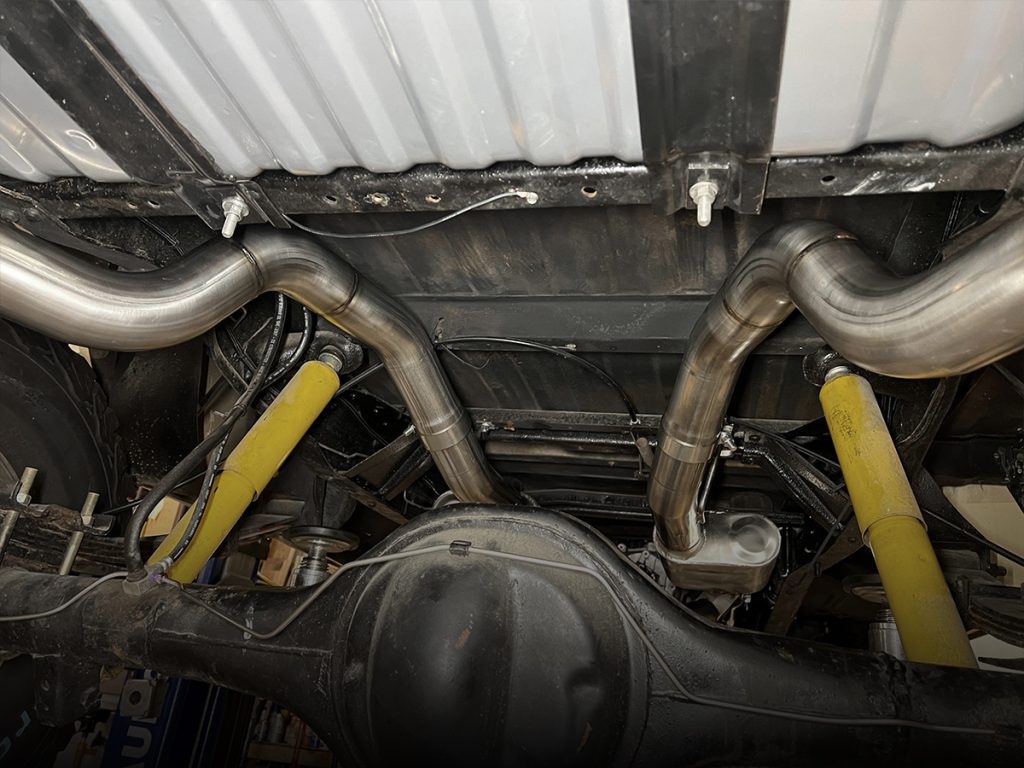
Are you looking to boost your vehicle’s performance and give it a unique sound? Building a custom exhaust system might be exactly what you need.
Imagine the thrill of a deeper roar and improved engine power every time you hit the gas. In this guide, you’ll discover simple steps to create an exhaust system tailored just for your ride. Whether you want better fuel efficiency, a sportier tone, or a personal touch, this article will walk you through the process clearly and confidently.
Ready to transform your driving experience? Let’s get started!

Credit: www.reddit.com
Benefits Of A Custom Exhaust
A custom exhaust system changes how your car breathes out gases. It replaces the factory system with parts made just for your engine. This can help your car perform better and sound different.
Many drivers choose custom exhausts for several good reasons. These upgrades can improve power, sound, and even fuel use.
Improved Engine Efficiency
A custom exhaust helps your engine push out gases faster. This reduces back pressure and lets air flow freely. The engine can work with less effort and stay cooler.
- Better air flow lowers engine stress
- Exhaust gases leave quicker
- Engine parts last longer due to less heat
Enhanced Sound Quality
Custom exhausts change the sound your car makes. You can get a deeper, louder, or smoother tone. This depends on the parts and design you pick.
Common sound types from custom exhausts:
- Deep rumble for muscle cars
- Sharp growl for sport cars
- Quiet smooth hum for daily drivers
Increased Horsepower And Torque
Custom exhausts help your engine make more power. They reduce blockages so the engine can breathe better. This adds horsepower and torque for better speed and pulling force.
| Factor | Effect on Power |
| Reduced back pressure | Increases horsepower |
| Smooth exhaust flow | Boosts torque |
| Better engine breathing | Enhances throttle response |
Fuel Economy Advantages
A custom exhaust can improve fuel use by making the engine more efficient. With less work to breathe, the engine burns fuel cleaner. This means you can drive farther on one tank.
Choosing The Right Materials
Making a custom exhaust system starts with picking the right materials. The material affects how long the system lasts and how well it performs.
Different metals offer unique benefits and challenges. Knowing these helps you choose what fits your needs best.
Stainless Steel Vs. Mild Steel
Stainless steel resists rust and lasts longer than mild steel. It costs more but needs less maintenance. Mild steel is cheaper but can rust quickly if not protected well.
- Stainless steel is strong and corrosion-resistant.
- Mild steel is easy to work with and affordable.
- Stainless steel keeps its look and strength over time.
- Mild steel may need coatings to avoid rust.
Titanium And Other Exotic Options
Titanium is very light and strong. It also resists heat well. Exotic metals like Inconel offer high performance but cost a lot. These materials are best for high-end or racing exhausts.
| Material | Weight | Strength | Cost |
| Titanium | Light | Very Strong | High |
| Inconel | Medium | Very Strong | Very High |
| Stainless Steel | Heavy | Strong | Medium |
| Mild Steel | Heavy | Moderate | Low |
Heat Resistance And Durability
Exhaust systems face high heat. Materials must handle this heat without warping or breaking. Durability ensures the system works well for many years.
- Choose materials with high melting points.
- Look for corrosion resistance to avoid rust.
- Consider how the material handles expansion from heat.
- Durable materials reduce repair and replacement costs.
Essential Tools And Equipment
Building a custom exhaust system needs the right tools. Good tools make the job easier and safer.
This guide covers the main tools for cutting, measuring, bending, and safety.
Cutting And Welding Gear
Cutting and welding tools shape and join metal parts. You will need a reliable cutting tool to trim pipes. Welding gear helps you connect parts securely.
- Angle grinder with cutting discs
- Oxy-acetylene torch or plasma cutter
- MIG or TIG welder
- Welding helmet with auto-darkening lens
- Welding gloves and apron
Measuring And Bending Tools
Accurate measuring and bending tools help fit pipes perfectly. They ensure smooth bends without cracks.
| Tool | Purpose |
| Tape measure | Measure pipe lengths |
| Angle finder | Check bend angles |
| Pipe bender | Make smooth bends |
| Marker | Mark cutting and bending points |
| Calipers | Measure pipe diameter |
Safety Equipment
Safety gear protects you from sparks, fumes, and sharp edges. Always wear proper equipment during work.
- Safety goggles or face shield
- Heat-resistant gloves
- Respirator or dust mask
- Ear protection
- Flame-resistant clothing
- Fire extinguisher nearby

Credit: www.youtube.com
Planning The Exhaust Layout
Making a custom exhaust system starts with careful planning. This helps the exhaust work well and fit the vehicle.
You need to think about pipe lengths, airflow, and where to mount the parts. Good planning saves time and effort later.
Measuring Pipe Lengths
Measure the distance from the engine to the back of the car. This shows how long the pipes should be.
Use a flexible tape to follow the path the exhaust will take. Add extra length for bends and joints.
- Start at the exhaust manifold outlet
- Follow the frame or chassis line
- Include space for bends and flanges
- Measure twice to avoid mistakes
Designing For Optimal Flow
Design the exhaust to let gases flow smoothly. This improves engine power and sound.
Avoid sharp bends and sudden changes in pipe size. Use gradual curves and consistent diameter pipes.
- Use mandrel bends for smooth curves
- Keep pipe diameter steady along the length
- Minimize sharp turns and restrictions
- Plan for proper muffler and resonator placement
Clearance And Mounting Points
Check the space around the exhaust system. Pipes must not touch the body or moving parts.
Find strong places to attach hangers and mounts. Secure mounting stops vibrations and damage.
- Keep pipes away from fuel lines and brake lines
- Leave space for heat expansion
- Use rubber hangers to reduce vibration
- Mark mounting points before cutting pipes
Fabrication Steps
Making a custom exhaust system takes careful work. You need the right tools and materials.
This guide shows key steps to build your own exhaust system from start to finish.
Cutting And Shaping Pipes
First, cut the pipes to the needed lengths. Use a pipe cutter or saw for clean cuts.
Next, shape the pipes to fit your vehicle. Bending tools help create smooth curves.
- Measure carefully before cutting
- Use a pipe bender for curves
- Deburr edges to avoid rough spots
Welding Techniques
Welding joins the pipes securely. Use a MIG or TIG welder for best results.
Clean the pipe ends before welding. This helps create strong, clean welds.
- Wear protective gear for safety
- Use tack welds to hold pipes in place
- Make continuous welds for strength
Assembling Components
After welding, fit all parts together. Check alignment to avoid leaks or rattles.
Use clamps or flanges to connect pieces. Tighten all connections before final installation.
- Test fit before final tightening
- Seal joints with high-temp gasket if needed
- Secure hangers to support the system
Installing The Custom Exhaust
Installing a custom exhaust system improves your vehicle’s sound and performance. It takes careful steps to do it safely and correctly.
Follow this guide to remove the old system, mount the new parts, and check for leaks. Use the right tools and work in a safe space.
Removing The Stock System
Start by raising the vehicle with a jack and securing it with stands. Let the exhaust cool if the car was recently used. Next, spray penetrating oil on bolts and clamps to loosen rust and dirt.
- Disconnect oxygen sensors carefully to avoid damage.
- Remove bolts connecting the exhaust to the manifold and hangers.
- Lower the exhaust system slowly and set it aside.
- Inspect mounting points for rust or damage before installing new parts.
Mounting The New Exhaust
Align the new exhaust parts under the vehicle. Start mounting from the front and move toward the rear. Use new gaskets and clamps to ensure a tight fit.
- Attach the exhaust manifold to the new pipes.
- Secure the pipes with clamps and bolts, but do not fully tighten them yet.
- Hang the exhaust on rubber mounts to reduce vibration.
- Adjust the position to avoid contact with the frame or suspension.
- Tighten all bolts and clamps evenly once alignment is good.
Leak Testing And Adjustments
Check the new exhaust for leaks and proper fit. Start the engine and listen closely for unusual sounds. Use a rag or your hand near joints to feel for escaping air.
| Leak Test Method | Purpose | Action |
|---|---|---|
| Visual Check | Look for soot marks | Inspect joints and clamps |
| Sound Check | Hear hissing or popping | Listen closely with engine running |
| Hand Test | Feel escaping air | Place hand near joints carefully |
| Smoke Test | Detect hidden leaks | Use smoke machine if available |
Fix leaks by tightening clamps or replacing gaskets. Adjust hangers if the exhaust touches other parts. Retest until no leaks remain and the system fits well.
Tuning For Maximum Performance
Building a custom exhaust system can boost your vehicle’s power. Proper tuning helps get the best results.
Tuning adjusts how your engine uses fuel and air. This improves efficiency and performance.
Adjusting Fuel Maps
Fuel maps control how much fuel your engine gets at different speeds. Adjusting these maps matches fuel flow to your new exhaust.
Good fuel maps help your engine run smoothly and avoid damage. They ensure the right fuel mix for power and efficiency.
- Use tuning software to access fuel maps
- Increase fuel slightly for higher airflow
- Check for engine knocking or rough running
- Fine-tune maps after testing
Monitoring Exhaust Gas Temperatures
Exhaust gas temperature (EGT) shows how hot gases are after combustion. Monitoring EGT helps prevent engine damage.
High EGT means the engine runs too lean or too hot. Keeping EGT in safe ranges protects engine parts and improves performance.
- Install EGT sensors near the exhaust manifold
- Use a gauge or data logger to watch temperatures
- Adjust fuel or timing if EGT is too high
- Keep EGT below manufacturer limits
Dyno Testing
A dynamometer measures your engine’s power output. Dyno testing shows how your custom exhaust affects performance.
Use dyno data to adjust tuning for better power and torque. Testing helps you find the best settings for your setup.
- Run baseline dyno test before changes
- Test after installing custom exhaust
- Adjust fuel maps and timing based on results
- Repeat tests to confirm improvements
Credit: www.kitplanes.com
Common Mistakes To Avoid
Building a custom exhaust system takes skill and care. Avoiding common mistakes helps your system work well and last longer.
Some errors can reduce power, cause leaks, or break laws. Watch out for these issues to get a safe and efficient exhaust.
Improper Pipe Diameter
Choosing the wrong pipe size can hurt your engine’s performance. Too small pipes restrict airflow and reduce power. Too large pipes lower exhaust gas speed and waste energy.
- Use the correct diameter for your engine size and type.
- Check manufacturer recommendations for pipe size.
- Match pipe size to the muffler and catalytic converter.
- Avoid mixing different diameters in one system.
Poor Welding Quality
Bad welds can cause leaks and weak points. They may break from heat or vibration, leading to costly repairs or failures.
- Use the right welding method for your pipe material.
- Clean pipes before welding to remove rust or oil.
- Ensure welds are even and fully cover the joint.
- Inspect welds for cracks or holes after cooling.
Ignoring Emission Regulations
Some exhaust setups break local laws if they do not control emissions. This can lead to fines or your vehicle failing inspections.
| Regulation | What to Check |
| Emission Limits | Make sure catalytic converters are installed and working. |
| Noise Restrictions | Use mufflers that meet local noise rules. |
| Inspection Requirements | Keep your system easy to inspect and maintain. |
Frequently Asked Questions
What Tools Do I Need For A Custom Exhaust System?
You need a welder, pipe cutter, angle grinder, clamps, and measuring tape. Safety gear like gloves and goggles is essential too.
How Long Does Building A Custom Exhaust System Take?
Building a custom exhaust typically takes 4 to 8 hours, depending on complexity and experience. Proper planning speeds up the process.
Can I Improve Performance With A Custom Exhaust?
Yes, a custom exhaust can boost horsepower and torque by improving exhaust flow and reducing backpressure.
What Materials Are Best For Custom Exhaust Pipes?
Stainless steel is preferred for durability and corrosion resistance. Mild steel is cheaper but may rust faster.
Conclusion
Building a custom exhaust system takes time and care. Choose the right materials and tools for best results. Follow safety steps to protect yourself and your work. Test your system to ensure it fits and works well. Enjoy the improved sound and performance of your vehicle.
With patience, anyone can create a custom exhaust system. Keep learning and trying new things to get better. Your effort will show in the final product.