
Do you want to grow your own fresh vegetables, herbs, or flowers but struggle with poor soil or limited space? Building a garden raised bed could be the perfect solution for you.
It’s easier than you think, and it can transform your gardening experience by giving your plants the best environment to thrive. In this guide, you’ll discover simple, step-by-step instructions to create a raised bed that fits your needs. Keep reading to unlock the secret to healthier plants and a more enjoyable garden!

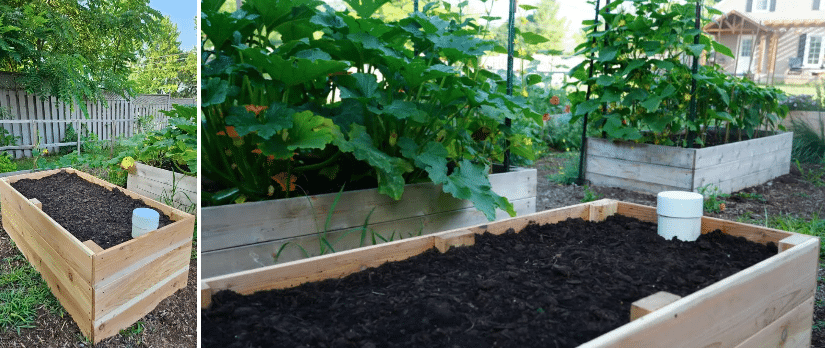
Credit: littlehouseonlaurel.com
Choosing The Location
Picking the right spot for your raised garden bed is very important. The location affects how well your plants will grow and how easy it will be to care for them.
Think about sunlight, soil quality, and how much space you have before building your bed. These factors help your garden thrive.
Sunlight Requirements
Most vegetables need at least 6 to 8 hours of direct sunlight each day. Choose a spot that gets plenty of sun for healthy plants.
If your garden bed is in a shady place, plants may grow slowly or not produce well. Watch the area during the day to see how much light it gets.
- Full sun means 6+ hours of sunlight
- Partial sun means 3-6 hours of sunlight
- Shade means less than 3 hours of sunlight
Soil Conditions
Good soil helps plants get the nutrients and water they need. Check the soil where you want to put the bed before building it.
Look for soil that drains well and is not too hard. Avoid places with very rocky or sandy soil. You can add compost or topsoil to improve it.
- Soil should be loose and crumbly
- Good drainage prevents water from sitting
- Adding compost adds nutrients
Space And Accessibility
Make sure you have enough space for the size of your garden bed. Leave room to walk and work comfortably around it.
Place the bed near a water source for easy watering. Also, avoid areas with strong winds or heavy foot traffic that can harm plants.
- Allow at least 2 feet of space around the bed
- Keep the bed close to a water tap or hose
- Choose a spot protected from strong wind
Credit: www.plantprojectcanada.com
Selecting Materials
Building a raised garden bed is a rewarding project. Choosing the right materials is crucial for a long-lasting structure.
Consider durability, cost, and aesthetics when selecting materials for your garden bed.
Wood Options
Wood is a popular choice for raised garden beds. It’s natural and blends well with garden environments.
- Cedar: Naturally resistant to rot and insects.
- Pine: Affordable but may require treatment to last longer.
- Redwood: Durable and visually appealing, though more expensive.
Alternative Materials
If wood is not your preference, other materials are available. Each has its own benefits.
| Material | Benefits |
| Metal | Strong and long-lasting, adds a modern look. |
| Concrete Blocks | Sturdy and low-maintenance, great for large beds. |
| Recycled Plastic | Eco-friendly and resistant to rot and insects. |
Tools Needed
Having the right tools makes building your raised bed easier and more efficient.
- Drill: For making precise holes.
- Saw: To cut materials to the correct size.
- Measuring Tape: Ensures accurate dimensions.
- Level: Keeps your bed even and straight.
Designing The Bed
Designing a garden raised bed needs careful thought. The bed must fit your space and growing needs.
Consider size, height, and drainage for a healthy garden bed. These factors help plants grow well.
Size And Shape
Choose a size that fits your garden area. The shape should allow easy access to all plants.
- Keep beds no wider than 4 feet for easy reach
- Length can vary based on available space
- Rectangular shapes are common and practical
- Consider curved shapes for a creative look
Height Considerations
Raised bed height affects soil warmth and root growth. Most beds are between 6 and 12 inches tall.
| Height | Best Use |
| 6 inches | Shallow roots, easy to build |
| 12 inches | Good for most vegetables and flowers |
| 18 inches or more | Ideal for deep-rooted plants and better drainage |
Drainage Planning
Good drainage stops water from pooling. This keeps roots healthy and plants strong.
Follow these tips for better drainage:
- Place the bed on level ground
- Use well-draining soil mix
- Add gravel or small stones at the bottom
- Ensure water flows away from the bed
Building The Frame
Building a raised bed frame is the first step to create your garden space. A strong frame holds soil and plants well. This guide shows how to make the frame with simple tools.
Use quality wood and follow the steps carefully. A good frame lasts for many seasons and supports healthy plant growth.
Cutting And Assembling
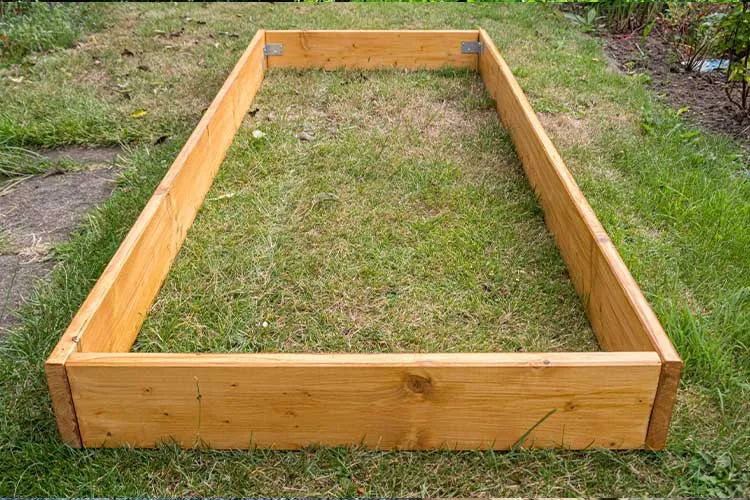
Start by cutting your wood to the size you want for the raised bed. Usually, beds are 4 feet wide and 8 feet long. Cut four pieces: two for length and two for width.
- Measure and mark your wood pieces carefully.
- Use a saw to cut the wood straight at the marks.
- Sand the edges to avoid splinters.
- Lay the pieces flat to check the fit before joining.
Securing Corners
Secure corners to make the frame strong and stable. Use screws or nails to join wood pieces at right angles. Drill pilot holes first to stop wood from splitting.
| Tool | Purpose | Tip |
| Drill | Make pilot holes | Use small drill bit |
| Screws | Hold wood pieces together | Choose rust-resistant type |
| Carpenter’s square | Check corners are 90° | Use before securing |
Leveling The Bed
Level the frame to keep water from pooling. Place the frame where you want the bed. Use a carpenter’s level on top of the wood to check.
If the bed is uneven, add or remove soil under the frame. Check all sides until the level tool shows even.
Preparing The Soil
Preparing the soil is a key part of making a garden raised bed. Good soil helps plants grow strong and healthy.
Before planting, you need to remove unwanted plants and improve the soil with nutrients.
Removing Grass And Weeds
Start by clearing the area of grass and weeds. These plants take water and nutrients from your garden bed.
Use a shovel or garden fork to dig up the grass and roots. Make sure to get all the roots to stop them from growing back.
Adding Compost And Fertilizer
After clearing the area, add compost and fertilizer to feed your plants. Compost improves soil texture and adds nutrients.
Use a balanced fertilizer to give your soil nitrogen, phosphorus, and potassium. These elements help plants grow strong.
- Spread 2-3 inches of compost over the soil
- Apply fertilizer according to package instructions
- Use organic options if you want a natural garden
Mixing Soil Layers
Mix the soil layers well to create a uniform bed. This helps roots grow evenly and access nutrients easily.
Use a garden fork or tiller to blend the native soil with compost and fertilizer. Aim for a depth of 8-12 inches.
- Mix topsoil, compost, and fertilizer thoroughly
- Break up large clumps for better soil texture
- Level the bed surface for easy planting
Planting Tips
Growing plants in a raised bed is a great way to have a healthy garden. Good planting helps your garden grow strong and beautiful.
This guide will help you pick plants, space them well, and keep them watered and mulched for the best results.
Choosing Suitable Plants
Pick plants that fit your climate and soil type. Some plants like full sun, while others grow well in shade.
Use plants that do well in raised beds, such as vegetables, herbs, and flowers that need good drainage.
- Tomatoes, peppers, and lettuce grow well in raised beds
- Herbs like basil, parsley, and thyme are good choices
- Choose flowers like marigolds and nasturtiums for color
Spacing And Arrangement
Space plants to give them room to grow. Crowded plants can get sick or grow poorly.
Put taller plants at the back and shorter ones in front. This helps all plants get sunlight.
- Leave 12-18 inches between vegetable plants
- Group plants by their water and sunlight needs
- Plant in rows or clusters for easy care and harvesting
Watering And Mulching
Water plants regularly to keep the soil moist but not soggy. Raised beds can dry out fast.
Mulch helps keep water in the soil and stops weeds from growing. Use straw, wood chips, or grass clippings.
- Water early in the morning or late in the evening
- Use drip irrigation or soaker hoses for steady watering
- Apply 2-3 inches of mulch around plants to keep soil cool
Maintenance And Care
Taking care of your garden raised bed helps plants grow healthy. Proper maintenance keeps soil rich and plants strong. Regular attention prevents problems before they start.
This guide covers watering, pest control, and seasonal care. Follow these tips for a thriving garden all year.
Regular Watering Schedule
Water your raised bed consistently. Plants need steady moisture but not too much water. Early morning is best for watering to reduce evaporation.
- Check soil moisture daily during hot weather
- Water deeply to encourage strong roots
- Use drip irrigation or soaker hoses for efficiency
- Avoid watering leaves to reduce disease risk
- Adjust watering frequency in rainy periods
Pest And Disease Control
Watch for pests and plant diseases often. Early detection helps you act fast. Keep your garden clean and remove dead leaves.
| Problem | Signs | Control Methods |
| Aphids | Sticky leaves, curled foliage | Spray water, introduce ladybugs |
| Fungal Disease | Spots on leaves, mold | Remove affected parts, improve air flow |
| Slugs | Holes in leaves, slime trails | Use beer traps, handpick at night |
| Spider Mites | Yellow specks, webbing | Spray water, apply insecticidal soap |
Seasonal Adjustments
Change care routines as seasons shift. Prepare your raised bed for cold or heat to protect plants. Clean the bed before planting new crops.
- In spring, add compost to enrich soil
- Mulch in summer to keep soil cool and moist
- Harvest before frost in fall
- Cover beds with cloth or plastic in winter
- Rotate crops yearly to reduce pests
Credit: www.farmfreshchoice.com
Frequently Asked Questions
What Materials Are Best For Garden Raised Beds?
Wood, stone, and metal are popular materials. Cedar and redwood resist rot well. Avoid treated wood with chemicals. Choose durable, non-toxic materials for healthy plants.
How Deep Should A Garden Raised Bed Be?
A depth of 12 to 18 inches is ideal. This allows roots to grow comfortably. Deeper beds suit root vegetables. Ensure good soil drainage for plant health.
How Do I Prepare Soil For Raised Beds?
Mix equal parts compost, topsoil, and peat moss. This creates nutrient-rich, well-drained soil. Remove weeds and debris first. Proper soil promotes strong plant growth.
Can I Build A Raised Bed On Concrete?
Yes, you can build on concrete. Use a wooden frame with drainage holes. Add a weed barrier to prevent growth. Fill with quality soil for planting success.
Conclusion
Building a raised garden bed is simple and rewarding. You control soil quality and drainage easily. Plants grow healthier with better root space. It saves your back by reducing bending. You can create beds in any shape or size. Start small and expand as you gain confidence.
A raised bed makes gardening neat and organized. Enjoy fresh vegetables and flowers from your own space. Try it yourself and watch your garden thrive. Gardening becomes fun and less work with raised beds.