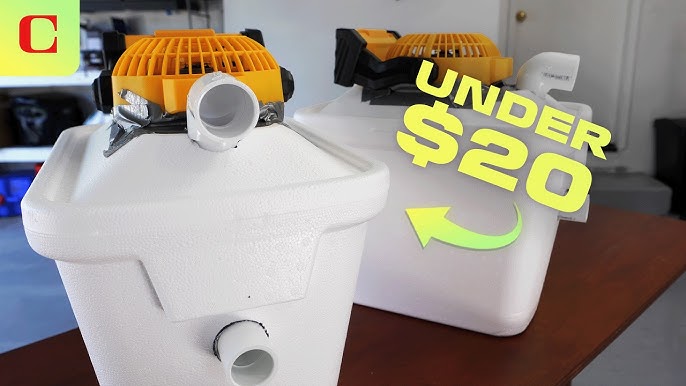
Feeling the heat and wishing for a cool breeze right at your fingertips? You don’t have to wait or spend a fortune on expensive air conditioners.
Imagine creating your own homemade air conditioner with simple items you already have. This easy, step-by-step guide will show you exactly how to beat the heat and stay comfortable without breaking the bank. Ready to discover a clever, budget-friendly way to cool down your space?
Keep reading—you’re about to unlock a cool secret that works!
Materials Needed
- Styrofoam cooler:Acts as the main body to hold ice and fan.
- Small fan:Circulates air through the cooler.
- Ice packs or frozen water bottles:Provide cool air.
- Plastic or metal grates:Cover the fan and cooler openings.
- Utility knife or scissors:For cutting holes in the cooler.
- Glue or tape:Secures parts together.
- Marker:To mark cutting areas.
These materials are easy to find and inexpensive. Most can be reused for other projects. Simple tools make this project safe and fun.

Credit: diyjoy.com
Choosing The Right Fan
Choosing the right fan affects how well your homemade air conditioner works. Fans move air, helping cool the space faster.
Look for these fan features:
- Size:Bigger fans move more air but use more space.
- Speed settings:Multiple speeds help control airflow.
- Power:Lower power saves energy but may cool less.
- Noise level:Quiet fans make the room more comfortable.
- Type:Box fans and pedestal fans work well for cooling.
Choose a fan that fits your room size and cooling needs. A good fan makes your homemade air conditioner more effective and pleasant to use.
Selecting Cooling Elements
Ice and frozen bottlesare simple cooling elements. Freeze water in plastic bottles. Place them in front of a fan. The fan blows cold air from the ice, cooling the room. Bottles are easy to reuse and safe to handle.
Cold water and towelswork well too. Soak a towel in cold water and wring out the excess. Hang it in front of a fan. The fan blows air through the towel, making the air cooler. Change the towel when it warms up.
| Cooling Element | How It Works | Benefits |
|---|---|---|
| Ice and Frozen Bottles | Fan blows air over frozen water bottles | Reusable, safe, easy to make |
| Cold Water and Towels | Air passes through wet towels | Simple, quick, no freezing needed |
| Saltwater Ice Packs | Salt lowers freezing point, stays colder longer | Lasts longer than plain ice, very cold |
Saltwater ice packskeep cold longer than normal ice. Salt lowers water’s freezing point. This makes ice packs colder and last longer. Use old containers or bags to freeze saltwater. Place them in front of the fan for better cooling.
Building A Basic Air Cooler
Gather a fan, ice packs, a cooler box, and a small pump. Place the ice packs inside the cooler box to keep air cool. Set the fan on top or near the cooler to blow air over the ice packs. Connect the small pump to circulate cold water inside the cooler. This helps keep the air fresh and cool for longer.
- Use a sturdy cooler box for best results
- Position the fan to blow air directly over the ice packs
- Secure the pump inside the cooler to circulate water
- Ensure all parts fit tightly to avoid leaks
Place the air cooler near a window or doorway. This allows fresh air to enter and helps cool the room better. Avoid placing the cooler in corners or behind furniture. Keep it at a height where airflow is not blocked. Proper placement maximizes cooling effectand air circulation.
Improving Efficiency
Good insulationkeeps cool air inside and hot air outside. Use thick curtains or foam boards around windows.
Seal cracks and gaps with weather stripping or tape. This stops air leaks and saves energy.
Fans help move air around the room. Place a fan near your homemade air conditioner to spread cool air better.
Try opening windows in other rooms to create a cross breeze. This improves air flow and cools faster.
- Close doors to keep cool air in one space.
- Use a box fan with ice or cold water for extra cooling.
- Keep filters and vents clean to help air move freely.

Credit: www.youtube.com
Safety Precautions
Always use electrical partscarefully to avoid shocks. Keep water away from any wires or plugs. Use a safe and sturdy containerfor ice or cold water. Place the air conditioner on a flat surfaceto prevent spills. Do not leave the device unattendedwhile it is running. Make sure the fan blades are coveredor protected to avoid injuries. Check all connections before turning on the unit. Avoid using materials that can meltor catch fire. Keep the air conditioner away from children and pets. Always unplug the device before refilling or cleaning.
Maintenance And Longevity
Keep the homemade air conditioner clean for better performance. Change or wash the ice or cooling elementsregularly. This stops bad smells and keeps it working well.
Check all parts for leaks or cracks. Fix any damage fast to avoid water spills. Use tape or glue suitable for plastic or metal.
Make sure the fan blades are free from dust. Dust can slow the fan and make noise. Wipe blades gently with a soft cloth.
Store the unit in a dry place when not in use. This helps prevent rust and mold growth. Cover it with a cloth to keep dust off.
- Use clean, fresh water for ice or cooling pads.
- Keep the power cord safe from damage.
- Do not block the air vents; air must flow freely.
- Check the fan motor for strange sounds or overheating.

Credit: www.youtube.com
Alternative Diy Cooling Ideas
Using a bowl of ice in front of a fan can cool the air quickly. The fan blows cold air from the ice, lowering room temperature.
Wet towels hung near windows help cool warm air entering the room. As air passes through, it feels cooler and fresher.
- Freeze water bottles and place them in front of a fan.
- Use a spray bottle to mist yourself with cool water.
- Keep curtains closed during the hottest part of the day to block heat.
- Use a portable fan with ice packs for a simple cooling effect.
Frequently Asked Questions
How Does A Homemade Air Conditioner Work?
A homemade air conditioner works by using ice and a fan to cool air. The fan blows air over the ice, lowering the air temperature. This creates a cool breeze that mimics the effect of a traditional air conditioner. It’s an affordable and eco-friendly cooling solution.
What Materials Do I Need For It?
To make a homemade air conditioner, you need a fan, ice, and a container. You can use a Styrofoam cooler or a bucket. Additionally, you might need PVC pipes or a small fan for better airflow. These materials are inexpensive and easy to find.
Is A Homemade Air Conditioner Energy-efficient?
Yes, a homemade air conditioner is energy-efficient compared to traditional units. It uses minimal electricity, primarily for the fan. Since it doesn’t rely on compressors or refrigerants, it consumes less power. This makes it an eco-friendly and cost-effective cooling alternative.
Can It Cool An Entire Room?
A homemade air conditioner is best for small spaces or personal cooling. It may not effectively cool a large room. For optimal results, use it in a confined area or directly in your personal space. Its cooling effect is limited but can provide relief in specific spots.
Conclusion
Making a homemade air conditioner is simple and cost-effective. You only need a few basic materials to start. This project can help you stay cool without high electricity bills. It works best in small spaces or personal use. Remember to keep safety in mind while building it.
Try different designs to find what suits you. Enjoy the cool air and beat the heat this summer. Small efforts can bring big relief. Give it a try and stay comfortable at home.