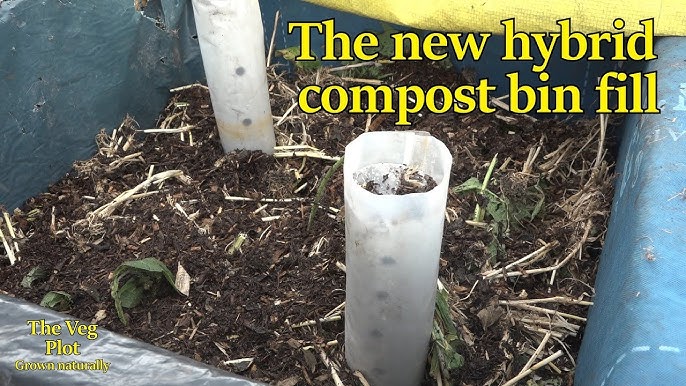
Are you ready to turn your kitchen scraps and yard waste into rich, nutrient-packed soil in no time? Creating a hot compost bin is the fastest way to do it.
With the right steps, you can speed up decomposition and get amazing compost that will make your garden thrive. Imagine saving money, reducing waste, and growing healthier plants—all from your own backyard. Keep reading, and you’ll discover how simple it is to build and maintain your own hot compost bin.
Your garden will thank you!
Choosing The Right Location
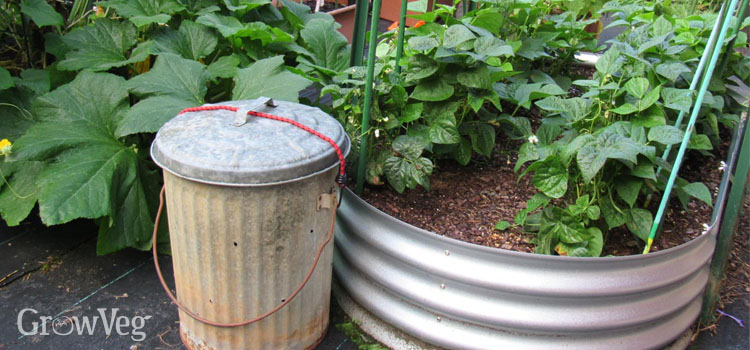
Choosing the right spot for your hot compost bin helps speed up decomposition. The location affects temperature, moisture, and ease of use.
Pick a place that balances sunlight and shade and offers enough room to work comfortably.
Sunlight And Shade Balance
Your compost bin needs some sun to stay warm but also some shade to prevent drying out. Too much sun can dry the materials quickly.
- Place the bin in a spot that gets morning sun and afternoon shade.
- Avoid areas with full, all-day sun or deep shade.
- Check if nearby trees or buildings cast shadows at different times.
Accessibility And Space
Make sure the bin is easy to reach and has enough space around it for turning and adding materials.
| Factor | Details |
| Access | Close to your kitchen or garden for easy adding and turning |
| Space | At least 3 feet of clear area around the bin |
| Surface | Flat, well-drained ground to keep bin stable and dry |
| Protection | Avoid places with strong wind or flooding risk |
Credit: www.growveg.com
Selecting Materials
Choosing the right materials is key to making a hot compost bin. The right mix helps the compost heat up and break down fast.
Good materials balance moisture, air, and nutrients. This balance keeps the pile warm and active.
Greens Vs Browns
Greens are wet and full of nitrogen. Browns are dry and rich in carbon. Both are needed for hot compost.
Greens help microbes grow quickly. Browns add air space and slow the process down a bit.
- Greens:vegetable scraps, grass clippings, coffee grounds
- Browns:dry leaves, straw, cardboard, paper
Avoiding Harmful Items
Some items can hurt your compost or slow down the process. Avoid adding these to your hot compost bin.
Harmful items can cause bad smells or attract pests. They may also contain chemicals or diseases.
- Meat, fish, and bones
- Dairy products like cheese and milk
- Oily or greasy foods
- Pet waste and litter
- Diseased plants or weeds with seeds
- Plastic, metals, and glass
- Chemically treated wood or plants
Building The Bin
Building a hot compost bin helps speed up the composting process. The bin holds materials while heat and air break them down. A good bin keeps warmth inside and allows air to flow.
You can choose different types of bins and build them yourself or buy one ready-made. Each choice has benefits. Learning about the options helps you pick the best fit.
Types Of Compost Bins
Compost bins come in many forms. Some are simple piles, others are enclosed containers. You can build a bin from wood, wire mesh, or plastic. The type you choose affects airflow and heat retention.
- Wooden bins:Strong and good for insulation but may need maintenance.
- Wire mesh bins:Allow good air flow but may lose heat fast.
- Plastic bins:Retain heat well and are lightweight but less breathable.
- Rotating tumblers:Easy to turn and mix compost but often cost more.
Diy Vs Store-bought Options
Making your own compost bin can save money and allow custom size or shape. Store-bought bins often come with features like easy turning or pest protection.
| Factor | DIY Bin | Store-Bought Bin |
| Cost | Usually cheaper | Usually more expensive |
| Customization | Fully customizable | Limited options |
| Assembly | More work needed | Usually quick setup |
| Durability | Depends on materials | Often designed to last |
| Special Features | Depends on builder | Often included |
Layering Techniques
Building a hot compost bin needs careful layering. Good layers help break down waste faster.
Using the right materials in order creates heat and air flow in the pile.
Creating Effective Layers
Start with coarse materials like small branches at the bottom. This helps air move inside.
Next, add a layer of green waste. This includes grass clippings or kitchen scraps for nitrogen.
- Brown materials: dry leaves, straw, or shredded paper provide carbon.
- Green materials: fresh grass, vegetable scraps add nitrogen.
- Keep layers about 3-6 inches thick each.
- Repeat layers until the bin is full.
Maintaining Moisture Levels
Moisture helps microbes break down materials. The compost should feel like a damp sponge.
Too dry slows decomposition. Too wet causes bad smells and slows the process.
- Check moisture weekly by squeezing a handful of compost.
- If water drips, it is too wet.
- If it feels dry, add water with a spray or sprinkle.
- Cover the bin to keep moisture balanced.
Turning And Aeration
Turning and aeration help speed up the composting process. They add oxygen to the pile. This oxygen feeds the helpful microbes that break down the waste.
Without enough air, the compost can smell bad and take longer to break down. Good turning and aeration keep the pile healthy and hot.
When And How To Turn
Turn your compost pile regularly to keep it active. Check the pile every week. If it feels warm and moist, it is ready to turn. If it is dry, add water first.
- Use a pitchfork or shovel to lift the compost from the outside.
- Move it to the center of the pile to mix the materials.
- Break up clumps to improve airflow.
- Turn the pile at least once a week for the best results.
Tools For Aeration
Several tools help add air to your compost pile. Each tool has a different way to improve airflow and make turning easier.
| Tool | Description | Use |
| Pitchfork | Long-handled tool with sharp tines. | Lift and turn large compost piles. |
| Compost Aerator | Spiral metal rod with handle. | Insert and twist to create air channels. |
| Shovel | Flat blade for scooping. | Mix and move compost material. |
| Garden Fork | Wide tines, less sharp than pitchfork. | Turn compost without crushing materials. |

Credit: savvygardening.com
Temperature Monitoring
Keeping track of temperature is key for making hot compost. The right heat helps break down materials fast. You need to check the heat often to keep the process working well.
Monitoring temperature lets you know if your compost pile is active. If the heat drops, you may need to add water or turn the pile. Proper temperature keeps microbes busy and healthy.
Ideal Temperature Range
Hot compost bins work best between 130°F and 160°F. This range kills most weed seeds and germs. If the temperature is too low, composting slows down. Too high and microbes may die.
- 130°F to 140°F: Good active composting
- 140°F to 160°F: Best heat for fast breakdown
- Below 100°F: Compost slows or stops
- Above 160°F: Microbes can get harmed
Using A Compost Thermometer
A compost thermometer helps you check the pile’s temperature inside. It has a long probe to reach deep into the compost. Use it to find hot spots and cooler areas.
| Thermometer Type | Features | Best Use |
| Dial Thermometer | Simple, easy to read | Basic temperature checks |
| Digital Thermometer | Quick readings, accurate | Frequent monitoring |
| Probe Thermometer | Long probe for deep checks | Measure center heat |
Insert the thermometer probe 12 to 18 inches deep. Wait a few minutes for the temperature to stabilize. Record the reading and check different spots for best results.
Troubleshooting Common Issues
Making a hot compost bin is easy, but sometimes problems occur. These problems slow down composting or cause bad smells. Fixing these issues helps your compost break down fast and smell fresh.
This guide covers two common problems: odors and slow decomposition. Follow these tips to keep your compost healthy and working well.
Dealing With Odors
Bad smells in your compost usually mean it is too wet or lacks air. Smelly compost can attract pests and slow down the process.
- Add dry materials like leaves, straw, or shredded paper to soak up extra moisture.
- Turn the compost regularly to let air in and help it dry out.
- Make sure your compost has a good mix of green and brown materials.
- Check if food scraps are buried deep in the pile to avoid attracting animals.
- Use a lid or cover to keep rain out and prevent the pile from getting too wet.
Fixing Slow Decomposition
Slow composting happens if the pile is too dry, too cold, or missing nutrients. Your compost needs the right balance to heat up and break down quickly.
| Problem | Cause | Solution |
| Compost too dry | Lack of water | Spray water evenly and mix well |
| Compost too cold | Small pile or cold weather | Add more materials to increase size |
| Not enough nitrogen | Too many brown materials | Add green materials like grass clippings |
| Compacted pile | Too much weight or no turning | Turn pile to add air and loosen materials |
Credit: dengarden.com
Harvesting Finished Compost
Harvesting finished compost is an important step in using your hot compost bin. It means collecting the rich, dark soil-like material created from decomposed organic matter. This compost improves soil health and helps your plants grow strong.
Knowing when and how to harvest your compost ensures you get the best nutrients for your garden. It also keeps your compost bin ready for new materials.
Signs Of Ready Compost
Finished compost looks, smells, and feels different from the original waste. Here are signs that show your compost is ready to use:
- The compost is dark brown or black in color.
- It has a crumbly texture like soil.
- There is an earthy smell, not a rotten or sour odor.
- You cannot recognize most of the original materials.
- The compost feels cool, not warm, which means decomposition is done.
Using Compost In Your Garden
Use your finished compost to help plants grow well. Compost adds nutrients and improves soil structure. Here are some ways to use it:
- Mix compost into garden beds before planting.
- Spread a thin layer around trees and shrubs as mulch.
- Add compost to potting soil for container plants.
- Use compost to improve lawn soil by top dressing.
Regular use of compost will make your garden healthier and reduce the need for chemical fertilizers.
Frequently Asked Questions
What Materials Do I Need For Hot Composting?
To start hot composting, gather green materials like fruit scraps and grass clippings, and brown materials like dried leaves and straw. You will also need water and a compost bin to contain the materials. Ensure the bin has good aeration for effective decomposition.
How Often Should I Turn My Compost Pile?
Turn your compost pile every 1 to 2 weeks. This aerates the pile and speeds up decomposition. Regular turning helps mix materials, evenly distributing moisture and oxygen. This action ensures a quicker breakdown and minimizes odors, resulting in rich, usable compost.
How Long Does Hot Composting Take?
Hot composting can take about 4 to 8 weeks. This depends on the materials used and maintenance consistency. Regular turning and maintaining the right balance of greens and browns will speed up the process. Your compost is ready when it’s dark, crumbly, and has an earthy smell.
Can I Compost Meat And Dairy Products?
Avoid composting meat and dairy products in a hot compost bin. These materials can attract pests and create foul odors. Instead, focus on plant-based kitchen scraps and yard waste. This ensures a healthy composting environment and reduces the risk of unwanted visitors.
Conclusion
Creating a hot compost bin helps you recycle waste quickly. It turns kitchen scraps and yard waste into rich soil. Keep the pile moist and turn it often. This keeps the compost warm and breaks materials down fast. Using a hot compost bin saves money on fertilizers.
It also reduces trash going to landfills. Start small and watch your compost grow. A healthy garden begins with good compost. Give it time, and enjoy the benefits of homemade soil. Simple steps lead to great results.