Keeping your pool clean doesn’t have to mean spending a lot of money on expensive equipment. What if you could make a simple, effective pool vacuum using just a garden hose?
Yes, you read that right. You have the tools right outside your door to tackle pool dirt and debris without breaking the bank. You’ll discover step-by-step how to turn an ordinary garden hose into a powerful pool vacuum. Stick with me, and by the end, you’ll have a handy DIY solution that saves you time, effort, and money.
Ready to dive in? Let’s get started!
Materials Needed
Making a pool vacuum with a garden hose is simple and cost-effective. You only need a few materials to start.
Gather all items before you begin. This helps the process go smoothly.
Garden Hose Specifications
Pick a garden hose that fits your pool vacuum needs. The hose must be strong and long enough.
- Length: At least 25 feet to reach all pool areas
- Diameter: 5/8 inch or 3/4 inch for good water flow
- Material: Flexible but durable plastic or rubber
- Fittings: Standard connectors for easy attachment
Choose a hose that resists kinks and cracks. This keeps water flowing well.
Additional Tools And Supplies
You need more than just a garden hose to make a pool vacuum. Some extra tools help you build it right.
- Plastic bottle or PVC pipe to hold the vacuum head
- Tape or clamps to secure parts together
- Scissors or a knife to cut the hose and materials
- Mesh or nylon net to filter debris
- Rubber washer or seal to prevent leaks
- Bucket or container to test the vacuum
Having all these supplies ready will make building your pool vacuum easier and faster.

Credit: www.amazon.com
Preparing The Hose
Creating a pool vacuum using a garden hose is simple. First, prepare the hose correctly.
Follow these steps to ensure your hose is ready for cleaning your pool efficiently.
Cutting The Hose To Size
You must cut the hose to the right length. This ensures it reaches all parts of the pool.
| Pool Size | Hose Length |
| Small | 20 feet |
| Medium | 30 feet |
| Large | 40 feet |
Attaching The Nozzle
Once the hose is cut, attach the nozzle securely. This helps in directing water flow properly.
- Choose a nozzle compatible with your hose size.
- Slide the nozzle onto the hose end.
- Tighten the nozzle using a clamp if needed.
Creating The Vacuum Head
Making a pool vacuum head with a garden hose is simple and cost-effective. The vacuum head is the part that connects to the hose and cleans the pool surface.
This guide covers how to build a suction attachment and secure the head to the hose. You will need only a few materials and basic tools.
Building A Suction Attachment
The suction attachment helps pull water and debris into the hose. You can make one using a plastic bottle or small container.
- Cut the bottom off a plastic bottle or container.
- Drill small holes evenly around the cut edge for water flow.
- Attach a short pipe or tube in the bottle’s neck for hose connection.
- Seal around the pipe with waterproof tape or glue to avoid leaks.
- Test the attachment by placing it in water and connecting the hose.
Securing The Head To The Hose
Attach the suction head firmly to the garden hose to prevent leaks and loss of suction. Use clamps or strong tape for a tight fit.
| Material | Purpose | Tip |
| Hose Clamp | Secure hose to suction head | Tighten until snug but not too tight |
| Waterproof Tape | Seal gaps and prevent leaks | Wrap around connection twice |
| Rubber Gasket | Improve seal between parts | Place inside hose end before attaching |

Credit: 1poolcare.com.au
Setting Up The Vacuum
Making a pool vacuum with a garden hose is simple and cost-effective. You can clean your pool without buying expensive equipment.
This guide will show you how to set up your vacuum properly. Follow the steps carefully for the best results.
Connecting To The Pool Filter
First, connect one end of the garden hose to your pool’s skimmer or suction port. This will create a path for water to flow through the hose.
Next, attach the other end of the hose to the pool filter system. Make sure the connection is tight to avoid losing suction.
- Check the hose for holes or leaks before connecting
- Use a hose clamp to secure the hose to the filter
- Ensure the pool pump is turned off during setup
Testing The Suction Power
After connecting, turn the pool pump on to start the suction. Watch the hose for strong water flow inside.
If the suction feels weak, check all connections again. Remove any air leaks and tighten the hose clamps.
- Hold the hose end near the pool floor to test suction
- Adjust the hose length to reach all pool areas
- Make sure the vacuum head is clean and free of blockages
Operating Tips
Making a pool vacuum with a garden hose saves money and cleans your pool well. Using it right keeps your pool clear of dirt and debris.
Follow simple tips to use your homemade vacuum safely and effectively. Proper care helps it work longer and better.
Effective Vacuuming Techniques
Move the vacuum slowly across the pool floor. This allows it to pick up all dirt and leaves.
Start vacuuming from the deep end and work toward the shallow end. This pushes dirt to the pool’s main drain.
- Keep the hose straight to avoid kinks
- Use steady, slow movements for better suction
- Check the vacuum head often for blockages
- Do not rush to cover large areas
Maintenance And Cleaning
After each use, rinse the vacuum and hose with clean water. This removes pool chemicals and dirt.
Store the vacuum parts in a dry place. Keep the hose coiled loosely to prevent damage.
- Inspect the hose for cracks or holes regularly
- Clean the vacuum head to prevent clogging
- Replace worn parts to keep the vacuum working well
- Check connections to avoid leaks
Troubleshooting Common Issues
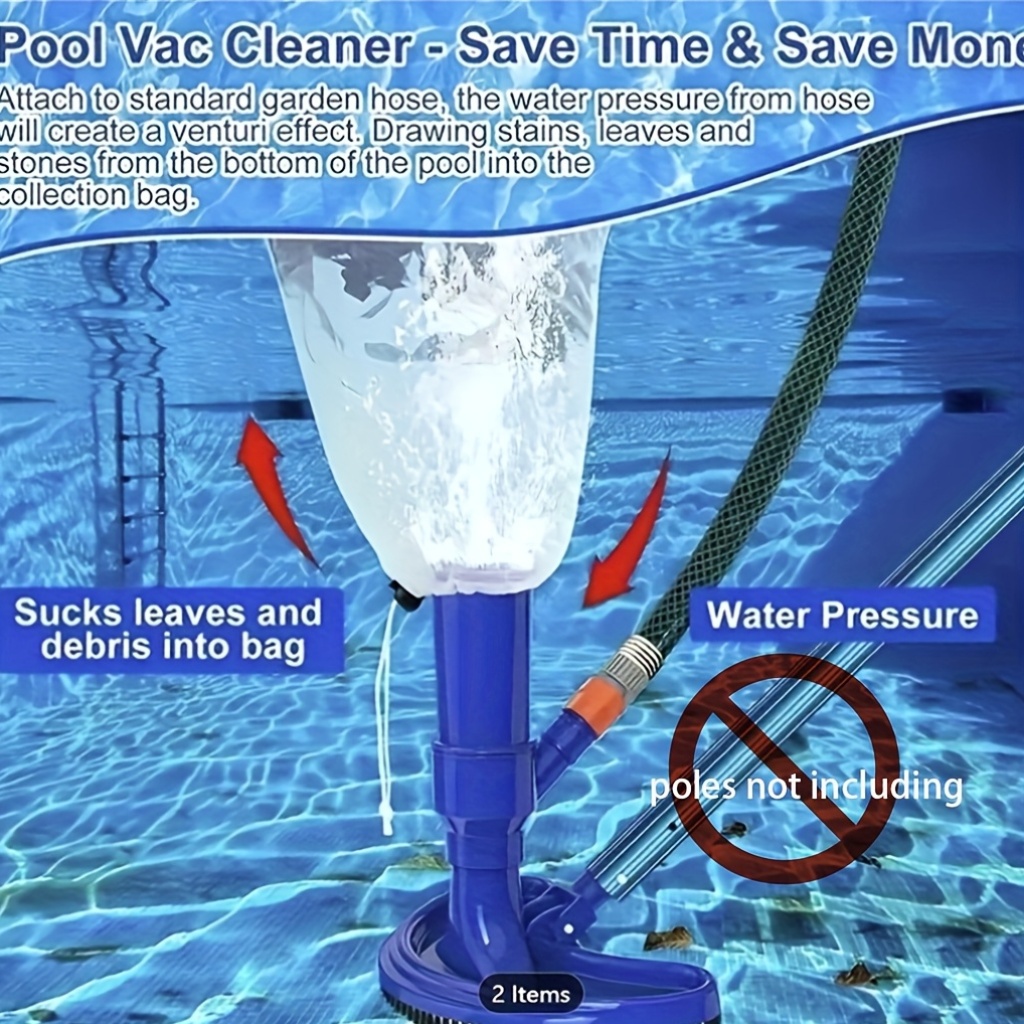
Making a pool vacuum with a garden hose is simple. But sometimes, problems happen. Knowing how to fix these common issues saves time.
Two main problems are low suction and hose leaks. Fixing these helps your vacuum work well again.
Fixing Low Suction
Low suction means the vacuum does not pick up dirt well. This can happen for a few reasons. Check the hose and connections first.
- Make sure the garden hose is fully connected to the vacuum and pool pump.
- Look for kinks or bends in the hose that block water flow.
- Clear any debris stuck inside the hose or vacuum head.
- Check the pool pump filter. Clean it if it is dirty or clogged.
- Ensure the pool pump is running at full power.
Dealing With Hose Leaks
Leaks reduce suction and waste water. Finding and fixing leaks keeps the vacuum strong.
| Common Leak Spot | How to Fix |
|---|---|
| Hose connections | Push hose firmly on fittings. Use waterproof tape if needed. |
| Hose cracks or holes | Patch with waterproof tape or replace the damaged section. |
| Vacuum head joints | Tighten or seal joints with silicone sealant. |
| Pool pump inlet | Check for cracks. Replace seals or parts if leaking. |
Credit: www.temu.com
Frequently Asked Questions
How Do I Make A Pool Vacuum With A Garden Hose?
To make a pool vacuum, connect a garden hose to a vacuum head. Use water flow to create suction. This DIY method cleans debris effectively without expensive equipment.
What Materials Are Needed For A Garden Hose Pool Vacuum?
You need a garden hose, vacuum head, telescopic pole, and hose adapter. These simple items help you build an efficient pool vacuum at low cost.
Can A Garden Hose Vacuum Clean Pool Debris Well?
Yes, it can remove light debris like leaves and dirt. However, heavy debris may require a professional vacuum or pump system.
How Do I Connect The Garden Hose To The Vacuum Head?
Attach the hose securely to the vacuum head using a hose adapter. Ensure no leaks for optimal suction power during cleaning.
Conclusion
Making a pool vacuum with a garden hose is simple and cost-effective. You only need a few items and basic steps. This DIY tool helps keep your pool clean without buying expensive equipment. It saves time and effort during pool maintenance.
Try this easy project to enjoy a cleaner pool all summer. Small changes make a big difference in pool care. Give it a shot and see how well it works. Clean water feels better and looks great too.