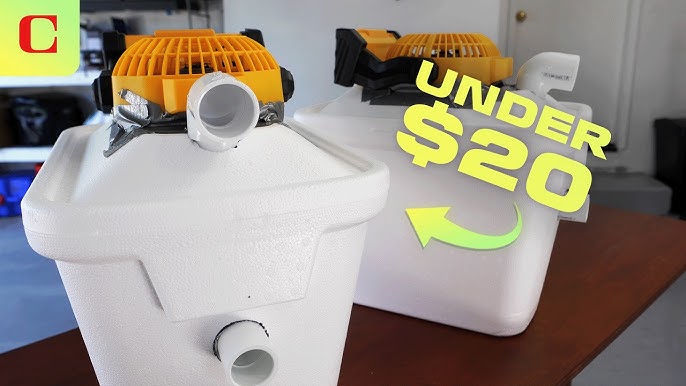
Are you tired of sweating through hot days and nights? Imagine having your very own portable air conditioner that you can move anywhere, keeping you cool whenever you need it.
Making a portable air conditioner yourself is easier than you think, and it can save you money while giving you control over your comfort. In this guide, you’ll discover simple steps and tips to build your own cooling device using everyday materials.
Ready to beat the heat and enjoy a fresh breeze on demand? Let’s dive in and make your space refreshingly cool!
Materials Needed
Making a portable air conditioner needs some simple materials. You can find most of these items at home or in stores.
Gathering the right materials helps you build an efficient cooler. Each part has a role in keeping the air cold and fresh.
Styrofoam Cooler
A Styrofoam cooler acts as the main body of your air conditioner. It holds the ice and air inside to keep things cold.
Choose a cooler size that fits your space. Bigger coolers can hold more ice and cool better.
Small Fan
A small electric fan blows air into the cooler. It pushes cold air out to cool your room.
Look for a fan that fits on top of the cooler. USB fans or desk fans work well for this project.
Pvc Pipe Or Flexible Hose
Use a PVC pipe or flexible hose to direct cold air out of the cooler. This helps spread cool air where you want it.
Make sure the pipe size matches the hole you cut in the cooler. This keeps air from leaking.
Ice Packs Or Ice Cubes
Ice packs or regular ice cubes provide the cold needed for cooling. They absorb heat from the air.
Use frozen ice packs for less mess. Ice cubes work but can melt quickly and cause water inside.
Knife Or Cutting Tool
You need a sharp knife or cutter to make holes in the cooler. These holes fit the fan and pipe parts.
Be careful when cutting to avoid accidents. Mark the spots before you start cutting.
Tape Or Glue
Tape or glue seals gaps between parts. It stops air from escaping and keeps the cooler working well.
Use strong tape like duct tape or hot glue for better results. Check for leaks after assembly.

Credit: www.diyncrafts.com
Choosing The Right Container
Picking the right container is key to making a portable air conditioner work well. The container holds the cooling elements and affects how air flows.
Use a container that fits your space and is easy to move. It should also be strong and easy to clean.
Size And Portability
Choose a container size that fits your room and is easy to carry. A large container cools better but is heavy to move.
Smaller containers are lighter but cool less air. Find a balance between size and portability for your needs.
Material Type
Containers made from plastic or metal work well. Plastic is light and cheap but may not last long. Metal is strong and cools fast.
Pick a material that fits your budget and use. Make sure it does not rust or break easily.
Shape And Design
Look for a container with a shape that helps air flow smoothly. A box shape is easy to build and fits parts well.
Round containers can be harder to build but may help air move faster. Choose a design that fits your skills and tools.
Insulation And Sealing
Good insulation keeps cool air inside and hot air out. Use containers that can be sealed tightly to stop air leaks.
- Check if the container has tight lids or covers
- Use foam or rubber to seal gaps
- Insulated containers improve cooling efficiency
Preparing The Cooling Elements
To build a portable air conditioner, you need to prepare the cooling parts carefully. These parts help lower the air temperature effectively.
Two common cooling elements are ice packs and frozen bottles. Using a small fan can also improve the cooling effect. Let’s explore these options.
Ice Packs Vs Frozen Bottles
Ice packs and frozen bottles both help cool the air by absorbing heat. Each has its own benefits and drawbacks.
| Cooling Element | Advantages | Disadvantages |
|---|---|---|
| Ice Packs | Lightweight and reusable | Can be expensive and may leak |
| Frozen Bottles | Easy to make and cheap | Heavier and slower to freeze |
Using A Small Fan
A small fan helps move cool air from the ice packs or frozen bottles. It spreads the cool air faster for better comfort.
- Place the fan near the cooling element
- Set fan speed to low or medium
- Ensure air flows toward the area you want to cool
- Keep the fan stable to avoid noise
Assembly Steps
Making a portable air conditioner needs careful assembly. Follow each step to build it right.
The main parts are air vents, a fan, and cooling elements. These parts help cool the air.
Cutting Air Vents
Air vents let hot air leave the unit. Measure where the vents should go before cutting.
Use a sharp blade or saw to cut the vent openings carefully. Make sure the edges are smooth.
- Mark vent size on the box or container
- Cut along the marked lines
- Sand the edges to avoid sharp parts
Installing The Fan
The fan moves air through the cooler. Place it near the air vents for best airflow.
Secure the fan with screws or strong tape. Check that it spins freely without touching other parts.
- Position fan facing the air vent
- Attach fan firmly to the frame
- Test fan by powering it on briefly
Placing Cooling Elements
Cooling elements lower the air temperature. Use ice packs or frozen water bottles for this.
Place cooling elements close to the fan so the air passes over them. Replace them when they melt.
- Put ice packs inside a sealed bag
- Set them near the fan inside the unit
- Keep extra packs ready for longer cooling
Power Options
Choosing the right power source is key for a portable air conditioner. It affects how long it runs and where you can use it.
This guide covers two common power options: battery powered fans and USB powered fans.
Battery Powered Fans
Battery powered fans offer freedom from cords. They work well outdoors or during power outages.
- Use rechargeable batteries for cost savings
- Check battery life before long use
- Choose fans with energy-saving modes
- Keep spare batteries handy for backup
Usb Powered Fans
USB powered fans are easy to connect to many devices. They need less power but rely on a USB source.
| Power Source | Advantages | Limitations |
| Battery | Portable, no wires | Needs recharging or battery replacement |
| USB | Easy to power from laptops or power banks | Depends on USB power availability |
Safety Tips
Making a portable air conditioner can be fun and useful. It is important to stay safe during the process.
Follow these safety tips to avoid accidents and keep your project safe.
Use Proper Electrical Components
Always use wires and plugs that match the power requirements. Wrong parts can cause fires or shocks.
Check all electrical parts before connecting them to power. Replace any damaged pieces.
Work In A Well-ventilated Area
Some materials release fumes that can be harmful. Make your air conditioner in a space with good airflow.
Open windows or use fans to keep fresh air moving while you work.
Handle Tools Carefully
Use tools like knives and screwdrivers with care. Keep fingers away from blades and sharp edges.
- Wear safety gloves if possible
- Keep a first aid kit nearby
- Work slowly and focus on each step
Avoid Water Near Electricity
Do not let water touch any electrical parts. Water can cause short circuits and shocks.
Keep your work area dry and clean. Use a dry cloth to wipe any spills immediately.
Check The Cooling Fan
Make sure the fan spins freely and does not touch wires. A stuck fan can overheat and break.
- Test the fan before full assembly
- Secure the fan firmly in place
- Keep the fan clean from dust
Maintenance And Cleaning
Keeping your portable air conditioner clean helps it work well. Dirt and dust can block airflow and lower cooling power.
Regular maintenance stops problems and makes your unit last longer. Follow these tips to keep your air conditioner in good shape.
Cleaning The Air Filter
The air filter catches dust and dirt. Clean it every two weeks to keep air flowing freely. A dirty filter makes the unit work harder.
- Turn off and unplug the unit.
- Remove the filter from the back or side.
- Use a vacuum or wash with warm water and mild soap.
- Let the filter dry completely before putting it back.
Emptying The Water Tank
Portable air conditioners collect water from the air. Check the water tank often and empty it to avoid leaks and mold growth.
Some models have a drain plug or hose. Use these to drain water safely. Always follow the user manual for your model.
Cleaning The Exterior And Vents
Dust and dirt can build up on the outside and vents. Wipe the surface with a damp cloth. Use a soft brush to clean vents and prevent blockage.
Seasonal Maintenance Checklist
| Task | Frequency | Tools Needed |
| Clean air filter | Every 2 weeks | Vacuum or mild soap, water |
| Empty water tank | Weekly or as needed | Container for water |
| Wipe exterior and vents | Monthly | Damp cloth, soft brush |
| Check hose and plugs | Seasonally | None |

Credit: www.cnet.com
Enhancing Cooling Efficiency
Making a portable air conditioner work better helps keep you cool. Small changes can make a big difference.
Using simple tools and smart placement improves how well your unit cools a room.
Using Salt Water Ice Packs
Salt water ice packs stay colder longer than regular ice packs. This helps the air conditioner cool more efficiently.
Place salt water ice packs near the intake or inside the unit’s cooling area. This lowers the temperature of the air passing through.
- Mix water with salt and freeze in sealable bags
- Use several packs to keep cooling consistent
- Replace packs as they melt for continuous cold air
Positioning The Unit
Where you place your portable air conditioner affects its cooling power. Find a spot with good airflow and shade.
Keep the unit away from heat sources like direct sunlight or electronics. Place it near a window if it has an exhaust hose.
- Place the unit on a flat, stable surface
- Keep vents clear of obstructions
- Use curtains or blinds to block sunlight near the unit
- Position the exhaust hose to vent hot air outside
Troubleshooting Common Issues
Portable air conditioners can face problems that stop them from working well. Fixing small issues can save time and money.
Here are common problems and easy ways to solve them for your portable air conditioner.
Unit Not Cooling Properly
If your air conditioner runs but does not cool well, check for blocked air filters. Dirty filters stop airflow.
Also, make sure the exhaust hose is not kinked or blocked. A blocked hose stops hot air from leaving.
- Clean or replace air filters every month
- Keep exhaust hose straight and clear
- Close doors and windows to keep cool air in
Unit Turns Off Unexpectedly
The air conditioner may turn off if it overheats. Dust buildup can cause overheating.
Check if the fan is working. A broken fan can cause the unit to shut down for safety.
- Clean dust from vents and coils
- Make sure fan blades spin freely
- Do not block the air intake or exhaust
Water Leaking From The Unit
Portable air conditioners remove moisture from the air. Sometimes water leaks if the drainage is blocked.
Check the water tank or drain hose for clogs. Empty the tank if it is full.
- Empty the water collection tank regularly
- Clear the drain hose of any blockages
- Use the drain plug properly if your unit has one
Unit Makes Loud Or Strange Noises
Noise may come from loose parts or debris inside the unit. Unusual sounds can mean a problem with the motor or fan.
Turn off the unit and check for loose screws or objects inside. Tighten parts if needed.
- Inspect the fan and motor for damage
- Remove any foreign objects inside the unit
- Tighten screws and fasteners
Remote Control Not Working
If the remote does not control the air conditioner, check the batteries first. Weak batteries cause poor signal.
Make sure nothing blocks the remote sensor on the unit. Clean the sensor area if dusty.
- Replace remote batteries with new ones
- Point remote directly at the unit sensor
- Keep sensor area clean and free of dust

Credit: www.youtube.com
Frequently Asked Questions
What Materials Are Needed To Make A Portable Air Conditioner?
You need a fan, ice or cooling gel packs, a cooler or insulated box, and flexible tubing. These parts help circulate cold air effectively. Additional tools like a drill and tape can assist in assembly.
How Does A Homemade Portable Air Conditioner Work?
It uses ice or gel packs to cool the air pushed by a fan. The fan blows warm air over the ice, producing chilled air. This simple process helps lower room temperature temporarily.
Can I Use A Portable Air Conditioner Indoors Safely?
Yes, homemade portable air conditioners are safe indoors if ventilation is considered. Ensure there is proper airflow to avoid moisture buildup. Avoid blocking exhaust or intake areas for optimal performance.
How Long Does A Diy Portable Air Conditioner Last?
Its cooling effect typically lasts 2 to 4 hours, depending on ice quantity. You must replace or refreeze ice packs to maintain cold airflow. It’s ideal for short-term, personal cooling needs.
Conclusion
Creating a portable air conditioner is straightforward and rewarding. You’ve learned the essential steps. With basic tools, you can build your own. This project saves money and keeps you cool. It’s perfect for hot days when relief is needed. Always ensure safety by following instructions carefully.
Experiment with materials for better results. Share this knowledge with friends and family. They will appreciate your expertise. A homemade air conditioner is practical and fun. Enjoy the cool breeze you created. Stay cool and comfortable at home. Embrace the satisfaction of your DIY success.