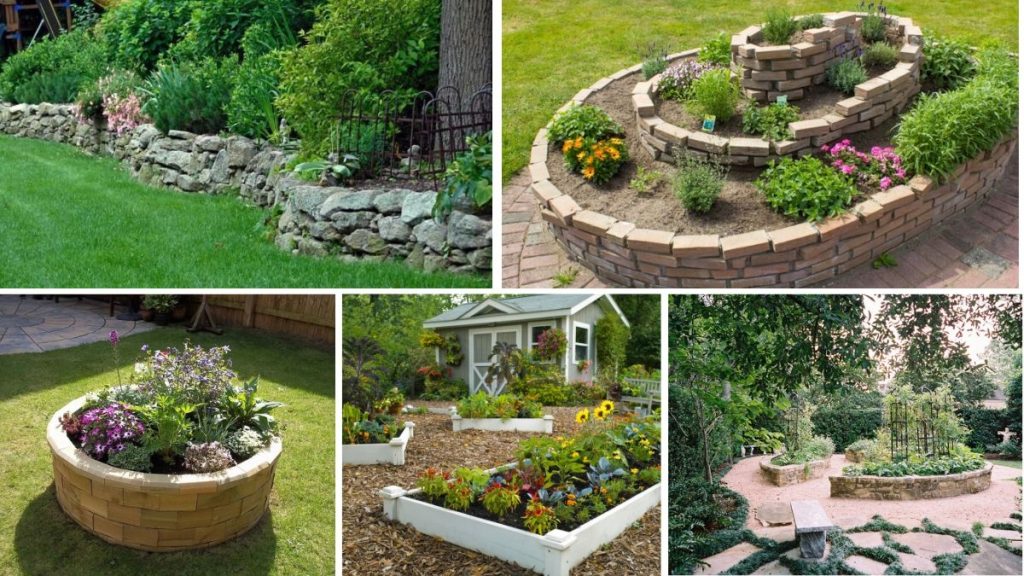
Imagine transforming your backyard into a lush oasis with just a few stones and a bit of creativity. A raised garden bed made from stone not only adds a touch of elegance to your outdoor space but also offers a sturdy and long-lasting solution for growing your favorite plants.
Whether you’re a seasoned gardener or a curious beginner, building a stone raised garden bed can be a rewarding project that brings beauty and functionality to your garden. In this guide, you’ll discover step-by-step instructions and expert tips to create your very own stone masterpiece.
Ready to dig in and make your garden the envy of your neighborhood? Let’s get started!
Benefits Of Stone Raised Beds
Stone raised garden beds offer many advantages for your garden. They provide a strong and stable structure that lasts for years.
Using stone in your garden bed also adds beauty and helps with plant growth. Let’s explore these benefits in detail.
Durability And Longevity
Stone is very strong and does not rot like wood. It can handle all types of weather without breaking down.
A stone raised bed can last for decades with little maintenance. This saves you time and money in the long run.
Aesthetic Appeal
Stone beds look natural and add charm to any garden space. They blend well with plants and outdoor settings.
You can choose different shapes and colors of stones to create a unique garden design that suits your style.
Improved Drainage
Stone walls allow water to flow easily, preventing water buildup in the soil. This helps keep plant roots healthy.
Good drainage stops soil from becoming too wet and reduces the risk of root rot and other problems.

Credit: www.familyhandyman.com
Choosing The Right Stone
Building a raised garden bed with stone can add beauty and durability. Picking the right stone is important for a strong structure. This guide helps you choose stones that last and look good.
Consider the type, cost, and tools needed to work with stone. These factors affect how easy and affordable your project will be.
Types Of Stones Suitable For Raised Beds
Not all stones work well for raised garden beds. Some stones resist weather and hold soil better. Here are common types used:
- Fieldstone:Natural and irregular shapes. Good for a rustic look.
- Limestone:Easy to cut and shape. Light color brightens the garden.
- Granite:Very strong and weather-resistant. More expensive but lasts long.
- Sandstone:Soft and easy to work with. Adds warm tones.
- Slate:Thin, flat layers. Great for neat, stacked designs.
Sourcing Affordable Materials
Finding stone at a good price saves money. Look for local sources to reduce transport costs. Here are places to check:
- Quarries near your area
- Landscape supply stores
- Construction sites with leftover stone
- Online marketplaces and local classifieds
- Recycled or reclaimed stone from old buildings
Tools Needed For Handling Stone
Working with stone needs the right tools. Using proper tools keeps you safe and makes building easier.
| Tool | Purpose |
| Gloves | Protect hands from rough stone edges |
| Safety glasses | Shield eyes from dust and chips |
| Hammer and chisel | Shape and split stones |
| Wheelbarrow | Move heavy stones easily |
| Level | Ensure stones are even and stable |
Planning Your Raised Bed
Building a raised garden bed with stone takes some planning. A good plan helps your garden grow well.
Start by choosing the best spot and size for your garden bed. Mark the area clearly before building.
Selecting The Location
Pick a place that gets plenty of sunlight. Most plants need six to eight hours of sun daily.
Make sure the spot has good drainage. Avoid low areas where water might collect and stay.
- Choose a flat or slightly raised area
- Check for sunlight during the day
- Avoid spots near large trees or bushes
- Keep the bed close to a water source
Determining Size And Shape
Decide how big and what shape your raised bed will be. Common shapes are rectangles or squares.
Make sure the bed is easy to reach from all sides. Beds 3 to 4 feet wide work well for this.
- Width: 3 to 4 feet for easy reach
- Length: as long as your space allows
- Height: 8 to 12 inches for good soil depth
- Shape: rectangle, square, or any simple shape
Marking The Layout
Mark the garden bed’s outline on the ground before you build. Use string and stakes for clear lines.
Check the shape and size once marked. Adjust if needed to fit your space and plants.
- Drive stakes at the corners of your bed
- Tie string between the stakes to form edges
- Measure to confirm correct size
- Make sure corners are square using a carpenter’s square or measuring diagonals
Preparing The Site
Preparing the site is an important first step for building a raised garden bed with stone. It creates a stable base and helps plants grow well.
This section covers clearing and leveling ground, laying a weed barrier, and adding a gravel base to get your site ready.
Clearing And Leveling Ground
Start by removing grass, roots, rocks, and debris from the area. Clear about the size of your garden bed plus extra space around it.
Next, level the ground to create a flat surface. Use a shovel and a rake for this. A level base keeps the stone bed stable and prevents water pooling.
Laying A Weed Barrier
Lay a weed barrier fabric on the cleared and leveled ground. This stops weeds from growing up through your garden bed and competing with your plants.
- Cut the fabric to fit the bed area
- Overlap edges by 6 inches to block weeds fully
- Secure the fabric with landscape staples
Adding A Gravel Base
Spread a layer of gravel on top of the weed barrier. Gravel helps with drainage and keeps the stones in place.
| Gravel Size | Purpose |
| 1/4 to 3/4 inch | Good drainage and firm base |
| Fine gravel (pea gravel) | Surface leveling and aesthetics |
| Large gravel | Drainage but may shift stones |
Building The Stone Walls
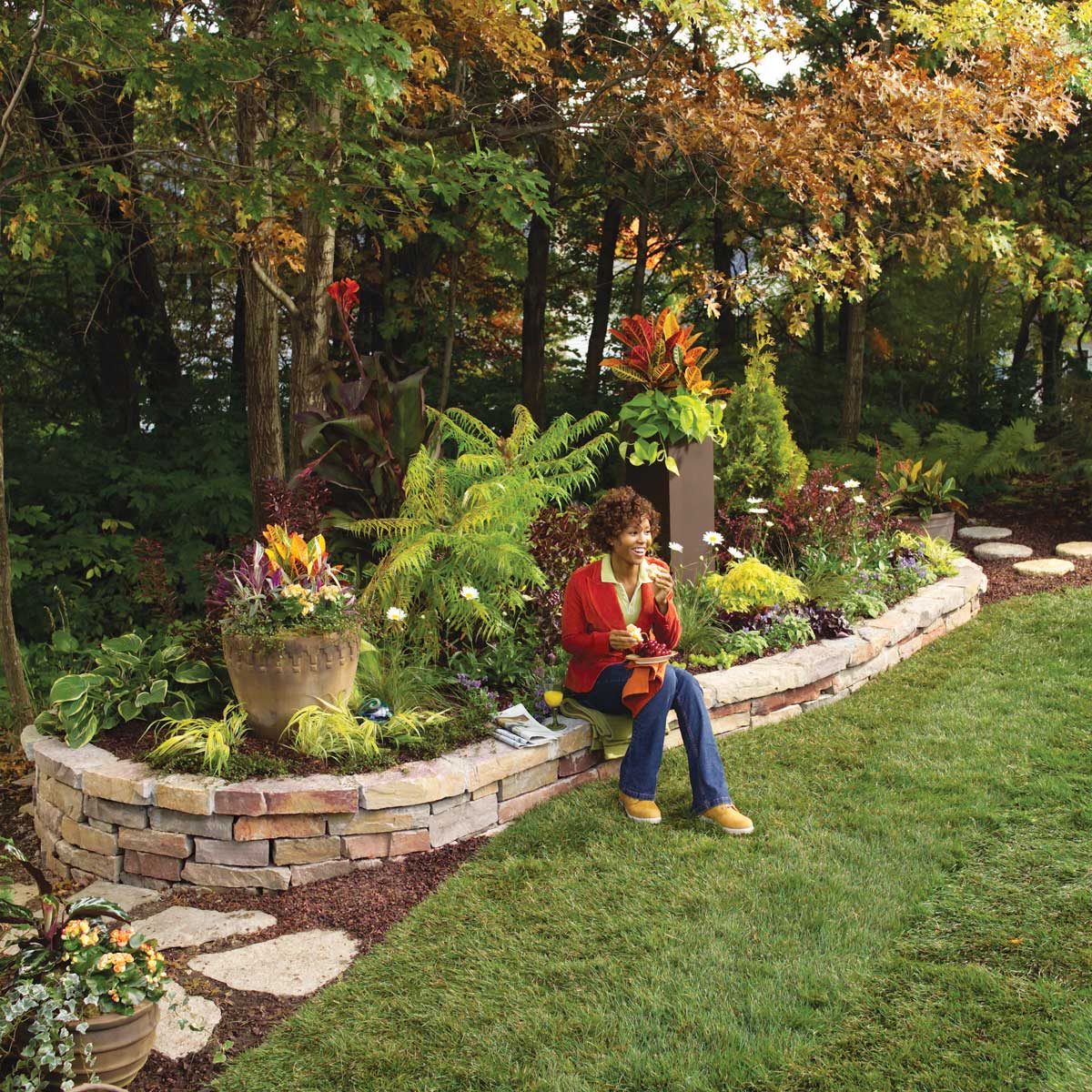
Building stone walls for a raised garden bed adds strength and beauty. You can choose to stack stones without mortar or use mortar for extra stability.
This guide covers key methods to build your stone walls properly. It also shows how to keep the walls level and aligned.
Stacking Stones Without Mortar
Stacking stones without mortar is a simple way to build walls. It lets water drain easily and gives a natural look.
- Choose flat stones for better stacking.
- Place larger stones at the bottom for a strong base.
- Fit stones tightly to avoid gaps.
- Use smaller stones to fill spaces between larger ones.
- Check stability by gently pushing the wall.
Using Mortar For Stability
Mortar holds stones firmly and makes walls last longer. It is a mix of cement, sand, and water.
Follow these tips for using mortar:
- Mix mortar to a thick but workable paste.
- Apply mortar on each stone surface before stacking.
- Remove excess mortar with a trowel for a neat finish.
- Let the mortar cure for at least 24 hours.
Ensuring Level And Alignment
Level and aligned walls look good and stay strong. Use tools to check your work often.
| Tool | Purpose |
| Level | Check horizontal flatness |
| String Line | Keep walls straight |
| Tape Measure | Measure distances and heights |
| Rubber Mallet | Adjust stone positions gently |
Credit: www.familyhandyman.com
Filling The Raised Bed
Filling your raised garden bed the right way helps plants grow strong. The soil mix must support good drainage and provide nutrients.
This guide covers choosing soil, layering for drainage, and adding compost to improve fertility.
Choosing Quality Soil Mix
Pick soil that drains well but holds moisture. A mix of garden soil, compost, and coarse sand works well for most plants.
- Use loamy soil with good texture.
- Avoid heavy clay or pure sand.
- Check for soil free of weeds and pests.
- Buy organic or natural soil if possible.
Layering For Drainage And Fertility
Layering inside the bed helps water flow and keeps roots healthy. Start with coarse materials at the bottom.
| Layer | Material | Purpose |
| Bottom | Gravel or small stones | Improve drainage |
| Middle | Coarse organic matter (twigs, straw) | Air circulation and slow decomposition |
| Top | Quality soil mix | Plant roots and nutrient supply |
Adding Compost And Amendments
Compost adds nutrients and helps soil hold water. Mix it into the top layer for best results.
- Use well-rotted compost to avoid harming plants.
- Add organic fertilizers like bone meal or kelp powder.
- Test soil pH and add lime or sulfur if needed.
- Turn the soil gently to mix amendments evenly.
Maintaining Your Stone Raised Bed
Stone raised beds add beauty and function to your garden. Keeping them well-maintained helps plants grow strong.
Regular care prevents problems and keeps your garden healthy all year.
Preventing Weed Growth
Weeds compete with your plants for water and nutrients. Stopping weeds early saves time and effort.
- Use mulch to cover soil and block light.
- Pull out weeds by hand before they spread seeds.
- Check edges of stone walls for weed growth.
- Consider adding a weed barrier fabric under the soil.
Monitoring Soil Health
Good soil helps plants grow better. Check soil health often to catch problems early.
| Test Type | What It Shows | How Often |
| pH Level | Soil acidity or alkalinity | Every 1-2 years |
| Nutrient Test | Levels of nitrogen, phosphorus, potassium | Each planting season |
| Soil Texture | Balance of sand, silt, clay | Every 3 years |
Add compost or organic matter to improve soil if tests show low nutrients or poor texture.
Repairing Stone Walls
Stone walls can shift or lose stones over time. Fixing them keeps your bed strong and safe.
- Check walls regularly for loose or missing stones.
- Remove dirt and debris from cracks before repairs.
- Use mortar or dry stacking methods to reset stones.
- Wear gloves and safety glasses when handling stones.
- Replace any broken stones with similar-sized ones.
Credit: pune-okayamafriendshipgarden.com
Creative Enhancements
Raised garden beds made with stone offer a sturdy and natural look. You can add creative touches to make them even more inviting and useful.
Adding features like seating, decorations, and companion plants can improve both the style and function of your garden bed.
Incorporating Seating
Building seating into your raised stone garden bed creates a relaxing spot. You can use flat stones or wooden planks along the edges.
- Choose sturdy stones wide enough to sit on
- Place stones evenly along one or more sides
- Add cushions or weatherproof covers for comfort
- Ensure the seating area is level and safe
- Consider adding a small table or shelf nearby
Adding Decorative Elements
Decorative elements bring personality to your stone garden bed. Use materials that complement the stone and plants.
Decorative Ideas
- Place small statues or garden gnomes at corners
- Use colorful stones or pebbles to create patterns
- Install solar garden lights along the edges
- Attach decorative metal or wooden signs
- Hang small planters or bird feeders on nearby posts
Planting Companion Plants
Companion plants improve growth and repel pests. Choose plants that work well together around your raised bed.
| Primary Plant | Good Companion | Benefit |
|---|---|---|
| Tomatoes | Basil | Improves flavor and repels insects |
| Carrots | Onions | Deters carrot flies |
| Cucumbers | Dill | Attracts beneficial insects |
| Beans | Marigolds | Protects from pests |
| Peppers | Spinach | Maximizes space and nutrients |
Frequently Asked Questions
What Materials Are Needed For A Stone Raised Garden Bed?
You need natural stones or bricks, landscape fabric, gravel, soil, and basic tools like a shovel and level. Quality stones ensure durability and aesthetic appeal for your garden bed.
How Do I Prepare The Ground For A Stone Garden Bed?
Clear grass and debris, level the soil, and lay landscape fabric to prevent weeds. This foundation helps stabilize stones and promotes healthy plant growth.
How High Should A Raised Stone Garden Bed Be?
A height of 12 to 18 inches is ideal for most plants. This depth provides good drainage and enough soil for root development.
Can I Build A Stone Garden Bed Without Mortar?
Yes, dry stacking stones works if stones fit tightly. This method allows better drainage and easier future modifications.
Conclusion
Building a raised garden bed with stone adds beauty and strength to your garden. You create a lasting space for plants to grow well. Stone walls keep soil in place and resist weather damage. The process is simple and satisfying to do yourself.
With patience and care, your garden will thrive season after season. Try this project to enjoy fresh vegetables and flowers at home. Small steps lead to big rewards in gardening. Start your stone garden bed and watch nature flourish.