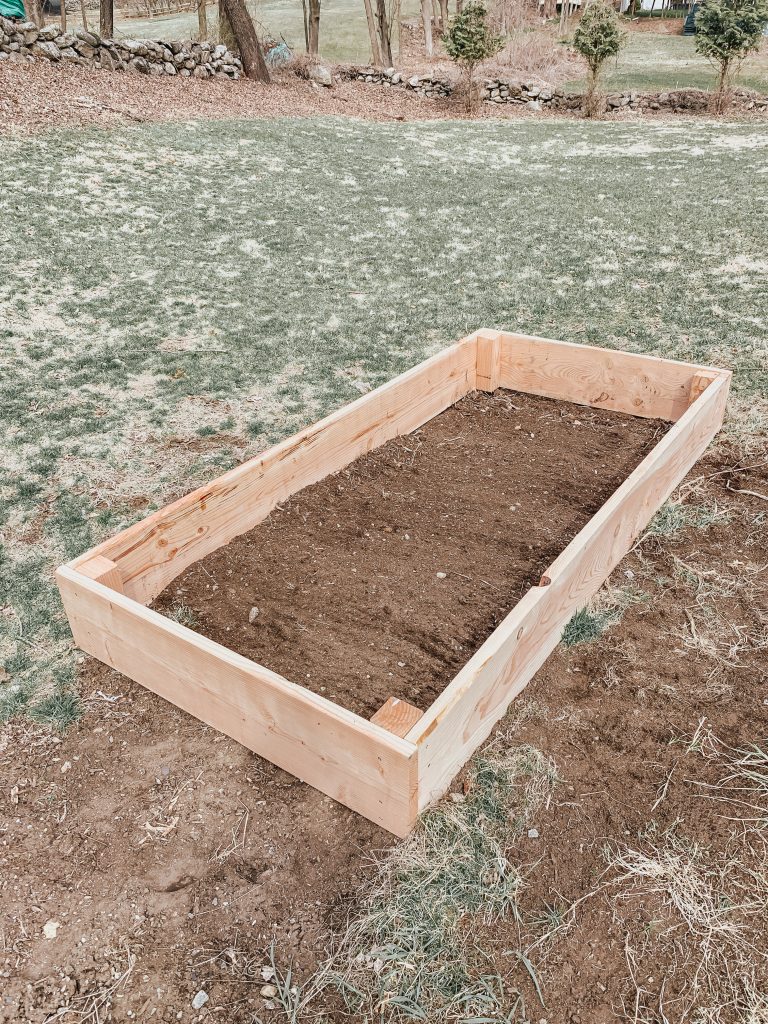
Are you ready to start your garden but worried about the cost and hassle of buying wood? What if you could build a raised garden bed without any wood at all?
Imagine having a sturdy, attractive garden space that saves you money and lasts for years. In this guide, you’ll discover simple and creative ways to make a raised garden bed using materials you might already have. Whether you’re short on time, budget, or just want something different, this article will show you exactly how to get started.
Keep reading, and you’ll soon be growing your dream garden without the wood!
Benefits Of Raised Garden Beds
Raised garden beds help you grow plants in a controlled space. They improve soil quality and drainage for better growth.
You can build raised beds without wood using materials like stone, bricks, or recycled items. These beds last longer and need less care.
Better Soil Drainage
Raised beds drain water faster than ground gardens. This stops plants from sitting in wet soil and prevents root rot.
Good drainage helps roots get oxygen and keeps plants healthy. You can control the soil mix to fit your plants’ needs.
Easier To Manage Weeds
Raised beds reduce weed growth by keeping unwanted plants out. The clear border stops grass and weeds from creeping in.
You spend less time weeding and more time caring for your plants. Raised beds also make it easy to add mulch or fabric to block weeds.
Improved Soil Quality
You can fill raised beds with fresh, rich soil. This helps plants get the nutrients they need to grow strong and healthy.
Soil in raised beds warms faster in spring. This means you can plant earlier and get a longer growing season.
Better Access And Comfort
Raised beds sit higher than ground gardens, so you don’t have to bend down much. This makes planting and harvesting easier.
They work well for people with back problems or limited mobility. You can build beds at the right height for you.
Long-lasting And Eco-friendly
Using materials like stone or bricks means your raised bed lasts a long time. You don’t worry about wood rotting or pests.
Building without wood can save trees and reduce waste. You can reuse old bricks or stones to create strong garden beds.
Alternatives To Wood
Raised garden beds do not always need wood. Many materials can build strong, lasting beds.
Using different materials can save money and reduce waste. Some options also add style to your garden.
Recycled Materials
Recycled materials like old pallets, tires, and plastic containers can create garden beds. These items are often free or cheap.
They help reduce landfill waste and give new life to old things. Make sure recycled items are safe for growing plants.
- Used pallets can be arranged as a frame
- Old tires stacked and filled with soil work well
- Large plastic containers can hold soil and plants
Stone And Brick
Stone and brick make durable, natural-looking garden beds. They last for many years and need little care.
These materials keep soil cool and retain moisture. They also add a classic look to any garden space.
- Use flat stones for easy stacking
- Bricks can be arranged in rows or patterns
- Check that stones are clean and free of chemicals
Metal Options
Metal beds made from corrugated steel or aluminum last long and resist pests. They offer a modern garden style.
Metal heats up in the sun, so place these beds in shaded areas or plant heat-tolerant crops.
- Corrugated steel is lightweight and strong
- Aluminum does not rust easily
- Use screws or bolts to secure metal panels
Concrete Blocks
Concrete blocks are affordable and easy to stack for raised beds. They provide good insulation for plants.
Blocks with holes can hold plants or be filled with soil. They create sturdy walls that stay put.
- Arrange blocks in a rectangle or square
- Fill holes with soil and small plants
- Use mortar for extra stability if needed
Straw Bales
Straw bales are a natural, easy way to make raised beds. They break down over time, adding nutrients to soil.
Place bales in a rectangle and fill with soil or compost. Water them well to start the decomposition process.
- Use straw, not hay, to avoid weeds
- Secure bales with stakes or ties
- Replace bales every season as they decompose
Choosing The Right Location
Picking the right place for your raised garden bed is very important. It helps your plants grow well and stay healthy.
Think about the light, water flow, and how easy it is to reach your garden every day.
Sunlight Requirements
Most vegetables need at least six hours of sunlight each day. Look for a spot that gets plenty of sun.
A shaded area can make plants weak and slow their growth. Choose a bright place for best results.
Drainage Considerations
Good drainage stops water from pooling around the plants. Water that sits too long can hurt roots.
Pick a place where water flows away easily. Avoid low spots that hold water after rain.
- Check if the area dries quickly after rain
- Avoid places near downspouts or gutters
- Consider adding gravel or sand below the bed
Accessibility And Convenience
Place your garden bed where you can reach it easily. This makes planting and harvesting simple.
Think about how close it is to your house or water source. Easy access saves time and effort.
- Choose a spot near a water faucet
- Make sure you can walk around the bed
- Keep it away from busy or dangerous areas
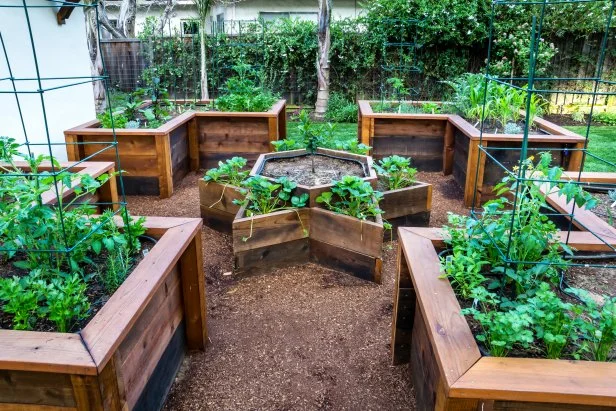
Credit: www.hgtv.com
Preparing The Ground
Preparing the ground is an important first step for building a raised garden bed without wood. This process helps plants grow strong and healthy.
Good ground preparation improves soil drainage and root space. It also stops weeds from growing under the bed.
Clearing The Area
Start by removing all grass, weeds, and debris from the spot. This makes sure nothing blocks your plants’ roots.
- Pull out grass and weeds by hand or with a garden hoe
- Remove rocks, sticks, and trash
- Clear away any old roots or plants
- Check that the area is free of sharp objects
Leveling The Surface
Leveling the ground helps water spread evenly and prevents pooling. A flat surface also keeps your garden bed stable.
Use this simple table to check if your ground is ready:
| Check | What to Do |
|---|---|
| Uneven spots | Fill holes with soil and flatten bumps |
| Soft or muddy areas | Add sand or gravel for firmness |
| Slopes | Create small terraces or steps |
Building With Recycled Materials
Raised garden beds can be made without using wood. Recycled materials offer strong and eco-friendly options. These materials help reduce waste and save money.
Using recycled items also adds unique character to your garden. With some planning, you can create a durable and attractive garden bed.
Sourcing Materials
Look for recycled materials that are safe and sturdy. Common sources include scrap metal, old bricks, concrete blocks, and plastic containers. Avoid materials with harmful chemicals or sharp edges.
- Scrap metal sheets or panels from construction sites
- Used bricks or concrete blocks from demolition
- Plastic barrels or crates that can hold soil
- Old tires to create a circular garden bed
- Recycled glass bottles for decorative borders
Assembly Process
Follow these steps to build your raised bed using recycled materials. Make sure to prepare the ground and arrange materials securely.
- Clear and level the area for the garden bed.
- Lay down a weed barrier or cardboard to prevent weeds.
- Arrange the recycled materials to form the walls.
- Secure the materials together with screws, nails, or ties.
- Fill the bed with quality soil and compost.
- Plant your seeds or seedlings carefully.
| Material | Best Use | Notes |
| Scrap Metal | Bed Walls | Rust-resistant metals last longer |
| Bricks/Blocks | Bed Walls | Heavy, stable, good for permanent beds |
| Plastic Barrels | Containers | Ensure holes for drainage |
| Old Tires | Round Beds | Stack and secure for height |
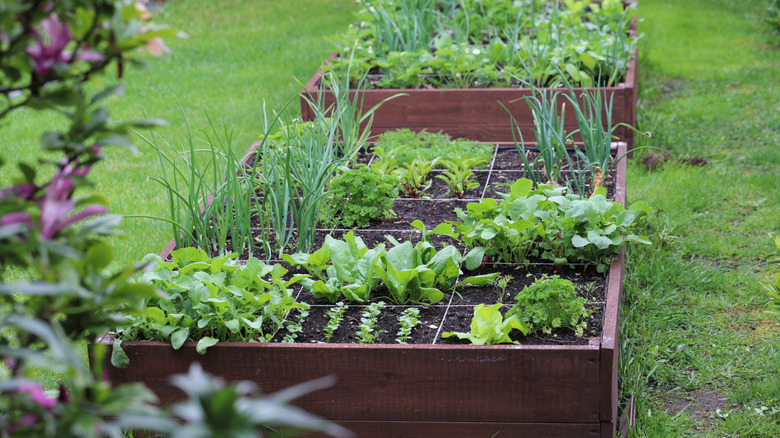
Credit: www.chowhound.com
Creating Stone Or Brick Beds
Raised garden beds made from stone or brick last a long time. They look natural and fit many outdoor spaces.
You do not need wood to build these beds. Stone and brick hold soil well and resist weather damage.
Designing The Layout
Plan your garden bed shape before building. Rectangles and squares are easy to make. Circles and curves need more planning.
Check the space for sunlight and water access. Mark the bed edges with string or spray paint. Make sure the bed fits your garden well.
- Measure the area carefully
- Decide the bed height, usually 12 to 18 inches
- Consider paths around the bed for easy access
Mortar Vs. Dry Stack
Mortar holds stones or bricks tightly. It makes the bed very strong and long-lasting. Mortar requires more skill and drying time.
Dry stack means stacking stones without mortar. It is faster and easier. Dry stack beds can shift slightly but still work well.
- Mortar: stronger, more permanent, needs curing time
- Dry stack: easier to adjust, faster to build, less stable
- Choose based on your skill and how long you want the bed
Constructing Metal Raised Beds
Raised garden beds are great for growing plants. Using metal instead of wood lasts longer and needs less care.
Metal beds resist pests and rot. They can also look modern and neat in your garden space.
Types Of Metal
Different metals work well for raised beds. Each metal has strengths and care needs.
- Galvanized Steel:Rust-resistant and strong. It lasts many years outdoors.
- Corten Steel:Develops a rust-like finish that protects it from weather.
- Aluminum:Lightweight and rust-free but can be softer than steel.
- Recycled Metal:Eco-friendly choice, but check for sharp edges and durability.
Assembly And Installation
Building a metal raised bed requires tools and care. Start by measuring your garden area for size.
Use screws or bolts to join metal panels. Wear gloves to avoid cuts from sharp edges.
- Clear the ground where the bed will sit.
- Assemble metal panels on a flat surface.
- Secure corners with brackets or metal connectors.
- Level the bed to keep soil even.
- Fill with good soil and compost for planting.
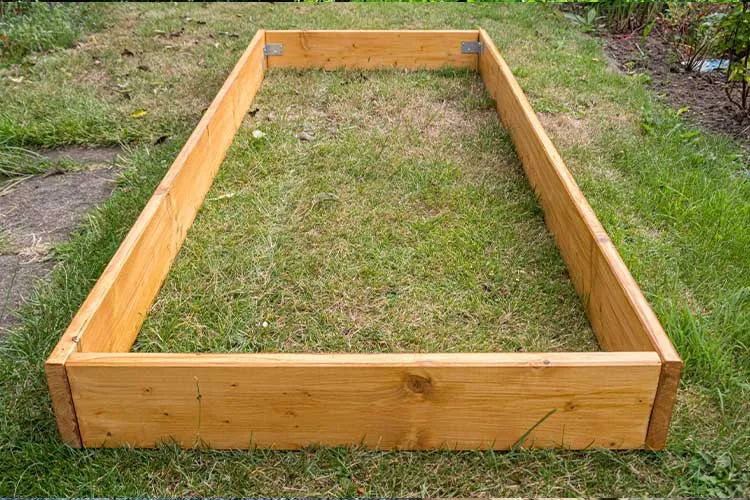
Credit: www.farmfreshchoice.com
Using Concrete Blocks
Concrete blocks are a great option to build raised garden beds without wood. They are strong, durable, and easy to arrange. These blocks can hold soil well and last many years.
You can create different shapes and sizes with concrete blocks. They also allow good drainage and air flow for your plants.
Layout And Design
Plan your garden bed layout before placing the blocks. Decide the size and shape you want. Rectangles and squares are simple to build.
Place the blocks on level ground. Use a tape measure to keep sides even. Leave space between blocks for drainage and root growth.
- Measure the area for your garden bed
- Mark the corners with spray paint or stakes
- Arrange blocks in a single or double layer
- Keep the blocks aligned and level
- Leave gaps between blocks for water flow
Securing The Blocks
Secure the blocks to keep them stable and safe. You can use construction adhesive or mortar between blocks. This stops shifting and keeps the shape firm.
For added strength, fill the hollow parts of the blocks with gravel or concrete. This adds weight and support to your raised bed.
- Apply construction adhesive on block edges
- Use mortar for a stronger bond if you want
- Fill block holes with gravel or concrete mix
- Check block alignment as you build up layers
- Let adhesive or mortar dry fully before adding soil
Implementing Straw Bale Gardens
Straw bale gardens offer an easy way to create raised beds without wood. They use straw bales as both the container and growing medium.
This method is great for poor soil or small spaces. You can grow many plants with simple materials.
Conditioning The Bales
Fresh straw bales need conditioning before planting. This process helps break down the straw and creates a good environment for roots.
Start by wetting the bales well. Keep them moist and add fertilizer to speed up decomposition.
- Water the bales daily for about 10 days
- Add nitrogen fertilizer or compost to feed microbes
- Turn the bales or poke holes to improve airflow
- Check temperature; it should feel warm inside
- Stop conditioning once the bale is warm and soft
Planting Techniques
Planting in straw bale gardens is simple. You can plant seeds or transplants directly into the bales.
Make holes about 4 inches deep in the straw. Place plants or seeds and cover lightly with straw or soil.
- Use a trowel to make holes in the bale
- Plant seedlings or sow seeds in the holes
- Water plants gently after planting
- Keep bales moist but not soaked
- Add mulch on top to retain moisture
Soil And Planting Considerations
Building a raised garden bed without wood requires careful soil and planting choices. Good soil helps plants grow strong and healthy.
Choosing the right plants and soil mix will make your garden productive and easy to maintain.
Choosing The Right Soil Mix
Use a soil mix that drains well but holds moisture. This helps roots get air and water.
A good mix has equal parts compost, peat moss, and vermiculite or perlite. This blend feeds plants and keeps soil light.
- Compost adds nutrients
- Peat moss retains moisture
- Vermiculite improves aeration
- Perlite helps drainage
Companion Planting Ideas
Planting certain plants together can protect them from pests and improve growth. Choose companions that help each other.
Some plants repel bugs, while others attract helpful insects. Use companion planting to keep your bed healthy.
- Basil and tomatoes grow well together
- Carrots and onions keep pests away
- Beans add nitrogen to the soil for corn
- Marigolds protect many vegetables from insects
Frequently Asked Questions
What Materials Can Replace Wood For Raised Garden Beds?
You can use bricks, concrete blocks, stone, metal, or recycled plastic boards. These materials are durable, weather-resistant, and eco-friendly alternatives to wood.
How Do I Build A Raised Bed Without Wood?
Start by outlining your bed area, then stack your chosen material like bricks or stones. Fill the bed with quality soil and compost for planting.
Are Raised Beds Without Wood More Durable?
Yes, non-wood materials resist rot, insects, and weather damage better. This means longer-lasting garden beds with less maintenance over time.
Can I Grow Vegetables In Raised Beds Without Wood?
Absolutely! Raised beds made from stone, bricks, or metal provide excellent drainage and soil control, ideal for growing healthy vegetables.
Conclusion
Building a raised garden bed without wood is simple and affordable. Use stones, bricks, or recycled materials to create strong sides. Fill it with good soil and plant your favorite vegetables or flowers. This method saves money and avoids wood decay.
You can make your garden look neat and last longer. Try different shapes and sizes to fit your space. Enjoy growing fresh plants with this easy, wood-free garden bed idea. Start today and watch your garden flourish!