Are you tired of waking up cold or uncomfortable during your camping trips? A sleeping bag liner could be the simple fix you need to stay cozy all night long.
Making your own liner is easier than you think, and it lets you choose the perfect fabric to match your style and comfort. In this guide, you’ll discover step-by-step how to create a sleeping bag liner that fits your needs perfectly.
Keep reading, and you’ll soon enjoy warmer, cleaner, and more comfortable nights outdoors.

Credit: www.amazon.ca
Materials Needed
Making a sleeping bag liner requires some basic materials. Choosing the right supplies ensures your liner is comfortable and durable.
This guide covers the fabrics and sewing tools you will need to start your project.
Choosing The Right Fabric
Select fabric that feels soft and keeps you warm. Lightweight and breathable materials work best for liners.
- Cotton flannel: soft and warm for cold weather
- Silk: smooth, lightweight, and packs small
- Fleece: warm and easy to clean
- Lightweight polyester: dries fast and resists wrinkles
Essential Sewing Supplies
| Supply | Purpose |
|---|---|
| Fabric scissors | Cut fabric cleanly and precisely |
| Measuring tape | Measure fabric and body size |
| Sewing machine or needle | Stitch fabric pieces together |
| Thread | Match fabric color and hold seams |
| Pins or clips | Hold fabric pieces before sewing |
| Iron and ironing board | Press seams flat for neat finish |

Credit: www.amazon.ca
Measuring And Cutting
Making a sleeping bag liner starts with measuring and cutting fabric. Accurate cuts help the liner fit well and keep you warm.
Take your time to measure carefully. Use the right tools to cut the fabric straight and even.
Determining Liner Size
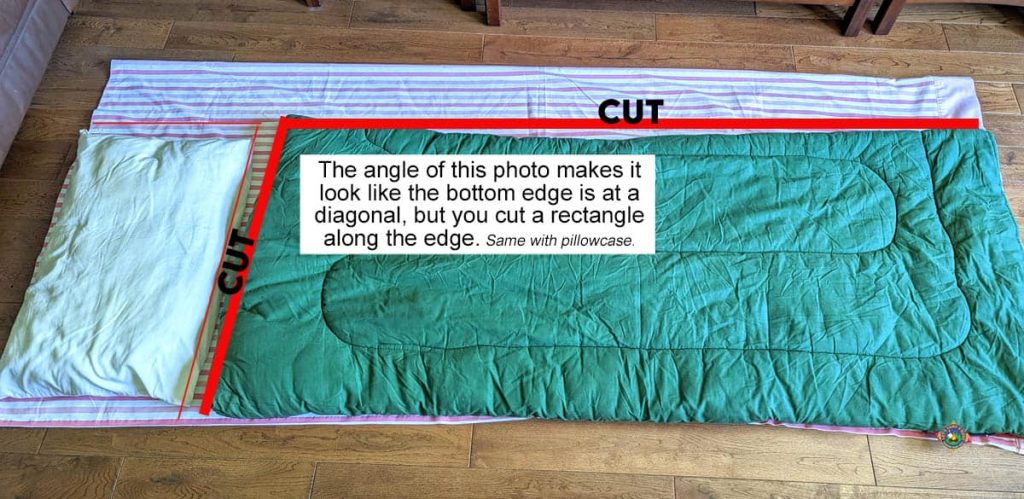
Measure your sleeping bag to find the right size for the liner. The liner should fit inside without being too tight or loose.
Add a few inches to the length and width for comfort and seam allowance. This extra space helps when sewing the liner.
- Measure the length of your sleeping bag from top to bottom
- Measure the width at the widest part
- Add 2 to 3 inches to each measurement for seams and ease
Cutting Fabric Accurately
Use a sharp pair of fabric scissors or a rotary cutter for clean cuts. Make sure the fabric is flat and smooth before cutting.
Mark the fabric with chalk or a fabric pen using your measurements. Cut along the marks slowly to avoid mistakes.
- Lay fabric on a flat surface
- Use rulers to draw straight lines
- Cut carefully on the drawn lines
- Keep fabric layers even if cutting multiple pieces
Sewing The Liner
Creating a sleeping bag liner is a fun project. It keeps your sleeping bag clean and adds warmth. Follow these steps to sew your own liner.
Choose a soft, breathable fabric like cotton or silk. This will make your liner comfortable to sleep in.
Stitching The Sides
Start by folding the fabric in half. Make sure the edges are aligned properly. Sew along the open sides to form a large pocket.
Use a straight stitch for strong seams. Keep your stitches close together for durability. Leave one end open for easy entry.
- Fold fabric in half
- Sew along two sides
- Leave top end open
Adding A Drawstring Or Zipper
A drawstring or zipper makes your liner easy to use. It also helps keep the liner in place inside your sleeping bag.
If you choose a drawstring, sew a casing at the open end. Thread the string through the casing and tie knots at the ends.
For a zipper, sew it along the open edge. Make sure the zipper is strong and durable.
- Sew casing for drawstring
- Thread string and tie knots
- Sew zipper for easy closure
Customizing For Comfort
Making your own sleeping bag liner lets you adjust it for your comfort. You can add warmth or keep it cool depending on your needs.
Choosing the right materials and layers helps you enjoy better sleep outdoors. This guide shows how to make a liner that fits you perfectly.
Adding Insulation Layers
Adding insulation layers to your liner keeps you warm during cold nights. You can sew thin layers inside for extra heat without bulk.
- Use fleece or wool fabric for warmth
- Choose thin batting to keep the liner light
- Layer materials to trap heat effectively
- Attach layers with simple stitches or quilting
- Make sure the insulation fits the liner size
Selecting Breathable Fabrics
Breathable fabrics let moisture escape and keep you dry. Choosing the right fabric improves comfort and prevents overheating.
| Fabric Type | Breathability | Comfort Level |
| Cotton | High | Soft and cool |
| Silk | Medium | Light and smooth |
| Polyester | Low | Durable but less breathable |
| Flannel | Medium | Warm and cozy |
Care And Maintenance
Taking good care of your sleeping bag liner helps it last longer. It keeps the liner clean and fresh for every trip.
Proper care also keeps the fabric soft and comfortable. Follow easy steps to clean and store your liner well.
Cleaning Your Liner
Wash your sleeping bag liner after every few uses. This removes dirt, sweat, and oils that build up over time.
Use a gentle detergent and cold water to protect the fabric. Avoid bleach or harsh chemicals that can damage the liner.
- Hand wash or use a gentle cycle in the washing machine
- Rinse well to remove all soap
- Do not wring or twist the liner
- Air dry flat or hang in shade
Storing Tips
Store your sleeping bag liner in a dry and cool place. Avoid tight packing to keep the fabric fluffy and soft.
Use a loose storage bag or a cotton pillowcase. This lets air flow and prevents mildew or bad smells.
- Keep liner away from direct sunlight
- Do not store when wet or damp
- Fold loosely to avoid creases
- Check liner regularly for damage

Credit: alpkit.com
Frequently Asked Questions
What Materials Are Best For Making A Sleeping Bag Liner?
The best materials for a sleeping bag liner are lightweight, breathable fabrics like cotton, silk, or fleece. Cotton is soft and affordable, silk is lightweight and compact, and fleece provides extra warmth. Choose based on your comfort, climate, and weight preferences for optimal use.
How Do I Sew A Sleeping Bag Liner Step-by-step?
Cut fabric to match your sleeping bag size. Sew three sides together, leaving one open for entry. Hem edges to prevent fraying. Turn the liner inside out for a smooth finish. This simple process creates a custom liner that fits perfectly.
Can A Sleeping Bag Liner Increase Warmth Effectively?
Yes, a sleeping bag liner adds an extra insulation layer, boosting warmth by several degrees. It traps body heat, reduces wear on your sleeping bag, and keeps it clean. Liners are especially useful in colder conditions or for those who feel chilly overnight.
How Do I Clean And Maintain A Sleeping Bag Liner?
Machine wash your liner on a gentle cycle with mild detergent. Avoid bleach and fabric softeners. Air dry or tumble dry on low heat. Regular cleaning keeps the liner fresh, extends its life, and maintains hygiene during outdoor trips.
Conclusion
Making a sleeping bag liner is simple and useful. It keeps your sleeping bag clean and adds extra warmth. You can choose fabrics that feel soft and dry quickly. A homemade liner also saves money compared to buying one. Try different sizes and materials to find what works best.
This small project improves your camping comfort a lot. Give it a try on your next outdoor trip. You’ll sleep better and enjoy your adventure more.