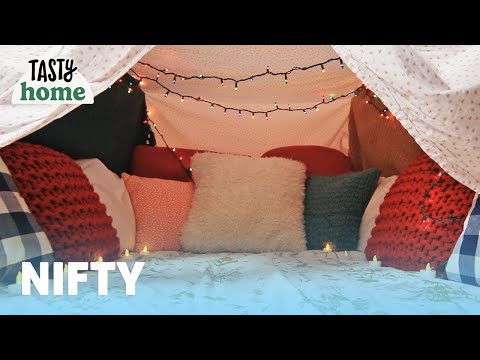
Looking for a fun and cozy way to spend time at home? Making a tent with blankets is easier than you think—and it can turn any room into your own secret hideaway.
Whether you want a quiet spot to read, play, or just relax, this simple project lets you create your perfect little space. Ready to learn how to build your very own blanket tent? Keep reading, and you’ll have your cozy retreat set up in no time.

Credit: www.fleecefun.com
Choosing The Right Blankets
Making a tent at home with blankets can be fun and cozy. Picking the right blankets helps your tent stay strong and comfortable.
This guide will help you choose blankets that fit your needs for size, warmth, and material.
Types Of Blankets To Use
Not all blankets work well for building a tent. Some are better for structure and others for softness.
- Fleece blankets are light and easy to handle.
- Wool blankets offer strong warmth and durability.
- Quilted blankets add thickness and support.
- Throw blankets are small but good for extra layers.
Blanket Size And Thickness
Size and thickness affect how well your tent holds up and how cozy it feels inside.
| Blanket Size | Best Use |
| Large (over 60 x 80 inches) | Covering a big area for the tent roof |
| Medium (50 x 70 inches) | Side walls or floor padding |
| Small (under 50 x 70 inches) | Extra layers or small gaps |
| Thin blankets | Easy to fold but less sturdy |
| Thick blankets | More support and warmth |
Materials For Comfort And Warmth
Material matters for keeping you warm and comfortable inside your blanket tent.
- Cotton blankets are soft but may not keep heat well.
- Fleece feels cozy and warms quickly.
- Wool works best for cold spaces and stays warm if wet.
- Polyester blends dry fast and resist wrinkles.
Selecting A Suitable Location
Making a tent with blankets at home starts with picking the right spot. A good location keeps the tent stable and comfortable.
Think about space, safety, and how cozy the area feels before setting up your tent.
Indoor Spaces That Work Best
Choose a room with enough open space to build your tent. Living rooms and bedrooms often work well.
Look for spots with flat floors and few obstacles. This helps your tent stay steady and easy to enter.
- Living room floors
- Bedroom corners
- Playrooms or basements
- Areas with soft rugs or carpets
Clearance And Safety Tips
Keep space clear around your tent to avoid bumps or falls. Remove items that could block the tent’s entrance.
Check for sharp objects or fragile items nearby. Make sure the tent is not near heaters or electrical outlets.
- Clear at least two feet around the tent
- Keep the area free of toys and clutter
- Avoid placing near heat sources
- Use soft mats or rugs under the tent
Creating A Cozy Atmosphere
Add pillows and blankets inside your tent for comfort. Soft lighting can make the space warm and inviting.
Choose a quiet spot to relax and enjoy your tent. Personal touches make the space feel special and cozy.
- Use fairy lights or small lamps
- Add stuffed animals or favorite toys
- Include soft blankets and cushions
- Pick a calm and quiet corner
Building The Tent Frame
Making a tent at home with blankets is fun and easy. The first step is to build a sturdy frame. The frame holds the blankets up and gives shape to the tent.
You can use many things around the house to create the frame. This guide shows how to use furniture and simple DIY ideas. It also explains how to keep the frame stable.
Using Furniture As Support
Furniture like chairs and tables make great supports for your tent frame. They are easy to move and sturdy enough to hold blankets.
Place chairs back to back or use a table as the center. Drape blankets over the furniture to form walls and roof. This setup is quick and needs no extra tools.
- Use chairs to create walls and roof support
- Put a table in the middle for a bigger tent
- Stack cushions on furniture to raise height
- Space furniture evenly for better blanket coverage
Diy Frame Ideas
You can build your own frame using household items. Use broomsticks, mop handles, or curtain rods as poles. Tape or tie them together to make a frame shape.
Another idea is to use string or rope to connect furniture. This adds extra support and holds blankets tightly in place.
- Join broomsticks with tape or string
- Create a triangle or rectangle shape frame
- Use string to connect furniture pieces
- Make sure the frame is tall enough to sit inside
Securing The Structure
Keep the tent frame stable by securing the base. Use heavy objects or tie the frame to furniture legs. This stops it from falling down.
Pinch the blankets inside the frame or use clips to hold them tight. Check all corners to make sure the tent stays in place while you play.
- Place books or boxes at the base for weight
- Tie rope around furniture legs for extra hold
- Use clothespins or clips to fasten blankets
- Test stability before entering the tent
Draping And Arranging Blankets
Making a tent at home with blankets is a fun and cozy activity. The way you drape and arrange the blankets affects how strong and comfortable your tent will be.
Using simple techniques, you can build a nice tent shape. This guide focuses on how to layer blankets, create walls and a roof, and avoid gaps or drafts.
Layering Techniques
Start by placing a large blanket as the base layer. This makes the floor soft and warm. Next, add other blankets on top to build strength and thickness.
Layer blankets by folding or overlapping edges. This helps cover weak spots and creates a sturdy tent structure.
- Use heavier blankets at the bottom for stability
- Overlap edges by several inches to block light and air
- Fold blankets to add thickness where needed
Creating Walls And Roof
Drape blankets over chairs, tables, or other furniture to form walls and a roof. Make sure blankets hang down enough to create full enclosure.
Use clips or heavy objects to hold blankets in place. This keeps your walls and roof steady and stops them from slipping.
- Drape one blanket over a frame for the roof
- Use additional blankets as side walls
- Secure edges with books or clips to prevent slipping
Avoiding Gaps And Drafts
Check all sides of your tent for gaps. Gaps let cold air in and reduce comfort. Tuck blankets tightly and overlap corners well.
Use extra blankets or pillows to seal holes. This keeps the inside warm and cozy.
- Overlap blanket edges to cover holes
- Tuck blankets under furniture to block drafts
- Use pillows to fill small gaps
Adding Comfort Inside
Making a tent at home with blankets is fun. Adding comfort inside makes it cozy and inviting.
Soft textures and gentle lighting help create a relaxing space. Use simple items you have at home.
Pillows And Cushions
Pillows and cushions add softness to your blanket tent. They support your back and head.
Use different sizes and shapes for more comfort. Cover them with clean pillowcases or soft fabric.
- Large pillows for sitting or leaning
- Small cushions for extra support
- Soft fabric covers to stay cozy
Soft Rugs And Mats
Place soft rugs or mats on the floor inside the tent. They keep your feet warm and comfortable.
Choose thick or fluffy rugs to make the floor less hard. You can use yoga mats or blankets too.
- Fluffy rugs for a soft floor
- Yoga mats for extra padding
- Blankets folded for added thickness
Lighting Options For Ambiance
Soft lighting creates a warm and calm mood inside your tent. Avoid bright or harsh lights.
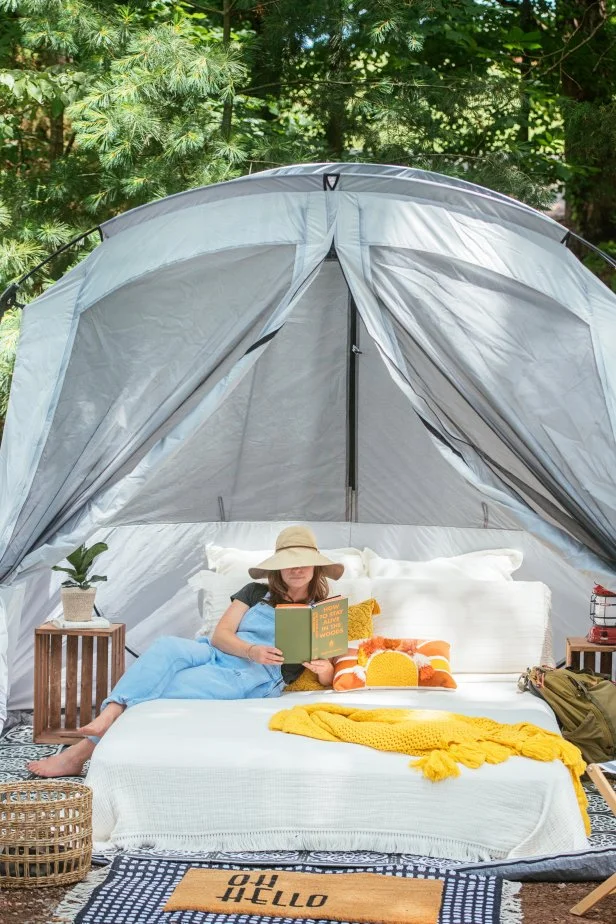
Use small lamps, fairy lights, or battery candles. These lights make the space feel magical.
- Battery-operated fairy lights for gentle glow
- Small table lamps with warm bulbs
- LED candles for safe, cozy light
Credit: www.hgtv.com
Fun Extras For The Tent
Making a blanket tent at home is exciting, but adding fun extras makes it even better. These extras create a cozy and playful space everyone will enjoy.
Here are some ideas to decorate, entertain, and refresh your tent time with snacks and drinks.
Decorative Touches
Decorate your tent to make it feel special. You can use simple items found around the house to brighten up the space.
- String fairy lights or small lamps around the tent edges.
- Use colorful pillows and blankets for comfort and style.
- Hang paper lanterns or craft paper shapes from the ceiling.
- Place stuffed animals or dolls inside the tent.
- Draw or tape fun shapes on the walls using washable markers or paper cutouts.
Entertainment Ideas
Keep everyone entertained with games and activities inside the tent. Choose quiet and easy-to-do fun things that fit the small space.
- Read books or tell stories by flashlight.
- Play card games or simple board games.
- Have a puppet show using socks or paper puppets.
- Listen to music or audio stories on a small speaker.
- Draw or color on clipboards or small notebooks.
Snack And Drink Setup
Prepare easy snacks and drinks to enjoy inside the tent. Keep things neat to avoid messes and spills.
| Snack | Drink | Tip |
|---|---|---|
| Popcorn | Water | Use small bowls and cups with lids. |
| Fruit slices | Juice boxes | Choose bite-sized pieces for less mess. |
| Mini sandwiches | Milk | Wrap sandwiches to keep fresh. |
| Cookies | Herbal tea | Keep napkins handy for crumbs. |
Maintaining And Storing Blankets
Making a tent with blankets is fun, but keeping blankets clean and stored well is important. Proper care helps blankets last longer and stay soft.
Learn simple ways to clean, fold, and store your blankets. These tips keep your blankets fresh for many uses.
Cleaning Tips
Wash blankets regularly to keep them fresh. Check the label for washing instructions. Use mild detergent and cold water for best results.
Dry blankets completely before storing. Avoid direct sunlight to prevent colors from fading. Spot clean stains quickly to stop them from setting.
- Use gentle cycle on the washing machine
- Do not overload the washer
- Air dry or tumble dry on low heat
- Brush off dust before washing
- Use stain remover on spots before washing
Proper Folding And Storage
Fold blankets neatly to save space and keep them smooth. Avoid tight folds that can cause creases. Store blankets in dry, cool places.
Use breathable storage bags or bins to protect blankets from dust and moisture. Avoid plastic bags that trap humidity and cause mildew.
- Fold blankets flat and smooth
- Stack blankets by size for easy access
- Use cotton or linen storage bags
- Keep blankets away from heat sources
- Store blankets in closets or under beds
Extending Blanket Lifespan
Use blankets gently to avoid tears and holes. Rotate blankets often to prevent one from wearing out fast. Air blankets outside to keep them fresh.
Repair small holes or loose threads quickly. Avoid eating or drinking on blankets to reduce stains. Proper care helps blankets stay soft and useful.
- Handle blankets with clean hands
- Fix small damages early
- Rotate blankets regularly
- Keep blankets dry and aired
- Store blankets away from pets

Credit: www.gracepiperfields.com
Frequently Asked Questions
How Do I Start Making A Blanket Tent At Home?
Begin by selecting sturdy blankets and a frame like chairs or a table. Drape blankets over the frame evenly. Secure edges with clips or heavy objects to keep the tent stable and cozy.
What Materials Are Best For A Homemade Blanket Tent?
Use thick blankets, comforters, or quilts for warmth and durability. Chairs, couches, or a sturdy table work well as support. Clips or clothespins help keep blankets in place.
How Can I Make The Blanket Tent More Stable?
Anchor corners with heavy objects or use clips to fasten blankets tightly. Avoid gaps by overlapping blankets. Ensure the frame is steady and won’t collapse easily.
What Activities Are Ideal Inside A Blanket Tent?
Reading, playing board games, watching movies, or relaxing are perfect. It creates a cozy, private space for children or adults. Adding pillows and fairy lights enhances comfort and ambiance.
Conclusion
Building a blanket tent at home is fun and simple. You only need a few blankets and some furniture. It creates a cozy space for reading, playing, or resting. Kids and adults both enjoy this easy activity. Try different shapes and sizes to see what works best.
This small project brings comfort and joy inside your home. Give it a try today and enjoy your new blanket tent.