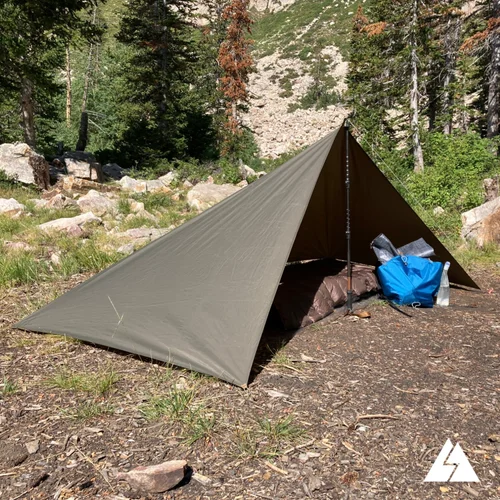
Have you ever found yourself needing quick shelter while camping or hiking? Making a tent out of a tarp is one of the easiest and most effective ways to protect yourself from rain, wind, and sun.
Imagine having a simple, lightweight shelter that you can set up anywhere, anytime. In this guide, you’ll learn step-by-step how to turn a basic tarp into a sturdy tent. Whether you’re a beginner or just want to improve your outdoor skills, this article will give you practical tips to keep you safe and comfortable.
Keep reading to discover how easy it is to create your own tarp tent and take control of your next adventure.
Choosing The Right Tarp
Making a tent from a tarp starts with picking the right tarp. The right choice can keep you dry and safe outdoors.
Consider the material, size, weight, and waterproof features to find a tarp that fits your needs.
Material Types
Tarp materials affect durability and comfort. Common types include polyethylene, nylon, and canvas.
- Polyethylene:Lightweight and cheap, but can tear easily.
- Nylon:Strong and light, dries quickly, good for backpacking.
- Canvas:Heavy but very durable, good for long-term use.
Size And Weight
Choose a tarp size that covers your tent space well. Weight matters if you carry it far.
| Size | Use | Weight |
| 6 x 8 feet | Small tent, solo camping | Light |
| 8 x 10 feet | Medium tent, two people | Medium |
| 10 x 12 feet | Large tent, group camping | Heavy |
Waterproof Features
Waterproof tarps keep rain and moisture out. Look for strong coatings and sealed seams.
Here are key waterproof features to check:
- Polyurethane (PU) coating for water resistance
- Seam taping or welding to stop leaks
- High water column rating (measured in mm)

Credit: www.youtube.com
Essential Tools And Supplies
Making a tent out of a tarp is simple and fun. You need the right tools and supplies to get started.
Gathering these materials ensures you can set up your shelter quickly. Let’s look at what you need.
Ropes And Paracord
Ropes and paracord are crucial for securing your tarp. They help tie the tarp to trees or stakes.
- Choose strong ropes for durability
- Paracord is lightweight and versatile
- Ensure you have enough length for tying
Stakes And Pegs
Stakes and pegs keep your tarp in place. They anchor the corners to the ground securely.
| Type | Material | Use |
| Metal stakes | Aluminum | Hard ground |
| Plastic pegs | Polypropylene | Soft soil |
| Wooden stakes | Wood | General use |
Poles And Supports
Poles and supports give structure to your tarp tent. They hold the tarp up and create space underneath.
Preparing Your Campsite
Setting up a tarp tent starts with preparing your campsite. This makes your shelter safe and comfortable. Taking time to prepare helps avoid problems later.
Focus on choosing the right spot, clearing the area, and thinking about the wind. These steps help you build a strong tent with your tarp.
Selecting A Flat Area
Look for a flat spot to pitch your tarp tent. Flat ground helps your tent stay steady. It also makes sleeping more comfortable.
Avoid slopes or uneven ground. Water can pool on low spots, making your tent wet. Flat ground keeps you dry and stable.
Clearing Debris
Remove rocks, sticks, and leaves from your chosen spot. Debris can damage your tarp or make sleeping hard. Clear the ground well before setting up.
- Pick up sharp objects that can tear the tarp
- Remove sticks that poke through your sleeping pad
- Clear leaves to stop moisture buildup
Considering Wind Direction
Check the wind direction before setting your tarp. Position your tarp to block strong winds. This helps keep your tent stable and warm.
Face the tarp opening away from the wind. Use natural barriers like trees or bushes for extra protection.
Basic Tarp Tent Designs
Using a tarp to make a tent is simple and quick. It gives you shelter from rain and wind. You can build many shapes with just a tarp and some rope.
This guide shows three basic tarp tent designs. Each style is easy to set up and uses common camping gear.
A-frame Setup
The A-frame is a classic tarp tent shape. It looks like the letter A. You tie a rope between two trees to make a ridge line. Then drape the tarp over the rope.
- Find two trees about 6-8 feet apart
- Tie a rope tight between the trees
- Fold the tarp in half and place it over the rope
- Stake down the tarp edges on both sides
- Adjust the height for good headroom
Lean-to Style
The lean-to style uses one side tied high and the other staked to the ground. It is open on one side. This design blocks wind and rain from one direction.
- Choose a tree or pole to tie the tarp
- Attach one long edge of the tarp to the tree or pole
- Pull the opposite edge to the ground and stake it
- Secure the corners with stakes
- Leave the open side facing away from wind
Pyramid Shelter
The pyramid shelter uses a single high point. It covers more space and is stable in wind. You can use a trekking pole or a strong stick in the center.
| Item | Purpose |
|---|---|
| Tarp | Main shelter covering |
| Trekking pole or stick | Supports the center point |
| Stakes | Hold the tarp edges to ground |
| Rope | Tie tarp corners if needed |
Step-by-step Setup Instructions
Making a tent out of a tarp is a simple and useful skill. It gives you shelter and protection outdoors. Follow these easy steps to set up your tarp tent right.
This guide covers setting anchor points, tying knots, and adjusting tension. Each part helps keep your tarp secure and stable.
Setting Anchor Points
Anchor points hold your tarp in place. Find strong spots like trees or stakes in the ground. These points keep the tarp steady during wind or rain.
- Choose two sturdy trees or poles about 6 to 8 feet apart.
- Use tent stakes to secure corners if no trees are nearby.
- Make sure anchors are firm and won’t move.
- Check the ground for rocks or roots before placing stakes.
Tying Knots And Securing
Use strong knots to fasten your tarp to the anchor points. Good knots prevent slipping and keep your tarp tight.
| Knot | Description | Use |
|---|---|---|
| Taut-Line Hitch | Adjustable loop knot | For tensioning guy lines |
| Bowline | Fixed loop knot | Secures tarp corners to anchors |
| Square Knot | Simple binding knot | Tying two ropes together |
Practice these knots before camping. They help keep your tarp safe and stable.
Adjusting Tension
Tension keeps your tarp tight and prevents sagging. Adjust it by pulling the ropes or lines at anchor points.
- Start by tightening each corner evenly.
- Check for loose areas and pull the lines tighter.
- Use the taut-line hitch knot to make fine adjustments.
- Ensure the tarp slopes to let water run off.
- Recheck tension after strong wind or rain.

Credit: www.youtube.com
Tips For Stability And Weatherproofing
Building a tent from a tarp can be simple and effective. Stability and weatherproofing keep you safe and dry outside.
Use a few smart techniques to make your tarp tent strong and protect it from rain and wind.
Reinforcing Corners
Strong corners help your tarp stay tight and stable. Weak corners can tear or sag in bad weather.
Use extra fabric or tape to strengthen the tarp corners. Add grommets or ropes for secure tie points.
- Fold corners and tape edges for extra strength
- Attach grommets to prevent ripping
- Use sturdy rope or cord to tie corners tightly
- Check corners regularly for wear and fix as needed
Creating Drainage
Water pooling on your tarp can cause leaks or collapse. Proper drainage keeps water flowing away.
Pitch your tarp at an angle so water slides off easily. Avoid flat or low spots where water can collect.
- Set tarp higher on one side to create a slope
- Clear ground under tarp to avoid water buildup
- Dig small drainage ditches if needed
- Check tarp after rain to remove any water pools
Windproofing Techniques
Wind can shake or tear your tarp tent. Secure it well to keep it steady and safe.
Tie down all sides with strong ropes. Use stakes or heavy objects to hold the tarp firmly on the ground.
- Use multiple tie-down points on all edges
- Place stakes deep into the ground for strong hold
- Add guy lines to resist strong winds
- Check and tighten ropes regularly
Additional Comfort And Safety Tips
Making a tent out of a tarp is simple, but adding extra comfort and safety matters. Small steps can improve your shelter a lot.
Use these tips to stay warm, dry, and safe during your outdoor stay. They help you enjoy your time better.
Ground Insulation
Cold or wet ground makes camping uncomfortable. Use insulation to keep yourself warm and dry.
You can add leaves, pine needles, or a foam pad between you and the ground.
- Place a tarp or plastic sheet under your sleeping area to block moisture.
- Use natural materials like dry leaves or grass for extra warmth.
- A closed-cell foam pad helps stop cold from the ground.
Ventilation Ideas
Good airflow stops moisture and keeps the air fresh inside your tarp tent. It helps avoid dampness and cold.
Leave some space at the edges or create small openings for air to move freely.
- Keep the tarp raised slightly on one side for a vent.
- Use mesh or breathable fabric in some parts if possible.
- Open the entrance a bit during the day to let air in.
Emergency Considerations
Always plan for emergencies. Prepare your tarp tent so you can stay safe in bad weather or danger.
Keep useful items nearby and make sure your shelter can protect you if needed.
- Carry extra rope and stakes to fix the tarp if it loosens.
- Have a flashlight or headlamp inside your tent area.
- Know how to signal for help if you get lost or hurt.
- Check weather forecasts and set up your tarp in a safe spot.

Credit: www.reddit.com
Frequently Asked Questions
How Do You Choose The Right Tarp For A Tent?
Select a tarp made from durable, waterproof material like polyethylene or silnylon. Size should cover your sleeping area with extra for coverage. Lightweight tarps are ideal for backpacking. Consider UV resistance for sun protection and reinforced grommets for secure tying.
What Basic Tools Are Needed To Make A Tarp Tent?
You need sturdy rope or paracord, tent stakes, and a tarp with grommets. A mallet helps secure stakes. Optional items include adjustable poles or trekking poles for support. These tools make setup easier and ensure your tarp tent stays stable in wind.
How Do You Secure A Tarp Tent To The Ground?
Use tent stakes through the tarp’s grommets or tie-down points. Hammer stakes firmly into the ground at an angle. Attach guy lines from tarp corners to stakes, tightening them for tension. This setup prevents movement and keeps the tarp taut during weather changes.
Can A Tarp Tent Protect Against Heavy Rain?
Yes, if properly pitched with a steep angle for water runoff. Use waterproof tarp material and secure edges close to the ground. Adding a ground tarp underneath prevents moisture from seeping in. Proper ventilation helps reduce condensation inside the tent.
Conclusion
Making a tent from a tarp is simple and practical. It saves money and space during camping trips. You only need a few tools and some basic skills. Experiment with different setups to find what works best. This method offers shelter and protection in many weather conditions.
Enjoy the outdoors with a lightweight, easy-to-carry shelter. Remember, practice makes perfect, so keep trying until you feel confident. Camping with a tarp tent can be fun and rewarding. Try it on your next adventure and see the difference.