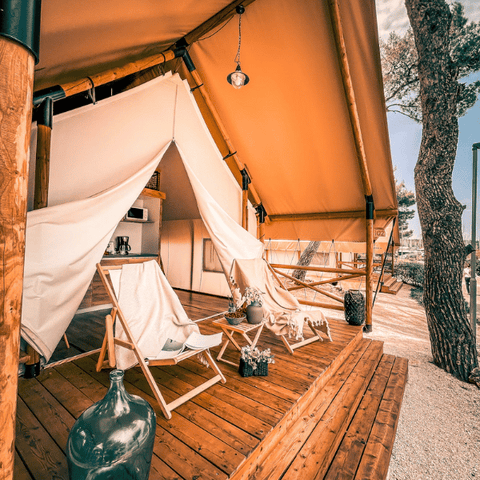
Are you tired of shivering inside your tent on cold nights? You don’t have to suffer through the chill anymore.
Imagine cozy warmth wrapping around you, making your camping experience comfortable and enjoyable. In this guide, you’ll discover simple, safe, and effective ways to make a tent warmer using easy-to-find materials. Whether you’re a beginner or a seasoned camper, these tips will transform your outdoor nights.
Keep reading, and you’ll never dread the cold again.
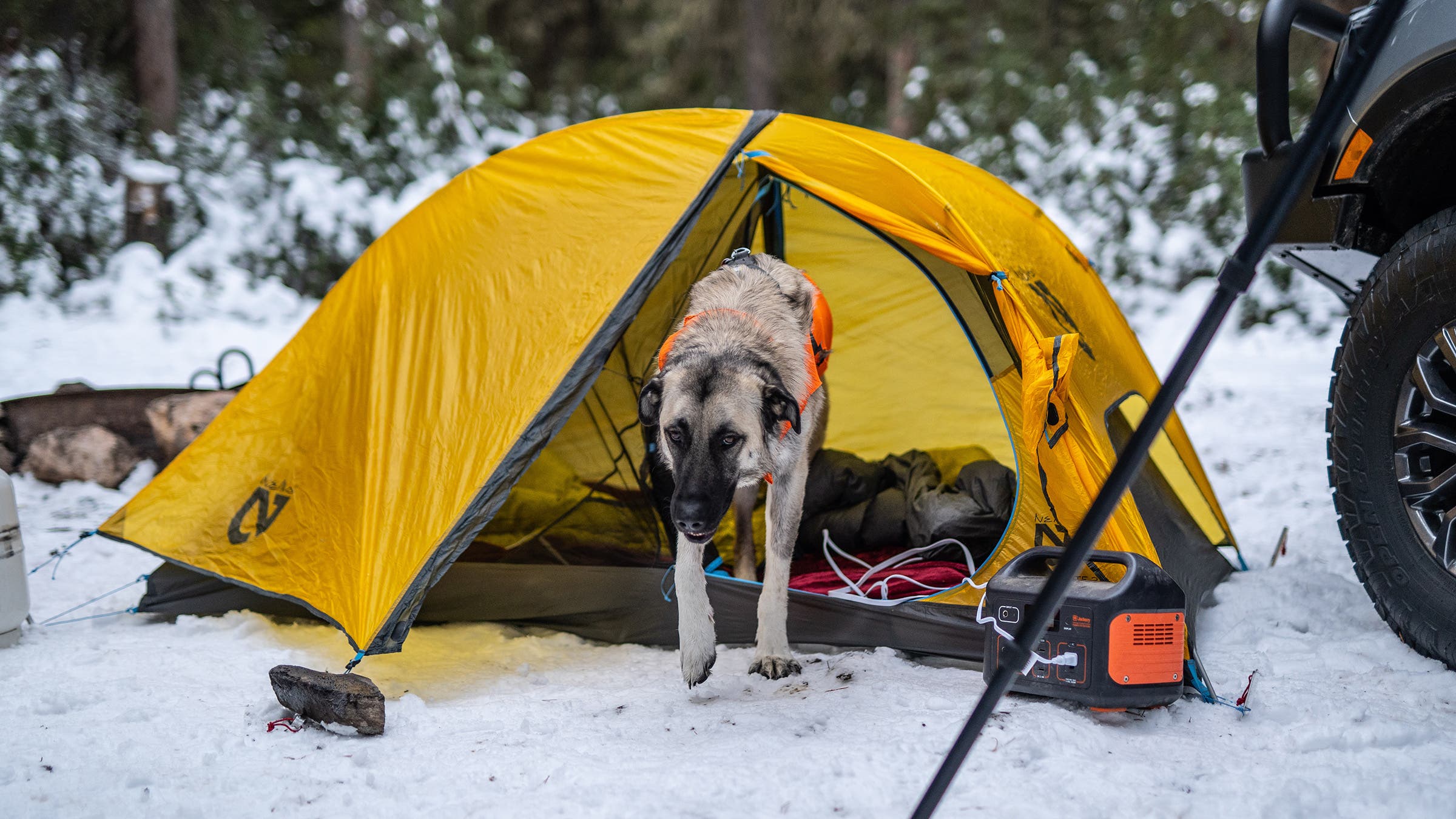
Credit: www.outsideonline.com
Choosing The Right Tent
Picking the right tent helps keep you warm inside. A good tent blocks cold wind and holds heat well.
Think about the materials and design before you buy. These affect how warm your tent will be.
Insulated Tent Options
Insulated tents have extra layers to keep heat in. These tents use special fabrics or foam to trap warmth.
Some tents have built-in insulation while others need you to add it. Insulation helps during cold nights.
- Double-wall tents with an inner and outer layer
- Tents with foam or thermal linings
- Four-season tents designed for cold weather
Size Considerations For Warmth
A smaller tent holds your body heat better. Large tents have more space but lose heat faster.
Make sure you have enough room to sleep comfortably. Avoid tents that are too big or too tight.
- Choose a tent size that fits your group and gear
- Smaller tents warm up faster
- Extra space can cause heat loss
Layering The Tent Floor
Layering the floor of your tent helps keep it warm. It blocks cold air and adds comfort.
Using different layers can stop heat loss through the ground. It makes the tent cozy.
Using Rugs And Carpets
Rugs and carpets add a soft layer to the tent floor. They trap warm air and block cold ground.
Choose thick or wool rugs for better insulation. They also make the floor more comfortable to walk on.
- Place rugs tightly to cover the whole floor.
- Use multiple rugs if needed for thicker layers.
- Keep rugs dry to avoid cold dampness.
Insulating Foam Mats
Foam mats provide a strong barrier against cold ground. They keep heat inside the tent.
Pick foam mats with closed cells for better insulation. They are light and easy to carry.
- Lay mats flat to cover the entire floor area.
- Stack mats if you want extra warmth.
- Use mats under rugs for added comfort.
Selecting Warm Sleeping Gear
Staying warm inside a tent is very important for a good night’s sleep. Choosing the right sleeping gear helps keep your body heat inside.
Good sleeping gear works by trapping warm air close to your body. This stops cold air from making you shiver at night.
Choosing A Sleeping Bag
Pick a sleeping bag made for cold weather. Look for bags with good insulation to keep you warm.
Check the temperature rating on the bag. It tells you how cold the weather can be while staying warm inside.
- Down sleeping bags are light and warm but cost more.
- Synthetic sleeping bags work well even if wet.
- Choose a sleeping bag size that fits you snugly.
- Look for bags with a hood to keep your head warm.
Adding Sleeping Bag Liners
Sleeping bag liners add extra warmth inside your bag. They are thin and easy to carry.
Liners help keep your sleeping bag clean and can raise its temperature rating by a few degrees.
- Use fleece liners for soft, warm comfort.
- Silk liners are lightweight and smooth.
- Choose liners that fit your sleeping bag size.
- Wash liners regularly to keep them fresh.

Credit: blog.whiteduckoutdoors.com
Utilizing Heat Sources
Keeping a tent warm can make camping more comfortable during cold nights. Using safe and effective heat sources helps maintain warmth without risks.
This guide covers safe tent heaters and simple DIY heat packs. Both options provide warmth and can be used depending on your needs.
Safe Tent Heaters
Choose tent heaters designed for indoor use and camping safety. They must have automatic shut-off features and be fuel efficient.
- Use propane heaters with built-in oxygen sensors.
- Electric heaters with low power consumption are ideal.
- Avoid open flame heaters to reduce fire risks.
- Keep heaters away from fabric and flammable items.
- Always ventilate your tent to prevent carbon monoxide buildup.
Diy Heat Packs
DIY heat packs are easy to make and provide quick warmth. They use common household items and work well inside sleeping bags.
| Material | Instructions | Heating Method |
| Rice or Beans | Fill a cloth bag with rice or beans. | Microwave for 1-2 minutes. |
| Baking Soda & Vinegar | Mix in a sealed container for heat reaction. | Shake to activate warmth. |
| Salt & Water | Place saturated saltwater in a pouch. | Crystallization produces heat. |
Reducing Heat Loss
Keeping warm inside a tent is important during cold weather. Heat escapes through small gaps and thin materials. Reducing heat loss helps keep the tent warmer for longer.
This guide shows two ways to reduce heat loss in your tent. Use these tips to stay cozy and comfortable outdoors.
Sealing Tent Seams
Seams in a tent are common places where heat escapes. Cold air can enter, and warm air can leave through these tiny openings. Sealing the seams keeps the inside warmer.
You can use seam sealer or tape to cover the inside and outside of the seams. This blocks wind and stops heat from leaking out.
- Clean seams before sealing
- Apply seam sealer evenly
- Let it dry fully before use
- Check for gaps after sealing
Using Thermal Blankets
Thermal blankets reflect heat back into the tent. They help keep warmth inside by blocking heat from escaping through walls and floors.
Place thermal blankets on the tent floor or hang them on the walls. This creates a warm barrier and reduces heat loss.
- Use reflective side facing inward
- Cover floors to stop cold from below
- Hang on walls to reflect body heat
- Secure blankets to avoid gaps
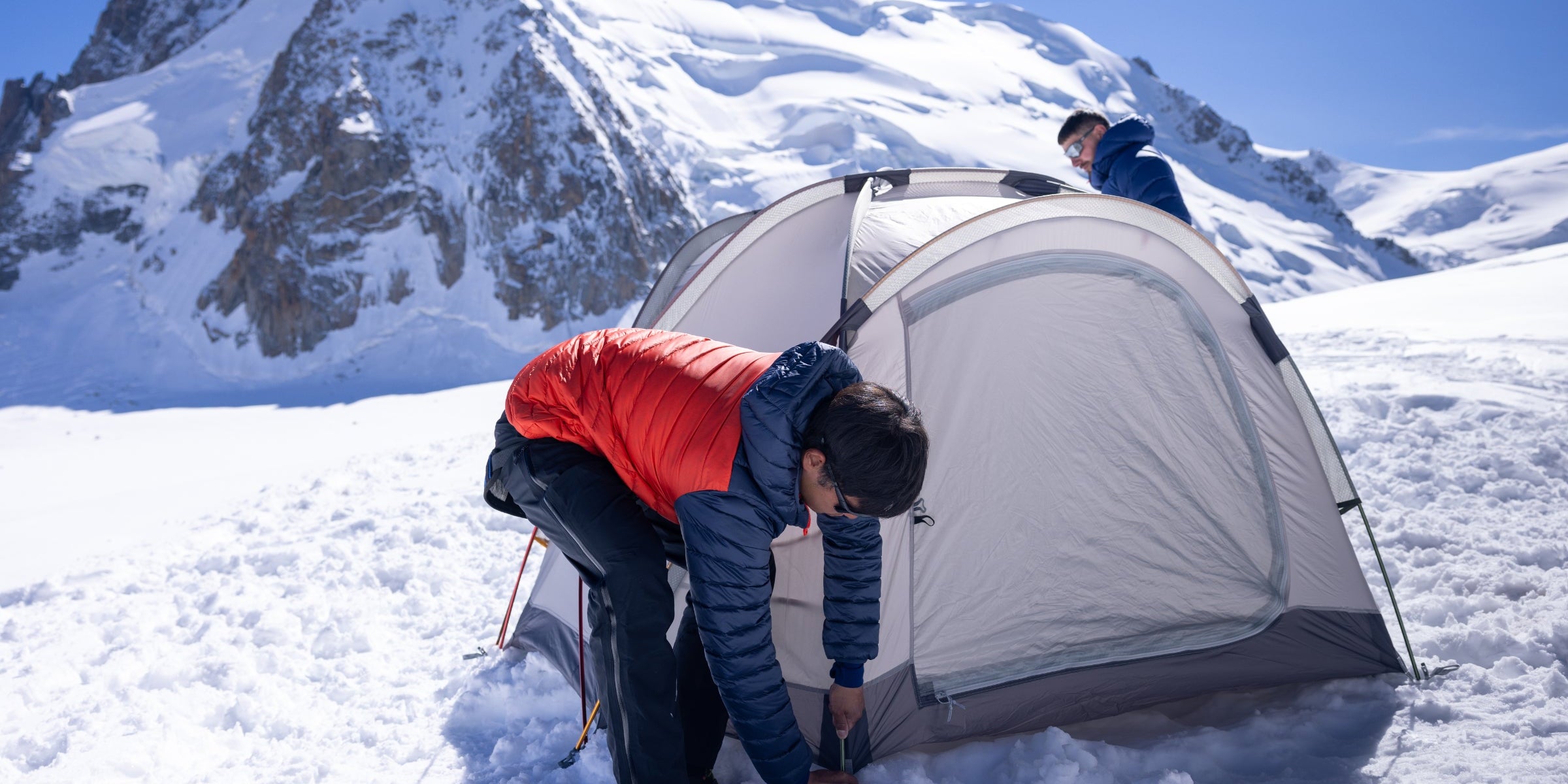
Credit: alpkit.com
Managing Ventilation
Keeping your tent warm needs good air flow. Without it, the air gets stuffy and damp.
Proper ventilation helps keep fresh air inside. It also stops moisture from building up.
Balancing Fresh Air And Warmth
Fresh air keeps oxygen flowing and prevents bad smells. But too much air cools the tent.
Open vents or windows slightly. This lets air in without losing too much heat.
- Open vents on opposite sides to create airflow
- Keep openings small to keep warmth inside
- Use mesh screens to keep bugs out
Preventing Condensation
Condensation forms when warm air meets cold surfaces. It makes the tent wet and cold.
Ventilation helps reduce moisture. It moves humid air outside and stops water drops inside.
- Keep vents open to let humid air escape
- Dry wet clothes outside the tent
- Use a groundsheet to block moisture from the floor
Wearing Appropriate Clothing
Staying warm in your tent is easier with the right clothes. The right clothing traps heat close to your body. It helps keep cold air out.
Wearing layers and thermal items can make a big difference. This guide covers layering and thermal wear options.
Layering Techniques
Layering helps you adjust your clothing to stay warm and dry. Each layer has a purpose in keeping heat in and moisture out.
- Base Layer:This layer touches your skin. It should wick sweat away to keep you dry.
- Middle Layer:This layer traps heat. Fleece or wool work well here.
- Outer Layer:This protects you from wind and rain. Use waterproof or windproof jackets.
Thermal Wear Options
Thermal wear keeps your body heat trapped. It comes in different materials and styles.
| Material | Benefits | Best Use |
| Merino Wool | Keeps warm when wet, soft | Base and middle layers |
| Synthetic Fabrics | Dries fast, light weight | Base layers |
| Fleece | Good insulation, breathable | Middle layer |
| Down | Very warm, compressible | Outer or middle layer |
Creating A Cozy Atmosphere
Making a tent warmer helps you feel comfortable during cold nights outdoors. Small touches can create a warm and inviting space inside your tent.
Lighting and decoration play a big role in warming the space and making it cozy. Here are simple ways to add warmth.
Using Portable Lighting
Good lighting adds warmth and comfort to your tent. Soft lights create a gentle glow that feels inviting.
- Use battery-powered lanterns with warm-colored bulbs.
- String LED fairy lights around the tent frame.
- Place small candles in safe containers for soft light.
- Choose lights with dimming options to control brightness.
- Avoid harsh white lights that feel cold and bright.
Decorative Warmth Enhancements
Adding decoration improves the feeling of warmth and coziness. Textiles and colors can make a big difference.
| Item | Purpose | Tips |
| Blankets | Extra warmth | Use thick, soft materials |
| Rugs | Warm floor | Choose wool or fleece rugs |
| Pillows | Comfort and insulation | Pick plush and colorful pillows |
| Wall hangings | Visual warmth | Use warm colors and patterns |
Frequently Asked Questions
How Can I Safely Heat A Tent In Cold Weather?
Use a portable propane heater designed for tents. Ensure proper ventilation to avoid carbon monoxide buildup. Never leave the heater unattended and keep flammable materials away. Always follow the heater’s safety instructions to maintain a warm and safe environment inside your tent.
What Materials Help Keep A Tent Warmer?
Insulating materials like foam pads, thermal blankets, and reflective tarps help retain heat. Use a thick groundsheet to prevent cold from seeping through the floor. Layering these materials inside the tent creates a barrier against cold and improves overall warmth effectively.
Can I Use A Campfire To Warm My Tent?
No, using a campfire inside or too close to your tent is unsafe. It poses fire hazards and risk of smoke inhalation. Instead, use safe heating methods like portable heaters or insulated sleeping gear to maintain warmth without danger.
How Do I Prevent Heat Loss In A Tent?
Seal gaps around doors and windows with fabric or tape. Use a tent heater with a thermostat to maintain steady warmth. Adding windbreaks outside helps reduce heat loss caused by wind. These measures keep your tent warmer during cold nights.
Conclusion
Staying warm inside your tent makes camping more enjoyable. Use simple materials like blankets and hot water bottles. Seal gaps to keep cold air out. Remember to ventilate slightly to avoid moisture buildup. Small steps can create a cozy space fast.
Try these tips on your next trip. Enjoy the warmth and comfort while you rest. Camping feels better when you stay warm and safe.