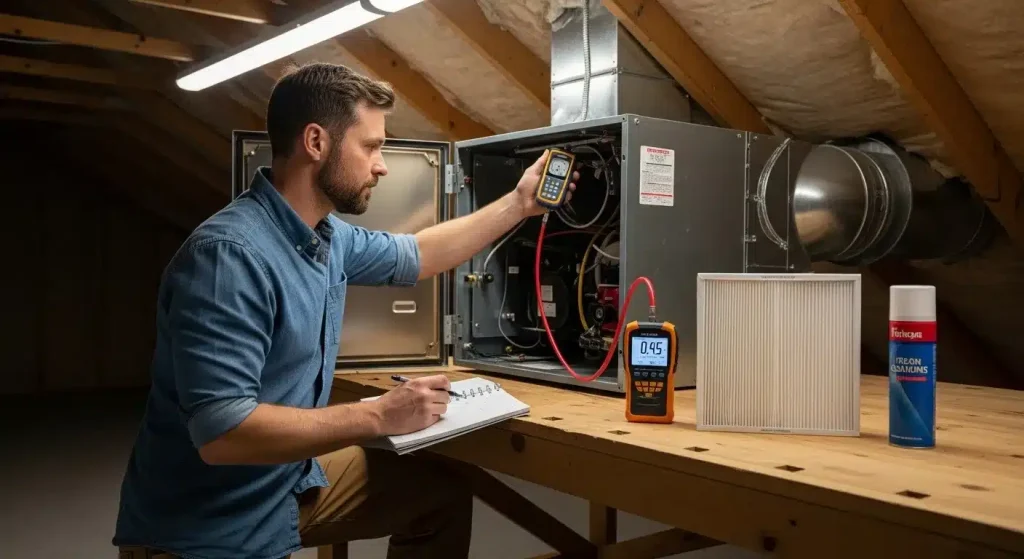
Is your air conditioner not blowing as hard as you want? When the cool air feels weak, your room doesn’t get as comfortable as it should.
You might feel frustrated, especially on hot days when every bit of coolness counts. But don’t worry—there are simple steps you can take to make your air conditioner blow harder and cool your space better. Keep reading, and you’ll discover easy fixes that save you money and help you enjoy a refreshing breeze all day long.
Check And Replace Air Filters
Air filters help your air conditioner blow air properly. Dirty filters block airflow and reduce cooling power.
Checking and replacing filters keeps your AC working well. It also saves energy and improves air quality.
Signs Of A Dirty Filter
A dirty air filter stops air from moving freely. You may notice your AC blowing less air than usual.
Other signs include more dust in your rooms and higher energy bills. Your AC might also run longer to cool.
- Weak airflow from vents
- Dust buildup around vents
- Increased energy use
- Frequent AC cycling
- Musty or dusty smell
Choosing The Right Filter
Use the correct filter for your AC model. Check your manual or filter slot for size details.
Filters come in different types. Some capture small dust, others focus on allergens or pet hair.
- Fiberglass filters are cheap but less effective
- Pleated filters trap more dust and last longer
- Electrostatic filters attract fine particles
- HEPA filters capture very small allergens
Step-by-step Replacement Guide
Turn off your air conditioner before starting. This keeps you safe and avoids damage.
Open the filter slot or panel carefully. Remove the old filter without shaking dust into the air.
- Find the filter slot on your AC unit
- Open or slide out the panel
- Take out the old filter gently
- Check the filter size and direction arrows
- Insert the new filter the right way
- Close the panel securely
- Turn the air conditioner back on
Replace filters every 1 to 3 months. More often if you have pets or allergies.
Clean The Evaporator And Condenser Coils
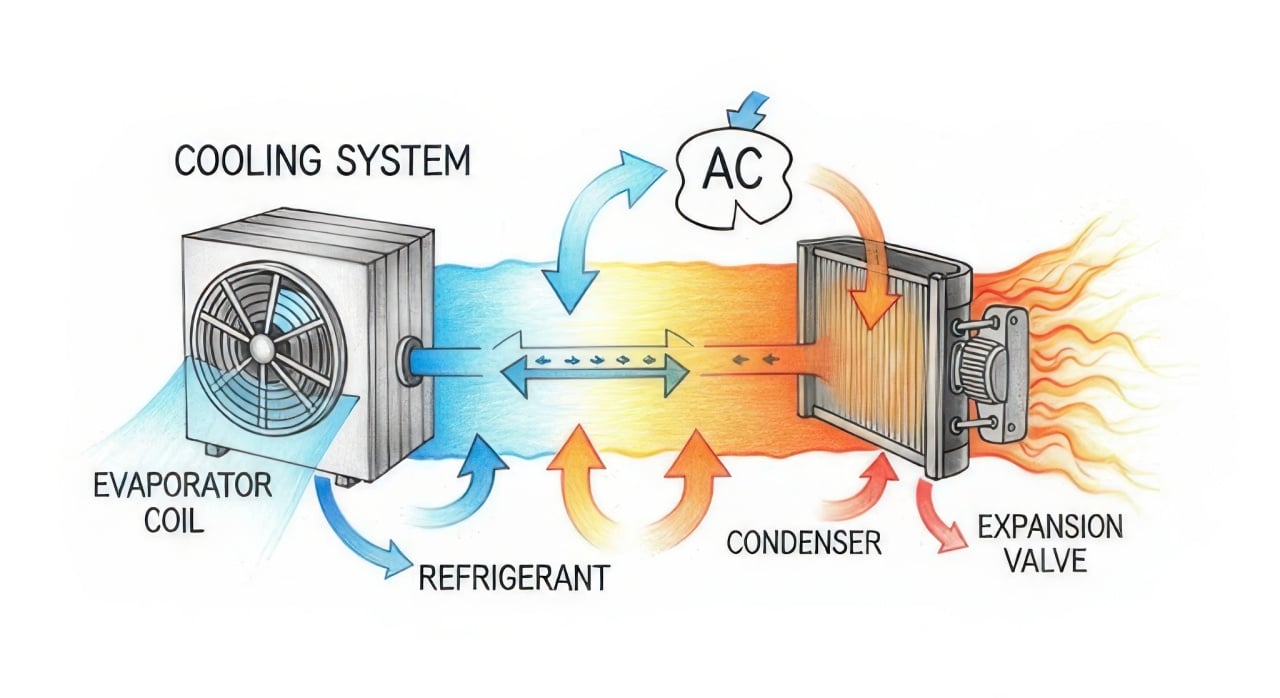
Cleaning the evaporator and condenser coils helps your air conditioner work better. Dirt and dust build up on these coils over time. This build-up makes it harder for the air conditioner to cool your home.
Regular cleaning can make the air conditioner blow harder and cool more efficiently. It also helps save energy and extends the life of your unit.
Why Coil Cleanliness Matters
Dirty coils reduce airflow and cooling power. They force the air conditioner to work harder. This can cause higher energy bills and damage the system.
- Dust blocks heat transfer, lowering cooling efficiency
- Dirty coils cause the compressor to overheat
- Clogged coils reduce air pressure and airflow
- Regular cleaning prevents costly repairs
Tools Needed For Cleaning
To clean the coils safely, use the right tools. These tools help remove dirt without damaging the coils.
| Tool | Purpose |
| Soft brush | Remove loose dirt and dust |
| Vacuum cleaner with brush attachment | Clean hard-to-reach areas |
| Coil cleaner spray | Break down tough grime |
| Garden hose | Rinse coils gently |
| Screwdriver | Remove coil covers |
Safe Cleaning Techniques
Follow these steps to clean coils safely. Avoid damaging delicate parts or causing electric shock.
- Turn off the power to the air conditioner.
- Remove the outer panel to access coils carefully.
- Use a soft brush or vacuum to clear loose dirt.
- Spray coil cleaner evenly and wait 5–10 minutes.
- Rinse coils gently with a garden hose, low pressure.
- Let coils dry fully before reassembling the unit.
- Restore power and check airflow for improvement.
Inspect And Seal Air Ducts
Air ducts carry cool air from your air conditioner to every room. If ducts have leaks or damage, air pressure drops. This makes your air conditioner blow less air.
Checking and sealing your air ducts can make your air conditioner blow harder. It also helps save energy and lowers your bills.
Common Duct Issues
Air ducts can have many problems that reduce air flow. These include holes, loose connections, and crushed ducts. Dust and dirt can also block the ducts.
- Holes or tears in duct material
- Disconnected or loose duct sections
- Crushed or bent ducts blocking air flow
- Dust and debris buildup inside ducts
How To Detect Leaks
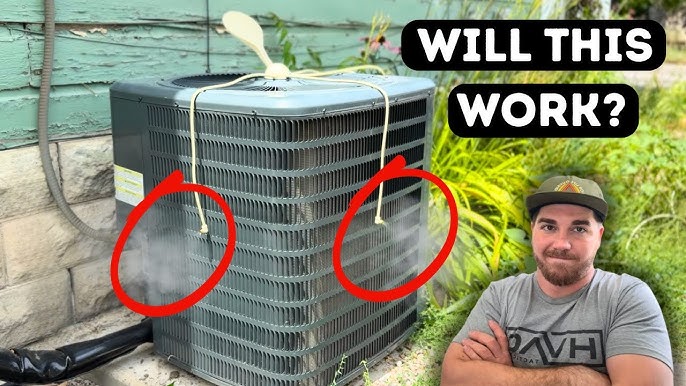
Leaks in your air ducts let air escape before it reaches rooms. You can find leaks by looking and feeling for air flow along ducts. Listen for hissing sounds near duct joints.
You can also use smoke or incense sticks. Move the smoke near duct seams. If smoke moves or gets sucked in, you found a leak.
- Check duct seams and joints for holes
- Feel for air escaping along ducts
- Listen for hissing or whistling sounds
- Use smoke or incense near duct seams
Sealing Methods And Materials
After finding leaks, you need to seal them well. Use materials made for air ducts. Avoid regular tape because it can fail over time.
Foil tape and mastic sealant work best. Mastic is a thick paste that you spread over leaks. Foil tape sticks well and resists heat and moisture.
- Foil tape for small leaks and joints
- Mastic sealant for bigger holes and cracks
- Use a brush or putty knife to apply mastic
- Wear gloves and clean duct surface before sealing
Credit: onewayairfl.com
Adjust The Blower Fan Speed
The blower fan in an air conditioner pushes cool air into your home. Adjusting its speed can make the air blow harder. This helps improve airflow and cooling.
Before changing settings, you need to locate the blower fan and understand the control type. Some fans have manual controls, while others use electronic controls.
Locating The Blower Fan
The blower fan is inside your air conditioner’s main unit. It is usually near the air handler or furnace. You may need to remove a panel to see it. Always turn off power before opening the unit.
Look for a round fan blade connected to a motor. This fan moves the air through ducts and vents. Identifying the blower fan helps you know where to adjust speed settings.
Manual Vs. Electronic Speed Controls
Blower fan speeds can be controlled in two main ways. Manual controls use a physical switch or dial. Electronic controls adjust speed using a circuit board or thermostat.
| Control Type | Description | How to Adjust |
| Manual | Simple switch or dial | Turn switch or move dial to change speed |
| Electronic | Uses circuit board or thermostat | Adjust settings on the thermostat or control panel |
Manual controls are easy to change but may have limited speed options. Electronic controls offer more precise speeds but might need a user guide to adjust.
When To Consult A Professional
If you cannot find the blower fan or do not understand the control type, ask a professional. Adjusting the fan speed incorrectly can damage your system.
- If the fan speed does not change after adjustment
- If you see unusual noises or vibrations
- If you are unsure how to safely open the unit
- If your air conditioner still blows weak air
Professionals have the tools and knowledge to adjust blower fans safely. They can also check for other issues causing weak airflow.
Clear The Air Vents And Registers
Air vents and registers help cool air flow through your home. If they are blocked, the air conditioner works harder. Clearing them helps the air blow harder and cooler.
Cleaning vents is easy and improves how your air conditioner performs. It also helps save energy and keeps your home comfortable.
Removing Blockages
Check vents and registers for objects blocking airflow. Furniture, curtains, or toys can stop air from moving well. Dust and dirt also reduce air flow.
- Move furniture away from vents
- Keep curtains open near air registers
- Remove any objects covering vents
- Vacuum dust and dirt from vents regularly
Regular Maintenance Tips
Clean your vents often to keep air flowing strong. Check for dust and dirt buildup every few weeks. Replace air filters as needed to help your system work better.
- Vacuum vents once a month
- Change air filters every 1 to 3 months
- Inspect vents for damage or blockages
- Schedule professional HVAC checks yearly
Improving Airflow Efficiency
Make sure vents and registers are fully open. Adjust vent direction for better air spread. Use vent deflectors to guide air where you want it.
- Open all vents in rooms you use
- Point vents away from walls and furniture
- Use vent deflectors to direct airflow
- Seal gaps around vents to prevent leaks

Credit: www.youtube.com
Check The Thermostat Settings
The thermostat controls the air conditioner’s cooling power. Setting it right helps the AC blow harder and cool faster.
Check your thermostat settings to make sure it works well. Small changes can improve airflow and comfort.
Optimal Temperature Settings
Set the thermostat to an ideal temperature for cooling. Too high or too low can reduce AC performance.
Most experts suggest setting the temperature between 72°F and 78°F. This keeps your room cool and saves energy.
- Temperatures below 72°F make the AC work harder
- Temperatures above 78°F may not cool enough
- Adjust based on comfort and outside weather
Calibrating Your Thermostat
A thermostat that shows the wrong temperature can cause poor airflow. Calibrate it to match the actual room temperature.
To calibrate, compare the thermostat reading with a separate thermometer. Adjust the thermostat if there is a difference.
- Place a thermometer near the thermostat
- Wait 15 minutes for stable readings
- Adjust thermostat settings if readings differ
- Repeat until both readings match closely
Upgrading To Smart Thermostats
Smart thermostats control your AC better than old models. They keep the temperature steady and improve airflow.
They learn your schedule and adjust cooling automatically. This helps the AC blow harder when needed and saves energy.
- Control temperature from your phone
- Set schedules for cooling times
- Receive alerts for maintenance or issues
- Adjust settings remotely for better comfort
Ensure Proper Refrigerant Levels
Your air conditioner needs the right amount of refrigerant to cool well.
Low refrigerant can make the AC blow less air and lose coldness.
Signs Of Low Refrigerant
Watch for these signs that show your AC may have low refrigerant.
- Air feels warm or less cold than usual
- Longer running times without cooling properly
- Ice forms on the evaporator coil
- Hissing or bubbling noises near the outdoor unit
- Higher energy bills due to poor efficiency
Risks Of Diy Refrigerant Handling
Handling refrigerant yourself can cause serious problems.
| Risk | Explanation |
| Health Hazard | Refrigerants can cause breathing issues and skin irritation. |
| Environmental Damage | Leaks harm the ozone layer and worsen climate change. |
| Legal Issues | Many places require licensed handling of refrigerants. |
| Equipment Damage | Incorrect charging can harm your AC unit’s parts. |
Hiring A Certified Technician
A certified technician can safely check and refill refrigerant.
- They use proper tools to measure refrigerant levels.
- They follow rules to avoid leaks and damage.
- They know how to find and fix leaks if present.
- They ensure your AC runs efficiently and safely.
Credit: www.youtube.com
Improve Outdoor Unit Placement
Placing the outdoor unit of your air conditioner correctly helps it blow air harder. Good placement makes the unit work better and last longer.
Consider the space around the unit. Proper placement allows air to flow freely, which improves cooling power.
Avoiding Obstructions
Keep objects away from the outdoor unit. Obstructions block airflow and reduce the unit’s efficiency.
Make sure there are no plants, furniture, or walls too close. Clear space helps the fan blow air harder and cool better.
- Leave at least 2 feet of space around the unit
- Trim nearby bushes and plants regularly
- Do not place items directly in front of the unit
Providing Adequate Ventilation
Good ventilation lets hot air escape and cool air enter. This helps the unit work at full power.
Place the unit in a spot with open air. Avoid tight corners or enclosed spaces that trap heat.
- Install the unit in a shaded, open area
- Keep the top and sides clear for airflow
- Use a raised platform if ground airflow is poor
Protecting Against Weather Elements
Weather can affect the outdoor unit’s performance. Protect it from rain, snow, and direct sunlight.
Use covers or shelters designed for AC units. These shields keep the unit safe without blocking air.
- Install a protective cover that allows airflow
- Use a small roof or awning above the unit
- Clear snow or debris after storms
Frequently Asked Questions
Why Is My Ac Not Blowing Hard?
Your AC might not blow hard due to clogged filters, blocked vents, or a malfunctioning fan. Regular maintenance, such as cleaning or replacing filters, can improve airflow. Ensure vents are clear of obstructions, and check if the fan is working correctly to enhance your AC’s performance.
How Can I Improve Ac Airflow?
To improve AC airflow, regularly clean or replace filters and ensure vents are unobstructed. Schedule routine maintenance to check for any ductwork issues. Additionally, keep the area around your outdoor unit clear of debris to maintain optimal airflow and efficiency.
What Causes Weak Airflow In Ac?
Weak airflow in an AC can be caused by dirty filters, blocked vents, or duct leaks. These issues restrict air circulation and reduce cooling efficiency. Regular maintenance, including cleaning filters and inspecting ductwork, can help restore and improve airflow.
How Often Should I Clean Ac Filters?
You should clean or replace AC filters every 1 to 3 months, depending on usage. Regular cleaning ensures efficient airflow and better cooling performance. In dusty environments or during high usage periods, consider more frequent maintenance to maintain optimal efficiency and airflow.
Conclusion
Making your air conditioner blow harder can improve comfort at home. Keep filters clean and check vents often. Clear any blockages to let air flow freely. Adjust the fan speed for stronger airflow. Small fixes can make a big difference.
Regular care helps the AC work better and last longer. Try these easy steps to feel cooler today. Your home will stay comfortable without extra cost or effort. Simple actions bring better air circulation and a fresher room.