
Is your air conditioner louder than you’d like? That constant noise can make it hard to relax, work, or even sleep.
But what if you could enjoy cool air without the distracting hum? You’ll discover simple and effective ways to make your air conditioner quieter inside your home. These easy tips will help you create a peaceful space where you can truly unwind.
Keep reading, and take back control of your comfort and calm.
Common Causes Of Ac Noise
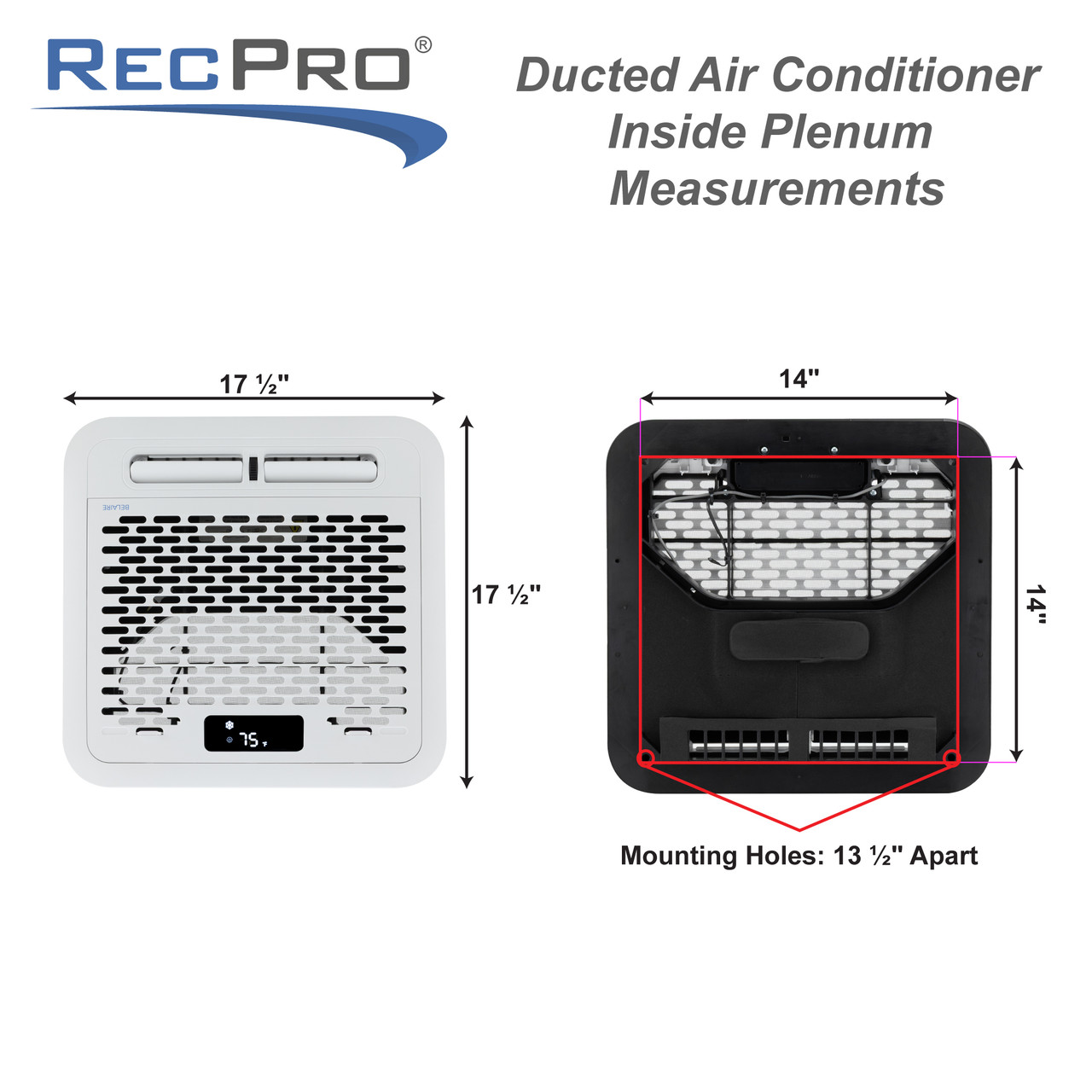
Loose or worn partsinside the air conditioner can cause rattling noises. Screws, bolts, or fan blades may become loose over time. These parts need tightening or replacement to stop the noise.
Dirty air filtersblock airflow and make the AC work harder. This can cause the unit to hum or buzz loudly. Regular cleaning or changing of filters keeps the noise low and the air clean.
Improper installationleads to uneven mounting and gaps. The AC may vibrate or create noise from poor support. Correct installation ensures the unit sits firmly and quietly.
Vibrations and resonancehappen when the AC parts shake against each other or nearby surfaces. Padding or rubber mounts can reduce these vibrations and lower the sound.
Credit: recpro.com
Regular Maintenance Steps
Cleaning or replacing air filters helps the AC run quietly. Dirty filters block airflow and cause noise. Replace filters every 1-3 months for best results. Clean reusable filters with water and let them dry completely before putting back.
Checking and tightening components stops rattling sounds. Loose screws and bolts make the AC noisy. Use a screwdriver to tighten parts around the unit. Pay attention to panels, fan blades, and mounts.
Lubricating moving parts keeps the AC smooth and quiet. Apply a few drops of oil on fan motors and bearings. Avoid using too much oil to prevent mess and damage. Regular lubrication reduces friction and noise.
Soundproofing Techniques
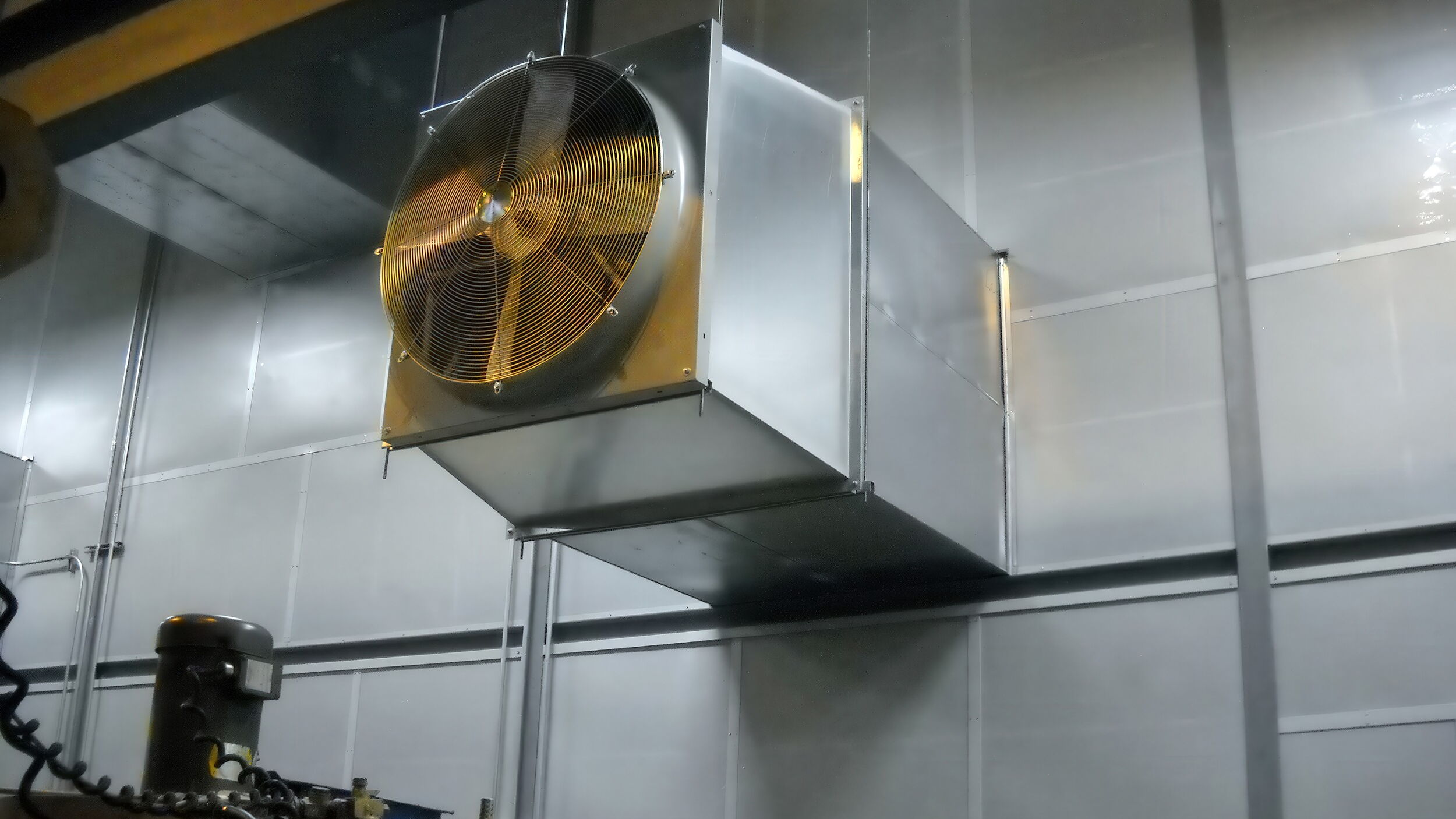
Adding insulationaround the air conditioner helps block noise. Use thick foam or fiberglass insulation to wrap the unit. This reduces sound vibrations and keeps the room quieter.
Acoustic panelsabsorb sound waves. Place them on walls near the air conditioner. They lower echo and muffle the noise effectively. Panels made from soft materials work best.
Installing a sound blanketaround the air conditioner is another option. These blankets are made from heavy, soundproof materials. They trap noise and stop it from spreading in the room.
Credit: www.iacacoustics.com
Improving Installation Setup
Mounting the air conditioner on vibration padshelps reduce noise. These pads absorb shaking and stop loud sounds from traveling through walls or floors.
Ensuring proper clearancearound the unit allows air to flow freely. Tight spaces can make the AC work harder and create more noise.
Securing loose ductworkprevents rattling sounds. Check for any gaps or loose connections and tighten them to keep noise low.
- Vibration pads absorb shaking and reduce noise
- Clearance improves airflow and lowers sound
- Tighten loose ducts to stop rattling
Upgrading To Quieter Models
Inverter technologyhelps air conditioners run more quietly by adjusting compressor speed. It avoids loud starts and stops. This leads to less noiseand steady cooling.
Variable speed fanschange their speed based on the room’s cooling needs. They run slower when less cooling is needed, making the air conditioner quieterand more efficient.
| Feature | Benefit |
|---|---|
| Inverter Technology | Reduces noise by smoothing compressor operation |
| Variable Speed Fans | Lower fan speed means quieter operation |
| Energy-Efficient Options | Consume less power and create less noise |
Diy Quick Fixes
Reduce noise by tightening loose parts and cleaning fan blades inside the air conditioner. Placing foam or rubber pads under the unit helps absorb vibrations and lowers sound levels.
Tightening Screws And Bolts
Loose screws and bolts can cause your air conditioner to make noise. Use a screwdriver or wrench to tighten all visible screws. Check around the fan, motor, and casing. This simple step can reduce rattling sounds significantly.
Applying Weatherstripping
Weatherstripping helps seal gaps around the air conditioner. This stops air leaks and reduces noise coming through the openings. Cut strips to fit around the frame and press them firmly in place. Use foam or rubber weatherstripping for best results.
Using Rubber Mats
Place a rubber mat under the air conditioner unit. This absorbs vibrations and lowers noise. Thin mats work well for window units and portable air conditioners. Look for mats made from dense rubber to get better sound dampening.

Credit: www.furnaceprices.ca
Frequently Asked Questions
How Can I Reduce Ac Noise Inside My Room?
To reduce AC noise, clean or replace filters regularly. Tighten loose parts and install soundproofing materials nearby. Using a quieter fan speed also helps minimize noise effectively.
What Maintenance Makes An Air Conditioner Quieter?
Regularly clean coils and filters to improve airflow. Lubricate fan motors and tighten screws to prevent rattling. Proper maintenance ensures smoother operation and less noise from your AC unit.
Can Soundproofing Materials Lower Ac Noise Indoors?
Yes, soundproofing materials like foam panels or acoustic curtains absorb noise. Placing these around the AC unit or on walls can significantly reduce sound transmission inside your room.
Does Fan Speed Affect Indoor Ac Noise Levels?
Higher fan speeds generate more noise due to increased airflow. Lowering the fan speed reduces sound but may slightly impact cooling efficiency. Balancing speed and comfort is key.
Conclusion
Reducing air conditioner noise improves comfort and relaxation. Try simple fixes first. Clean filters regularly. Tighten loose parts. Use soundproofing materials for extra quiet. Consider professional maintenance if noise persists. Every effort counts towards a peaceful home. Enjoy the tranquility without sacrificing comfort.
A quieter air conditioner means better sleep and less stress. Small changes make a big difference. Transform your living space into a calm oasis. Remember, silence is golden. Keep exploring solutions until you find the best fit. Your quiet, comfortable home awaits.