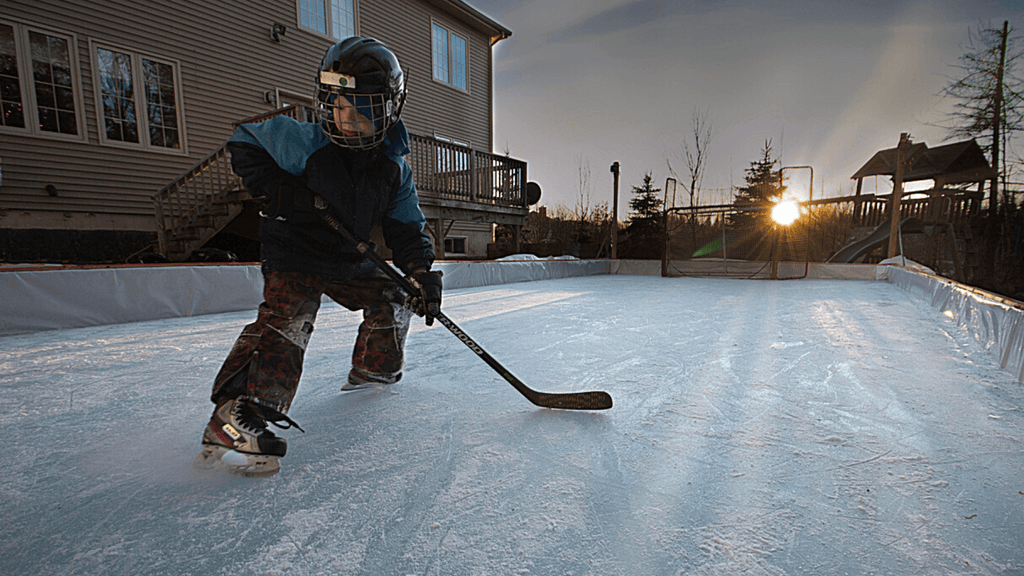
Imagine having your very own ice skating rink right in your backyard. You don’t need to wait for winter or visit a crowded public rink to enjoy the thrill of gliding on ice.
Whether you want to have fun with family, practice your skating skills, or host memorable winter parties, creating your own rink is easier than you think. You’ll discover simple, step-by-step tips to build an ice skating rink that fits your space and budget.
Ready to make your winter unforgettable? Let’s get started!
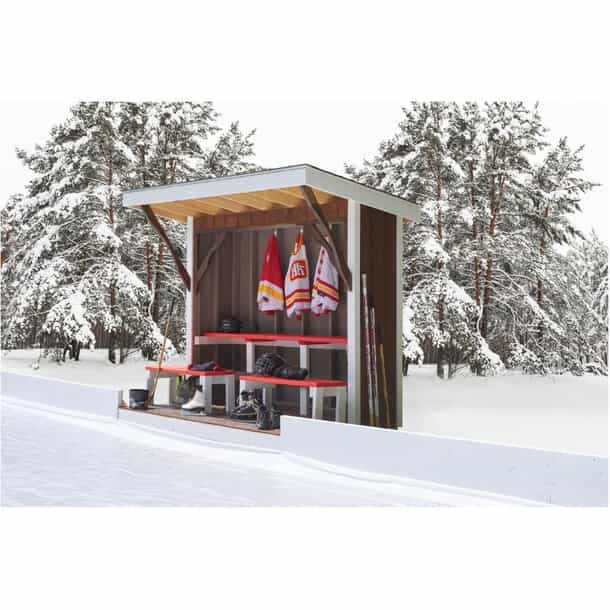
Credit: www.homehardware.ca
Choosing The Location
Select a flat, open space free from trees and buildings. Ensure the area gets enough sunlight to help maintain ice quality. Choose a spot near a water source for easy filling and maintenance.
Choosing the right location for your ice skating rink is crucial. A well-selected spot ensures safety and enhances enjoyment. It also saves time and resources. Let’s explore what to consider.Assessing Space And Surface
Begin by measuring your available space. Ensure it’s flat and even. A level surface prevents accidents. Check for obstacles like trees or rocks. These can interfere with rink setup. A clear area is best for your ice rink.Considering Sunlight And Shade
Sunlight affects ice quality. Too much sun can melt the ice quickly. Choose a spot with balanced sunlight and shade. Morning sun is ideal. It helps maintain ice throughout the day. Shade in the afternoon protects the ice from melting.Checking Local Regulations
Local regulations can impact rink plans. Some areas have strict guidelines. Research zoning laws and permits. Contact local authorities for clarity. Ensure compliance with all rules. This avoids fines and ensures a smooth process.Gathering Materials
Gathering the right materials is crucial for building a safe and fun ice skating rink. Preparation makes the process smooth and efficient. This section covers the basic tools and supplies needed. It also explains how to choose the perfect liner and what equipment helps keep the rink in top shape.
Essential Tools And Supplies
- Shovel or snow blower for clearing snow
- Water source like a hose or buckets
- Wooden boards or plastic barriers to frame the rink
- Level or measuring tape to ensure even surface
- Sand or sawdust to create a non-slip base
- Protective gloves and warm clothing
Selecting The Right Liner
The liner holds the water and forms the ice surface. Choose a thick, durable plastic liner. It should be at least 6 mil thick to prevent leaks.
Look for UV-resistant liners if the rink is outdoors. This helps the liner last longer in sunlight. Make sure the liner is large enough to cover the entire rink area with extra to secure edges.
Additional Equipment For Maintenance
- Ice resurfacer or hand scraper to smooth the ice
- Water spray bottle for filling cracks
- Thermometer to monitor temperature
- Tarps to cover the rink when not in use
- Lights for evening skating sessions
Building The Frame
Building the frame is a crucial part of making an ice skating rink. This structure holds the water and shapes the rink. It must be strong and level to ensure smooth ice. The frame sets the foundation for a safe skating surface.
Marking The Perimeter
Start by choosing a flat area for the rink. Use stakes and string to mark the edges. Measure carefully to get the right size. Check corners to make sure they form perfect right angles. This step ensures the rink will have a clean, even shape.
Constructing Borders
Use sturdy materials like wood or plastic to build the sides. Attach the boards firmly to the stakes. The borders should be at least 12 inches high to hold water. Make sure there are no gaps between boards. This keeps water from leaking out and helps form smooth edges.
Ensuring Stability And Leveling
Check the frame for firmness. Press the boards to see if they move. Add extra supports where needed. Use a level tool to check the surface. Adjust the frame by raising or lowering corners. A level rink prevents thin ice and puddles.
Laying The Liner
Laying the liner is a crucial step in building an ice skating rink. It creates a waterproof barrier that holds the water in place. This ensures the ice forms evenly and lasts longer. A well-laid liner prevents leaks and protects the ground beneath. Careful preparation and installation make the rink safe and enjoyable.
Preparing The Ground
Clear the area of rocks, sticks, and debris. Smooth the surface using a rake or shovel. Level the ground to avoid uneven ice. Compact the soil to create a firm base. Remove sharp objects that could puncture the liner. This preparation helps the liner lay flat and last longer.
Installing The Liner Smoothly
Unroll the liner carefully over the prepared ground. Avoid dragging it to prevent tears. Spread the liner evenly without wrinkles or folds. Use gentle tension to keep it smooth. Overlap edges slightly if using multiple sheets. Make sure the liner covers the entire rink area.
Securing Edges And Seams
Anchor the liner edges with heavy objects or stakes. Fold edges neatly to avoid water seepage. Seal seams with waterproof tape designed for liners. Check all seals to ensure they are tight. Secure corners well to prevent wind from lifting the liner. Proper sealing keeps water contained and ice solid.
Filling With Water
Filling the rink with water is the key step in creating smooth ice. The quality of water and the way you pour it affect the final ice surface. Careful attention to this stage saves time and effort later. Even, clear ice forms from slow, steady filling and good water choice. Weather plays a big role too. Cold, calm days help the ice freeze perfectly. Each detail matters to get a safe, fun skating rink.
Choosing The Right Water Source
Use clean, fresh water for the best ice. Tap water often works well if it is clear and free of chemicals. Rainwater can also be good but check for dirt or debris. Avoid water with high mineral content. Soft water freezes clearer and harder. Filter water if needed to remove impurities. Clear water helps the ice look nice and last longer.
Filling Techniques For Even Ice
Pour water slowly and evenly across the rink. Use a hose with a spray nozzle or a watering can. Avoid dumping large amounts in one spot. Fill in thin layers, allowing each layer to freeze before adding more. This prevents cracks and bumps. Keep the surface flat by watching for dips or waves. Using a long, flat board can help spread the water evenly.
Managing Temperature And Weather
Choose a cold day to start filling the rink. Below freezing temperatures help the water freeze quickly. Avoid filling on windy days to stop debris from landing on the ice. Cover the rink at night to protect it from frost or snow. Check the weather forecast to plan filling times. Slow freezing creates stronger, clearer ice. Be patient and fill in small amounts if temperatures rise.
Credit: wildlingstoys.com
Maintaining The Rink
Maintaining your ice skating rink is key to keeping it safe and fun. Regular care helps the ice stay smooth and strong. It also prevents damage and keeps skaters happy. Simple tasks done often make a big difference. Here are some important ways to maintain your rink.
Regular Ice Resurfacing
Resurfacing smooths the ice surface and fills small scratches. Use a scraper or a homemade resurfacer to shave off rough spots. Pour a thin layer of water to create a fresh, smooth top. Do this after heavy use or daily if possible. Smooth ice improves skating and reduces accidents.
Removing Snow And Debris
Clear snow quickly to avoid buildup that harms the ice. Use a soft shovel or broom to gently remove snow. Pick up leaves, twigs, and dirt as well. Debris can cause rough patches and holes. Keep the rink clean for better ice quality and safer skating.
Repairing Cracks And Holes
Check the ice for cracks and holes regularly. Fill small cracks with cold water to freeze and seal them. For larger holes, use ice patches made from frozen water in molds. Fixing damage early prevents bigger problems. A smooth surface keeps skaters confident and safe.
Safety Tips
Creating your own ice skating rink is exciting, but safety must always come first. A rink is only as good as it is safe. Paying attention to safety tips will protect you and your guests from accidents and injuries while having fun on the ice.
Ensuring Structural Safety
Start by checking the surface beneath your rink. It should be flat and free of debris to avoid weak spots in the ice. Use sturdy materials for the rink frame, such as treated wood or metal, to withstand pressure and weather changes.
Make sure the rink walls are high enough to prevent skaters from falling out but easy to step over. Inspect the ice regularly for cracks or thin patches, especially after warm days or heavy use. Have a plan to repair or close the rink if the ice becomes unsafe.
Preventing Injuries On Ice
Keep the ice smooth and well-maintained by regularly flooding it with a thin layer of water. This reduces rough spots that can cause falls. Encourage everyone to wear proper ice skates with good ankle support to prevent twists and sprains.
Consider adding soft padding around the rink edges or posts to cushion any falls. Remind skaters to avoid risky moves like jumping near the edges or speeding too fast. Have a first aid kit close by and know basic injury treatment before your first skate session.
Supervising Children And Beginners
Children and new skaters need close supervision to stay safe. Always have an adult present who can watch the rink and assist anyone who falls or struggles. Set clear rules about skating direction and safe behavior before anyone steps on the ice.
Offer helmets and knee pads, especially for kids and beginners. If possible, provide skating aids like walkers or rails to help build confidence. How will you ensure that everyone feels safe and supported while enjoying your rink?

Credit: www.polyglidesyntheticice.com
Extending The Season
Extending the ice skating season means more fun on the ice. It requires simple steps to keep the rink ready longer. Taking care of the ice early and late helps avoid damage. Using covers and insulation saves the ice from melting fast. Heating cold spots keeps the surface smooth and safe.
Using Covers And Insulation
Covers protect the ice from sun and wind. Use thick, light-colored tarps to reflect sunlight. Insulation under the rink stops heat from the ground. Place foam boards or blankets beneath the ice layer. These methods slow melting and keep the ice firm.
Early And Late Season Care
Start by clearing snow and debris regularly. Maintain a thin layer of water to smooth the surface. Avoid deep cuts or rough patches by resurfacing often. Check the ice thickness daily to ensure safety. In warmer days, add cold water at night to keep the ice solid.
Heating Options For Cold Spots
Cold spots cause uneven ice and cracks. Use small space heaters near these areas carefully. Warm the ground slightly before freezing the water. Heated mats can also prevent ice from breaking. Keep heaters low to avoid melting the ice surface.
Frequently Asked Questions
How Long Does It Take To Build An Ice Skating Rink?
Building an ice skating rink usually takes 1 to 3 days. Preparation and freezing time affect the total duration. Weather conditions also impact the process. Proper planning speeds up construction. Regular maintenance is needed for a smooth surface.
What Materials Are Needed To Make An Ice Skating Rink?
Essential materials include a waterproof liner, hoses, water source, and boards. A level surface is crucial for even ice formation. Optional items include a tarp, ice resurfacer, and cooling system. Quality materials ensure safety and durability.
Can I Make An Ice Skating Rink Indoors?
Yes, indoor ice rinks are possible with proper insulation and cooling. Space, ventilation, and moisture control are important factors. Portable ice rink kits are also available for indoor use. Regular maintenance keeps the ice smooth and safe.
How Do You Maintain An Ice Skating Rink?
Regularly clear snow and debris to keep the surface smooth. Use water to fill cracks and improve ice quality. Maintain consistent temperature to prevent melting. Inspect the rink structure for safety. Proper upkeep extends the rink’s usability.
Conclusion
Creating an ice skating rink can bring joy to any home or community. It takes time, care, and the right steps to build a safe, smooth surface. Keep the rink clean and refreeze it often to maintain good ice. Invite friends and family to enjoy skating together.
Simple tools and patience make the process easier. Start small and improve your rink each winter. A homemade rink offers fun and exercise for everyone. Try building one and enjoy the magic of skating close to home.