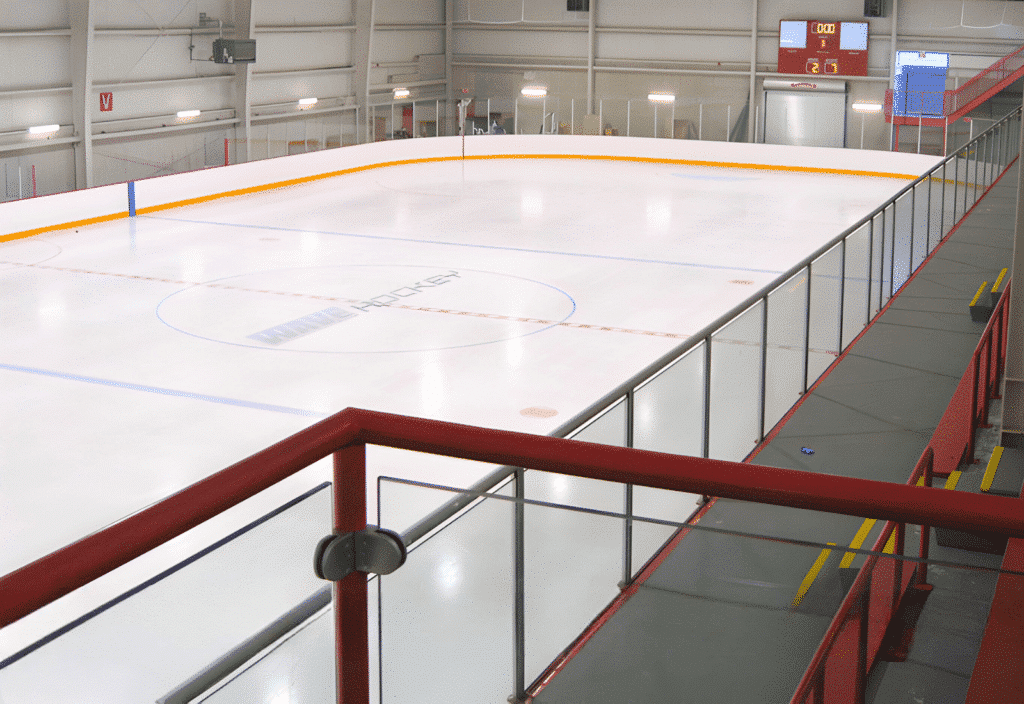
Imagine having your very own ice rink right inside your home. No need to battle the cold or wait for winter—your indoor ice rink can be ready anytime you want to skate, practice, or play.
You might think it’s complicated or expensive, but with the right steps, you can create a safe and fun space without breaking the bank. In this guide, you’ll learn exactly how to make an indoor ice rink that fits your space and your needs.
Ready to turn your home into a winter wonderland? Let’s get started!
Choosing The Right Location
Choosing a spot with enough space and flat ground helps create a smooth ice surface. A cool, shaded area keeps the ice from melting quickly. Easy access to water and electricity also makes maintenance simple.
Creating an indoor ice rink is a thrilling project that promises endless fun and memorable moments. However, to ensure your rink is both functional and enjoyable, selecting the right location is crucial. A well-chosen spot will serve as the foundation of your skating haven, dictating the smoothness of the ice and the ease of maintenance.Assessing Space Requirements
First things first, you need to determine how much space you’ll need. Think about the activities you’ll be hosting on your rink. Will it be just for casual skating, or do you plan on hosting hockey games? A standard home ice rink might range from 12×24 feet for smaller setups to 20×40 feet or larger for more ambitious projects. Measure your available area carefully and ensure there’s sufficient room for skaters to glide safely.Ensuring A Flat Surface
A flat surface is non-negotiable when building an indoor ice rink. An uneven base can lead to inconsistent ice thickness and potential accidents. Use a spirit level to check the flatness of your chosen location. If you find any discrepancies, consider using a layer of sand or plywood to even things out. This step might seem tedious, but trust me, it pays off in the long run.Considering Drainage Options
Have you thought about how you’ll manage excess water when the ice begins to melt? Proper drainage is essential to prevent water damage to your indoor space. Ensure your location has a drainage system or the capacity to install one. Alternatively, you might use containment mats or trays designed to catch runoff. It’s a proactive measure that saves you from future headaches. Choosing the right spot for your indoor ice rink is like setting the stage for a great performance. Each decision you make at this stage sets the tone for the rest of your project. Where will your ice rink find its home?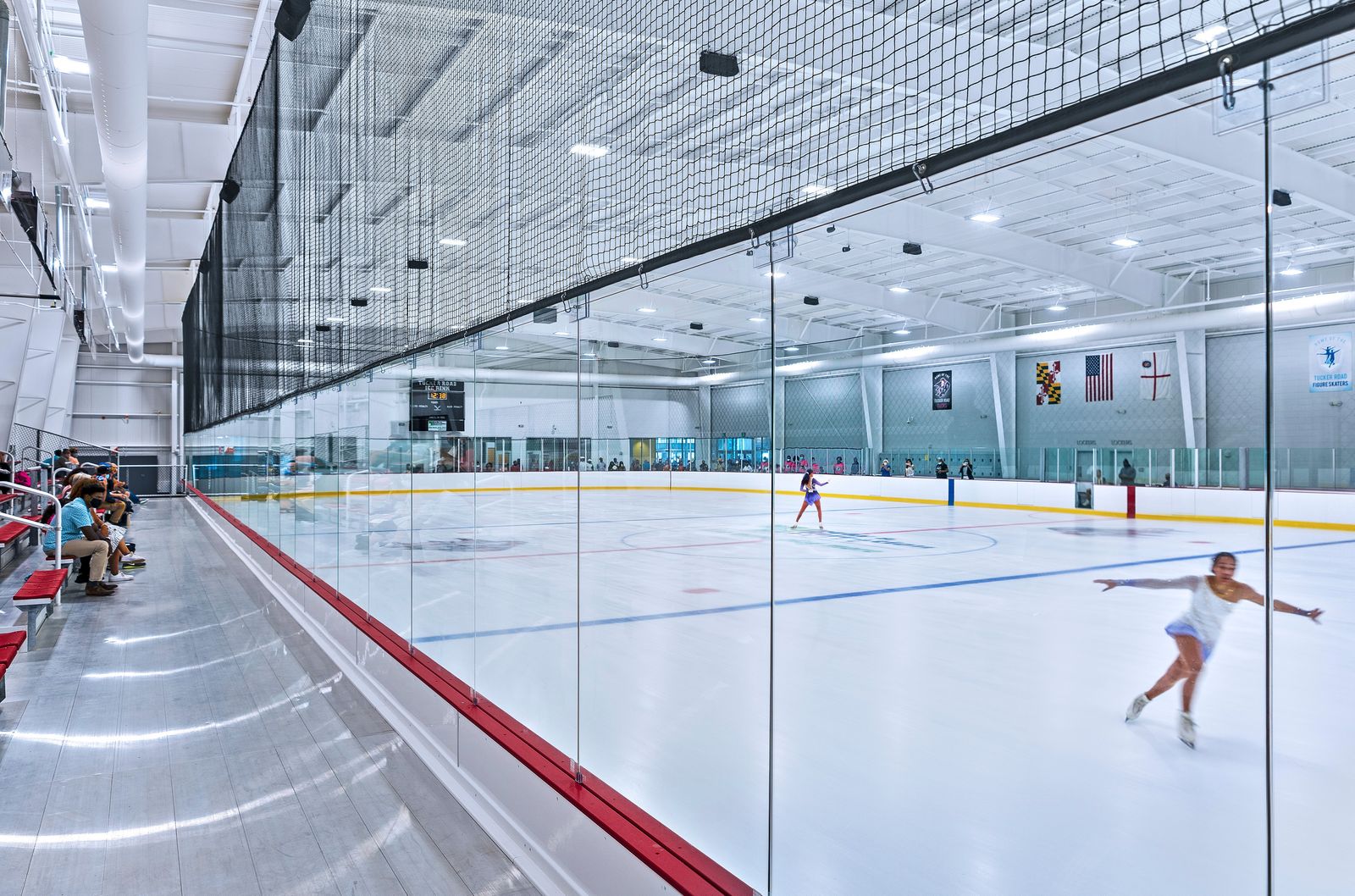
Credit: www.grimmandparker.com
Gathering Essential Materials
Gathering the right materials sets the foundation for a successful indoor ice rink. Choosing quality supplies ensures smooth ice and a safe skating area. This process involves selecting a rink liner, boards and frames, and a reliable water source. Each item plays a key role in building and maintaining the rink.
Selecting The Rink Liner
The rink liner holds the water and forms the ice surface. Pick a liner made from thick, durable plastic to prevent leaks. Look for one that is UV-resistant and puncture-proof. The liner should be large enough to cover the entire rink area with extra edges to secure it.
Choosing Boards And Frames
Boards and frames keep the rink’s shape and protect skaters. Use lightweight but strong materials like plastic or aluminum. The boards must be tall enough to hold the ice and water inside. Frames help keep the boards stable, so choose those that are easy to assemble and move.
Finding A Water Source
Water quality affects ice clarity and hardness. Use clean, cold water if possible. Tap water works well, but filtered water can create clearer ice. Ensure you have access to enough water to fill the rink fully. A garden hose or large buckets make filling easier and faster.
Preparing The Base
Preparing the base is the first and most important part of making an indoor ice rink. A strong, flat surface supports the ice and keeps it smooth. The base must be well-prepared to avoid cracks or bumps later. This step ensures the rink lasts longer and feels safe to skate on.
Clearing The Area
Start by removing any furniture, rugs, or obstacles from the space. Clear away dust, dirt, and debris. A clean area helps the ice freeze evenly. Check for any nails or sharp objects that could damage the ice or your skates. Make sure the floor is dry before continuing.
Leveling The Ground
Check if the floor is flat using a level tool. Uneven ground makes the ice thin in some spots and thick in others. Fill low areas with a self-leveling compound or smooth concrete. Sand down any high spots carefully. Let the surface dry fully before moving on.
Installing Insulation
Place insulation boards or foam sheets over the leveled floor. Insulation keeps the cold from escaping and stops water from seeping into the ground. Use materials designed for cold and moisture resistance. Seal the edges with tape to prevent gaps. This step saves energy and improves ice quality.

Credit: inbylt.com
Setting Up The Rink Structure
Setting up the rink structure is the foundation for a smooth indoor ice rink. A strong frame holds everything in place. The liner keeps water contained for freezing. Boards create boundaries and add safety. Each part must fit well and stay secure. This ensures a flat, safe surface for skating fun.
Assembling The Frame
Start by choosing a flat, level floor space. Use metal or plastic panels for the frame. Connect panels securely with bolts or clips. Check corners to keep the frame square. Make sure the frame is stable and won’t move. A steady frame prevents leaks and uneven ice.
Securing The Liner
Spread the liner inside the frame carefully. Use a heavy-duty plastic liner made for ice rinks. Smooth out wrinkles and folds to avoid leaks. Overlap liner edges outside the frame slightly. Tape or clamp edges to keep the liner tight. The liner holds water and stops it from escaping.
Installing Boards
Place boards around the rink’s edge for safety. Boards should be sturdy and at least 36 inches high. Attach boards firmly to the frame or floor. Seal gaps between boards to keep water inside. Boards protect skaters and keep the rink shape. Check boards regularly for damage or movement.
Filling And Freezing The Rink
Filling and freezing the rink is a key step in building an indoor ice rink. This stage sets the foundation for smooth, strong ice. Careful attention here ensures safe skating and a long-lasting surface. The process involves pouring water evenly, controlling the temperature, and keeping the ice in good shape.
Pouring Water Evenly
Start by filling the rink with clean, cold water. Pour slowly to avoid waves or bubbles. Use a hose or bucket to spread water evenly across the surface. Small layers work best, allowing each to freeze before adding more.
- Pour thin layers of water.
- Move in slow, steady motions.
- Fill all corners and edges carefully.
- Wait for each layer to freeze solid.
Managing Temperature
Keep the room temperature low to help water freeze quickly. The ideal temperature is below 32°F (0°C). Use fans or air conditioners to maintain cold air circulation. Avoid heat sources near the rink that can melt the ice.
- Set thermostat below freezing point.
- Monitor temperature regularly.
- Seal doors and windows to keep cold in.
Maintaining Ice Quality
Regular care keeps the ice smooth and strong. Remove snow or debris quickly. Use a scraper or ice resurfacer to smooth out rough spots. Check for cracks and fill them with water to freeze solid again.
- Clear ice surface daily.
- Fix cracks immediately.
- Keep humidity low to prevent frost.
- Apply thin water layers for touch-ups.
Safety Tips For Indoor Rinks
Creating an indoor ice rink is exciting, but safety must be your top priority. A well-maintained rink can still pose risks if you overlook simple precautions. How can you ensure everyone enjoys the fun without accidents?
Using Protective Gear
Protective gear is essential for anyone stepping onto your rink. Helmets, knee pads, elbow pads, and wrist guards reduce injury risks from falls and collisions.
Encourage guests to wear gear even if they think they’re experienced skaters. I once skipped a helmet on a smooth rink and ended up with a bruised head after a minor fall. That moment taught me that accidents can happen to anyone.
Make gear available for all ages and sizes. Having extra sets on hand shows you care about safety and encourages compliance.
Supervising Activities
Keeping an eye on the rink helps prevent risky behavior before it starts. Designate a responsible adult to monitor the rink during use, especially with children involved.
Supervision isn’t just about watching; it’s about actively engaging. Ask yourself: Are skaters following rules? Is someone skating too fast or attempting dangerous moves?
Clear communication of rules can reduce hazards. Post simple guidelines near the entrance and remind participants regularly. This approach keeps everyone alert and safe.
Preventing Slips And Falls
Slips and falls are the most common rink accidents, but many are avoidable. Ensure the rink surface is clean and smooth before use.
Place non-slip mats at entry and exit points to reduce slipping on wet floors. Remind skaters to walk carefully when off the ice.
Check lighting and remove obstacles around the rink. Poor visibility or clutter can cause trips that spoil the fun and lead to injuries.
Maintaining Your Ice Rink
Maintaining your indoor ice rink is key to keeping the ice smooth and safe for skating. Without proper care, your rink can quickly develop cracks, uneven surfaces, or melting spots that disrupt your fun. Let’s look at some simple yet effective ways to keep your ice rink in top shape.
Regular Ice Resurfacing
Resurfacing the ice regularly is essential to prevent rough patches and maintain a smooth skating surface. You can use a handheld ice scraper or a small homemade resurfacer to shave off bumps and fill cracks with water. Think of it like giving your rink a fresh coat of paint — it keeps everything looking and feeling new.
How often should you resurface? It depends on how much you use the rink. Heavy use calls for resurfacing every day or two, while light use might only need it once a week. Keep an eye on the texture and act before it gets too rough.
Handling Melting Issues
Melting is one of the biggest challenges indoors. Temperature fluctuations and humidity can cause the ice to soften and lose its firmness. To fight this, maintain a cool room temperature and use a dehumidifier to reduce moisture in the air.
If you notice puddles forming, gently drain the excess water and resurface the ice quickly. Avoid applying hot water to fix cracks, as it can cause uneven freezing and further melting. Instead, use cold or lukewarm water to patch the ice smoothly.
Storing Equipment Properly
Your ice rink equipment, like scrapers, brushes, and hoses, needs proper storage to last through the season. Store tools in a dry, cool area away from direct sunlight to prevent rust and damage. Hanging scrapers and brushes keeps their edges sharp and ready for use.
Organize your supplies neatly so you can grab what you need without delay. This small effort saves time and keeps your rink maintenance efficient. Have you set up a dedicated space for your rink gear yet?
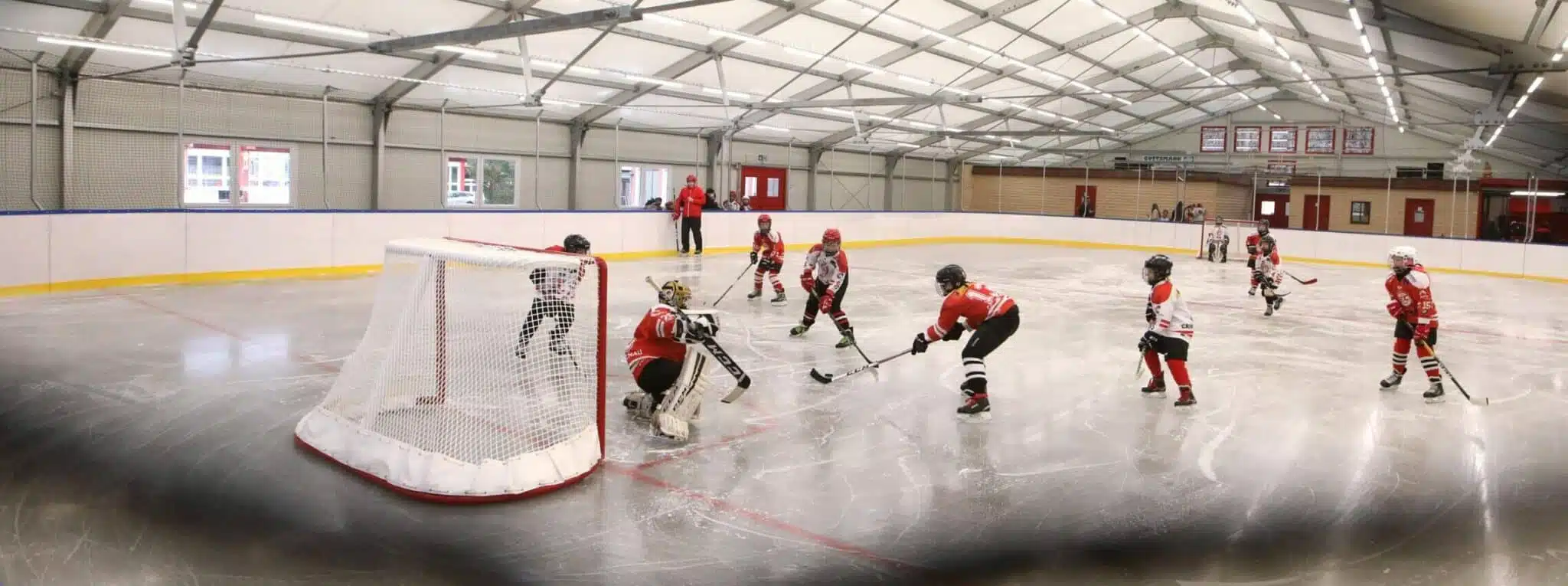
Credit: www.ice-world.com
Frequently Asked Questions
How Do I Prepare The Floor For An Indoor Ice Rink?
Start by cleaning and leveling the floor surface. Use a waterproof liner to prevent leaks. Insulate the area to maintain cold temperatures effectively.
What Materials Are Needed To Build An Indoor Ice Rink?
You need a plastic liner, insulation boards, wooden framing, water source, and a refrigeration system or ice maker. Safety gear is also essential.
How Long Does It Take To Freeze The Indoor Rink?
Freezing typically takes 24 to 48 hours depending on temperature and water thickness. Maintain consistent cold conditions for best results.
Can I Build An Indoor Ice Rink Without Refrigeration?
Yes, but it requires a naturally cold environment below freezing. Insulation helps retain cold, but freezing times increase without refrigeration.
Conclusion
Creating an indoor ice rink takes time and patience. Choose the right space and gather all materials first. Follow each step carefully to build a smooth surface. Keep the rink clean and cold for best results. Enjoy skating with family and friends anytime you want.
This project brings fun and exercise indoors. Give it a try and see the joy it brings!