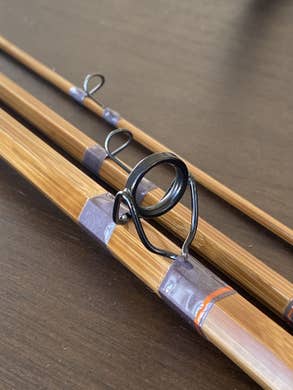
Have you ever dreamed of crafting your own bamboo fly fishing rod? Imagine the pride you’ll feel holding a rod built with your own hands—one that’s not just a tool, but a work of art.
Making your own bamboo rod isn’t as hard as you might think. In fact, with the right guidance, you can create a personalized rod that matches your style and improves your fishing experience. Ready to learn how to turn simple bamboo into a finely tuned fly fishing rod?
Keep reading, and you’ll discover the step-by-step process that brings this rewarding project to life.
Choosing The Right Bamboo
Making a bamboo fly fishing rod starts with picking the right bamboo. The quality of the bamboo affects the rod’s strength and flexibility.
This guide covers types of bamboo, how to select good cane, and ways to harvest and season it properly.
Types Of Bamboo For Rod Making
Not all bamboo types work well for making fly rods. The best bamboo grows dense and straight. Tonkin cane is the most popular choice.
- Tonkin Cane:Known for strength and flexibility.
- Madake Bamboo:Common in Japan, strong but more flexible.
- Phyllostachys Bamboo:Less dense, not ideal for rods.
Selecting Quality Cane
Good cane is straight, free of cracks, and has tight nodes. The diameter should be uniform along the length.
| Quality Factor | What to Look For |
|---|---|
| Straightness | Minimal bends or curves |
| Surface | Smooth with no cracks or holes |
| Nodes | Tight and evenly spaced |
| Diameter | Consistent thickness along the cane |
Harvesting And Seasoning
Harvest bamboo during dry months to reduce moisture. Cut the cane at the right height and avoid young shoots.
- Cut bamboo with a sharp tool to avoid splitting.
- Strip off leaves and branches.
- Hang the cane in a dry, ventilated area.
- Season the bamboo for 6 to 12 months to harden.
- Check for insect damage regularly during seasoning.
Tools And Materials Needed
Building a bamboo fly fishing rod requires specific tools and materials. You’ll need precision and patience to craft a rod that performs well in the water.
Here, we explore the essential tools and materials you’ll need to start your rod-building journey.
Essential Hand Tools
Hand tools are vital for crafting bamboo rods. These tools help shape and assemble the rod with accuracy.
- Plane: Used for shaving bamboo strips to the right taper.
- File: Essential for smoothing and shaping metal parts.
- Chisel: Useful for fine-tuning and fitting bamboo sections.
Measuring And Marking Devices
Accuracy is key when building a bamboo rod. These devices help ensure precise measurements.
- Caliper: Measures the thickness of bamboo strips.
- Ruler: Essential for marking and cutting bamboo to length.
- Protractor: Helps in checking angles for joints.
Finishing Supplies
The final touch on your bamboo rod is important. These supplies give your rod a professional look.
- Varnish: Protects the bamboo from water and wear.
- Sandpaper: Smooths the bamboo surface before finishing.
- Thread: Used for wrapping guides and decorative elements.
Preparing The Bamboo Strips
Making bamboo fly fishing rods starts with preparing the bamboo strips. This step is important to get strong, flexible rod parts.
Good preparation helps the rod perform well and last a long time. It takes care and patience to get the strips ready.
Splitting And Planing
First, split the bamboo culm into narrow strips. Use sharp tools to make clean cuts along the fibers.
Next, plane each strip to make it smooth and even. This shapes the bamboo and removes any rough parts.
- Split bamboo into six or more strips
- Use a knife or splitting tool carefully
- Plane each strip flat and straight
- Check strips for cracks or flaws
Heat Treating Techniques
Heat treating strengthens the bamboo and removes moisture. This step makes the bamboo more flexible and durable.
Use a heat source to carefully toast the strips. Watch the color change to avoid burning the bamboo.
- Use a heat lamp, oven, or flame
- Toast strips evenly on all sides
- Heat until strips turn light brown
- Do not overheat to prevent brittleness
Shaping The Rod Sections
Shape the rod sections by sanding and trimming the bamboo strips. This forms the rod’s final profile.
Work slowly and check the shape often. The rod should taper smoothly from thick to thin.
- Sand strips to smooth edges
- Trim to correct lengths and tapers
- Test fit sections before gluing
- Ensure all parts fit tightly together

Credit: www.youtube.com
Assembling The Rod
Assembling a bamboo fly fishing rod takes care and patience. You join several strips of bamboo to form the rod’s body. This process needs precision to make the rod strong and smooth.
Each step matters, from aligning the bamboo strips to letting the glue dry. This guide covers the key steps to assemble your bamboo rod correctly.
Aligning And Gluing Strips
Start by arranging the bamboo strips side by side. Check that the edges meet evenly without gaps. Apply glue carefully to the edges before pressing the strips together. Proper alignment ensures the rod bends well and stays strong.
Binding And Clamping
After gluing, bind the strips tightly with thread or tape. Use clamps to hold the strips firmly. This keeps the strips from moving as the glue sets. Make sure the pressure is even along the length of the rod.
- Wrap thread around the rod every few inches
- Use a clamp at each end of the glued section
- Check that strips remain aligned during binding
- Do not overtighten to avoid crushing the bamboo
Drying And Curing Process
Let the glued rod dry in a warm, dry place. The glue needs time to cure fully for strong bonds. Avoid moving or removing clamps too early. This step can take several hours or days depending on glue type.
| Drying Time | Temperature | Notes |
| 12-24 hours | 70-80°F (21-27°C) | Ideal for most wood glues |
| 48 hours | 60-70°F (16-21°C) | Slower cure in cooler conditions |
| 24 hours | Above 80°F (27°C) | Faster cure but watch for glue drying too fast |
Adding Hardware And Finish
After shaping the bamboo, you add hardware parts to the rod. These parts include guides and the reel seat. This step makes the rod ready for fishing.
Once hardware is in place, apply a finish. The finish protects the rod and gives it a smooth look. It also helps the bamboo last longer.
Installing Guides And Reel Seat
Start by placing the guides along the rod. Guides help the fishing line move smoothly. Space them evenly from the tip to the base.
Attach the reel seat near the handle. This holds the fishing reel tightly. Use strong glue and thread wraps to secure both guides and reel seat.
- Measure guide positions carefully
- Use epoxy or strong glue
- Wrap thread tightly around guides
- Secure reel seat near the handle
Applying Varnish Or Finish
Choose a clear varnish or finish made for bamboo rods. This layer protects the rod from water and dirt. It also makes the bamboo shine.
Apply thin coats with a soft brush. Let each coat dry before adding another. Usually, three to five coats work best for good protection.
- Use clear varnish or rod finish
- Brush on thin layers
- Allow drying time between coats
- Apply 3 to 5 coats for durability
Final Sanding And Polishing
After the varnish dries, lightly sand the rod with fine sandpaper. This smooths out any rough spots. Be gentle to avoid removing the finish.
Use a soft cloth to polish the rod. Polishing brings out a nice shine. Your bamboo fly fishing rod is now ready for use.

Credit: bamboopursuits.com
Testing And Tuning
After building your bamboo fly fishing rod, testing and tuning are important. These steps help the rod perform well on the water. Testing shows how the rod bends and reacts.
Tuning lets you adjust the rod for smooth casting and better control. Careful testing and tuning improve your fishing experience.
Checking Flex And Action
Flex means how much the rod bends under pressure. Action describes how fast the rod returns to its original shape. Check both by slowly bending the rod.
Look for smooth bending without sudden stiff spots. The rod should bend mostly in the upper half for a good action. Test by casting with different line weights.
- Bend the rod gently to see its full curve
- Notice if any part feels stiff or weak
- Cast light and heavy lines to feel the action
- Observe how fast the rod straightens after a cast
Adjusting For Performance
You can improve rod performance by tuning its parts. Add or remove wraps on the guides to change flexibility. Adjust the reel seat tightness for better balance.
Sanding or finishing layers can change the rod’s stiffness. Small changes affect how the rod casts and feels in hand. Make adjustments slowly and test often.
- Tighten or loosen guide wraps to alter flex
- Check rod balance by holding it in the middle
- Lightly sand finish to reduce stiffness if needed
- Test cast after every change for feedback
Maintenance Tips
Keep your bamboo rod in good shape with regular care. Clean the rod after each use to remove dirt and water. Store it dry and away from direct sunlight.
Check guides and wraps for damage. Fix small cracks quickly to avoid bigger problems. Proper maintenance extends the life of your rod.
- Wipe the rod with a soft cloth after fishing
- Store the rod in a protective case
- Inspect guides and wraps for wear regularly
- Apply rod finish or oil to keep bamboo strong
Common Mistakes To Avoid
Making bamboo fly fishing rods is a careful process. Many beginners make simple mistakes. These mistakes can affect the rod’s strength and performance.
Knowing what to avoid helps you build better rods. This guide covers common errors in bamboo selection, assembly, and finishing.
Errors In Bamboo Selection
Choosing the wrong bamboo can cause weak rods. Some bamboo is too soft or has too many knots. These make the rod break easily.
Avoid bamboo that is not straight or has cracks. Also, do not use bamboo that is too old or not dried well. Good bamboo must be strong and flexible.
- Select bamboo with few or no knots
- Pick straight, uniform strips
- Use bamboo that is properly dried
- Avoid bamboo with cracks or discoloration
Assembly Pitfalls
Assembly is where many mistakes happen. Poor alignment of bamboo strips can weaken the rod. Misplaced glue can cause gaps or weak bonds.
Be sure to keep the strips tight and aligned. Use the right amount of glue to avoid mess and ensure strength. Check the rod’s taper carefully for smooth action.
- Align bamboo strips precisely
- Use enough glue without excess
- Clamp strips firmly during drying
- Check rod taper for smooth curve
Finishing Flaws
Finishing protects the rod and improves its look. Skipping sanding can leave rough spots. Using poor finish materials can cause peeling or cracking.
Sand the rod smoothly before applying finish. Apply thin, even coats and let them dry fully. Avoid thick layers that can make the rod heavy or sticky.
- Sand the rod carefully to smooth edges
- Apply thin coats of finish
- Allow full drying time between coats
- Use high-quality finish for durability

Credit: oysterbamboo.com
Frequently Asked Questions
What Materials Are Needed For Bamboo Fly Fishing Rods?
You need high-quality Tonkin bamboo, rod-making tools, epoxy glue, ferrules, and thread wraps. These materials ensure durability and flexibility for your fishing rod.
How Long Does It Take To Make A Bamboo Fly Rod?
Making a bamboo fly rod typically takes 20 to 40 hours. Time varies based on skill level and rod complexity.
What Skills Are Essential For Bamboo Rod Making?
Key skills include precise splitting, planing, gluing, and wrapping techniques. Patience and attention to detail are crucial throughout the process.
Can Beginners Make Bamboo Fly Fishing Rods?
Yes, beginners can make bamboo rods with practice and guidance. Starting with simple designs and following tutorials helps build skills.
Conclusion
Making bamboo fly fishing rods takes patience and care. Each step shapes a strong, flexible rod. Using the right tools and materials helps you build a quality rod. Practice and attention improve your skills over time. Enjoy the process as much as the result.
With dedication, your handmade rod will perform well on the water. Try building one and feel the satisfaction of your own craft. Simple steps lead to a great fishing experience.