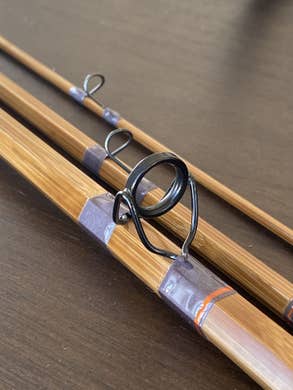
Have you ever dreamed of crafting your own bamboo fly fishing rod? Imagine holding a rod you built with your own hands—smooth, strong, and perfectly balanced.
Making bamboo fly fishing rods is not just a skill; it’s an experience that connects you deeply with your fishing passion. In this guide, you’ll discover clear, simple steps to create your very own bamboo rod. Whether you’re a beginner or have some experience, this process will bring you satisfaction and pride.
Ready to turn bamboo into your next fishing masterpiece? Let’s dive in.
Materials And Tools Needed
Making a bamboo fly fishing rod requires specific materials and tools. This guide covers what you need to get started.
Choosing the right bamboo cane and having the proper tools helps you build a strong, smooth rod.
Selecting Bamboo Cane
Choose Tonkin cane for its strength and flexibility. Look for straight stalks without cracks or splits. The cane should be mature, at least five years old.
- Check for nodes spaced evenly along the cane.
- Inspect the color; it should be pale yellow or light green.
- Avoid any bamboo with insect holes or rot.
- Pick cane with a diameter between 9 to 12 millimeters.
Essential Tools
| Tool | Purpose |
| Planer | Shape bamboo strips |
| Splitting knife | Split cane into strips |
| Scraper | Refine strip surfaces |
| Caliper | Measure strip thickness |
| Glue pot | Heat and apply glue |
| Rod mandrel | Hold strips for binding |
Additional Supplies
Besides tools, gather these supplies to complete your rod:
- Epoxy resin for finishing
- Thread for wrapping guides
- Rod guides and tip-top
- Sandpaper of various grits
- Varnish to protect the rod
- Protective gloves and mask
Preparing The Bamboo
Making a bamboo fly fishing rod starts with preparing the bamboo properly. This process affects the strength and flexibility of the rod. Careful work at this stage leads to better fishing performance.
Preparing bamboo involves three main tasks: splitting the cane, planing the strips, and treating and seasoning the bamboo. Each step needs attention to detail and patience.
Splitting The Cane
First, select a strong bamboo cane. Use a sharp knife or specialized tool to split the cane into smaller sections. These sections will become the strips for the rod.
Splitting evenly is important to keep the strength balanced. Take your time to avoid cracks or damage.
Planing The Strips
After splitting, each bamboo strip needs to be planed to the right shape. This shapes the strips into thin, flat pieces that fit together well.
- Use a fine plane or sanding tool
- Check thickness often with calipers
- Make sure edges are smooth and straight
- Keep the strips uniform for better fit
Treating And Seasoning
Treating bamboo protects it from moisture and pests. Seasoning removes excess water and strengthens the bamboo.
| Treatment | Purpose | Method |
| Heat Treatment | Hardens bamboo fibers | Slow roasting over heat |
| Oil Application | Prevents moisture absorption | Coating with boiled linseed oil |
| Dry Seasoning | Removes moisture | Air drying in shade for weeks |
Shaping The Rod Sections
Shaping the rod sections is a key part of making bamboo fly fishing rods. It affects how the rod bends and casts.
This process involves careful work to get the right shape and thickness for each section of the rod.
Taper Design Basics
The taper is the change in thickness from the rod’s base to its tip. It controls the rod’s action and strength.
A good taper balances power and flexibility. The base is thick for strength. The tip is thin for sensitivity.
- Thicker base handles strong casts
- Thinner tip helps with delicate flies
- Smooth taper prevents weak spots
Planing To Taper
Planing shapes the bamboo strips to the taper. Use a flat plane tool to remove bamboo slowly and evenly.
Work in small steps. Check the shape often to avoid removing too much material.
- Start with rough cuts to get close to shape
- Use finer planes for smooth finish
- Keep edges sharp and clean
Checking Dimensions
Measure each rod section with calipers to check thickness. Compare measurements to the taper plan.
Small errors can affect rod performance. Fix any differences by careful planing.
- Measure at several points along each section
- Keep measurements within 0.01 inches
- Repeat checking after each planing step

Credit: www.youtube.com
Assembling The Rod
Assembling a bamboo fly fishing rod requires care and patience. This process joins the bamboo strips to form a strong, flexible rod.
Each step must be done carefully to ensure the rod performs well and lasts a long time.
Gluing The Strips
Start by applying glue evenly to the edges of each bamboo strip. Use a strong, waterproof adhesive designed for wood.
Make sure the glue covers the entire edge to avoid weak spots in the rod.
Binding And Clamping
After gluing, bind the strips tightly together. Use strong thread or cord to wrap around the strips.
- Start wrapping at one end of the strips
- Keep the thread tight and even
- Continue wrapping until the entire glued area is covered
- Secure the thread ends firmly
- Place clamps on the rod to keep pressure during drying
Binding and clamping keep the strips aligned and pressed while the glue sets.
Drying Process
Let the rod dry in a warm, dry place. Avoid direct sunlight or high heat that can damage the bamboo.
| Drying Condition | Recommended Range |
|---|---|
| Temperature | 65°F to 75°F (18°C to 24°C) |
| Humidity | 40% to 60% |
| Drying Time | 24 to 48 hours |
Check the rod after drying to ensure the glue has fully cured before removing the clamps and bindings.
Finishing Touches
Finishing a bamboo fly fishing rod gives it a smooth look and protects it. This stage makes the rod ready to use.
Focus on sanding, varnishing, and installing parts carefully. These steps add strength and beauty.
Sanding And Smoothing
Use fine sandpaper to smooth the bamboo surface. Sand lightly to avoid cutting the fibers.
Work evenly along the rod to remove rough spots. A smooth rod feels better in your hands and looks clean.
- Start with 220-grit sandpaper
- Finish with 400-grit or finer
- Smooth all sides of each bamboo section
- Wipe off dust with a soft cloth
Applying Varnish
Varnish protects the bamboo from water and damage. Apply thin coats for best results.
Let each coat dry fully before adding the next. Use a brush or spray for even coverage.
- Choose a clear, waterproof varnish
- Apply 3 to 5 thin coats
- Sand lightly between coats with fine sandpaper
- Allow at least 24 hours drying time per coat
Installing Guides And Reel Seat
Attach the guides carefully along the rod. Align them straight to guide the fishing line smoothly.
Fix the reel seat near the handle. Secure it tightly so the reel stays in place during fishing.
- Use thread wraps to hold guides in place
- Coat wraps with epoxy for strength
- Position guides evenly from tip to handle
- Tighten reel seat firmly but do not overtighten

Credit: www.youtube.com
Testing And Adjustments
After crafting your bamboo fly fishing rod, testing and adjusting it is essential. This process ensures the rod performs well and lasts long. It helps catch any issues before you take it fishing.
Focus on the rod’s flexibility, strength, and overall feel. Make changes carefully to get the best balance. This guide covers the key steps for testing and fine tuning your rod.
Flexibility And Strength Check
Begin by testing how the rod bends and holds under pressure. The right rod should flex smoothly without cracking or feeling too stiff. Check the strength by applying gentle force along the rod’s length.
- Bend the rod slowly from the handle to the tip.
- Look for any soft spots or sudden bends.
- Check if the rod returns to its original shape after bending.
- Apply a slight pressure to test the rod’s resistance.
- Listen for any unusual sounds like creaks or cracks.
Fine Tuning
Adjustments help improve rod action and feel. You can tweak the tension and smoothness by working on the bamboo strips and bindings. Use light sanding and re-gluing where needed.
| Adjustment Type | Method | Effect |
| Sanding | Lightly sand rough areas | Smoother rod action |
| Re-gluing | Add glue to loose bindings | Increased strength and stability |
| Heat Bending | Use heat to reshape bamboo | Improved rod curve |
| Check Ferrules | Tighten or realign ferrules | Better joint fit and strength |
Ready For Fishing
Once testing and fine tuning are done, inspect the rod for any final issues. Make sure all parts fit well and the finish is smooth. Attach the reel seat and line guides securely.
Before your first cast, try these tips:
- Practice casting in an open area.
- Check the rod’s balance with your reel and line.
- Look for any slipping or loose parts.
- Keep your rod clean and dry after use.

Credit: bamboopursuits.com
Frequently Asked Questions
What Materials Are Needed To Make Bamboo Fly Fishing Rods?
You need high-quality split bamboo, rod guides, cork handles, epoxy glue, and thread wraps. These materials ensure strength, flexibility, and durability for your rod.
How Long Does It Take To Build A Bamboo Fly Rod?
Building a bamboo fly rod typically takes several weeks. This includes splitting, planing, gluing, and finishing the rod for optimal performance.
What Skills Are Required To Craft Bamboo Fly Rods?
You need woodworking skills, patience, and precision. Experience in rod planing and assembly improves quality and helps create a functional, beautiful fishing rod.
Why Choose Bamboo Over Other Fly Fishing Rod Materials?
Bamboo offers unique flexibility, strength, and a classic feel. It provides excellent casting performance and a traditional aesthetic compared to synthetic materials.
Conclusion
Making bamboo fly fishing rods takes patience and care. Each step shapes a strong, flexible rod. Crafting your own rod can bring joy and pride. This skill connects you with nature and tradition. Keep practicing to improve your technique. Enjoy the calm and fun of fishing with your rod.
Small efforts lead to great results. Start now and see how rewarding it feels.