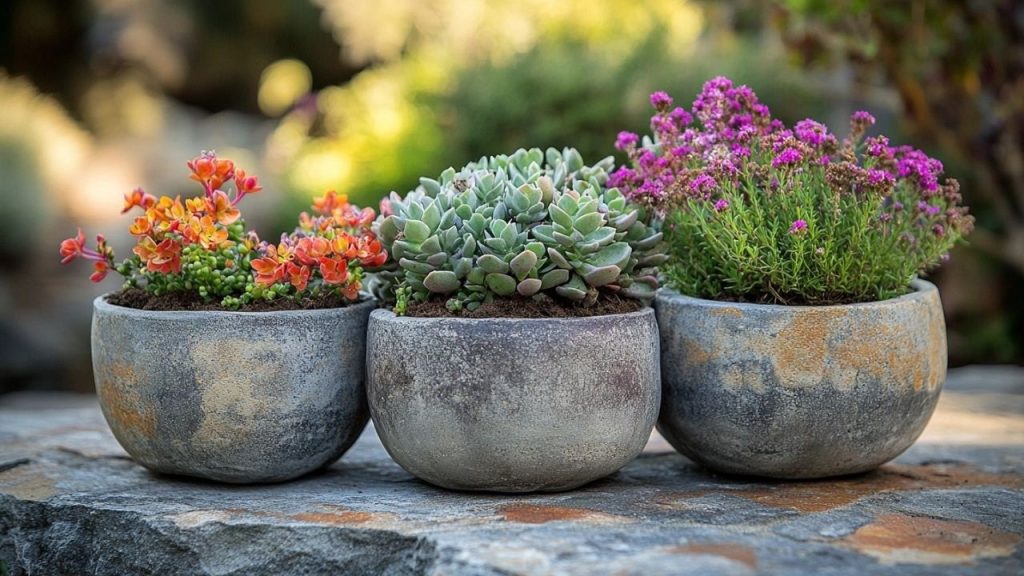
Are you dreaming of stylish concrete planters but worried they’ll be too heavy to move or fragile over time? You’re not alone.
Concrete planters can add a modern touch to your space, but their weight and durability often hold people back. What if you could create planters that are both lightweight and strong? You’ll discover simple tips and clever tricks to make your concrete planters easy to handle and built to last.
Keep reading, and soon you’ll be crafting beautiful, durable planters that perfectly fit your needs.
Choosing The Right Materials
Concrete planters need to be both light and strong. Choosing the right materials helps you make planters that last long and are easy to move.
Using special materials can reduce weight and increase durability. This guide explains which materials work best for these goals.
Lightweight Aggregates
Lightweight aggregates replace heavy sand and gravel in concrete. They make the planter lighter without losing too much strength.
Common lightweight aggregates include expanded clay, pumice, and perlite. These materials have air pockets that reduce the weight.
- Expanded clay is durable and absorbs little water
- Pumice is natural and adds texture
- Perlite improves insulation and reduces weight
Durable Cement Types
Some cement types offer better strength and weather resistance. These cements help planters last longer outside.
Portland cement is common and strong. Adding slag or fly ash can improve durability and reduce cracking.
- Portland cement is standard and reliable
- Slag cement resists chemicals and moisture
- Fly ash increases strength and reduces heat
Additives For Strength And Flexibility
Additives improve concrete by making it stronger or more flexible. They reduce cracking and damage from weather.
Common additives include fibers, plasticizers, and water repellents. Each has a special role in improving the mix.
- Fibers help hold the concrete together and stop cracks
- Plasticizers make the mix easier to shape without adding water
- Water repellents keep moisture out to prevent damage
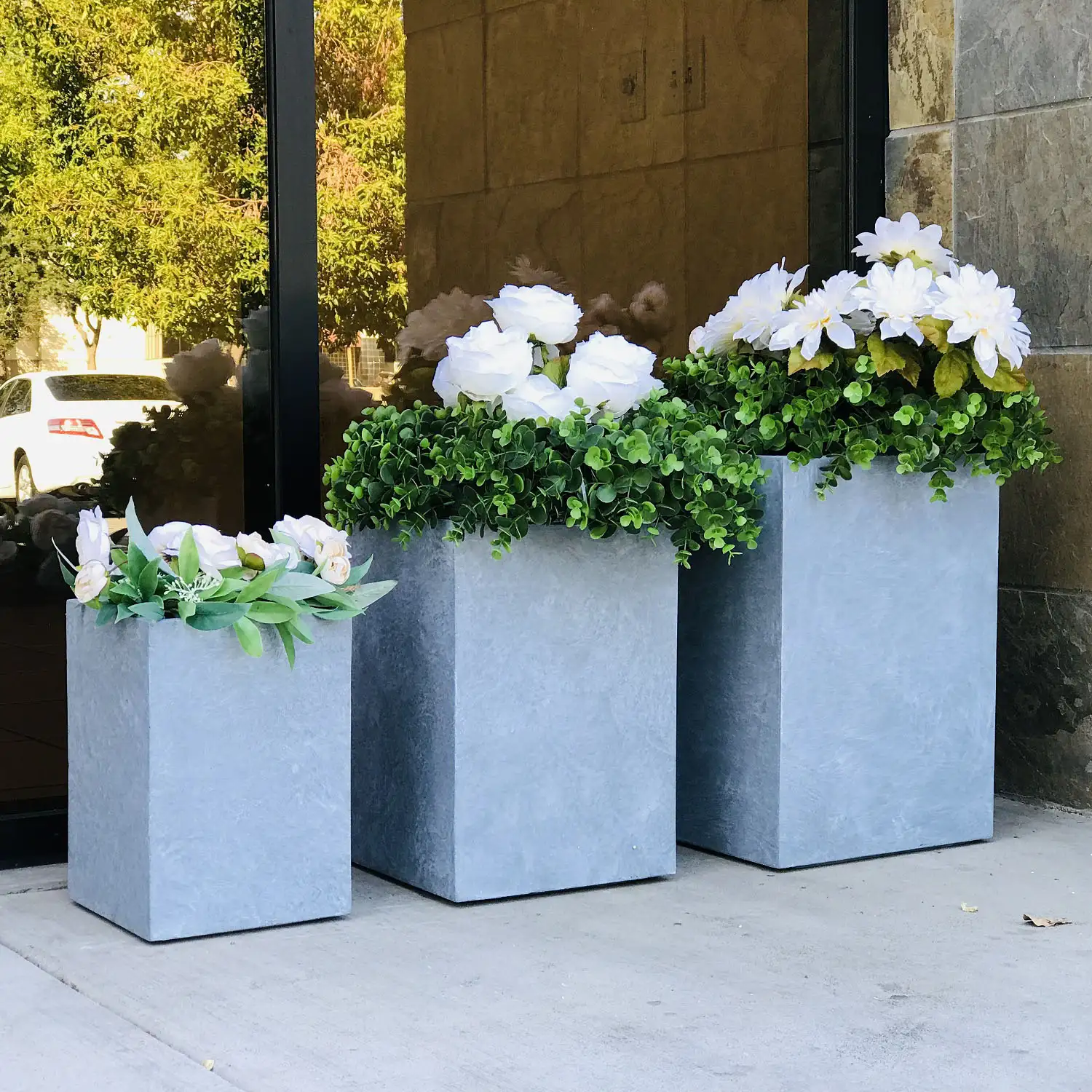
Credit: www.ronglintech.com
Mixing Techniques For Durability
Concrete planters can be strong and long-lasting if mixed correctly. The right mix keeps them light and durable.
Good mixing techniques help prevent cracks and damage. This guide shows key tips to improve your concrete.
Proper Water-to-cement Ratio
Water makes concrete easier to mix but too much weakens it. The right water amount is key for strength.
Use only enough water to make a smooth mix. Avoid adding extra water after mixing starts.
- Use about 0.4 to 0.5 parts water per part cement
- Too much water causes cracks and reduces durability
- Too little water makes mixing hard and dry
- Mix slowly to control moisture and texture
Incorporating Fibers
Add fibers to concrete to make it tougher and resist cracks. Fibers help hold the mix together.
Use synthetic or natural fibers in small amounts. They improve durability without adding weight.
- Polypropylene fibers reduce cracking
- Glass fibers add strength
- Natural fibers like coconut can improve texture
- Add fibers during mixing for even spread
Avoiding Common Mixing Mistakes
Many errors weaken concrete. Avoid these to keep your planters strong and light.
- Do not add too much water after starting mix
- Mix all ingredients evenly without lumps
- Use clean tools and containers to avoid contamination
- Do not rush curing; let concrete dry slowly
Mold Selection And Preparation
Creating concrete planters that are both lightweight and durable starts with selecting the right mold. The mold you choose will impact the shape, texture, and ease of the planter-making process.
Proper preparation of the mold ensures a smooth finish and ease of removal once the concrete has set. Let’s explore the key steps in mold selection and preparation.
Using Flexible Molds
Flexible molds, such as those made of silicone or rubber, allow for easy removal of the set concrete. These molds are ideal for intricate designs, as they can be bent and pulled without breaking the hardened material.
- Choose molds that are sturdy yet flexible.
- Ensure the mold material can withstand the weight of wet concrete.
- Check that the mold size fits your desired planter dimensions.
Applying Release Agents
Release agents are crucial for preventing the concrete from sticking to the mold. They provide a barrier that allows the concrete to separate smoothly once it has cured.
Common release agents include cooking spray, motor oil, or specialized concrete release products. Apply evenly over the entire mold surface for best results.
Designing For Drainage
Proper drainage is essential for plant health in any planter. When designing your mold, consider how water will escape to prevent over-watering.
| Drainage Design | Benefit |
| Holes at the bottom | Efficient water runoff |
| Elevated base | Prevents water logging |
| Grooves or channels | Enhanced airflow |
Credit: www.etsy.com
Curing Methods To Enhance Strength
Concrete planters need proper curing to become strong and durable. Curing helps concrete gain strength over time. It also makes planters last longer without cracking.
Using the right curing methods keeps the concrete moist and at the right temperature. This improves the concrete’s quality and reduces weight by avoiding extra materials.
Optimal Curing Time
Concrete planters need enough time to cure fully. The curing time depends on the mix and weather. Usually, 7 days is good for most planters. Longer curing makes the concrete stronger.
Check the planter daily to keep it moist during this time. Avoid moving the planter until it cures well. This prevents cracks and weak spots.
Moisture Retention Techniques
Keeping concrete wet during curing is very important. Water helps the cement react and harden properly. Dry concrete will crack and lose strength.
- Cover the planter with plastic sheets to keep moisture in
- Spray water on the surface regularly, especially in dry weather
- Use wet burlap or cloth to cover the planter
These methods keep the concrete hydrated and improve durability. Moisture retention also helps reduce weight by avoiding extra cement needed for repairs.
Temperature Control
Temperature affects how fast concrete cures. Too hot or too cold slows down curing or causes cracks. Keep the planters in a stable, moderate temperature.
- Protect planters from direct sunlight during curing
- Move planters indoors if the temperature is below 50°F (10°C)
- Use insulated covers in cold weather
Controlling temperature helps concrete gain strength evenly. It also prevents damage that makes planters weak and heavy.
Finishing Touches For Longevity
Concrete planters can last a long time if you add the right finishing touches. These touches help make them lightweight and strong.
Finishing well protects your planter from weather and damage. It also keeps the look fresh for years.
Sealing And Waterproofing
Sealing concrete keeps water out. This stops cracks and weak spots. Use a good waterproof sealant made for concrete.
- Clean the planter surface before sealing.
- Apply sealant with a brush or spray.
- Let it dry fully before using the planter.
- Reapply sealant every year for best results.
Surface Treatments
Surface treatments add extra protection and style. You can use paints, stains, or textured coatings. These treatments help block sun and rain damage.
| Type | Purpose | Notes |
| Concrete Paint | Color and protection | Use outdoor paint only |
| Concrete Stain | Enhance natural look | Penetrates surface |
| Textured Coating | Hide imperfections | Adds grip and style |
Preventing Cracks And Chips
Cracks and chips happen from drops or cold weather. To prevent this, handle planters with care and avoid freezing water inside.
Tips to prevent cracks and chips:
- Use a plastic liner inside the planter.
- Do not overfill with heavy soil.
- Keep planters off cold ground during winter.
- Fix small cracks quickly with patching compound.
Maintenance Tips For Concrete Planters
Concrete planters are strong and stylish, but they need care to last long. Regular maintenance keeps them looking good and working well.
Follow simple steps to clean, place, and repair your concrete planters. These tips help keep them lightweight and durable over time.
Cleaning Practices
Clean your concrete planters gently to avoid damage. Use mild soap and water instead of harsh chemicals. Rinse well to remove dirt and debris.
- Use a soft brush or cloth for scrubbing.
- Remove moss or algae with a vinegar solution.
- Dry the planter completely after washing.
- Do not use pressure washers that can crack the surface.
Handling And Placement
Place concrete planters on flat, stable surfaces to prevent tipping. Avoid dragging them to keep the base from cracking. Lift planters carefully to reduce stress on the material.
| Handling Tips | Placement Tips |
| Lift with both hands | Choose level ground |
| Use a dolly for heavy planters | Keep away from sharp edges |
| Avoid dropping or hitting | Place in shaded areas to reduce cracking |
Repairing Minor Damage
Small cracks and chips can reduce planter life. Fix them quickly to keep planters strong. Use concrete patch products made for repairs.
- Clean the damaged area before repair.
- Apply patch mix with a putty knife.
- Smooth the surface and let it dry fully.
- Seal the repaired area with waterproof sealant.

Credit: rootandvessel.com
Frequently Asked Questions
How Can I Make Concrete Planters Lightweight?
Use lightweight aggregates like perlite or pumice instead of regular gravel. These materials reduce weight without sacrificing strength. Adding hollow cores or foam inserts inside also helps make planters lighter.
What Additives Improve Concrete Planter Durability?
Additives like polymer modifiers and silica fume enhance concrete’s strength and water resistance. These additives reduce cracking and increase lifespan, making planters more durable against weather and wear.
Which Concrete Mix Is Best For Planters?
A mix with a 1:2:3 ratio of cement, sand, and lightweight aggregate works well. Use less water to improve strength. This mix balances durability and weight for sturdy, lightweight planters.
How To Prevent Cracking In Concrete Planters?
Add fiber reinforcements like polypropylene fibers to the concrete mix. Cure planters properly by keeping them moist for several days. These steps reduce shrinkage cracks and improve durability.
Conclusion
Concrete planters can be both light and strong with the right steps. Use lightweight materials like perlite or vermiculite in your mix. Reinforce with fibers or mesh to add durability. Proper curing helps avoid cracks and damage. These tips make your planters easier to move and last longer.
Enjoy crafting planters that suit your style and space. Simple changes lead to better, lasting results. Try these ideas for your next concrete planter project.