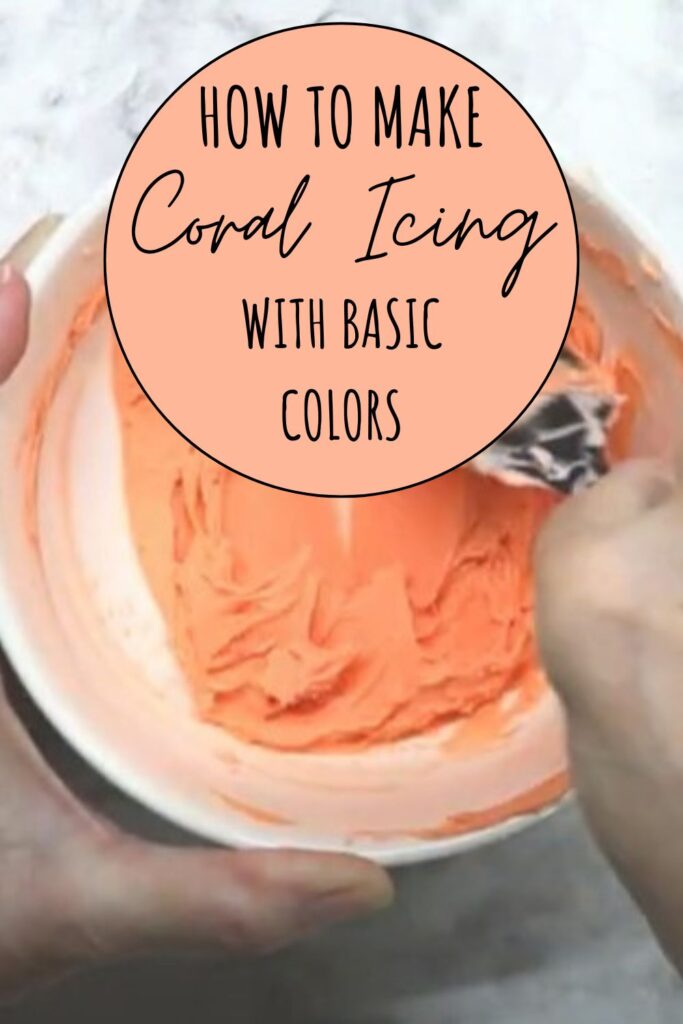
Are you ready to transform your cakes and cupcakes into stunning works of art with the perfect coral icing color? Whether you’re aiming for a beachy vibe or a sophisticated splash of color, mastering coral icing can elevate your baking game.
Imagine the joy on your guests’ faces as they admire your beautifully decorated treats. In this guide, you’ll discover the secrets to achieving that ideal coral hue, avoiding common pitfalls, and ensuring your icing is just as vibrant as you envision.
Let’s dive into the simple steps that will make your desserts the talk of the party!

Credit: www.youtube.com
Choosing Base Colors
Choosing the right base colors is key to creating the perfect coral icing shade. The base sets the tone and affects how vibrant or soft the final color looks. Start by understanding the role of your white icing and the types of red and orange shades you will mix. Careful selection helps you get a balanced and true coral color every time.
Selecting White Icing Base
Use a pure white icing base for bright and clean coral shades. Avoid off-white or cream colors as they can dull the coral tone. Buttercream or royal icing both work well, as long as they are smooth and white. The base should be thick enough to hold color but soft enough to blend easily.
Picking The Right Red And Orange Shades
Choose red and orange colors that are vivid but not too dark. Bright red adds warmth, while a soft orange brings brightness. Use gel or paste food coloring for better control and richer hues. Start with small amounts to avoid overpowering the mixture. Mixing these colors in the right balance creates that classic coral glow.
Mixing Coral Tones
Mixing coral tones for icing is both a science and an art. You need to balance colors carefully to get that perfect shade that’s vibrant yet soft. Let’s break down how you can mix coral tones step by step and make your icing stand out.
Combining Red And Orange
Start with red and orange as your base colors. Red adds warmth and depth, while orange brings brightness and energy. Use more orange if you want a lighter, sunnier coral, or more red for a richer, deeper hue.
Try mixing small amounts first to see how the colors blend. Remember, a little red goes a long way. Have you noticed how just a drop of red can change the entire shade?
Adjusting With Pink Or Peach
After you have your red-orange base, add pink or peach to soften the color. Pink cools down the intensity, giving you a delicate coral that works well for feminine or pastel themes. Peach adds warmth without overpowering the mix.
Experiment with tiny amounts—you might find that a touch of pink makes your coral icing pop perfectly on a cake. What happens if you skip this step? Your coral might look too harsh or flat.
Balancing With White
White is your secret weapon for brightening and lightening coral icing. Adding white creates that creamy, pastel coral shade loved in many dessert designs. It also helps balance the brightness from red and orange.
But be careful not to add too much white or your coral will lose its vibrancy. Test your mix on a small icing batch to check the color before applying it to your entire cake.
Using Food Coloring Types
Choosing the right type of food coloring is essential for creating the perfect coral icing color. Different coloring types affect the intensity, texture, and even the taste of your icing. Understanding their properties helps you decide which one fits your baking project best.
Gel Vs Liquid Coloring
Gel food coloring is thicker and more concentrated than liquid coloring. A small amount of gel can give you vibrant coral shades without making your icing runny. If you’ve ever tried to tint icing with liquid colors, you know it can sometimes thin out the consistency, which makes decorating tricky.
Liquid coloring is easier to find and often less expensive, but it’s less intense. You may need to add more drops to reach that coral tone, risking a watery texture. If your icing is delicate or needs to hold shape, gel is usually the safer choice.
- Gel Coloring:More pigment, less liquid, better control
- Liquid Coloring:Easier to mix, but can thin icing
Natural Color Options
If you prefer avoiding artificial dyes, natural colorings offer a gentle alternative. Beet juice or powder, for example, provides a lovely pinkish-red hue that can be adjusted to coral by mixing with a little yellow turmeric powder.
Keep in mind, natural colors can behave differently in icing—they may fade faster or shift in color after baking. Experimenting with small batches lets you see how the color holds up. Have you noticed how natural colors sometimes give a more subtle, earthy tone compared to synthetic ones?
- Beet powder or juice for pink-red tones
- Turmeric powder for yellow accents
- Carrot juice for softer orange shades
Step-by-step Mixing Process
Creating the perfect coral icing color requires more than just mixing random shades. You need a clear process to achieve that vibrant yet soft hue that makes your cakes stand out. Let’s break down the step-by-step mixing process that anyone can follow to get coral icing just right.
Measuring Colors
Start by gathering your basic colors: red, orange, and white. Use small measuring spoons or a dropper for accuracy—precision matters when mixing colors. A little too much red can turn your coral into a deep salmon, while too much white may wash it out.
Try mixing roughly 2 parts white to 1 part red and 1 part orange as a baseline. Keep notes on the exact amounts you use; this helps you replicate the shade later. Have you ever guessed and ended up with a color completely different from what you wanted? Measuring prevents that frustration.
Blending Techniques
Mix your colors gradually, adding drops of red and orange into the white base. Use a small spatula or toothpick to stir gently; vigorous mixing can cause air bubbles in your icing. Stir until the color looks uniform, but don’t overdo it.
Sometimes, letting the icing rest for a few minutes helps the color settle and reveal its true shade. Pay attention to how the color changes—does it look brighter or duller after a short wait? This subtle shift is crucial for perfect coral tones.
Testing Shades
Always test your coral icing on a small piece of parchment paper or a plate. This lets you see how the color dries, which can be different from when it’s wet. If it’s too pale, add more red or orange; if it’s too dark, add more white.
Ask yourself if this shade fits your vision. Is it warm and inviting or too harsh? Testing helps avoid surprises on the final cake. Have you ever been disappointed by a color that looked perfect while mixing but changed once applied? Testing saves you from that.
Troubleshooting Color Issues
Coloring coral icing can sometimes be tricky. The color might turn out too dark, too light, or even bleed into other colors. These issues can make your icing look less appealing. Knowing how to fix these problems helps keep your icing perfect and vibrant.
Fixing Too Dark Or Too Light Colors
Too dark icing happens when too much color is added. To fix it, add more white icing or plain icing. This lightens the shade without changing the texture.
For icing that is too light, add small amounts of color slowly. Mix well and check the color after each addition. This prevents over-darkening.
- Use gel colors for better control.
- Add color drop by drop.
- Mix thoroughly for even color.
Avoiding Color Bleeding
Color bleeding happens when wet icings touch each other. This causes the colors to mix and blur.
Prevent bleeding by letting each color dry before adding the next. Use a thin icing layer to help it dry faster.
- Work in small sections.
- Use thicker icing for borders.
- Keep tools clean to avoid mixing colors.

Credit: acaketorememberblog.com
Storing And Using Coral Icing
Storing and using coral icing properly ensures you get the best color and texture for your baking projects. Coral shades can lose their vibrancy if not handled well, so knowing how to store your icing and apply it creatively makes a big difference. Let’s dive into some practical tips to keep your coral icing fresh and ideas to make your treats stand out.
Proper Storage Tips
Keep your coral icing in an airtight container to prevent it from drying out. Exposure to air can cause the icing to harden or develop a crust, which ruins smooth application.
Store the container in a cool, dry place away from direct sunlight. Heat and light can fade the coral color, making it look dull instead of bright and fresh.
If you don’t plan to use the icing right away, refrigerate it. Before using refrigerated icing, let it come to room temperature and stir it well to regain its creamy texture.
Application Ideas For Coral Shades
Coral icing is perfect for adding a warm, inviting touch to your baked goods. Try it on cupcakes with a swirl pattern for a simple yet eye-catching look.
Use coral icing to create delicate floral designs on cakes and cookies. Its soft, pink-orange tone works beautifully for roses, peonies, or tropical flower motifs.
Have you experimented with mixing coral icing with white or gold accents? Adding a bit of shimmer or contrast can make your decorations pop and feel more sophisticated.
What’s your favorite way to use coral icing? Share your tips or try combining it with other pastel shades to create a unique palette that suits your style.

Credit: acaketorememberblog.com
Frequently Asked Questions
How Do You Make Coral Icing Color Naturally?
To make coral icing naturally, mix red and orange food coloring. Adjust the ratio until you get a soft pinkish-orange shade. Adding a tiny bit of white can lighten the color. Use gel or paste food colors for vibrant, consistent results.
What Are The Best Food Colors For Coral Icing?
Gel or paste food colors are best for coral icing. They provide vibrant, concentrated color without changing icing consistency. Mix red, orange, and a small amount of white to achieve the perfect coral shade.
Can I Use Liquid Food Coloring For Coral Icing?
Yes, but liquid food coloring can thin your icing. Use sparingly and add color gradually. Gel or paste colors are preferred because they produce richer colors and maintain icing texture.
How To Adjust Coral Icing Color If Too Dark?
If coral icing is too dark, add small amounts of white icing or frosting. This lightens the color without altering flavor. Mix thoroughly and adjust gradually for the perfect shade.
Conclusion
Creating coral icing color is simple and fun. Start with white icing and add small amounts of red and yellow. Mix well until you get the shade you want. Adjust the colors little by little. Take your time and enjoy the process.
Coral icing adds a lovely touch to cakes and cookies. Try different recipes and see what works best for you. Now, you can make beautiful coral icing for your baking projects. Happy decorating!