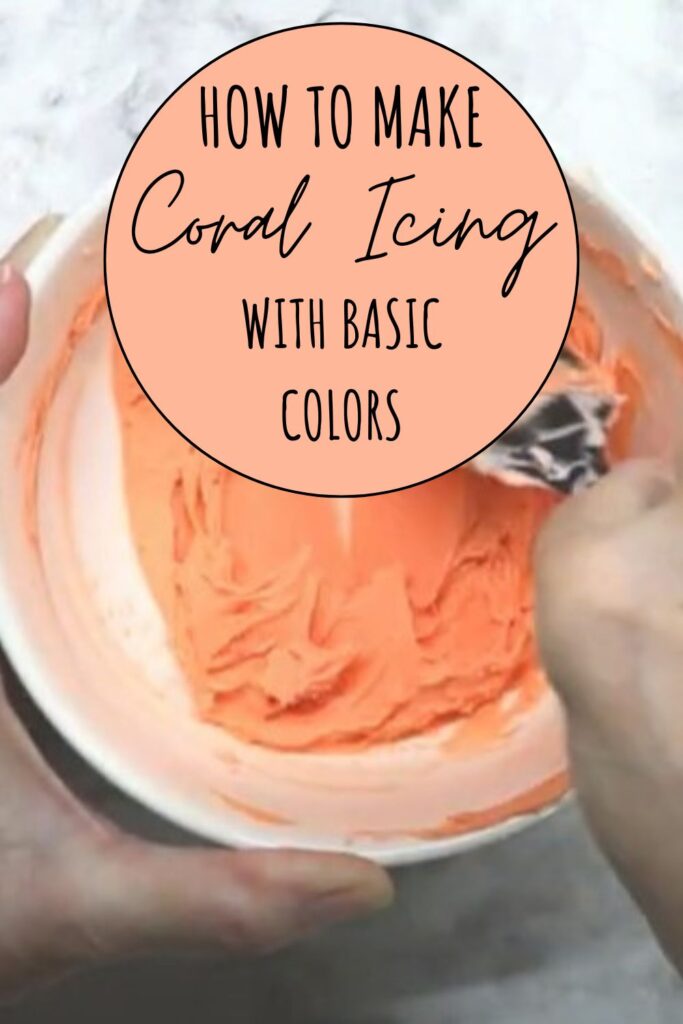
Are you ready to add a stunning touch to your baked treats? Learning how to make coral icing with food coloring is easier than you think, and it can instantly brighten up your cakes and cupcakes.
Imagine your desserts standing out with that perfect coral shade—vibrant, fresh, and inviting. In this guide, you’ll discover simple steps and insider tips to create smooth, beautiful coral icing every time. Keep reading, and you’ll be decorating like a pro in no time!

Credit: acaketorememberblog.com
Choosing The Right Icing Base
Choosing the right icing base sets the foundation for vibrant coral hues. Your choice affects texture, flavor, and color intensity. Two popular options are buttercream and royal icing. Each offers unique benefits for your coral icing creation.
Buttercream Vs Royal Icing
Buttercreamis creamy and rich. It’s easy to spread and mix. It offers a smooth finish and pairs well with vibrant colors. Perfect for cakes needing a soft texture.
Royal Icingis firm and dries quickly. It suits cookies or detailed designs. Its glossy finish enhances the coral shade’s vibrancy. Best for intricate work and long-lasting designs.
Consistency Tips
- Buttercream:Achieve a soft peak consistency. Adjust with milk or sugar.
- Royal Icing:Aim for a thick, but spreadable texture. Add water slowly.
Test the icing on a small surface. Ensure the color and texture meet your needs. Proper consistency ensures a smooth application and vibrant color.
Selecting Coral Food Coloring
Selecting the right coral food coloring is key to achieving that perfect shade on your icing. Coral isn’t a single color—it’s a delicate balance between pink, orange, and sometimes a touch of red or yellow. Getting this balance right can make your baked goods stand out beautifully.
Types Of Food Coloring
Food coloring comes in several forms, and each affects your icing differently. Gel colors are highly concentrated and give vibrant shades without thinning your icing. Liquid food coloring is easy to use but can make your icing runnier, which might not be ideal.
Powdered food coloring is great if you want intense color without adding extra moisture. It’s perfect for dry mixes or fondant. Have you tried natural food colorings? Beet juice or paprika powder can add a soft coral tint, but the shade can vary widely.
Mixing Colors For Coral
Creating coral usually means mixing red, orange, and sometimes a bit of yellow. Start with a small amount of red gel color and add orange gradually until you see a warm coral tone. If it looks too bright, a tiny drop of yellow can soften it.
Be patient and add colors drop by drop. It’s easier to darken a light color than lighten a dark one. Keep a palette or a scrap piece of icing nearby to test your shades before applying them to your final batch.
Step-by-step Mixing Process
Creating coral icing requires a careful mixing process. Each stage affects the final color and texture. Follow these clear steps to achieve the perfect coral shade. The process starts with preparing the base icing, then adding colors, and finally adjusting the shade.
Preparing The Icing
Begin with a smooth white icing base. Use buttercream or royal icing depending on your recipe. Make sure the icing is soft enough to mix but not runny. Place the icing in a clean bowl for easy blending.
Check the consistency before adding colors. It should hold its shape but spread easily. If too stiff, add a small amount of milk or water. If too soft, add powdered sugar slowly.
Adding And Blending Colors
Use gel or paste food coloring for the best results. These colors are strong and won’t thin the icing. Start with a small amount of red and yellow. These two colors combine to create coral.
Mix the colors thoroughly with a spatula or spoon. Blend until the color is even throughout the icing. Add a drop of white if the color looks too dark. Stir gently to keep the texture smooth.
Adjusting Shade Intensity
Check the color in natural light to see the true shade. For a brighter coral, add a tiny bit more yellow. For a deeper coral, add a little red. Mix well after each addition.
If the color becomes too intense, lighten it with white icing. To darken without changing texture, add a small drop of red or orange. Test the shade on a plate to see how it looks when dry.

Credit: www.youtube.com
Common Mistakes To Avoid
Creating the perfect coral icing requires attention to detail and avoiding common mistakes. These errors can affect your icing’s color, texture, and overall look. Knowing what to avoid helps you get that beautiful coral shade every time.
Overmixing Colors
Mixing food colors too long causes the coral shade to turn muddy. The colors blend too much and lose their brightness. Stir gently and stop as soon as the color looks right. Less mixing keeps the coral fresh and vibrant.
Using Too Much Coloring
Adding too much food coloring can make the icing too dark or thick. It may also change the taste and texture. Start with a small amount and add slowly. This helps control the color without harming the icing’s quality.
Ignoring Icing Consistency
Coral icing needs the right thickness to spread smoothly and hold shape. Too runny icing won’t hold color well, and too thick icing is hard to work with. Adjust with small amounts of liquid or powdered sugar. Check the flow before coloring to get the best results.
Tips For Perfect Coral Icing
Creating the perfect coral icing requires attention to detail and a few smart tips. The right color, texture, and consistency make your baked goods look stunning. Small tweaks during mixing and handling improve the final result. Follow these tips to get a smooth, vibrant coral color every time.
Using Gel Vs Liquid Coloring
Gel coloring provides more intense hues without changing icing texture. It’s easier to control the shade with gel colors. Liquid coloring can thin your icing, making it harder to pipe. Use gel colors for bright, bold coral shades. Add liquid coloring slowly to avoid a runny mix. Gel colors are best for stable, thick icing.
Testing Small Batches
Mix a small amount of icing first. This helps you adjust the color without wasting ingredients. Test the coral shade in natural light for accuracy. Adjust with tiny drops of coloring to reach the perfect tone. Small batches save time and reduce errors. Once happy, scale up the recipe for larger use.
Storage And Handling
Keep coral icing covered to prevent drying out. Store in an airtight container at room temperature for short-term use. For longer storage, refrigerate and bring to room temperature before use. Stir gently before piping to restore smoothness. Avoid exposing icing to heat or direct sunlight. Proper storage keeps coral colors vibrant and fresh.

Credit: acaketorememberblog.com
Creative Uses For Coral Icing
Coral icing offers a fresh, vibrant touch to many sweet treats. Its soft yet bright shade brings warmth and charm. This color works well for celebrations and everyday baking. Using coral icing can make desserts stand out with a unique look. Here are creative ways to use coral icing in your baking projects.
Decorating Cakes
Coral icing brightens any cake design. Use it to cover the entire cake for a smooth, colorful base. Add coral flowers or patterns for a delicate look. Pair coral with white or gold for an elegant style. It suits weddings, birthdays, and baby showers well. Coral icing also highlights textured designs like rosettes and ruffles.
Cupcake Designs
Coral icing makes cupcakes pop with color. Swirl it on top for a simple yet eye-catching effect. Use piping tips to create coral roses or stars. Mix coral with other pastel colors for a playful set. Coral cupcakes fit beach parties or spring events perfectly. Small decorations in coral add charm without being too bold.
Cookie Embellishments
Coral icing adds life to cookie decorations. Outline shapes or fill in details with coral for a bright finish. Great for coral-themed parties or holidays like Easter. Coral pairs well with soft blues or greens on cookies. Try coral dots, stripes, or small flowers for subtle decoration. Its warm tone makes cookies look inviting and fresh.
Frequently Asked Questions
What Food Coloring Is Best For Coral Icing?
Gel food coloring is best for coral icing. It provides vibrant color without altering icing consistency. Liquid colors can be used but may thin the icing. Use a concentrated color for richer coral shades.
How Do I Achieve The Perfect Coral Shade?
Start with red and orange gel colors. Mix small amounts gradually to avoid over-coloring. Adjust by adding more red for pinkish coral or more orange for warmer tones. Test the color on a small icing sample.
Can I Use Natural Food Coloring For Coral Icing?
Yes, natural coloring like beet juice or paprika works. They offer a softer, less vibrant coral color. Natural colors may affect icing taste and require more quantity for desired shade.
How Long Does Coral Icing Take To Set?
Coral icing typically sets in 30 minutes to 1 hour. Dry time depends on humidity and thickness. Allow icing to fully dry before stacking or decorating to avoid smudging.
Conclusion
Making coral icing with food coloring is simple and fun. Start with basic white icing. Add small drops of red and yellow coloring. Mix well until you see the coral shade. Adjust colors slowly to get the perfect tone. Use this icing to decorate cakes and cookies beautifully.
Practice helps you improve the color mix each time. Enjoy creating bright, tasty decorations that impress everyone. Try different shades to match any party theme. Coral icing adds a fresh, vibrant touch to your baking. Keep experimenting and have fun with your sweet art.