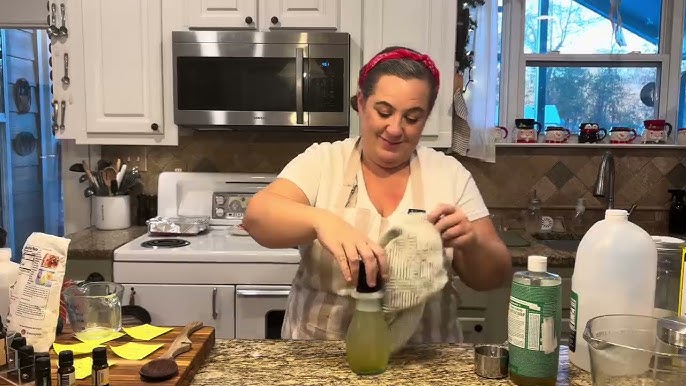
Are you tired of spending too much money on commercial dishwasher detergents? Or maybe you’re looking for a more eco-friendly way to keep your dishes sparkling clean?
Whatever your reason, making your own dishwasher detergent liquid at home can be a game-changer. Imagine having full control over the ingredients, ensuring they are safe for your family and the environment, while also saving a few bucks along the way.
Plus, with a DIY approach, you can customize the scent and effectiveness to suit your needs perfectly. Intrigued? Let’s dive into the simple yet rewarding process of crafting your own dishwasher detergent liquid. You won’t want to miss the tips and tricks that make this not only a practical choice but a surprisingly fun one, too!

Credit: www.amazon.ca
Benefits Of Diy Dishwasher Detergent
Making your own dishwasher detergent liquid offers many advantages. It lets you control what goes into your cleaning products. This helps protect your health and the environment. You save money and reduce waste by using simple ingredients at home. The process is easy and allows you to create a detergent that fits your needs perfectly.
Cost Savings
DIY dishwasher detergent costs less than store-bought brands. You use basic ingredients that are cheap and easy to find. Making your own detergent reduces the need to buy multiple cleaning products. It lasts longer and helps you avoid expensive chemicals. This saves money over time and lowers your household expenses.
Eco-friendly Ingredients
Homemade detergent uses natural and safe ingredients. It avoids harsh chemicals found in many commercial detergents. These natural ingredients reduce pollution and protect water sources. Your dishwasher and dishes stay clean without harmful residues. This choice supports a healthier planet and safer homes.
Customizable Formulas
DIY detergent recipes can be changed to suit your needs. You can adjust the scent, strength, and cleaning power. Add essential oils for fragrance or extra ingredients for tough stains. This flexibility helps you create the perfect detergent for your dishwasher. It also allows you to avoid allergens or irritants.
Essential Ingredients
Making your own dishwasher detergent liquid requires a few key ingredients. These ingredients work together to clean dishes effectively. Knowing their roles helps you create a detergent that is safe and efficient. Below are the essential components you need to prepare your liquid detergent at home.
Surfactants And Cleaners
Surfactants reduce water surface tension, helping water spread and penetrate grease. They lift dirt and food residues from dishes. Common surfactants include:
- Liquid castile soap – gentle and natural
- Decyl glucoside – plant-based and biodegradable
- Sodium lauryl sulfate – a strong cleaning agent
These surfactants work as the primary cleaning agents in your detergent. They break down oils and food particles for easy rinsing.
Natural Additives
Natural additives boost cleaning power and add freshness. They help remove tough stains and deodorize your dishwasher. Examples include:
- Baking soda – neutralizes odors and softens water
- Lemon juice – adds acidity to cut grease
- White vinegar – dissolves mineral deposits
- Essential oils – provide a pleasant scent
These ingredients enhance your detergent’s performance naturally without harsh chemicals.
Preservatives And Thickeners
Preservatives prevent mold and bacteria growth in your liquid detergent. Thickeners help maintain the right consistency for easy use. Common choices are:
- Salt – acts as a natural preservative
- Citric acid – extends shelf life and adds acidity
- Xanthan gum – thickens and stabilizes the liquid
- Guar gum – a natural thickener from plants
Using these keeps your detergent fresh and easy to pour over time.
Required Tools And Materials
Making your own dishwasher detergent liquid is simple and rewarding. Preparing the right tools and materials helps the process go smoothly. These items ensure accurate measurements, safe mixing, and proper storage. Gather everything before you start to avoid interruptions.
Measuring Equipment
Accurate measuring tools help maintain the right detergent balance. Use a set of measuring cups and spoons made from plastic or metal. Liquid measuring cups with clear markings work best for pouring ingredients. Precise measurement prevents waste and keeps your detergent effective.
Mixing Containers
Choose containers that are easy to clean and resistant to chemicals. Glass or food-grade plastic bowls and pitchers are ideal. Select a container with a wide mouth for easy stirring. A sturdy mixing spoon or whisk helps blend ingredients evenly without spills.
Storage Bottles
Store your homemade detergent in bottles designed for liquids. Use plastic squeeze bottles or glass jars with airtight lids. Label each container with the date and contents for safety. Proper storage keeps the detergent fresh and ready to use.
Step-by-step Preparation
Making your own dishwasher detergent liquid is simple with clear instructions. Follow these steps carefully to create an effective and safe cleaner. Precise preparation ensures the best results for your dishes and dishwasher.
Measuring Ingredients
Start by gathering all ingredients on a clean surface. Use a digital or standard kitchen scale for accuracy. Measure each ingredient exactly as required. Precise amounts affect the detergent’s cleaning power and consistency.
- Measure washing soda carefully.
- Use the right amount of liquid castile soap.
- Measure water with a clean measuring cup.
- Prepare any additional additives like essential oils.
Mixing Process
Pour measured water into a mixing bowl or jug. Slowly add washing soda while stirring gently. Mix until the washing soda dissolves completely. Add liquid castile soap and stir carefully to avoid foam. Blend all ingredients evenly for a smooth solution.
Thickening And Adjusting Consistency
The mixture may appear thin at first. Let it sit for 10 to 15 minutes. Check the thickness by stirring gently. If too thin, add a small amount of more washing soda. Avoid adding too much to prevent clumping. Stir well after each adjustment. The ideal detergent should be slightly thick but pourable.
Tips For Best Results
Making your own dishwasher detergent liquid can save money and reduce chemicals in your home. To get the best results, follow some simple tips. These tips help the detergent work well and keep your dishwasher clean and fresh.
Using The Right Amount
Using too much detergent can leave residue on dishes. Too little may not clean well. Measure detergent carefully for each load. Adjust the amount based on how dirty the dishes are. Start with a small amount and increase if needed.
Storage And Shelf Life
Store the detergent in a cool, dry place. Keep the container tightly closed to avoid moisture. Make small batches to keep the detergent fresh. Homemade detergent usually lasts up to one month. Check for changes in smell or texture before use.
Avoiding Common Mistakes
- Do not mix detergent with bleach or other cleaners.
- Use warm water to help dissolve detergent better.
- Clean your dishwasher filter regularly to prevent clogs.
- Do not use homemade detergent in very hard water without a water softener.
- Test the detergent on a small load first to see its effect.

Credit: www.amazon.com
Safety Precautions
Making your own dishwasher detergent liquid can save money and reduce chemicals in your home, but it requires careful attention to safety. Handling the ingredients properly and keeping the mixture out of reach of children and pets are crucial steps. Let’s look at how you can protect yourself and your loved ones while crafting your detergent.
Handling Chemicals Safely
Many ingredients used in homemade dishwasher detergent, like washing soda or borax, can irritate your skin and eyes. Always wear gloves and avoid direct contact with these powders and liquids. If you accidentally touch them, wash the area with plenty of water immediately.
Work in a well-ventilated area to avoid breathing in any dust or fumes. Mixing chemicals can sometimes cause unexpected reactions, so add ingredients slowly and carefully. Have a clean workspace and keep water nearby just in case you need to rinse something quickly.
Keeping Away From Children And Pets
Dishwasher detergent liquid, even homemade, can be harmful if swallowed or touched by children and pets. Store your mixture in a clearly labeled, tightly sealed container. Avoid using containers that look like food or drink bottles to prevent accidental ingestion.
Consider placing the detergent in a locked cabinet or on a high shelf. Ask yourself: Is this storage place truly out of reach? Taking this extra step can save you from a scary emergency later on.
Troubleshooting Common Issues
Troubleshooting common issues with homemade dishwasher detergent liquid helps keep dishes spotless. Problems can arise from ingredients, dispenser function, or machine cleanliness. Fixing these issues ensures better washing results and a fresh dishwasher.
Residue On Dishes
Residue means detergent or food particles remain on dishes after washing. This happens when too much detergent is used or the mixture is too thick. Try these tips to fix it:
- Use less detergent per wash cycle.
- Thin the detergent with more water if it feels too thick.
- Check water temperature; hot water dissolves detergent better.
- Clean the dishwasher filter regularly to avoid clogs.
Clogged Dispenser
A clogged dispenser stops detergent from releasing properly. This causes poor cleaning and leftover detergent. Clear clogs by doing the following:
- Remove the dispenser and clean it with warm, soapy water.
- Check for hardened detergent or food debris blocking the door.
- Make sure the detergent liquid is not too thick to flow freely.
- Run an empty cycle with vinegar to clear dispenser build-up.
Unpleasant Odors
Bad smells come from trapped food or detergent buildup inside the dishwasher. Avoid odors with these steps:
- Clean the dishwasher interior and seals regularly.
- Use white vinegar in a cup on the top rack and run a cycle.
- Remove and clean the filter to stop trapped food decay.
- Make sure detergent is fresh and stored properly to avoid spoilage.

Credit: frugalhausfrau.com
Frequently Asked Questions
What Ingredients Are Needed To Make Dishwasher Detergent Liquid?
To make dishwasher detergent liquid, you need washing soda, liquid castile soap, white vinegar, and water. Optional ingredients include lemon juice and essential oils for fragrance. These natural components effectively clean dishes without harsh chemicals.
How Do I Mix Homemade Dishwasher Detergent Liquid?
Mix 1 cup washing soda with 1 cup liquid castile soap. Slowly add 1 cup white vinegar and 1 cup water. Stir gently until fully combined. Store in a sealed container and shake before each use for best results.
Can Homemade Dishwasher Detergent Liquid Clean Dishes Effectively?
Yes, homemade dishwasher detergent liquid cleans dishes well. The washing soda removes grease, and vinegar helps dissolve residue. Castile soap provides gentle cleaning without harmful chemicals. It’s eco-friendly and safe for most dishwashers when used correctly.
How Much Homemade Detergent Liquid Should I Use Per Wash?
Use about 2 to 3 tablespoons of homemade detergent liquid per dishwasher cycle. Adjust the amount based on water hardness and soil level. Too much can cause suds, while too little may reduce cleaning efficiency.
Conclusion
Making your own dishwasher detergent liquid is simple and cost-saving. You need just a few basic ingredients found at home. This DIY detergent works well to clean dishes without harsh chemicals. Plus, it helps reduce plastic waste from store-bought bottles.
Try the recipe step-by-step, and adjust it if needed. A cleaner kitchen and a greener choice await you. Give it a shot and see the difference yourself. Easy, effective, and good for the planet.