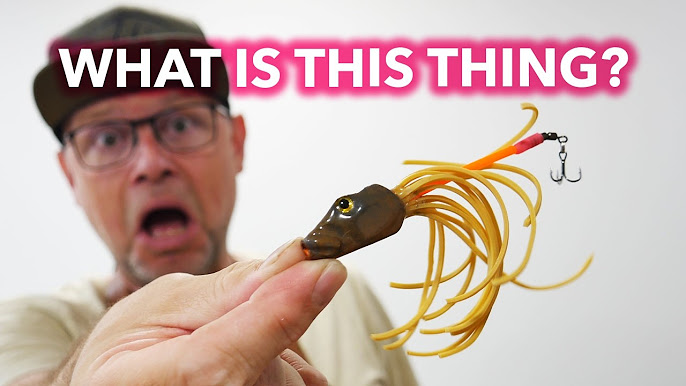
Are you tired of buying fishing lures that don’t work or cost too much? What if you could make your own, tailored exactly to the fish you want to catch?
Making your own fishing lure is easier than you think, and it gives you a real advantage on the water. In this guide, you’ll discover simple steps to create lures that attract fish like a magnet. Keep reading, and you’ll learn how to turn basic materials into powerful fishing tools that can boost your catch every time.
Ready to become a lure-making pro? Let’s get started!
Choosing Materials
Making a fishing lure starts with picking the right materials. The materials affect how the lure looks and works in water.
Good materials make your lure strong and attractive to fish. Choose them carefully for the best results.
Types Of Lure Materials
You can use wood, plastic, or metal to make lures. Each material has its own features.
- Wood:Light and easy to shape. It floats well and looks natural.
- Plastic:Durable and easy to color. Good for detailed designs.
- Metal:Heavy and shiny. It sinks fast and creates flash in water.
- Rubber or Silicone:Soft and flexible. Great for making soft bait lures.
Choose a material based on the type of fish you want to catch and the water where you will fish.
Tools You Need
You need some basic tools to make fishing lures. These tools help you shape and finish your lure.
- Knife or carving tools for shaping wood
- Sandpaper for smoothing surfaces
- Paint brushes for adding colors
- Drill for making holes and attaching hooks
- Glue or epoxy for assembling parts
- Pliers for bending and fixing metal parts
Having the right tools makes the process easier and helps you create better lures.

Credit: www.battlbox.com
Designing Your Lure
Designing a fishing lure takes creativity and knowledge. The right design helps attract fish and improves your chances of catching them.
Focus on key features like color, pattern, size, and shape. These factors affect how fish see and react to your lure.
Selecting Colors And Patterns
Colors and patterns can imitate real prey or stand out in the water. Choose colors that match the fish’s natural food or the water’s clarity.
- Use bright colors in murky water for visibility.
- Choose natural colors like green, brown, and silver in clear water.
- Match patterns to local bait fish or insects.
- Try reflective or glow-in-the-dark finishes for low light.
- Test different color combinations to see what works best.
Deciding On Size And Shape
Size and shape affect how the lure moves and appears to fish. Smaller lures attract small fish, while larger lures target big fish.
| Shape | Effect in Water | Best Use |
|---|---|---|
| Spoon | Wobbles and flashes light | Open water, attracts predatory fish |
| Jig | Darts up and down | Near bottom, for bass and walleye |
| Crankbait | Dives with steady wobble | Various depths, imitates baitfish |
| Soft Plastic | Mimics natural movements | Weeds and cover areas |
Crafting The Body
Making a fishing lure requires patience and creativity. Crafting the body is a key step in creating a successful lure.
The body should attract fish and stand up to water conditions. Let’s explore how to shape and texture your lure’s body.
Shaping Techniques
Shaping the lure involves cutting and sanding to get the right form. Each technique affects how the lure moves in water.
- Choose a durable material like wood or plastic.
- Sketch the desired shape on the material.
- Use a saw to cut the rough shape.
- Sand the edges for smoothness and precision.
Adding Texture
Texture helps make the lure more realistic. It mimics fish scales and skin, increasing the lure’s appeal.
For a textured effect, consider these methods:
- Use a wire brush to create small grooves.
- Apply a textured paint or coating.
- Incorporate small plastic scales.
Painting And Finishing
Painting and finishing your fishing lure adds color and protects it. It helps the lure last longer in water.
Use the right paints and techniques to get the best look and durability for your lure.
Applying Base Coats
Start with a clean lure surface. Apply a thin base coat to cover the entire lure evenly.
- Use spray paint or brush-on paint for smooth coverage
- Choose light colors for the base to make other colors stand out
- Let the base coat dry fully before adding more layers
- Apply multiple thin coats instead of one thick coat
Detailing And Sealing
Add details like spots, stripes, or eyes to make the lure look real. Use small brushes or fine markers for this step.
| Detail Type | Tool | Tip |
| Stripes | Thin brush | Use steady strokes |
| Spots | Dotting tool | Apply paint drops carefully |
| Eyes | Fine marker | Draw small circles |
Seal the lure with a clear coat. This protects the paint and adds shine. Apply two or three thin layers of sealant.
Tips for sealing:
- Use a waterproof clear coat
- Apply in a well-ventilated area
- Let each layer dry completely
- Avoid thick coats to prevent drips
Attaching Hooks And Hardware
Attaching hooks and hardware is an important part of making a fishing lure. It helps your lure catch fish and stay strong in the water. This guide will help you add hooks and hardware the right way.
Using the right hooks and securing hardware properly makes your lure last longer. It also improves how well it works when fishing.
Choosing The Right Hooks
Pick hooks that match the size of your lure and the fish you want to catch. Small hooks work well for small fish. Big hooks are better for big fish.
Look for hooks made from strong metal. Rust-resistant hooks last longer in water. Sharp hooks catch fish better.
- Match hook size to fish size
- Choose rust-resistant metal
- Use sharp hooks for better catch
Securing Hardware Properly
Attach hooks and hardware tightly to avoid losing them. Use split rings to connect hooks to the lure. This keeps hooks free to move.
Tighten all screws and parts well. Use pliers to close rings fully. Check that hooks do not wobble or come loose.
- Use split rings for flexible hook attachment
- Tighten screws and hardware firmly
- Check for loose parts before use
Testing Your Lure
Testing your fishing lure is important to see if it works well in water. You need to check how it moves and if fish will find it attractive.
Testing helps you find problems and fix them. This makes your lure better for catching fish.
Water Movement Checks
Watch how your lure moves in the water. It should swim naturally like a small fish or insect.
Look for smooth action without spinning or sinking too fast. The lure’s motion should attract fish.
- Cast the lure in calm water first
- Check if it wiggles or dives as planned
- See if the lure stays balanced
- Notice if it creates any vibrations or bubbles
- Try different retrieval speeds to observe changes
Adjusting For Better Performance
If the lure does not move well, make small changes. These fixes help improve its action and balance.
Adjustments can include changing the weight, shape, or hook position for better results.
- Add or remove small weights to control sinking speed
- Bend the wire or hooks to change swimming angle
- Trim fins or lips to alter movement
- Test changes in water to see the effect
- Repeat adjustments until the lure moves naturally
Tips For Customization
Making your own fishing lure allows you to adjust it to fit your needs. Customization helps attract more fish.
Small changes can make a big difference in how effective your lure is on the water.
Using Scents And Additives
Add scents and additives to your lure to attract fish by smell and taste. These can trigger fish to bite.
- Use fish oils or natural extracts for a strong scent
- Try adding small amounts of garlic or anise for unique smells
- Mix in glitter or reflective additives to catch light underwater
- Test different scents to find what works best in your fishing spot
Modifying For Different Fish
Change your lure’s size, shape, and color depending on the type of fish you want to catch.
| Fish Type | Recommended Lure Size | Suggested Colors |
| Trout | Small (1-3 inches) | Green, Brown, Orange |
| Bass | Medium (3-5 inches) | Black, White, Chartreuse |
| Pike | Large (5+ inches) | Red, Yellow, Silver |

Credit: www.amazon.com

Credit: www.amazon.com
Frequently Asked Questions
What Materials Do I Need To Make A Fishing Lure?
To make a fishing lure, you need wood or plastic, hooks, paint, eyes, and split rings. Basic tools include a saw, sandpaper, drill, and glue. These materials help create durable and attractive lures that catch fish effectively.
How Do I Shape A Fishing Lure Correctly?
Start by sketching your lure design on wood or plastic. Use a saw to cut the shape and sandpaper to smooth edges. Proper shaping ensures the lure moves realistically in water, attracting more fish.
What Type Of Paint Is Best For Fishing Lures?
Use waterproof, non-toxic acrylic or enamel paint. These paints resist water damage and maintain bright colors underwater. Applying a clear coat finish protects the paint and adds durability to your lure.
How Can I Add Realistic Movement To My Lure?
Incorporate joints, weighted eyes, or tail fins to mimic real fish movement. Proper balance and shape help the lure swim naturally. This increases your chances of attracting and catching fish.
Conclusion
Making your own fishing lure can be fun and rewarding. It helps you catch fish with a personal touch. You can choose colors and shapes that fish like best. This guide showed easy steps anyone can follow. Try making lures at home and see how they work.
Practice will make your lures better every time. Enjoy the process and happy fishing!