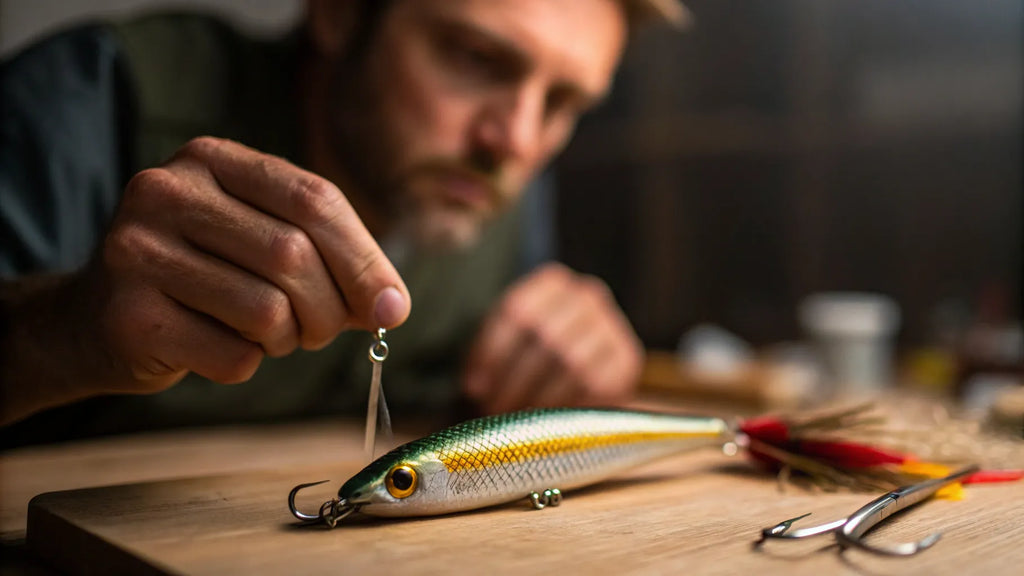
Have you ever wanted to catch more fish while saving money? Making your own fishing lures at home can give you a big advantage on the water.
Imagine crafting lures that match exactly what your local fish are biting. Not only will you enjoy the thrill of creating something yourself, but you’ll also feel proud every time your custom lure pulls in a catch. You’ll discover simple steps and tips to make effective fishing lures with materials you can find around your house.
Ready to boost your fishing game? Let’s dive in!
Materials Needed
Making fishing lures at home needs some basic materials and tools. These help you create lures that attract fish well.
Gathering the right supplies first makes the process easier and more fun. Let’s look at what you need.
Basic Supplies
These supplies are the main parts for crafting your fishing lures. You will use them to shape and decorate the lure.
- Wood blocks or plastic blanks for the lure body
- Metal hooks of various sizes
- Strong fishing line or wire
- Waterproof paint and brushes
- Clear coat or varnish for finishing
- Small split rings to attach hooks
- Sandpaper for smoothing surfaces
Optional Tools
These tools are not required but help make the work faster and cleaner. They improve the lure’s look and durability.
| Tool | Purpose |
| Drill | Make holes for hooks and line |
| Rotary tool | Carve and shape lure body |
| Pliers | Bend wire and open split rings |
| Airbrush | Apply smooth paint layers |
| Heat gun | Speed up drying of paint and varnish |

Credit: fishgenix.com
Choosing The Right Lure Type
Making your own fishing lures can be rewarding and fun. The right lure can make a big difference in your fishing success.
Different lures work better in various water conditions and for different fish. Let’s explore some popular types.
Topwater Lures
Topwater lures float on the surface and create ripples. They mimic insects or small fish that are in distress.
- Use in clear water for bass.
- Best at dawn or dusk.
- Creates splash to attract fish.
Jigging Lures
Jigging lures sink to the bottom and are jerked up and down. They are effective for deep water fishing.
Spinnerbaits
Spinnerbaits have blades that spin and flash, mimicking small fish or insects. They are versatile and can be used in various conditions.
| Lure Type | Best Use |
| Topwater | Surface fishing |
| Jigging | Deep water |
| Spinnerbait | All water types |
Preparing Your Workspace
Making fishing lures at home is fun and creative. A well-prepared workspace helps you work safely and stay organized.
Before you start, set up a clean and comfortable area. This makes your work easier and more enjoyable.
Safety Tips
Safety is very important when crafting fishing lures. You will handle sharp tools, paints, and chemicals.
- Wear safety glasses to protect your eyes.
- Use gloves when handling chemicals and sharp objects.
- Keep a first aid kit nearby for emergencies.
- Work in a well-ventilated area to avoid fumes.
- Keep your workspace clean to prevent accidents.
Organizing Materials
Organizing your materials saves time and keeps your workspace neat. It helps you find tools and supplies quickly.
| Material | Storage Suggestion |
| Hooks | Small containers with lids |
| Paints | Paint rack or shelf |
| Wood or plastic blanks | Flat storage box |
| Glue and epoxy | Seal tightly and store upright |
| Sandpaper | Drawer or flat container |

Credit: www.amazon.com
Step-by-step Lure Making
Making fishing lures at home can be a fun and rewarding project. You can create custom lures that fit your fishing style.
This guide will walk you through shaping the lure, adding color, and attaching hooks and hardware.
Shaping The Lure Body
Start with a block of wood or foam as the lure base. Use a pencil to draw the shape you want.
Cut the shape carefully using a knife or saw. Sand the edges smooth for a clean finish.
- Choose a size suitable for the fish you want to catch
- Carve the body with smooth curves for better water movement
- Sand the lure until it feels smooth to touch
Adding Color And Patterns
Use waterproof paint to add color to your lure. Bright colors attract fish in murky water.
Add patterns like stripes or dots with a small brush. Seal the paint with a clear coat to protect it.
- Apply a base coat evenly and let it dry
- Use contrasting colors for patterns
- Spray a clear sealant to make the paint last longer
Attaching Hooks And Hardware
Attach hooks using small eye screws or split rings. Make sure they are secure and do not move.
Add any additional hardware like spinner blades or weights if needed. Test the lure in water to check balance.
- Drill small holes for eye screws before attaching
- Use split rings to connect hooks for flexibility
- Check that hooks face the right direction for hooking fish
Testing Your Lures
Testing your fishing lures is important to see how they work in water. It helps you find out if the lure swims correctly and attracts fish.
You need to check how the lure moves and make changes if needed. This way, you can make better lures at home.
Water Trials
Start by dropping your lure into a bucket or small pool of water. Watch how it moves when you pull the line slowly and quickly.
Look for natural swimming motions and no unwanted spinning or sinking. This shows the lure is ready for fishing.
- Use clear water to see the lure well
- Pull the line at different speeds
- Check if the lure floats, sinks, or stays in place
- Note any strange movements or balance issues
Adjusting For Better Action
If your lure does not swim right, make small changes. You can bend the hooks, add weight, or trim parts of the lure.
Test the lure again after each change to see if it moves better. Keep adjusting until the action looks natural and smooth.
- Bend or straighten the hooks to fix balance
- Add small weights to change sinking speed
- Trim fins or tails for better swimming motion
- Check lure stability after each change
Credit: fishingstone.com
Tips For Customizing Lures
Making fishing lures at home lets you design baits that fit your style. Customizing lures helps attract more fish and makes your fishing trips fun.
Simple changes in scent, finish, and design can improve your lure’s performance. Try different methods to find what works best for you.
Using Scents And Finishes
Adding scents to your lures can attract fish by appealing to their sense of smell. Finishes protect the lure and add shine or color.
- Use fish oils or scented gels to coat your lures.
- Apply clear waterproof finishes to protect paint and materials.
- Try matte or glossy finishes depending on water conditions.
- Change scents based on the type of fish you want to catch.
- Reapply scents regularly during fishing for best results.
Personalizing Designs
Custom designs make your lures unique and more attractive. You can change colors, shapes, and add details to fit your fishing needs.
| Design Feature | Customization Idea |
| Color | Use bright or natural shades |
| Shape | Modify size or add fins |
| Eyes | Add realistic or glow-in-the-dark eyes |
| Hooks | Choose sizes and placements |
| Patterns | Paint stripes, dots, or scales |
Common Mistakes To Avoid
Making fishing lures at home can be fun and rewarding. Avoiding certain mistakes helps you create better lures.
These common errors can waste materials and time. Learn what to watch out for to improve your lure-making skills.
Using The Wrong Materials
Choosing poor quality or unsuitable materials can ruin your lure. Use materials made for fishing lures only.
Some plastics or woods may not float or sink as needed. Check the weight and durability before starting.
Skipping The Design Planning
Not planning the shape and size can lead to ineffective lures. Sketch your design first to avoid mistakes.
Planning helps balance the lure and improves how it moves in water. Take your time on this step.
Ignoring Proper Sealing And Painting
Failing to seal or paint lures correctly causes quick damage. Use waterproof paint and sealants for durability.
Apply thin, even layers and let each dry fully. This protects your lure from water and fish bites.
Making Lures Too Heavy Or Too Light
Incorrect weight affects how the lure swims and sinks. Test weights to match your fishing needs.
Too heavy lures sink fast and may not attract fish. Too light ones float and do not dive properly.
Using Poor Hook Placement
Hooks placed in the wrong spot reduce lure effectiveness. Position hooks where fish will easily bite.
Check that hooks do not block lure movement or snag on weeds. Test your lure before fishing with it.
Storing And Maintaining Lures
Taking good care of your fishing lures helps them last longer. Proper storage and cleaning keep lures in good shape. This saves money and improves fishing success.
Learn simple tips to store and maintain your homemade fishing lures. These steps protect their colors, hooks, and materials from damage.
Proper Storage Methods
Store lures in a dry place away from direct sunlight. Use containers that prevent tangling and damage. Organizing lures by type or size helps you find them fast.
- Keep lures in plastic tackle boxes with separate compartments
- Use soft sleeves or foam inserts to avoid scratches
- Store metal hooks away from moisture to prevent rust
- Label boxes to quickly identify lure types
- Keep lures out of extreme heat or cold to avoid warping
Cleaning And Repairing
Clean lures after each use to remove dirt, salt, and grime. Check for damaged hooks or paint chips. Fix small problems early to keep lures effective.
| Cleaning Tip | Repair Tip |
| Rinse lures with fresh water | Sharpen or replace dull hooks |
| Use soft brush for stubborn dirt | Touch up paint with waterproof markers |
| Dry lures completely before storing | Fix loose parts with strong glue |
Frequently Asked Questions
What Materials Do I Need To Make Fishing Lures At Home?
You need basic materials like wood, hooks, paint, and glue. Optional items include feathers, beads, and metal parts for added attraction. These materials are easy to find and affordable, making DIY lure crafting accessible for beginners and hobbyists alike.
How Long Does It Take To Create A Homemade Fishing Lure?
Creating a homemade fishing lure usually takes between 1 to 3 hours. Time varies based on design complexity and drying time for paint or glue. Beginners may need more time, but practice speeds up the process significantly.
Can Homemade Fishing Lures Catch Big Fish Effectively?
Yes, homemade fishing lures can catch big fish if designed properly. Using the right size, color, and movement increases effectiveness. Many anglers successfully use DIY lures for bass, trout, and other popular game fish.
Is It Safe To Use Homemade Fishing Lures In All Waters?
Homemade fishing lures are generally safe, but check local fishing regulations first. Some areas restrict certain materials or lure types. Always ensure your lures are environmentally friendly and won’t harm wildlife or water quality.
Conclusion
Making fishing lures at home saves money and adds fun to fishing trips. You control the colors, shapes, and sizes to attract fish. It also helps you learn more about fish behavior and lure design. Start with simple materials and try different styles.
Practice will improve your skills over time. Enjoy creating your own lures and catching more fish. This hands-on hobby brings joy and success to every fishing adventure. Give it a try and see the difference yourself.