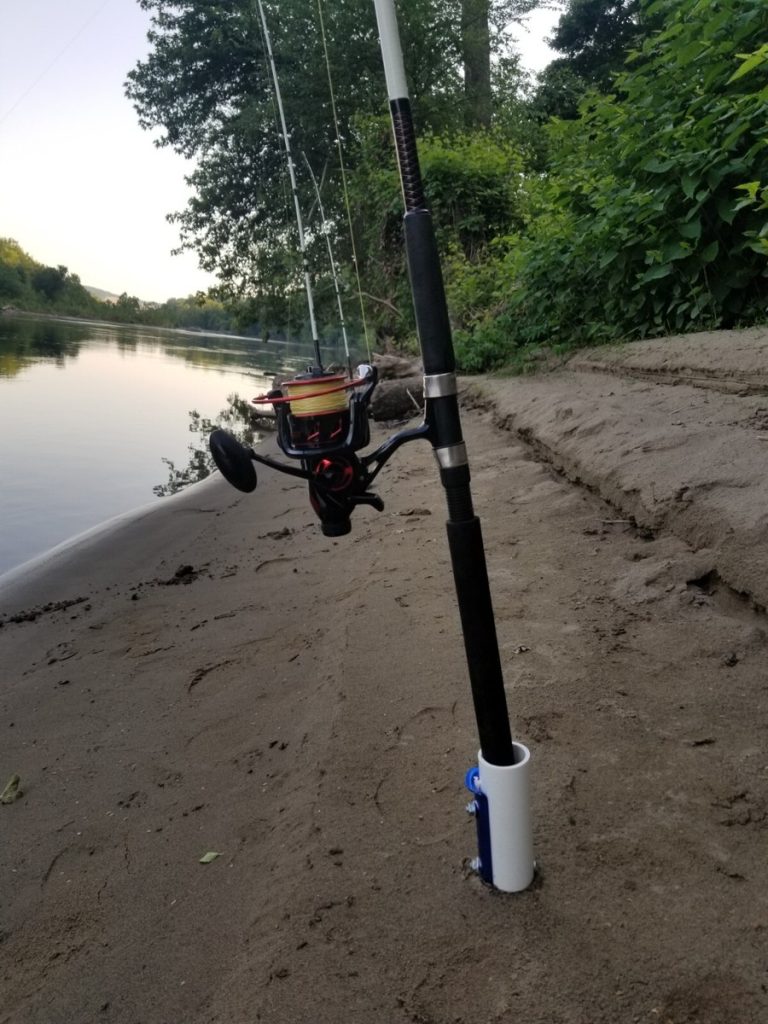
Are you tired of holding your fishing rod all day or struggling to find a safe spot to keep it? Imagine having a simple, sturdy stand that keeps your rod secure while you relax or focus on other tasks.
Making your own fishing rod stand is easier than you think, and it can save you time and hassle on every fishing trip. In this guide, you’ll discover step-by-step how to build a reliable stand with materials you probably already have.
Keep reading, and you’ll soon enjoy a hands-free fishing experience that makes your time by the water even better.
Materials Needed
Making a fishing rod stand is simple. You only need a few basic materials.
Gathering the right materials helps you build a strong and useful stand.
Wooden Planks
Wooden planks are the main parts of your fishing rod stand. Choose sturdy wood.
Wood like pine or cedar works well. It is easy to cut and strong enough to hold rods.
Wood Screws
Wood screws hold the wooden parts together. Use screws that fit your wood thickness.
Choose rust-resistant screws to keep the stand safe in wet conditions.
Drill And Drill Bits
You need a drill to make holes for screws. Drill bits match the screw size.
Using the right drill bits helps avoid wood splitting and ensures tight screws.
Measuring Tape
Measuring tape helps you cut wood to the right size. Measure twice before cutting.
Accurate measurements make the stand balanced and stable for your rods.
Sandpaper
Sandpaper smooths rough edges on your wood. It prevents splinters and gives a clean finish.
Use medium-grit sandpaper to remove big rough spots, then fine-grit for smoothness.
Wood Glue (optional)
Wood glue adds extra strength to your joints. It works well with screws for a firm hold.
Apply glue before screwing pieces together for better durability.
Paint Or Wood Finish (optional)
Paint or wood finish protects your stand from water and weather. It also looks nice.
Choose outdoor wood paint or clear finish for longer life.
Choosing The Right Design
Making a fishing rod stand can help organize your fishing gear. It keeps rods safe and tidy. Picking the right design is key to meet your needs.
Consider the number of rods you have. Think about where you will use the stand. Decide if you need it to be portable or stationary.
Single Rod Stand
A single rod stand is perfect for those with one or two rods. It is simple to make and takes up little space. This design works well for small fishing trips.
You can make it using basic materials like wood or PVC pipes. This stand is easy to carry and set up. It keeps your rod off the ground, protecting it from damage.
- Ideal for one or two rods
- Easy to move and store
- Simple materials needed
Multi-rod Stand
A multi-rod stand is great for anglers with several rods. This stand can hold multiple rods at once. It is perfect for those who fish often.
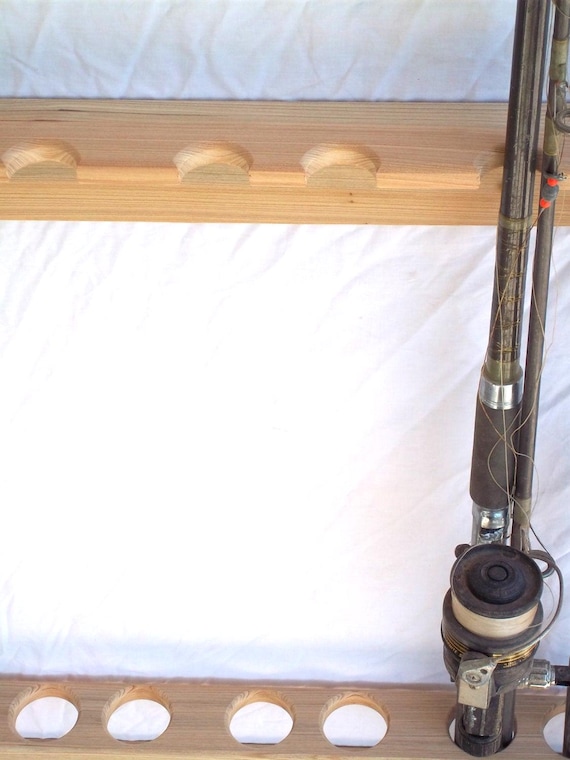
Building this stand might be more complex. You need sturdy materials like metal or strong wood. This design is stable and can be used in a garage or shed.
- Holds several rods
- Requires strong materials
- Best for frequent fishers
Portable Vs Stationary
Decide if you need a portable or stationary stand. Portable stands are light and easy to move. They are great for trips and outdoor use.
Stationary stands are heavier and more stable. They are best for home use. You can keep your rods organized and safe in one place.
| Portable | Stationary |
| Lightweight | Sturdy |
| Easy to carry | Ideal for home |
| Good for trips | Keeps rods safe |
Step-by-step Assembly
Making a fishing rod stand is easy and fun. It helps keep your rods safe and organized. Follow these simple steps to build your own stand.
This guide shows you how to cut materials, assemble the base, and attach the rod holders. You will need basic tools and some wood pieces.
Cutting The Materials
Start by cutting all the wood parts to size. You will need pieces for the base, legs, and rod holders. Use a saw and measure carefully.
- Cut two long pieces for the base (about 24 inches each).
- Cut four legs (around 18 inches each) to support the base.
- Cut several small blocks (3 inches) for the rod holders.
- Sand all pieces to remove rough edges.
Assembling The Base
Build a stable base by connecting the long pieces and attaching the legs. Use wood glue and screws for a strong hold.
| Part | Position | Attachment Method |
|---|---|---|
| Base pieces | Side by side on flat surface | Wood glue and screws |
| Legs | At each corner under base | Wood glue and screws |
Make sure the base is level and legs are firmly attached. Let the glue dry before moving to the next step.
Attaching Rod Holders
Attach the small blocks to the base for holding your fishing rods. Space them evenly along the base to fit your rods.
- Mark spots on the base for each holder.
- Apply wood glue to the bottom of each block.
- Press blocks firmly onto the base and screw them in place.
- Allow glue to dry completely before use.

Credit: www.homedepot.com
Customization Tips
Making a fishing rod stand lets you create a tool that fits your needs. Customizing it adds comfort and function.
Try adding adjustable parts, painting it, or improving storage. These changes make your stand more useful.
Adding Adjustable Features
Adjustable features help hold rods of different sizes. They also let you change the angle for better use.
You can add sliding holders or movable arms. Use screws or clips to lock parts in place.
- Install sliding brackets for length changes
- Add pivot points for angle adjustment
- Use clamps to secure rods firmly
- Include removable parts for easy storage
Painting And Finishing
Painting your fishing rod stand protects it from water and sun damage. It also makes the stand look nice.
Choose paint that works on wood or metal. Add a clear finish to keep the paint safe.
- Use waterproof paint for outdoor use
- Apply primer before painting for better grip
- Add a clear coat to prevent scratches
- Pick colors that blend with your gear
Storage Enhancements
Storage features keep your fishing gear organized. You can add hooks or small compartments to your stand.
These additions help store bait, lines, or tools close to your rods.
- Attach hooks for hanging small tools
- Add compartments for bait or lures
- Use slots to hold extra fishing lines
- Include a base tray to catch dirt or water
Safety And Maintenance
Making a fishing rod stand is a helpful project that needs care. Safety and maintenance keep it working well.
Follow simple tips to keep your stand stable and clean for long use.
Ensuring Stability
Check the base of your fishing rod stand. It must be wide and strong to stop tipping. Use heavy materials for better balance.
- Place the stand on flat ground
- Use rubber feet to avoid slipping
- Secure joints with screws or glue
- Avoid overloading with too many rods
Regular Checks
Look over the stand often to find damage or weak points. Tighten loose parts to keep it safe.
| Check Point | What to Look For | Action |
| Base | Cracks or wobble | Repair or replace |
| Joints | Loose screws or glue | Tighten or re-glue |
| Rod holders | Wear or breaks | Fix or swap out |
Cleaning Tips
Keep the stand clean to avoid rust and dirt build-up. Use soft cloths and mild soap for cleaning.
Cleaning steps:
- Wipe off dirt and mud after each use
- Dry the stand completely to stop rust
- Apply light oil to metal parts once a month
- Store the stand in a dry place
Credit: www.etsy.com
Alternative Stand Ideas
Making a fishing rod stand does not always need special tools or materials. You can use things already at home or old gear to build a stand. These ideas save money and help reduce waste.
Using alternative items is easy and quick. It also lets you be creative with what you have around. Here are some simple ideas to try for your fishing rod stand.
Using Household Items
You can use many household items to make a fishing rod stand. These items are easy to find and often need little or no change to work.
For example, a sturdy bucket, a broomstick, or even a coat rack can hold your fishing rod steady. These items keep your rod safe and ready to use.
- Place a broomstick in a heavy bucket filled with sand or stones.
- Use a coat rack by hanging your fishing rod on one of the hooks.
- Stack some bricks or blocks and lean the rod against them.
Repurposing Old Gear
Old fishing gear or tools can also become a fishing rod stand. This method gives new life to items you no longer use.
For instance, an unused tripod or a broken chair can support your fishing rod. You just need to adjust or fix some parts to hold the rod firmly.
- Turn a broken tripod upside down and secure the legs for stability.
- Cut the legs off an old chair and use the seat as a base.
- Use old PVC pipes to build a custom stand by joining pieces together.

Credit: www.reddit.com
Frequently Asked Questions
What Materials Are Best For Making A Fishing Rod Stand?
Wood, PVC pipes, and metal rods are ideal materials. They provide durability and stability. Choose materials based on your budget and available tools. Lightweight materials also make the stand portable and easy to carry.
How Do I Ensure Stability In My Fishing Rod Stand?
Use a wide base and sturdy materials for stability. Adding rubber feet can prevent slipping. Proper balance and secure joints keep the stand steady in windy or rough conditions. Test the stand before use to ensure it holds your rod securely.
Can I Customize The Fishing Rod Stand Size?
Yes, customize the stand size to fit your rods. Measure your rod length and reel size before building. Adjust height and width for comfort and convenience. Custom sizes improve usability and protect your equipment.
Is It Difficult To Build A Fishing Rod Stand?
No, building a fishing rod stand is simple. Basic tools like saws and drills are sufficient. Following step-by-step guides makes the process easy. Beginners can complete the project in a few hours with minimal skills.
Conclusion
Making a fishing rod stand is simple and useful. You only need a few materials and some time. This stand keeps your rods safe and easy to reach. You can build one that fits your style and space. Try different designs to find what works best for you.
Enjoy fishing more with your new rod stand nearby. Keep practicing, and your skills will grow along with your gear.