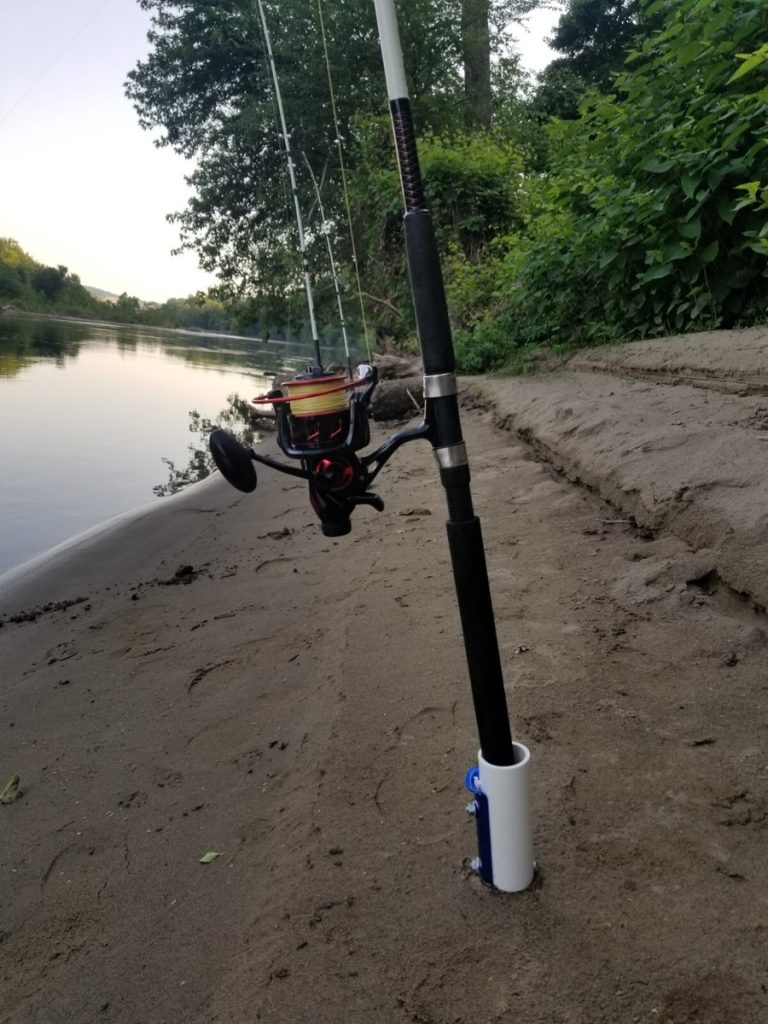
Are you tired of holding your fishing rod all day or leaving it lying on the ground? Imagine having a simple, sturdy stand that keeps your rod safe and ready whenever you need it.
Making your own fishing rod stand is easier than you think, and it saves you money while giving you full control over the design. In this guide, you’ll discover step-by-step instructions to create a fishing rod stand that fits your style and needs perfectly.
Ready to make your fishing trips more comfortable and organized? Let’s dive in!
Materials Needed
Making a fishing rod stand is easy with the right materials. You only need a few basic items that you can find at any hardware store.
Gathering all materials before you start helps the process go smoothly. Below are the key materials needed for your project.
Wood Or Pvc Pipes
Choose sturdy wood or PVC pipes for the stand’s frame. Wood offers a natural look, while PVC is lightweight and weather-resistant.
Fasteners And Connectors
- Screws or nails for wood
- PVC pipe connectors like elbows and tees
- Strong glue for extra support
Tools Required
| Tool | Purpose |
| Drill | Make holes for screws |
| Saw | Cut wood or PVC pipes |
| Measuring tape | Measure lengths accurately |
| Screwdriver | Fasten screws |
Additional Supplies
You may also want sandpaper to smooth rough edges and paint or varnish to protect the stand from weather damage.

Credit: www.reddit.com
Choosing The Right Location
Finding the perfect spot for your fishing rod stand is important. It ensures stability and accessibility while you enjoy your fishing experience.
Consider factors like ground type, proximity to water, and personal comfort. Each factor plays a role in your fishing success.
Ground Type
The ground type affects the stability of your fishing rod stand. Soft ground may cause the stand to topple over.
- Sand: Easy to insert stand but may need extra support.
- Gravel: Stable but harder to insert without tools.
- Grass: Offers balance, ideal for most stands.
Proximity To Water
Being close to water is convenient. It allows for quick adjustments and easy access to your line.
Personal Comfort
Choose a location that suits your comfort needs. Consider shade, seating, and space for your gear.
| Location Feature | Benefit |
| Shade | Protection from sun |
| Seating | Long-term comfort |
| Space | Room for gear |
Design Options
There are several ways to make a fishing rod stand. Each design fits different needs and materials. Choose a style that works for your space and tools.
This guide covers three popular designs. You can build a stand using wood, PVC pipes, or metal rods.
Simple Wooden Stand
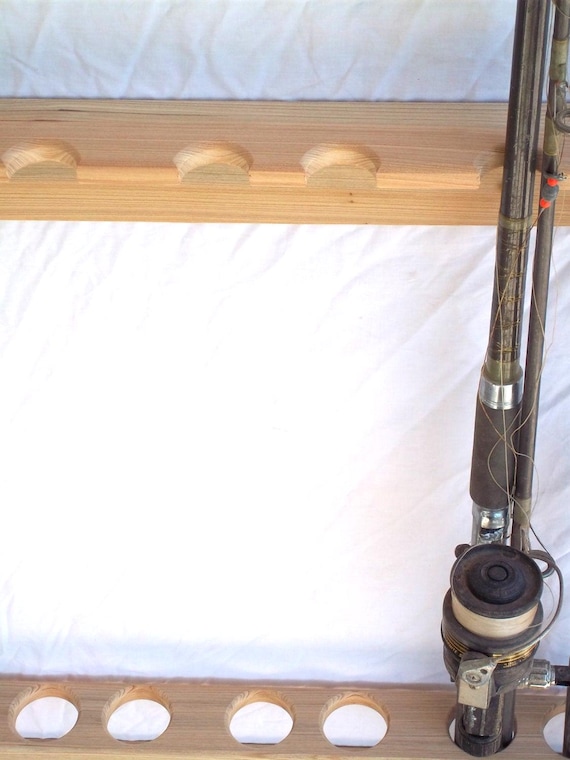
A wooden stand is easy to build and sturdy. You only need basic tools and some wood pieces. It can hold multiple rods safely.
- Use a wooden base for stability
- Attach vertical wooden pieces as rod holders
- Sand edges to avoid splinters
- Paint or varnish for weather protection
Pvc Pipe Stand
PVC pipe stands are lightweight and water-resistant. You can easily customize the size and shape. Pipes can be cut and joined with simple tools.
| Material | Purpose |
| PVC pipes | Frame and rod holders |
| Pipe connectors | Join pipes securely |
| Rubber caps | Protect pipe ends |
| Glue or screws | Fix parts firmly |
Metal Rod Stand
Metal stands are strong and long-lasting. They can hold heavy rods and resist harsh weather. Welding or bolts are used to connect parts.
- Use metal rods or pipes for the frame
- Cut rods to needed lengths
- Weld or bolt parts together
- Apply rust-proof paint for durability
- Add rubber or plastic holders to avoid rod damage

Credit: www.homedepot.com
Step-by-step Construction
Building a fishing rod stand is a simple project you can do at home. This guide shows easy steps to make one yourself.
The stand will hold your rods safely and keep them organized. Follow the steps below to create your stand.
Measuring And Cutting
First, measure the wood pieces needed for your fishing rod stand. Use a tape measure to get exact lengths.
Cut the wood with a saw carefully. Make sure all pieces are straight and smooth after cutting.
- Cut two long pieces for the base
- Cut two shorter pieces for the sides
- Cut one horizontal piece to hold the rods
Assembling The Parts
Next, join the cut wood pieces to form the stand frame. Use nails or screws to connect the parts firmly.
Attach the horizontal piece on top of the side pieces. This part will hold the fishing rods in place.
- Place the side pieces upright on the base
- Fix the horizontal rod holder between the sides
- Check that all parts are aligned and steady
Securing The Stand
Finally, secure the stand to make it strong and safe. Tighten all screws and add glue if needed for extra hold.
You can also sand the stand edges for a smooth finish. Paint or seal the wood to protect it from water damage.
- Tighten all screws and nails
- Apply wood glue at joints for strength
- Sand rough edges carefully
- Paint or seal the wood surface
Customizing Your Stand
Making a fishing rod stand lets you organize your rods neatly. Customizing the stand makes it fit your needs and style. You can add features that improve its use and look.
Simple changes can make your stand more practical. Think about how you want to store your rods and extra gear. This guide helps you add rod holders, paint your stand, and add storage.
Adding Rod Holders
Add rod holders to keep your fishing rods safe and upright. You can use wood, PVC pipes, or metal brackets. Attach them firmly to the stand to hold rods of different sizes.
Place holders at different heights for easy access. Make sure the holders are wide enough to fit your rods without squeezing them.
- Use PVC pipes cut into 6-inch sections for holders
- Drill holes in the stand to attach the holders securely
- Space holders evenly to avoid rod tangling
- Add foam or rubber inside holders to protect rods
Painting And Finishing
Painting your fishing rod stand protects the wood and improves its look. Choose paint that works well outdoors to stop damage from water and sun. Finish with a clear coat for extra protection.
Sand the stand before painting for a smooth surface. Use primer to help the paint stick better. Pick colors that match your style or blend with your fishing gear.
- Sand the wood with fine-grit sandpaper
- Apply a wood primer before painting
- Use outdoor or waterproof paint
- Finish with a clear sealant or varnish
Incorporating Storage
Add storage compartments to keep fishing gear like hooks, lines, and baits. Small shelves or boxes attached to the stand help keep everything organized and close by.
Use waterproof containers or seal storage areas to protect your gear. Label compartments for quick access. This saves time and keeps your fishing area tidy.
- Attach small wooden boxes or trays to the stand
- Use plastic containers with lids for waterproof storage
- Label each compartment for easy identification
- Keep tools and accessories within arm’s reach
Credit: www.etsy.com
Maintenance Tips
Keeping your fishing rod stand in good shape helps it last longer. Regular care stops damage and keeps it working well.
Simple maintenance steps can prevent common problems. Clean and inspect your stand often to avoid trouble.
Cleaning The Stand
Remove dirt and salt after each use. Use a soft cloth and mild soap to wipe all parts. Dry it completely before storage.
Checking For Damage
Look for cracks, rust, or loose screws regularly. Fix or replace broken parts to keep the stand stable and safe.
Proper Storage
- Store in a dry place to avoid rust
- Keep away from direct sunlight to prevent warping
- Use a cover or bag to protect from dust
- Keep parts organized to avoid loss
Lubricating Moving Parts
Apply light oil to hinges and joints to keep them moving smoothly. Wipe off extra oil to prevent dirt buildup.
Inspecting Stability
| Check Point | What to Look For | Action Needed |
| Legs | Even length, no bends | Adjust or replace |
| Joints | No looseness or wobble | Tighten screws or lubricate |
| Base | Firm contact with ground | Clean or adjust feet |
Safety Considerations
Making a fishing rod stand is a useful project. Safety is very important to avoid accidents. This guide helps you stay safe while building and using your stand.
Using the right tools and materials keeps the work smooth. Always check your surroundings and wear safety gear.
Choose Safe Materials
Select strong and stable materials for your fishing rod stand. Avoid sharp or splintered wood. Metal parts should not have rust or sharp edges.
Use Protective Gear
- Wear safety glasses to protect your eyes from dust and splinters.
- Use gloves to avoid cuts and blisters when handling tools and materials.
- Wear closed-toe shoes to protect your feet from falling objects.
- Use a dust mask if you are sanding wood or working with fine particles.
Handle Tools Carefully
Keep sharp tools away from children. Always cut away from your body. Use clamps to hold materials steady while working.
Ensure Stability Of The Stand
| Check Point | Safety Tip |
| Base | Make sure it is wide and sturdy to prevent tipping. |
| Joints | Tighten screws and bolts securely. |
| Height | Keep it at a safe level to avoid bending or breaking. |
| Weight Support | Test the stand with a heavy rod before use. |
Safe Use And Storage
Store the fishing rod stand in a dry place to avoid damage. Keep it away from walkways to prevent trips. Check the stand before each use for any damage or loose parts.
Frequently Asked Questions
What Materials Do I Need To Make A Fishing Rod Stand?
You need wood, screws, nails, a drill, saw, and sandpaper. Choose sturdy wood like pine or cedar for durability. Gather basic tools to cut, assemble, and finish your stand efficiently.
How Long Does It Take To Build A Fishing Rod Stand?
Building a simple fishing rod stand takes about 1 to 2 hours. This includes cutting, assembling, and finishing. More complex designs may require additional time for precision and drying.
Can I Customize The Fishing Rod Stand Size?
Yes, customize the stand size to fit your fishing rods. Measure your rods’ length and thickness. Adjust the stand’s height and width accordingly for secure and stable support.
Is It Necessary To Waterproof A Fishing Rod Stand?
Waterproofing is recommended to protect your stand from moisture damage. Use waterproof paint or sealant for outdoor use. This extends the stand’s lifespan and keeps it looking good.
Conclusion
Making your own fishing rod stand saves money and time. You only need a few simple materials. The steps are easy to follow and do not require special skills. A DIY stand keeps your rods safe and organized. It also makes fishing more enjoyable and stress-free.
Try building one for your next fishing trip. It adds value to your gear and experience. Simple, practical, and useful—just what every fisherman needs. Give it a go and see the difference yourself.