
Are you tired of using floor cleaners filled with harsh chemicals that leave your home smelling artificial and feeling sticky? What if you could make a floor cleaner that’s safe, effective, and easy on your wallet?
You’ll discover simple steps to create your own floor cleaner using ingredients you probably already have. By the end, you’ll have a powerful, natural solution that keeps your floors sparkling clean and your family healthy. Ready to take control of your cleaning routine?
Let’s get started!
Benefits Of Natural Floor Cleaners
Natural floor cleaners offer many benefits beyond just cleaning. They provide safer, eco-friendly, and cost-effective solutions for maintaining floors. Using natural ingredients helps create a healthier living space and reduces harm to the environment. These cleaners also save money over time, making them a smart choice for any home.
Health And Safety Advantages
Natural floor cleaners avoid harsh chemicals that cause allergies and skin irritation. They reduce indoor air pollution by not releasing toxic fumes. Safe for children and pets, they lower the risk of accidental poisoning. Using gentle ingredients keeps your floors clean without harming your health.
Environmental Impact
Natural cleaners break down easily in the environment. They do not pollute water or soil like chemical cleaners do. Biodegradable ingredients reduce waste and protect wildlife. Choosing natural products helps conserve natural resources and supports a greener planet.
Cost Savings
Making floor cleaner at home costs less than buying commercial products. Common ingredients like vinegar and baking soda are cheap and widely available. Natural cleaners often require less packaging, saving money and reducing plastic waste. Long-term use lowers expenses while keeping floors spotless.
Essential Ingredients For Diy Floor Cleaner
Creating your own floor cleaner can be simple and cost-effective. The key is knowing which ingredients work best to clean effectively without damaging your floors. Let’s look at the essential ingredients that you probably already have at home or can easily find at a store.
Common Household Items
You don’t need fancy chemicals to make a great floor cleaner. Items like vinegar, baking soda, and liquid dish soap are often enough to tackle dirt and grime.
- Vinegar:It cuts through grease and leaves floors shiny.
- Baking Soda:Acts as a gentle scrubber and deodorizer.
- Dish Soap:Helps break down oils and sticky residues.
Have you ever noticed how a little dish soap in warm water can clean even the toughest spills? These basics form the foundation of many DIY cleaning recipes.
Natural Cleaning Agents
If you prefer to avoid synthetic substances, natural agents offer a safe alternative. Lemon juice, essential oils, and castile soap can boost your cleaner’s power while smelling fresh.
- Lemon Juice:Natural acid helps remove stains and leaves a pleasant scent.
- Essential Oils:Tea tree, lavender, or eucalyptus oils provide antibacterial properties and aroma.
- Castile Soap:A plant-based soap that’s gentle yet effective.
Using these natural agents can make your cleaning routine feel less like a chore and more like a small self-care ritual. What natural scents would make your cleaning experience more enjoyable?
Optional Additives
To customize your floor cleaner, consider adding ingredients that enhance cleaning or provide extra benefits. These are not necessary but can improve results.
- Rubbing Alcohol:Helps disinfect and speeds up drying time.
- Olive Oil:Can add a slight shine, especially on wooden floors.
- Salt:Works as a mild abrasive for stubborn spots.
Think about your floor type and cleaning needs before adding extras. Do you want a disinfectant boost or a bit of polish? Tailor your formula accordingly.
Basic Floor Cleaner Recipe
Creating a basic floor cleaner at home is simple and cost-effective. This recipe uses common ingredients that clean well and are safe for most floors. It removes dirt and leaves floors shiny without harsh chemicals. You can prepare this cleaner quickly with items you likely have in your kitchen or pantry.
Ingredients Needed
- 1 cup white vinegar
- 1 gallon warm water
- 2 tablespoons liquid dish soap
- Optional: 10 drops essential oil (like lemon or tea tree) for fragrance
Step-by-step Preparation
- Pour warm water into a large bucket.
- Add white vinegar to the water.
- Mix in liquid dish soap gently to avoid foam.
- If desired, add essential oil drops for scent.
- Stir the solution well until combined.
Usage Tips
- Use a mop or cloth dampened with the cleaner.
- Do not soak the floor; excess water can cause damage.
- Test on a small floor area first for safety.
- Rinse with clean water if floors feel sticky.
- Store leftover solution in a sealed container for reuse.

Credit: www.youtube.com
Specialized Recipes For Different Floor Types
Different floors need different cleaners to stay in good shape. Using the wrong cleaner can cause damage or leave residue. Specialized recipes help keep floors clean and protected. Simple ingredients can make safe, effective cleaners for each floor type.
Wood Floors
Wood floors need gentle cleaning to avoid scratches and water damage. Use a mix of warm water, mild dish soap, and a small amount of vinegar. Vinegar helps remove dirt without stripping the finish.
- 1 gallon warm water
- 1/4 cup mild dish soap
- 1/4 cup white vinegar
Mix ingredients well. Use a soft mop dampened with this solution. Avoid soaking the floor. Dry quickly with a soft cloth.
Tile And Ceramic Floors
Tile and ceramic floors can handle stronger cleaners. A homemade solution with baking soda and vinegar works well. It removes grime and disinfects surfaces.
- 1/2 cup white vinegar
- 1 tablespoon baking soda
- 1 gallon warm water
Stir vinegar into water first. Slowly add baking soda to avoid fizzing. Mop the floor and rinse with clean water. Dry with a towel to prevent streaks.
Laminate Floors
Laminate floors need a cleaner that won’t cause swelling or warping. Use a simple solution of water and rubbing alcohol. It cleans without soaking the floor.
- 1 cup rubbing alcohol
- 1 gallon warm water
- Few drops of mild dish soap
Mix all ingredients. Use a microfiber mop lightly dampened with the cleaner. Avoid excess water. Wipe dry immediately to keep floors safe.
Enhancing Your Cleaner With Essential Oils
Enhancing your floor cleaner with essential oils brings freshness and extra cleaning power. These natural oils add pleasant scents and help fight germs. They turn a simple cleaner into a spa-like experience for your floors.
Best Oils For Cleaning
- Tea Tree Oil: Known for its strong antibacterial properties.
- Lemon Oil: Cuts grease and leaves a fresh, citrus scent.
- Eucalyptus Oil: Helps kill bacteria and offers a clean aroma.
- Peppermint Oil: Refreshes the air and repels insects.
- Lavender Oil: Adds a calming scent and mild antiseptic benefits.
Benefits Of Scented Cleaners
Scented cleaners improve your mood during chores. The fresh smell can make cleaning less boring. Essential oils reduce harsh chemical odors. They also provide natural antibacterial effects. Your home feels cleaner and smells inviting.
How To Add Oils Safely
- Use only a few drops—too much can irritate skin.
- Mix oils well into the cleaner before use.
- Test on a small floor area to avoid damage.
- Store cleaner away from children and pets.
- Avoid direct contact with eyes and sensitive skin.
Storage And Shelf Life
Storing your homemade floor cleaner correctly ensures it stays effective and safe to use. Understanding how long your solution lasts and when it’s time to toss it can save you from wasting ingredients or damaging your floors. Let’s look at how to keep your cleaner fresh and ready for action.
Proper Container Choices
Choose containers made of sturdy, non-reactive materials like glass or high-quality plastic. Avoid metal containers as they can react with certain ingredients, changing the cleaner’s composition.
Use containers with tight-fitting lids to prevent spills and contamination. A spray bottle with a secure nozzle works well for easy application and controlled use.
Shelf Life Expectations
Most homemade floor cleaners last between one to three months if stored properly. Ingredients like vinegar or essential oils can degrade over time, reducing cleaning power.
Keep your cleaner in a cool, dark place to extend its life. Avoid exposure to direct sunlight or heat, which can speed up ingredient breakdown.
Signs To Discard
Watch for changes in color, smell, or texture as clear signals that your cleaner has gone bad. If it develops an unusual odor or becomes cloudy, it’s time to make a fresh batch.
Also, if the cleaner stops working effectively, don’t hesitate to replace it. Using expired cleaner can leave residue or fail to clean properly, defeating the purpose.
Tips For Effective Floor Cleaning
Cleaning your floors effectively goes beyond just pouring cleaner and mopping. It requires some thoughtful steps that prepare your space and maintain its cleanliness over time. These tips will help you get the most out of your floor cleaner and keep your floors looking fresh longer.
Pre-cleaning Preparations
Before you start mopping, clear the floor of any loose dirt, dust, or debris. Sweeping or vacuuming first prevents grime from spreading around and scratching your floor.
Check the cleaner’s ingredients to ensure it’s safe for your specific floor type—wood, tile, or laminate all need different care. Using the wrong cleaner can cause damage, so a quick test on a small area can save you trouble later.
Mopping Techniques
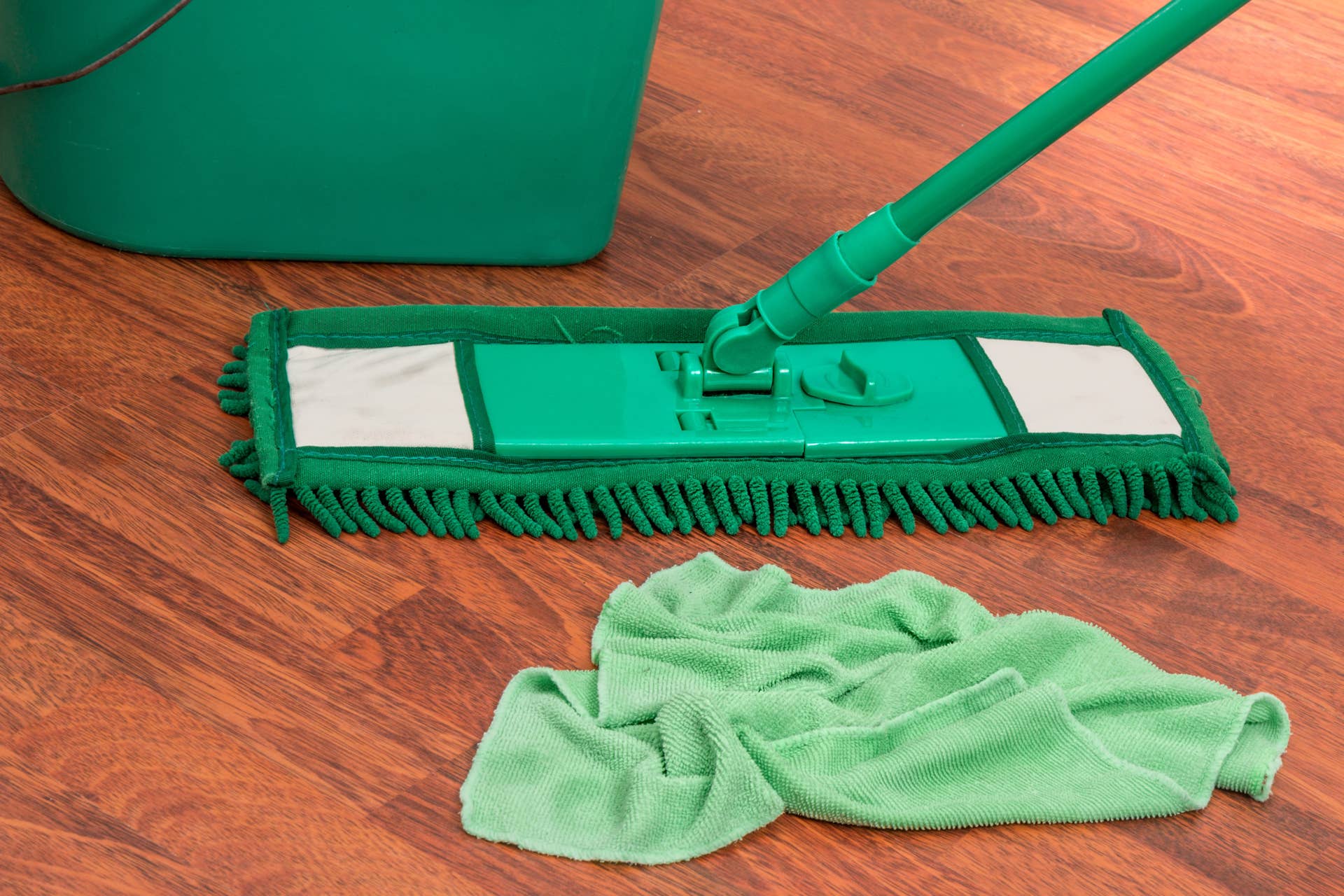
Use a mop that fits your floor’s needs—microfiber mops work well for hardwood and tiles. Dip the mop in the cleaner solution and wring it out well; too much water can harm certain floors, especially wood.
Mop in a figure-eight or back-and-forth motion to cover every inch without missing spots. Rinse your mop regularly in clean water to avoid spreading dirt around.
Have you noticed how changing your mopping pattern can make stubborn stains easier to remove? Small adjustments can make a big difference.
Maintenance Between Deep Cleans
Keep dirt at bay by wiping spills immediately and using doormats at entrances. These simple habits reduce how often you need a full deep clean.
For quick touch-ups, use a damp cloth or mop with plain water or a mild cleaner. This keeps your floors looking polished without over-cleaning.
Try scheduling light cleaning sessions weekly to maintain your floor’s shine. It helps prevent buildup and saves you time and effort in the long run.
Credit: dengarden.com

Credit: www.reddit.com
Frequently Asked Questions
What Ingredients Are Needed To Make Floor Cleaner?
To make floor cleaner, you need water, vinegar, baking soda, and essential oils. These ingredients effectively clean and deodorize floors naturally.
How Do I Make Homemade Floor Cleaner Safely?
Mix equal parts water and vinegar, add a tablespoon of baking soda. Stir gently and add essential oils. Use this solution to mop floors safely.
Can Homemade Floor Cleaner Work On All Floor Types?
Yes, homemade cleaner suits most floors like tile, laminate, and hardwood. Avoid vinegar on natural stone as it may cause damage.
How Often Should I Use Homemade Floor Cleaner?
Use homemade floor cleaner weekly or as needed to keep floors spotless. Regular cleaning prevents dirt buildup and maintains floor shine.
Conclusion
Crafting your own floor cleaner is simple and rewarding. It saves money and reduces chemical exposure. With a few household items, you can achieve clean, shiny floors. Experiment with scents like lemon or lavender for a fresh aroma. Remember to test a small area first.
This ensures the mixture suits your floor type. Try different ratios until you find the perfect blend. Homemade cleaners are both effective and eco-friendly. Start making your floor cleaner today. Enjoy a cleaner home with minimal effort and cost. Happy cleaning!