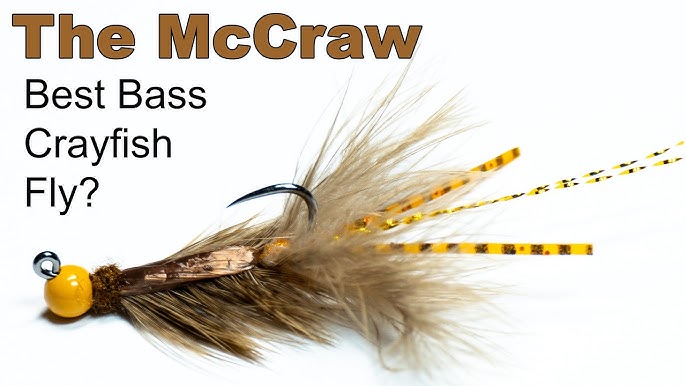
If you want to catch more fish and enjoy your time on the water, making your own fly fishing lures is the key. Imagine having lures designed exactly the way you want, tailored to the fish in your favorite spots.
You don’t need to be an expert or spend a fortune to get started. In this guide, you’ll discover simple steps to create effective, eye-catching lures that can boost your fishing success. Ready to learn how to make fly fishing lures that work?
Let’s dive in and transform your fishing experience.

Credit: www.youtube.com
Materials Needed
Making fly fishing lures requires specific materials and tools. These help create effective and attractive lures for fish.
This guide covers the essential tools, how to pick the right materials, and the types of hooks needed.
Essential Tools
You need some basic tools to tie fly fishing lures well. These tools help hold materials and cut them accurately.
- Fly tying vise to hold the hook firmly
- Scissors for precise cutting
- Bobbin holder to manage thread tension
- Hackle pliers to grip feathers
- Whip finisher for knot tying
- Hair stacker to align hair tips
- Threader to help start the thread on the bobbin
Choosing The Right Materials
Fly fishing lures need different materials. Each has a role in the lure’s look and action in water.
| Material | Description | Purpose |
|---|---|---|
| Feathers | Soft or stiff bird feathers | Add movement and color |
| Fur | Animal hair like rabbit or deer | Create natural texture |
| Thread | Strong, thin thread in various colors | Bind materials to the hook |
| Tinsel | Shiny strips of metal or plastic | Add sparkle and flash |
| Beads | Small metal or plastic beads | Add weight and attract fish |
Types Of Hooks
Hooks come in many shapes and sizes. Picking the right hook helps the lure work better.
- Dry fly hooks for floating lures
- Nymph hooks for underwater patterns
- Streamer hooks for larger bait imitation
- Saltwater hooks made of strong, corrosion-resistant metal
- Barbless hooks for easy fish release
Basic Techniques
Fly fishing lures mimic insects and small creatures fish eat. Making your own lures lets you choose colors and styles. Basic techniques help you create strong and effective flies.
These simple steps cover thread wrapping, adding feathers and fur, and securing materials. Each step builds on the last to form a good fly.
Thread Wrapping
Thread wrapping holds all the parts of the lure together. Use a strong, thin thread that is easy to wrap tightly. Start by tying the thread to the hook near the eye.
Wrap the thread back toward the bend of the hook. Keep the wraps close and even. This creates a base for adding other materials.
- Use small, tight wraps to avoid gaps
- Keep thread tension consistent
- Stop wrapping where you want to add materials
Adding Feathers And Fur
Feathers and fur add texture and color to the lure. Choose soft materials that move well in water. Place small bunches on the hook where you want the body or wings.
Hold the materials in place and wrap the thread over them. This secures the feathers and fur without crushing them. Layer materials for a natural look.
- Use clumps no bigger than the hook size
- Trim excess material after wrapping
- Mix colors for a lifelike effect
Securing Materials
Securing materials stops the lure from falling apart. After adding feathers and fur, make tight wraps with the thread near the hook eye. This locks everything in place.
Finish with a knot or whip finish. Apply a small drop of glue to the thread wraps for extra hold. This helps the lure last through many fishing trips.
- Tighten thread wraps firmly but gently
- Use a whip finish knot for a clean end
- Add glue to thread wraps for durability
Popular Fly Patterns
Fly fishing lures, known as flies, are crucial for anglers. They mimic natural food sources to attract fish. Different flies are used based on water conditions and fish behavior.
Understanding popular fly patterns helps in selecting the right lure for a successful fishing experience. Let’s explore some of the key types of flies.
Dry Flies
Dry flies float on the water surface and mimic adult insects. They are often used in calm water conditions.
- Adams: Versatile and works in various conditions.
- Elk Hair Caddis: Effective in rough water.
- Royal Wulff: Bright and visible, good for beginners.
Wet Flies
Wet flies sink below the surface to imitate drowned insects. They are effective in streams and rivers.
| Fly Name | Best Use |
| Soft Hackle | Trout fishing |
| Wet March Brown | Spring season |
| Partridge and Orange | Clear waters |
Nymphs
Nymphs imitate immature insects living underwater. They are a staple for catching fish throughout the year.
Streamers
Streamers are designed to look like small fish. They attract larger fish like bass and pike.
Popular streamers include the Woolly Bugger and the Clouser Minnow. They are highly effective in deeper waters.

Credit: www.youtube.com
Step-by-step Tying Process
Fly fishing lures imitate insects or small fish to attract fish. Making your own lures lets you customize colors and shapes. This guide shows you the tying process in clear steps.
Each part of the lure plays a role in its action on the water. Follow these sections carefully to create effective fly fishing lures.
Preparing The Hook
Start by selecting the right hook size and shape for the type of fly you want. Clean the hook to remove any oils or dirt. Mount the hook securely in the vise to keep it steady.
Building The Body
The body gives the fly its main shape and color. Use thread to wrap materials like dubbing, yarn, or feathers around the hook shank. Keep the wraps tight and even for a smooth look.
- Start the thread near the eye and wrap toward the bend.
- Add dubbing or yarn to the thread for bulk.
- Wrap the body material evenly from front to back.
- Secure the material with thread wraps and trim excess.
Attaching Wings And Tails
Wings and tails add realism and movement. Choose feathers or synthetic fibers that match the insect. Attach these materials firmly but gently to avoid damage.
| Material | Use | Attachment Point |
|---|---|---|
| Hackle feathers | Wings and legs | Just behind the hook eye |
| Marabou fibers | Tail | At the hook bend |
| Synthetic strands | Flash or wings | Near the mid-body |
Finishing Touches
Secure all materials with a few tight wraps of thread. Add a small drop of head cement to keep the fly strong. Trim any stray fibers and make sure the fly looks neat.
Tips For Better Lures
Making fly fishing lures can be fun and rewarding. Good lures catch more fish and last longer.
Small details in your lure design can make a big difference. Use these tips to improve your lures.
Matching Local Insects
Fish eat insects found near the water. Look at the bugs in your fishing area.
Make your lures look like these insects. This helps fish think the lure is real food.
- Observe insects on plants and water surface
- Match size and shape of local bugs
- Use materials that mimic insect wings and bodies
Color Selection
Colors help fish spot your lure. Choose colors that stand out in the water.
Pick colors that look like the insects fish eat. Bright colors can work in murky water.
- Use earth tones for clear water
- Try bright colors in muddy water
- Match colors to local insect patterns
- Test different colors to see what works best
Durability Tricks
Strong lures last longer and save time. Use tough materials and good glue.
Protect your lures from water damage and wear. This keeps them working well.
- Use waterproof glue for all parts
- Wrap thread tightly to hold materials
- Apply clear nail polish or resin for extra protection
- Store lures in a dry place after use
Storing And Maintaining Lures
Fly fishing lures need proper care to last long. Storing and maintaining them keeps them ready to use.
Good storage and cleaning help avoid damage and keep the lures effective in water.
Proper Storage Methods
Store your lures in a dry place to prevent rust and mold. Use a tackle box with compartments to keep them separate.
Avoid leaving lures in direct sunlight. Heat can weaken the materials and fade colors.
- Use a tackle box with individual slots
- Keep lures dry before storing
- Store in a cool, shaded area
- Separate sharp hooks from soft materials
Cleaning And Repairs
Clean lures after each use to remove dirt, water, and debris. Use fresh water and a soft brush for cleaning.
Check lures for damage like bent hooks or loose feathers. Fix small problems before they get worse.
- Rinse lures with fresh water
- Use a soft brush to clean gently
- Dry lures completely before storage
- Replace bent or rusty hooks
- Reattach loose feathers with glue

Credit: www.youtube.com
Frequently Asked Questions
What Materials Are Needed To Make Fly Fishing Lures?
To make fly fishing lures, you need hooks, feathers, threads, and beads. Natural and synthetic materials both work well. Tools like scissors, bobbin holders, and hackle pliers are essential for tying. Quality materials ensure durability and effectiveness in attracting fish.
How Do I Choose The Right Hook For Fly Tying?
Select hooks based on the fish species and fly pattern. Size and shape influence how the lure moves in water. Lightweight hooks work well for dry flies, while heavier hooks suit nymphs or streamers. Always choose sharp, rust-resistant hooks for best results.
What Techniques Are Used To Tie Effective Fly Lures?
Common techniques include wrapping thread tightly, securing feathers, and creating realistic profiles. Practice makes perfect in controlling tension and symmetry. Use dubbing for body texture and hackle for movement. Proper technique ensures lifelike lures that attract more fish.
How Long Does It Take To Make A Fly Fishing Lure?
Typically, tying a basic fly lure takes 5 to 15 minutes. More complex patterns may require 30 minutes or longer. Time depends on skill level and materials used. Regular practice reduces tying time while improving quality and consistency.
Conclusion
Making your own fly fishing lures takes time and patience. Each lure you create can match the fish you want to catch. Using simple materials helps keep the process easy and fun. Practice will improve your skills step by step.
Enjoy the process as much as the fishing itself. Try different styles and colors to see what works best. Crafting lures brings a new joy to fishing trips. Keep learning and experimenting to catch more fish.