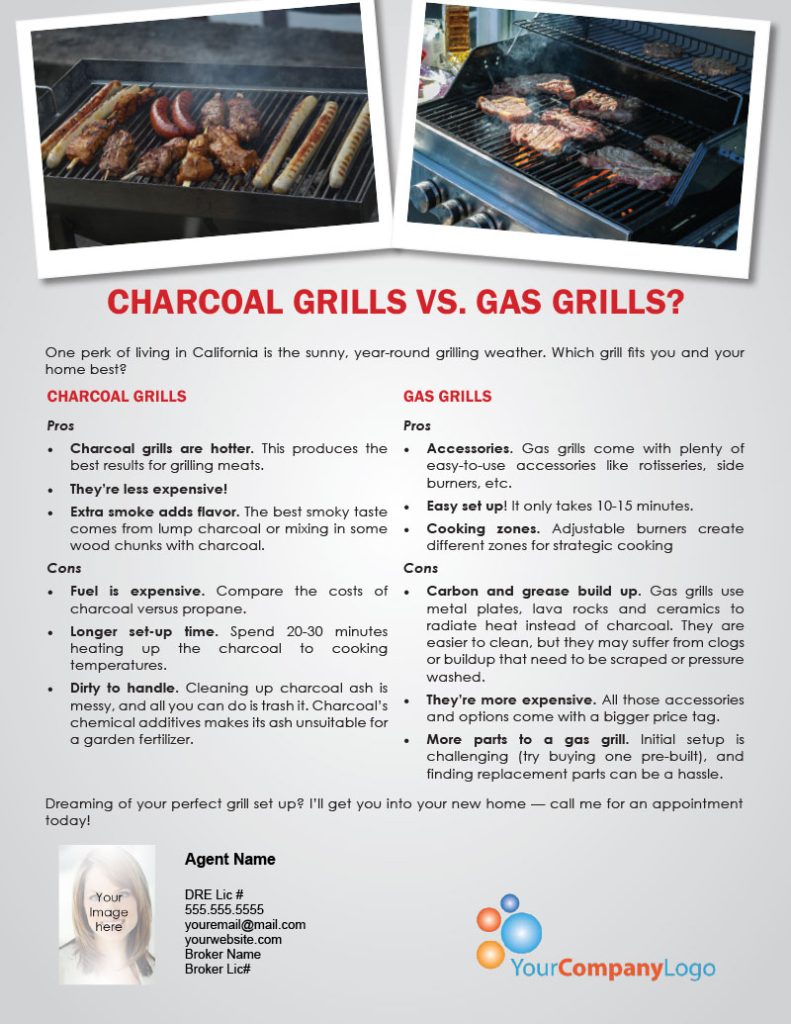
You love the convenience of your gas grill, but you miss that smoky, rich flavor only a charcoal grill can give. What if you could have the best of both worlds—easy cooking with that authentic charcoal taste?
In this post, you’ll discover simple tips and tricks to transform your gas grill into a flavor powerhouse. Get ready to impress your family and friends with mouthwatering meals that taste like they came straight off a charcoal fire. Keep reading, because your next barbecue just got a whole lot better.

Credit: www.youtube.com
Choosing The Right Gas Grill
Choosing a gas grill that tastes like charcoal means picking the right features. A good grill adds smoky flavor without real charcoal.
Look closely at the grill’s design and materials. These affect how food cooks and tastes on your grill.
Features That Enhance Flavor
Some gas grills have parts that add smoky flavor. These parts help mimic the taste of charcoal grilling.
- Flavorizer bars or heat tents catch drippings and create smoke
- Infrared burners deliver intense heat for searing
- Wood chip trays let you add real smoke flavor
- Cast iron grates hold heat well and make grill marks
Grill Size And Material
Size and material affect cooking speed and heat retention. These also change how evenly food cooks.
| Grill Size | Best For |
| Small (under 300 sq. in.) | Small families, limited space |
| Medium (300-500 sq. in.) | Regular use, moderate cooking |
| Large (over 500 sq. in.) | Big groups, lots of food |
| Material | Heat and Durability |
| Stainless Steel | Resists rust, easy to clean |
| Cast Iron | Retains heat well, heavy |
| Porcelain-Coated Steel | Good heat retention, less rust |
Using Wood Chips And Chunks
Gas grills cook food quickly but lack the smoky flavor of charcoal grills. Adding wood chips or chunks creates that smoky taste.
Wood chips and chunks burn slowly and add smoke without changing your gas grill setup. This makes your food taste richer and more like it was cooked over charcoal.
Types Of Wood For Smoky Flavor
Different woods create different smoky flavors. Choose wood based on the flavor you want in your food.
- Hickory: Strong and bacon-like flavor, good for pork and ribs.
- Mesquite: Bold and earthy, best for beef and game meats.
- Apple: Sweet and mild, great for poultry and fish.
- Cherry: Slightly sweet, adds a rich red color to meat.
- Pecan: Nutty and sweet, perfect for chicken and pork.
Soaking And Placement Techniques
Soaking wood chips in water helps them burn slower and produce more smoke. Soak for at least 30 minutes before grilling.
Place soaked wood chips or chunks in a smoker box or wrap them in foil. Put them over the gas burner or next to the flame.
- Use a smoker box for even smoke and easy cleanup.
- Wrap chips in foil and poke holes to let smoke escape.
- Place wood chunks directly on the grill grates away from direct flame.
- Close the grill lid to keep smoke inside.
Creating A Two-zone Fire
Grilling on a gas grill can taste just like charcoal with a two-zone fire. This technique helps you control heat and cook food evenly.
By setting up two zones, you can grill different foods at the same time. One side will be hot for searing, and the other will be cooler for slow cooking.
Direct Vs Indirect Heat Setup
To create a two-zone fire, you need to understand direct and indirect heat. Direct heat is great for searing, while indirect heat is best for slow cooking.
- Turn on all burners for direct heat
- Leave one side off for indirect heat
- Place food directly over flames for searing
- Move food to the cooler side to cook through
Managing Temperature Zones
Managing temperature zones is key to making your gas grill taste like a charcoal grill. Adjusting burners helps maintain the right heat levels.
| Zone | Temperature |
| Direct Heat | 400°F – 500°F |
| Indirect Heat | 250°F – 300°F |
Use a thermometer to check the grill’s temperature. Adjust knobs to keep the direct zone hot and the indirect zone cool.

Credit: www.reddit.com
Adding Flavor With Marinades And Rubs
Gas grills cook food quickly but often lack the smoky flavor of charcoal grills. Adding marinades and rubs can bring that rich, smoky taste to your dishes. These techniques add layers of flavor and keep your food juicy.
Using the right ingredients and applying them properly can make a big difference. Let’s explore the best ingredients for a smoky taste and how to use them effectively.
Best Ingredients For Smoky Taste
Some ingredients naturally add a smoky flavor to your marinades and rubs. Using these can mimic the taste of a charcoal grill.
- Smoked paprika: adds deep smokiness and color
- Chipotle powder: offers a spicy, smoky kick
- Cumin: gives a warm, earthy aroma
- Garlic powder: enhances savory flavors
- Brown sugar: caramelizes for a sweet, smoky crust
- Liquid smoke: a concentrated smoky flavor enhancer
- Onion powder: adds mild sweetness and depth
Application Tips
Applying marinades and rubs the right way helps flavors soak into the meat and improves taste. Follow these tips for the best results.
| Tip | Description |
| Marinate Time | Let meat soak for at least 30 minutes or up to 24 hours in the fridge. |
| Even Coating | Apply rubs evenly to all sides for consistent flavor. |
| Pat Dry | Before grilling, pat meat dry to help form a good crust. |
| Use Oil | Add a little oil in marinades to help ingredients stick and lock moisture. |
| Rest After Cooking | Let meat rest for 5-10 minutes to keep juices inside. |
Incorporating Smoker Boxes And Accessories
Gas grills often miss the smoky flavor that charcoal grills provide. Using smoker boxes can add that rich, smoky taste. These boxes hold wood chips that produce smoke while grilling.
Besides smoker boxes, other accessories can improve the flavor and experience. These tools help you control smoke and heat better for tastier food.
Choosing The Right Smoker Box
Pick a smoker box made from stainless steel. It resists rust and lasts long. The size should fit your grill without blocking burners.
Some smoker boxes come with adjustable vents. These vents help control the amount of smoke. Choose one with good ventilation for better flavor control.
- Material: stainless steel for durability
- Size: fits your grill without blocking flames
- Vents: adjustable for smoke control
- Easy to clean and refill
Placement And Usage
Place the smoker box directly over a burner on your gas grill. This lets the wood chips heat up and create smoke. Avoid placing it on the grill grates or too close to food.
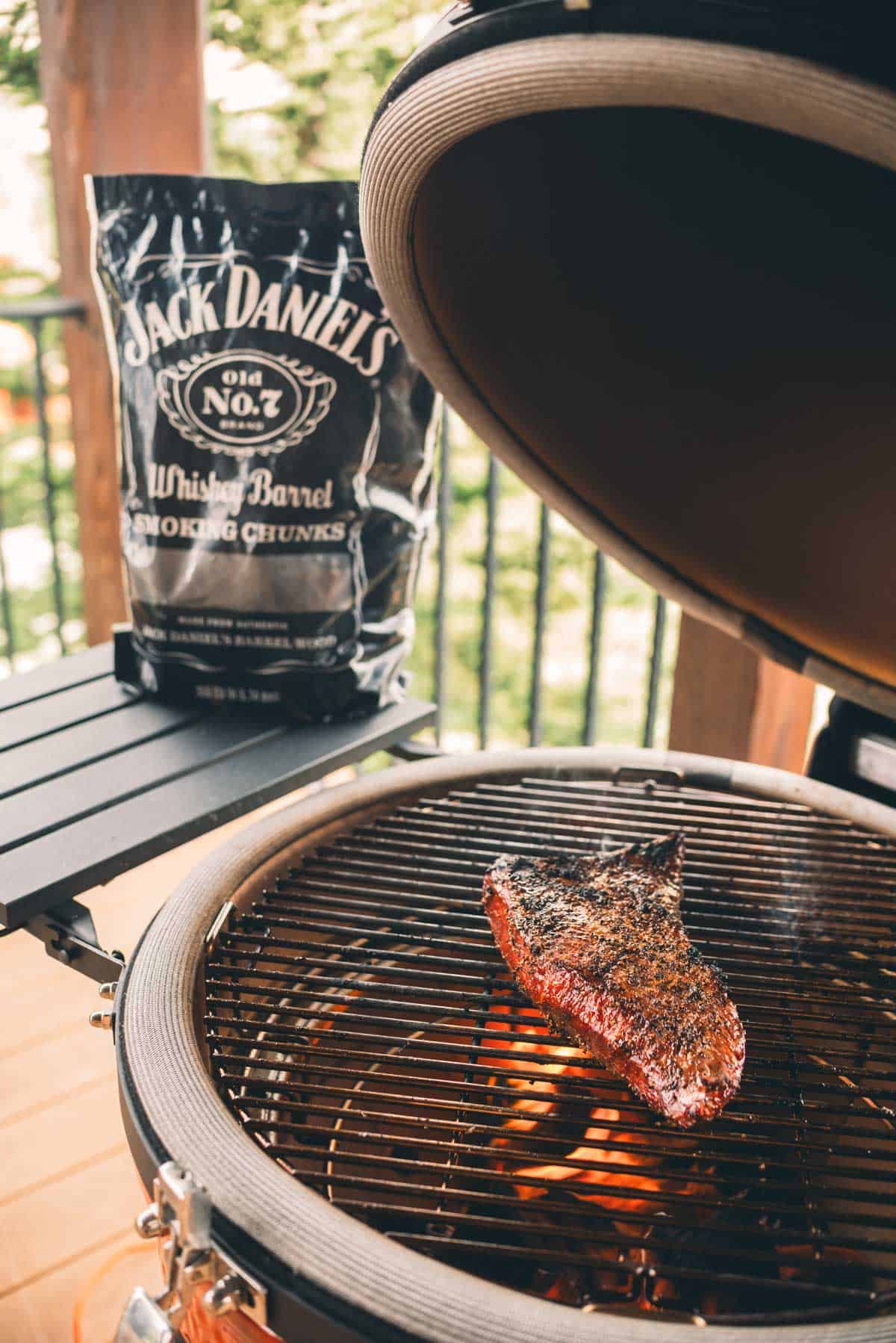
Pre-soak wood chips before putting them in the smoker box. This makes them smoke longer and slower. Keep the grill lid closed to trap smoke and flavor inside.
- Put smoker box on a burner, not on grill grates
- Use soaked wood chips for steady smoke
- Close the grill lid to keep smoke in
- Check chips and refill if smoke fades
Adjusting Grill Temperature And Timing
Getting the taste of a charcoal grill using a gas grill takes some practice. The key is in managing the temperature and cooking time carefully. These two factors help create the smoky flavor and perfect texture you want.
This guide covers how to adjust your gas grill’s heat and timing to mimic charcoal grilling. Follow these tips for better flavor and cooking results.
Achieving Charcoal-like Heat
Charcoal grills reach high temperatures with uneven heat spots. To copy this on a gas grill, you must adjust the burners and add smoky flavor. Here are ways to get closer to charcoal heat:
- Set one burner to high and others to low for direct and indirect heat zones.
- Use a smoker box with wood chips on the grill to add smoke flavor.
- Keep the lid closed to trap heat and smoke inside the grill.
- Preheat the grill for at least 15 minutes before cooking.
- Use cast iron grill grates if possible to retain heat better.
Cooking Duration For Optimal Flavor
Cooking time affects how flavors develop on your food. Charcoal cooking is slower and gives a smoky taste. You can adjust timing on a gas grill to get closer to that flavor.
| Cooking Style | Heat Level | Approximate Time |
| Direct High Heat | 450-550°F (232-288°C) | 5-10 minutes |
| Indirect Medium Heat | 300-400°F (149-204°C) | 20-40 minutes |
| Slow Cooking | 225-275°F (107-135°C) | 1-3 hours |
Using Cast Iron For Better Searing
Gas grills cook food quickly but lack the smoky flavor of charcoal. Using cast iron griddles helps improve searing and flavor. Cast iron holds heat well and creates a crust similar to charcoal grilling.
This technique gives your gas grill foods a better texture and taste. It is easy to use cast iron griddles on gas grills for a closer charcoal experience.
Benefits Of Cast Iron Griddles
Cast iron griddles bring many advantages to gas grilling. They improve heat retention and distribution. This helps create a strong sear on meat and vegetables. The griddles also add a smoky flavor when used properly.
- Even heat distribution reduces hot spots
- High heat retention creates a better sear
- Non-stick surface when seasoned well
- Durable and long-lasting cooking tool
- Can be used for various foods like burgers and veggies
How To Use Them On A Gas Grill
Using a cast iron griddle on your gas grill takes a few simple steps. Preheat the griddle before adding food. This ensures even cooking and good searing. Avoid moving food too soon to let the crust form.
| Step | Action | Tip |
| 1 | Place cast iron griddle on gas grill | Make sure it covers the burner evenly |
| 2 | Heat grill to medium-high | Wait 10-15 minutes for griddle to get hot |
| 3 | Oil griddle lightly | Use high smoke point oil like canola |
| 4 | Place food on griddle | Do not overcrowd for even cooking |
| 5 | Let food sear without moving | Wait until edges release easily |
| 6 | Flip food and cook other side | Use a spatula to avoid tearing |
Cleaning And Maintenance Tips
Keeping your gas grill clean helps improve its flavor. Regular care also keeps your grill working longer.
Proper cleaning removes old food and grease. This helps your grill taste more like a charcoal grill.
Removing Residue For Better Taste
Residue from food and grease can cause bad flavors. Clean the grill grates after each use to avoid this.
Use a grill brush to scrape off stuck-on bits. Wipe the grates with a damp cloth to remove leftovers.
- Brush grates when warm, but not hot
- Use mild soap and water for deep cleaning
- Rinse well and dry before next use
- Remove grease buildup from drip trays regularly
Extending Grill Lifespan
Good maintenance prevents rust and damage. Cover your grill when not in use to protect it from weather.
Check burners and gas lines often. Replace worn parts to keep your grill safe and working well.
- Clean burner tubes to avoid clogs
- Check for leaks in gas connections
- Store the grill in a dry place during winter
- Use a grill cover to block rain and dust
Credit: girlcarnivore.com
Frequently Asked Questions
How Can I Add Smoky Flavor To A Gas Grill?
Use wood chips or pellets in a smoker box. Soak chips in water, then place over burners. This adds authentic smoky flavor to your gas-grilled food.
What Temperature Mimics Charcoal Grilling On A Gas Grill?
Set your gas grill between 450°F and 550°F. This high heat replicates charcoal’s searing and cooking style. It helps achieve that classic char flavor.
Can I Use Charcoal Briquettes On A Gas Grill?
No, charcoal briquettes are not designed for gas grills. Instead, use wood chips or a smoker box for flavor. This keeps your gas grill safe and effective.
How To Prevent Gas Grill Food From Tasting Bland?
Marinate meats and use dry rubs with smoky spices. Adding wood chips creates deeper flavor. These methods enhance taste and mimic charcoal grilling.
Conclusion
Making a gas grill taste like charcoal is easier than you think. Using wood chips or charcoal flavor enhancers adds smoky taste. Adjusting heat and cooking time helps create that grilled flavor. Simple changes bring a big difference to your meals.
Enjoy the best of both grills in your backyard. Try these tips and enjoy smoky, tasty food every time. Your next cookout will feel just like a charcoal grill feast.