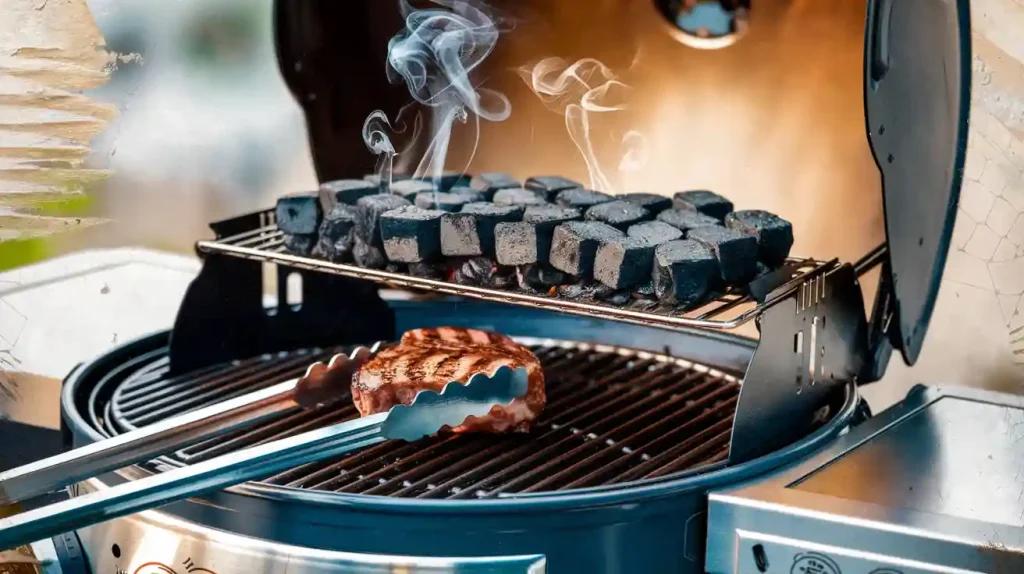
You love the convenience of your gas grill, but you miss that smoky, rich flavor that only charcoal can give. What if you could enjoy the best of both worlds?
Imagine firing up your gas grill and tasting the deep, mouthwatering flavor of charcoal without the hassle of lighting coals or dealing with ash. You’ll discover simple, effective tricks to transform your gas grill’s taste. Get ready to impress your friends and family with grilled food that tastes like it came straight off a charcoal fire.
Keep reading, and your next barbecue will never be the same!
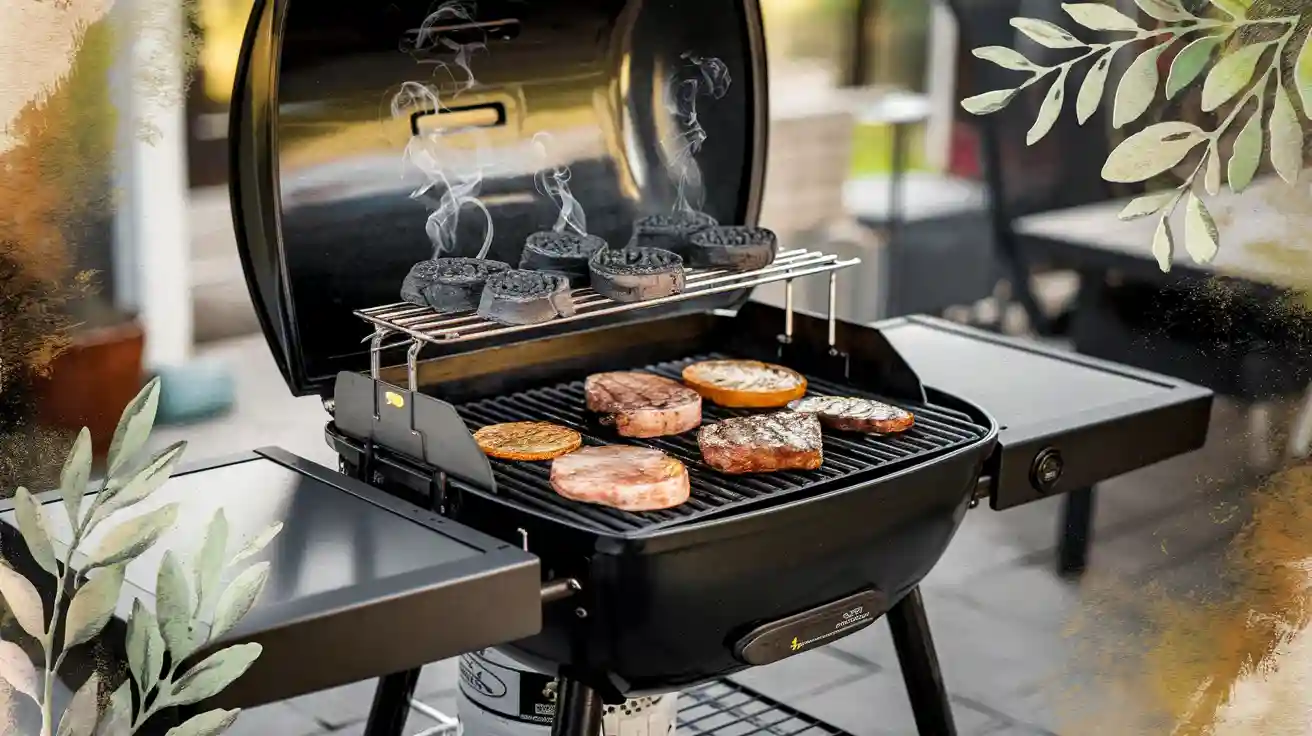
Credit: www.siuhaau.com
Choosing The Right Wood Chips
Using wood chips with a gas grill can give food a smoky flavor. This adds a taste like charcoal grilling. Picking the right wood chips is key to this process.
Different woods create different flavors. You should also prepare the chips correctly for the best smoke and taste.
Types Of Wood For Smoky Flavor
Each wood type adds a unique flavor to your grilled food. Here are common woods used for smoking with gas grills.
- Hickory: Strong and bacon-like flavor, good for pork and ribs.
- Mesquite: Intense and earthy, best for red meats.
- Apple: Sweet and fruity, works well with poultry and fish.
- Cherry: Mild and sweet, adds a rich color to meat.
- Oak: Medium smoky flavor, versatile for many foods.
Soaking And Preparing Wood Chips
Soaking wood chips helps them smoke longer and not burn too fast. Preparing them right is important to get good smoke flavor.
| Preparation Step | Details |
| Soak Chips | Place wood chips in water for 30 to 60 minutes before grilling. |
| Drain Excess Water | Remove chips and let them drain to avoid flare-ups. |
| Use a Smoker Box or Foil | Put chips inside a smoker box or wrap in foil with holes. |
| Place on Heat Source | Set the box or foil on the grill’s heat plate or burner. |
Using A Smoker Box
Want your gas grill to taste like charcoal? A smoker box can help. It adds smoky flavor to your grilled food.
Smoker boxes are easy to use. They hold wood chips that create smoke when heated.
Placement On The Grill
Place the smoker box near the burners. This helps the wood chips heat up quickly.
Make sure the box is on the grill grate. Keep it away from direct flames to avoid burning the chips too fast.
- Position the box over a hot burner
- Ensure proper ventilation for smoke flow
- Avoid placing it directly on flames
Maintaining Consistent Smoke
Check the wood chips regularly. Refill the smoker box as needed to keep the smoke going.
Adjust the grill temperature to control the smoke. Too much heat can burn the chips quickly.
- Use a mix of wood chips for better flavor
- Monitor the smoke level often
- Keep the grill lid closed to trap smoke
Creating Charcoal-like Heat Zones
Gas grills cook food with steady heat, but they lack the smoky taste of charcoal. You can set up your grill to mimic charcoal heat zones. This helps create different cooking areas for better flavor.
Making zones with varied heat lets you sear, smoke, and cook food evenly. It gives you control similar to a charcoal grill.
Direct Vs Indirect Heat Setup
Direct heat means placing food right over the flame. It cooks fast and creates a sear. Indirect heat cooks food away from the flame. It cooks slower and keeps food juicy.
To create charcoal-like zones, turn on some burners but leave others off. Use the hot side for direct heat. Use the cooler side for indirect heat.
- Turn on burners on one side only for indirect heat on the other side.
- Place thick cuts of meat on indirect side to cook slowly.
- Use direct heat side to sear or grill vegetables quickly.
Adjusting Temperature For Searing
Searing locks in juices and creates a crust on meat. For a charcoal-like sear, set your gas grill to high heat. Aim for 450°F to 550°F on the direct heat side.
Keep the lid closed while searing to hold heat. Use the indirect zone to finish cooking food without burning it.
- Preheat grill for 10 to 15 minutes on high.
- Use a grill thermometer to check surface temperature.
- Sear meat 2 to 3 minutes per side on direct heat.
- Move meat to indirect heat to finish cooking.

Credit: journal.firsttuesday.us
Adding Charcoal Briquettes
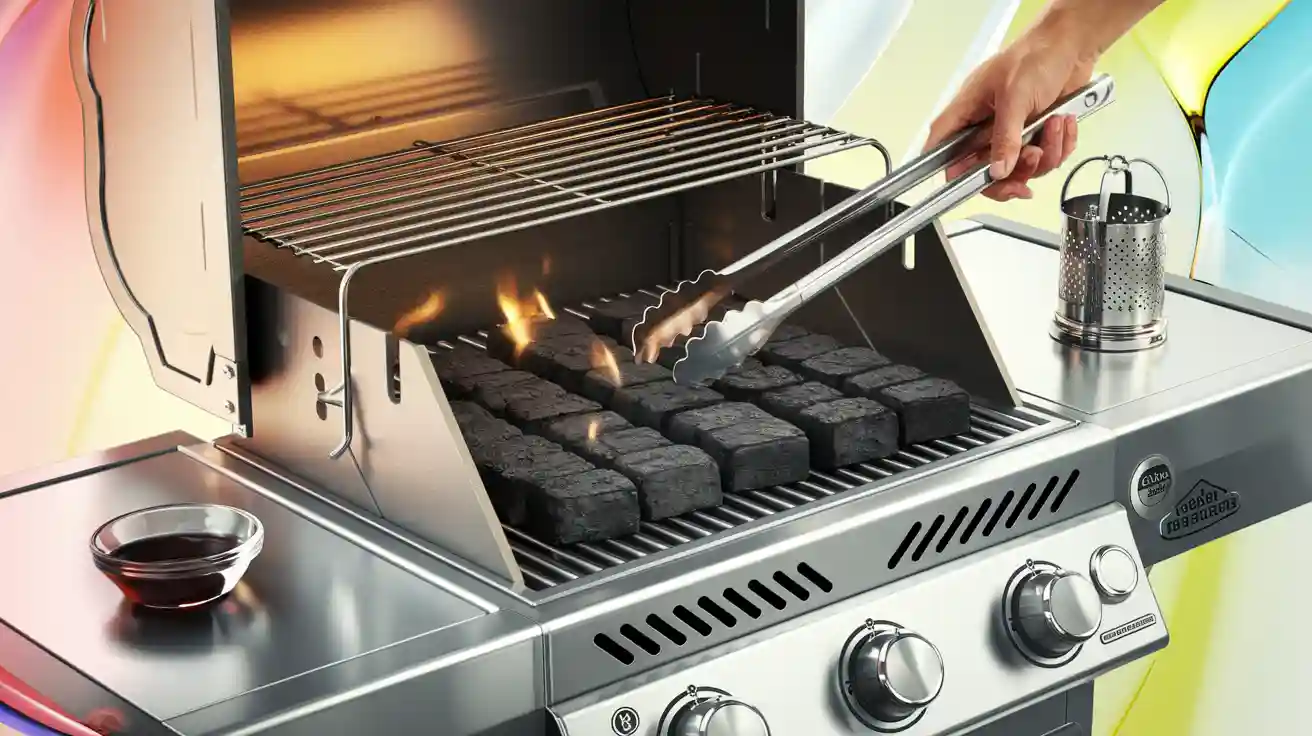
Using charcoal briquettes with a gas grill can add that smoky flavor. It is easy to do with some simple steps.
This method helps bring the taste of charcoal while keeping the convenience of gas grilling.
Safe Integration With Gas Grill
Place charcoal briquettes in a disposable aluminum tray or smoker box. Put it on top of the gas burner grate. This stops direct contact with flames and prevents damage.
- Use high-quality briquettes without chemicals
- Keep the grill lid closed while briquettes heat
- Light gas burners on low to warm the charcoal slowly
- Do not use lighter fluid on briquettes inside the grill
- Remove briquettes after cooking to clean the grill
Boosting Authentic Charcoal Aroma
Adding wood chips to the briquettes increases the smoky scent. Soak chips in water first to prevent quick burning.
| Wood Chip Type | Flavor Profile |
|---|---|
| Hickory | Strong, bacon-like smoke |
| Apple | Mild and sweet fruit flavor |
| Mesquite | Bold, earthy smoke |
| Cherry | Sweet, rich smoke |
Flavor-enhancing Marinades And Rubs
Gas grills cook food quickly but often miss the smoky taste of charcoal. Using special marinades and rubs can add that deep, smoky flavor to your grilled dishes.
These flavor boosters include ingredients that copy the taste of charcoal smoke. Learning how to apply them well will make your meals tastier and more authentic.
Ingredients That Mimic Charcoal Taste
Certain spices and liquids give meat a smoky, charcoal-like flavor. These ingredients bring richness and depth without needing real charcoal.
- Smoked paprika adds a sweet and smoky aroma.
- Liquid smoke is a concentrated flavor that mimics wood smoke.
- Cumin gives a warm, earthy tone similar to charred wood.
- Chili powder adds heat with a smoky hint.
- Brown sugar caramelizes to create a charred crust effect.
- Garlic powder enhances savory flavors with a roasted note.
Application Tips For Maximum Flavor
Using marinades and rubs well improves how much smoky taste your food gets. Timing and technique matter to get the best results.
| Tip | Description |
| Marinate Longer | Let meat soak for at least 2 hours for deeper flavor. |
| Apply Rub Evenly | Cover all sides to create a uniform smoky crust. |
| Pat Meat Dry | Dry surface helps rub stick and caramelize better. |
| Use High Heat | Quick searing locks in smoky flavors from the rub. |
| Rest After Cooking | Let meat rest 5 minutes so flavors spread evenly. |
Credit: www.siuhaau.com
Using Cast Iron Accessories
Cast iron tools can change how your gas grill cooks. They help bring a smoky, charcoal-like taste.
These accessories hold heat well and create better grill marks. They give food a rich, grilled flavor.
Benefits For Heat Retention
Cast iron keeps heat steady and spreads it evenly. This stops cold spots on your grill.
- Maintains high heat for longer times
- Distributes heat evenly across the cooking surface
- Reduces flare-ups by catching drips
- Allows cooking at consistent temperatures
Enhancing Grill Marks And Flavor
Cast iron grills create deep, clear grill marks. These marks add to the taste and look of food.
| Effect | How Cast Iron Helps |
| Grill Marks | Seals meat surface for bold lines |
| Flavor | Traps juices that caramelize well |
| Smoke Taste | Holds drippings that vaporize and flavor food |
| Texture | Creates a crispy, grilled crust |
Cleaning And Maintenance Tips
Keeping your gas grill clean helps make food taste better. Dirt and grease can change the flavor.
Regular care also keeps your grill working longer. This saves you money and keeps your meals tasty.
Preventing Chemical Residue
Cleaning with harsh chemicals can leave bad tastes on your grill. These tastes can ruin your food.
Use mild soap and warm water to clean your grill. Rinse well to remove all soap before cooking.
- Avoid using bleach or strong cleaners
- Do not spray chemicals directly on grill grates
- Use a grill brush or cloth for cleaning
- Wipe surfaces with a damp cloth after washing
- Let the grill heat up to burn off leftover soap
Extending Grill Life For Better Taste
Taking care of your grill parts keeps it working well. A well-maintained grill cooks food evenly.
Check and replace parts like burners and grates when needed. This keeps flavors fresh and clean.
- Clean the drip tray to avoid flare-ups
- Cover your grill when not in use to protect from weather
- Check burners for blockages and clean regularly
- Season cast iron grates with oil to prevent rust
- Store grill in a dry place during winter
Frequently Asked Questions
How To Add Smoky Flavor To Gas Grill Food?
Use wood chips or pellets on a smoker box or foil pouch. Soak chips in water first. Place them near burners for smoke. This method adds authentic charcoal taste to gas-grilled dishes.
Can Gas Grills Mimic Charcoal Grill Temperature?
Yes, preheat your gas grill for 15 minutes on high. Use indirect heat zones. This creates hotter and cooler areas, similar to charcoal grilling for better flavor and cooking control.
What Tools Help Gas Grills Taste Like Charcoal?
A smoker box, wood chips, and cast iron grates enhance flavor. These tools trap smoke and improve heat retention, mimicking charcoal’s effect on food taste.
How To Maintain Gas Grill For Charcoal-like Flavor?
Keep grill clean and season grates regularly. Use high heat to sear food, then lower heat for cooking. This process replicates charcoal’s cooking style, improving flavor.
Conclusion
Achieving a charcoal flavor on a gas grill is possible with simple steps. Use wood chips or charcoal flavor sprays for smoky taste. Keep the grill hot and avoid lifting the lid too often. Try adding a cast-iron pan with soaked wood chips for extra aroma.
These small changes bring that classic smoky flavor you enjoy. Enjoy grilling with a taste that feels traditional and fresh. Your gas grill can deliver delicious, smoky meals any day. Keep experimenting and find what works best for you.