Are you struggling to get your grill hot enough to sear that perfect steak or cook your food faster? Knowing how to make your grill hotter with charcoal can change your entire grilling game.
Imagine unlocking intense heat that locks in flavor, creates beautiful grill marks, and cuts down your cooking time. You’ll discover simple, practical tips to boost your charcoal grill’s temperature right now. Ready to take your grilling skills to the next level?
Keep reading and fire up the heat like a pro!
Choose The Right Charcoal
Choosing the right charcoal is key to making your grill hotter. Different types of charcoal burn differently and affect the heat.
Using the right charcoal helps you control the temperature better and cook your food evenly.
Lump Charcoal Vs Briquettes
Lump charcoal is made by burning wood in a low-oxygen area. It lights fast and burns hotter than briquettes.
Briquettes are made from compressed charcoal dust and other materials. They burn longer but produce less heat.
- Lump charcoal heats quickly and gives high flames.
- Briquettes burn steady and last longer.
- Lump charcoal has less ash compared to briquettes.
- Briquettes produce more consistent heat for slow cooking.
Quality And Size Matters
Good quality charcoal burns hotter and cleaner. Avoid charcoal with chemicals or fillers.
Charcoal size affects how fast it burns. Larger pieces last longer but take time to heat up.
- Use bigger chunks for longer, steady heat.
- Smaller pieces ignite faster but burn out quickly.
- Check charcoal for uniform size to get even heat.
- High-quality charcoal produces less smoke and ash.
Arrange Charcoal For Maximum Heat
Making your grill hotter needs the right charcoal arrangement. Proper placement helps heat reach food fast.
Two common ways increase heat: the direct heat setup and the two-zone method. Both use charcoal placement smartly.
The Direct Heat Setup
This setup puts all charcoal in one area. It creates a hot spot for quick cooking and searing.
- Pile charcoal tightly in the grill’s center or one side.
- Use fresh charcoal for better ignition and heat.
- Light the charcoal well before cooking to reach high temperatures.
- Spread ashes away to avoid blocking airflow.
- Keep the grill lid closed to trap heat.
Using The Two-zone Method
This method divides charcoal into two zones. One side has hot coals; the other side has none or fewer.
| Zone | Charcoal Arrangement | Purpose |
|---|---|---|
| Hot Zone | Pile dense charcoal closely | For searing and fast cooking |
| Cool Zone | No charcoal or few scattered pieces | For slow cooking and resting food |
Switch food between zones to control cooking speed and avoid burning.
Use Charcoal Starters And Accelerants
Making your grill hotter with charcoal involves using the right tools. Charcoal starters and accelerants help you achieve high heat quickly.
These methods save time and improve your grilling experience. Let’s explore different types of starters you can use.
Electric Charcoal Starters
Electric charcoal starters are simple to use. They heat up quickly and ignite the charcoal without lighter fluid.
- Plug in the electric starter.
- Place it on the charcoal pile.
- Wait until the charcoal is fully lit.
Natural Fire Starters
Natural fire starters are safe and eco-friendly. They are made from materials like wood shavings and wax.
Use natural fire startersto avoid chemicals. They light quickly and burn evenly.
Avoiding Harmful Chemicals
Avoid using harmful chemicals in your grill. Chemicals can give your food an unpleasant taste and may be unsafe.
| Starter Type | Contains Chemicals |
| Lighter Fluid | Yes |
| Electric Starter | No |
| Natural Fire Starter | No |

Credit: www.ice.edu
Increase Airflow To Boost Temperature
To make your charcoal grill hotter, you need more air. Air helps the charcoal burn faster and hotter.
Adding airflow is a simple way to increase the heat without adding more charcoal.
Adjusting Vents
Open the vents on your grill to let in more air. More air means hotter flames.
Start by opening the bottom vents fully. This lets oxygen reach the charcoal better.
- Open bottom vents wide for more oxygen
- Adjust top vents to control smoke and heat
- Close vents slightly to reduce heat if needed
Adding A Fan Or Blower
A small fan or blower pushes air into the grill. This makes the charcoal burn hotter and faster.
You can use battery-powered fans made for grills or even a simple handheld fan.
- Place the fan near the bottom vents
- Use low speed to avoid blowing ashes
- Turn off the fan once grill is hot enough
Add More Charcoal During Cooking
Adding more charcoal is a good way to keep your grill hot while cooking. It helps maintain high heat for better cooking results.
You can add charcoal safely without stopping your cooking. Knowing when and how to add charcoal is important.
When To Replenish
Check the charcoal heat to know when to add more. If the flames drop or the heat lowers, it is time to add charcoal.
Adding charcoal too early or too late can affect your cooking. Look for these signs:
- Coals turn mostly gray with ash
- Temperature drops below your cooking target
- Food takes longer to cook than usual
How To Add Charcoal Safely
Always add charcoal carefully to avoid burns or flare-ups. Use the right tools and follow safety steps.
Follow these tips to add charcoal safely:
- Wear heat-resistant gloves
- Use long-handled tongs or a charcoal shovel
- Add a small amount of charcoal at a time
- Place new charcoal on hot coals, not ashes
- Keep the grill lid open while adding charcoal
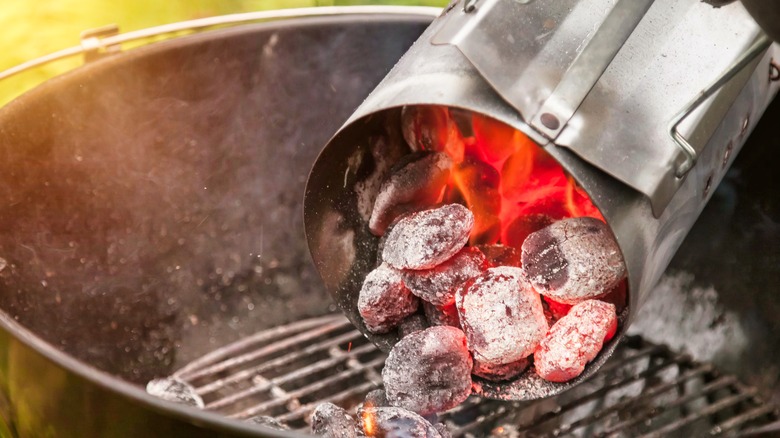
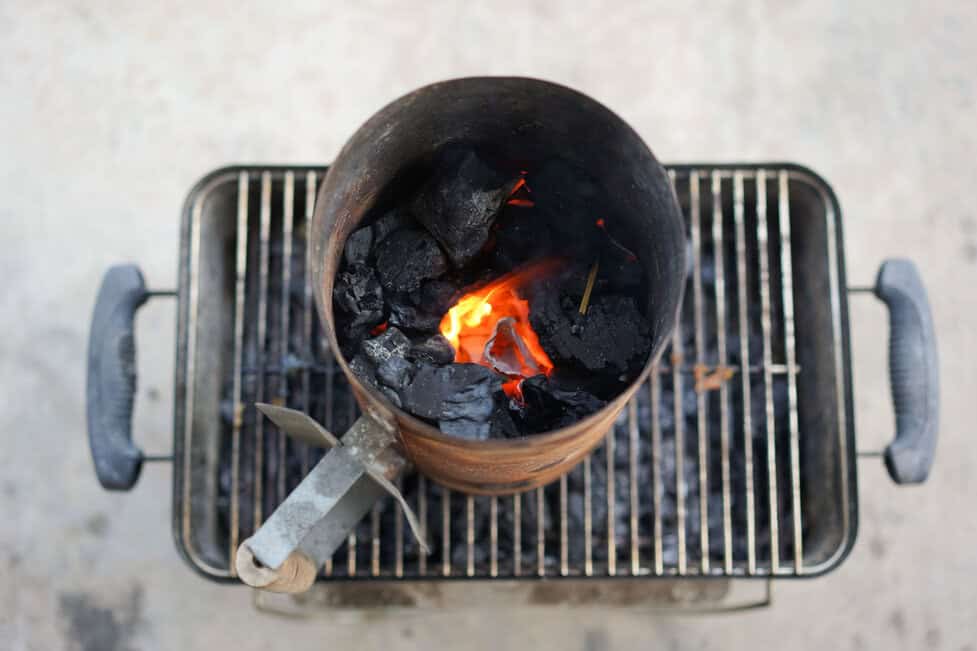
- Light new charcoal in a chimney starter before adding
Use Reflective Surfaces
Using reflective surfaces can increase the heat of your charcoal grill. These surfaces bounce heat back toward the food and coals. This helps the grill get hotter and cook faster.
Reflective materials like aluminum foil work well to keep the heat inside the grill. You can place them around the grill to improve heat direction and retention.
Foil Shields
Foil shields reflect heat back onto the charcoal and food. You can make simple shields using aluminum foil sheets. Place them around the grill walls or under the grill grate.
Foil shields help trap heat near the coals. They also protect the grill’s outer body from heat loss. This keeps the temperature higher for longer cooking times.
- Use heavy-duty aluminum foil for durability
- Shape foil to cover gaps or open areas
- Place shields safely to avoid fire hazards
- Check shields often and replace if torn
Heat Retention Tips
Keeping heat inside the grill improves charcoal burning. Reflective surfaces help, but extra steps work well too. Seal gaps and keep the grill covered to hold heat.
Use thick grill covers and close vents partially to control airflow. Less air means slower charcoal burn and more heat buildup. This makes the grill hotter for cooking.
- Close the grill lid tightly during cooking
- Cover vents partially to control oxygen flow
- Use foil or metal sheets to seal holes or gaps
- Add a layer of bricks or stones around the grill base
Maintain And Clean Your Grill
Keeping your grill clean helps it work better and last longer. A clean grill also makes the charcoal burn hotter and more evenly.
Regular maintenance stops ash and dirt from blocking airflow. This keeps your fire strong and your food tasty.
Removing Ash Build-up
Ash can block airflow and lower the heat of your grill. Remove ash after every use to keep the fire hot.
Wait until the ashes are cool. Then scoop out the ash from the bottom of the grill. Use a small shovel or ash tool for this.
- Empty the ash catcher if your grill has one
- Brush off leftover ash on the grill grates
- Dispose of ash safely, away from flammable materials
Ensuring Proper Vent Function
Vents control the airflow inside the grill. Good airflow helps charcoal burn hotter and cleaner.
Check vents for dirt, rust, or grease that can block air. Clean vents with a brush or cloth before lighting the grill.
- Open vents fully before lighting charcoal
- Keep vents clear of ash and debris
- Adjust vents to control heat during cooking
Credit: www.thetakeout.com
Credit: www.hungryhuy.com
Frequently Asked Questions
How Can I Make Charcoal Burn Hotter For Grilling?
To make charcoal burn hotter, increase airflow by opening vents fully. Arrange coals in a tight pile and add dry, fresh charcoal. Use a chimney starter to preheat coals before placing them in the grill for maximum heat.
What Techniques Increase Grill Temperature Quickly?
Use a chimney starter for fast charcoal ignition. Add more charcoal gradually while maintaining airflow. Keep the lid closed to trap heat. Use heat-resistant gloves to adjust vents safely and avoid losing heat during grilling.
Can Adding Lighter Fluid Make Charcoal Hotter?
Lighter fluid can ignite charcoal faster but won’t increase maximum heat. It can cause flare-ups and affect food flavor. For better heat, focus on airflow and charcoal arrangement instead of relying on lighter fluid.
Does Charcoal Type Affect Grill Heat Intensity?
Yes, hardwood lump charcoal burns hotter and cleaner than briquettes. Briquettes burn longer and more evenly but produce less intense heat. Choose charcoal type based on desired heat level and cooking time.
Conclusion
Making your grill hotter with charcoal is simple and effective. Use dry charcoal and arrange it tightly for better heat. Adding more charcoal keeps the fire strong longer. Control airflow by adjusting vents to boost temperature. Always keep safety in mind while handling hot coals.
These easy steps help you cook food faster and tastier. Enjoy grilling with better heat and great results every time.