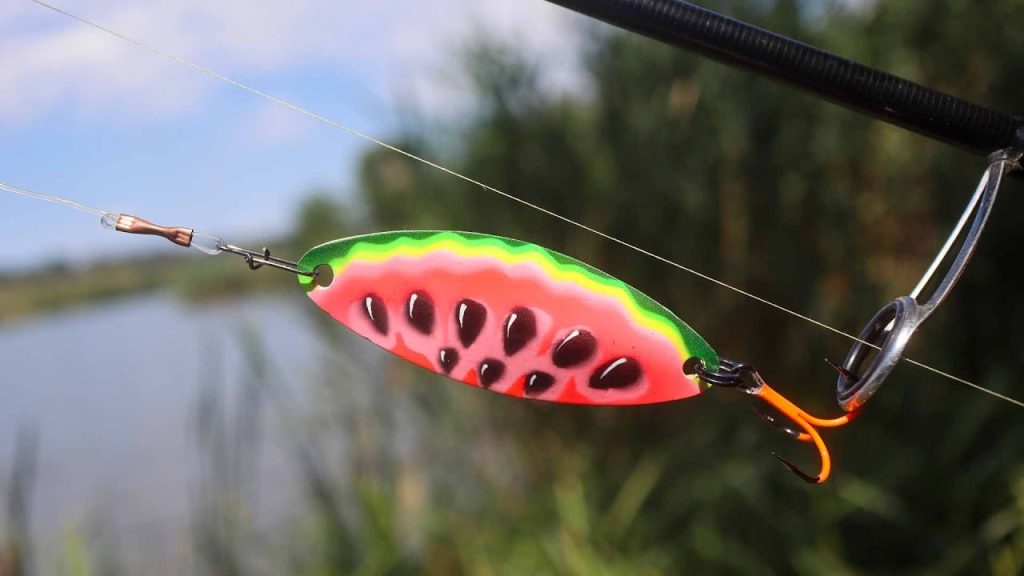
If you love fishing, making your own lures can take your experience to a whole new level. Imagine catching fish with a lure you crafted yourself—something unique that stands out in the water.
You don’t need fancy tools or special skills to get started. In this guide, you’ll discover simple steps to create handmade fishing lures that actually work. Ready to boost your fishing game and enjoy the satisfaction of your own creations?
Keep reading, and let’s dive into how you can make your own effective, eye-catching fishing lures right at home.

Credit: www.amazon.com
Materials Needed
Making handmade fishing lures needs the right materials. Each material helps create a lure that attracts fish well.
Below are the main materials used to build and finish your own fishing lures.
Types Of Wood And Plastics
You can use wood or plastic to shape your lures. Both have good qualities for lure making.
- Balsa Wood:Light and easy to carve, good for floating lures.
- Basswood:Denser than balsa, holds paint well.
- Polycarbonate Plastic:Durable and clear, used for hard-bodied lures.
- ABS Plastic:Strong and easy to mold, common in lure making.
Essential Tools
Tools help you cut, shape, and assemble your lure parts. Good tools make the process easier.
| Tool | Use |
| Carving Knife | Shape wood pieces |
| Sandpaper | Smooth edges and surfaces |
| Drill | Make holes for hooks and eyes |
| Paint Brushes | Apply paint and finish |
| Pliers | Bend and attach metal parts |
Paints And Finishes
Paint and finishes add color and protect your lure. Use safe and durable products.
- Acrylic Paints: Dry fast and come in many colors.
- Epoxy Resin: Creates a shiny, hard coating.
- Clear Varnish: Protects paint and wood from water.
- Spray Paint: Easy to apply for quick coverage.
Designing Your Lure
Designing your fishing lure is an important part of making it work well. A good design helps attract fish and makes your lure more effective.
Focus on shape, colors, and details. These elements work together to create a lure that fish want to bite.
Choosing The Right Shape
The shape of your lure affects how it moves in the water. Different shapes can mimic different types of bait fish or insects.
Pick a shape that matches the fish you want to catch. Some common shapes include minnow, spoon, and crankbait styles.
- Minnow shapes swim straight and fast
- Spoon shapes wobble to catch attention
- Crankbaits dive deep and move erratically
Selecting Colors And Patterns
Colors and patterns help your lure stand out underwater. Choose colors that look natural or bright depending on the water type.
Patterns can imitate scales or create contrast. Use stripes, spots, or gradients to make your lure look more real or eye-catching.
- Natural colors for clear water
- Bright colors for murky water
- Patterns mimic real baitfish
- Contrasting colors attract attention
Adding Details For Attraction
Small details make your lure more appealing to fish. Adding eyes, scales, or shiny parts can increase bites.
Use reflective tape, glitter, or paint to add shine. Texture also helps by creating a lifelike feel in the water.
- Paint realistic eyes to mimic prey
- Use glitter or foil for shine
- Add textured scales with carving or paint
- Attach small feathers or rubber skirts
Shaping The Lure
Creating handmade fishing lures is a fun and rewarding hobby. Shaping the lure is an important step in making it attractive to fish.
Let’s explore the basics of shaping, from cutting and carving to sanding and adding hooks.
Cutting And Carving Techniques
Start by choosing the right material for your lure. Wood is a common choice because it is easy to carve and shape.
Use a small saw to cut the wood into the basic shape of your lure. Then, use a carving knife to refine the shape and add details.
- Draw the lure shape on the wood first
- Cut slowly to avoid mistakes
- Carve carefully to create smooth edges
Sanding For Smoothness
After carving, sanding is necessary to make the lure smooth. A smooth surface helps the lure move well in water.
Start with coarse sandpaper to remove rough spots. Finish with fine sandpaper for a polished look.
- Use a sanding block for even pressure
- Sand along the grain of the wood
- Check for smoothness with your fingers
Creating Hooks And Attachments
Hooks are essential for catching fish. Attach them securely to ensure they stay in place.
Drill small holes in the lure for the hooks. Use strong glue or screws to attach the hooks firmly.
- Choose the right size hooks for your lure
- Align hooks properly for balance
- Test the lure in water to check its movement

Credit: www.battlbox.com
Painting And Finishing
Painting and finishing are key steps in making handmade fishing lures. They add color and protect the lure from water damage.
Good painting makes the lure look real and helps attract fish. Finishing keeps the paint strong and shiny for many uses.
Applying Base Coats
Start with a smooth, clean lure surface. Use light, even coats of paint for the base color.
Let each coat dry fully before applying the next. This prevents paint from peeling or cracking later.
- Choose a primer if needed for better paint grip
- Use spray paint or airbrush for smooth base coats
- Apply thin layers to avoid drips and runs
Detail Painting Tips
Use small brushes for fine details like eyes and scales. Paint patterns that mimic real fish or stand out in water.
Work slowly and let details dry before adding more. Use contrasting colors to make the lure attractive.
- Mix custom colors for unique designs
- Use dots, stripes, or gradients for realism
- Test colors in natural light for accuracy
Sealing For Durability
Seal the painted lure with a clear coat to protect it from water and scratches. This also adds shine.
Apply several thin layers of sealer. Allow each layer to dry before adding the next for best results.
- Use epoxy or polyurethane sealers for strong protection
- Brush or spray the sealer evenly over the lure
- Let the lure cure fully before use in water
Testing Your Lure
Testing your handmade fishing lure is important to see how it works in real water. This step helps you find problems and make your lure better.
Try your lure in different water conditions to check its action and balance. Watch carefully how it moves and adjust if needed.
Water Testing Basics
Start testing your lure in calm water like a pond or a pool. This lets you see how it floats and moves without strong currents.
Use a fishing rod to pull your lure slowly at first. Watch if it sinks, floats, or swims straight. Make notes about its behavior.
- Check if the lure floats or sinks too fast
- Look for smooth or erratic movement
- Test with different pull speeds
- Observe lure stability in water
Adjusting Weight And Balance
Weight and balance control how your lure moves and sinks. Adjust these to get the right action in water.
Add small weights to the lure body if it floats too much. Remove weight or shift it if the lure tilts or spins.
- Use lead or tungsten weights for better control
- Place weight near the front for diving action
- Shift weight to center for stable swimming
- Test after each change to see effects
Improving Movement In Water
Good movement attracts fish. Adjust your lure to swim in a lifelike way to catch their attention.
Change the shape of lips or fins on your lure to create different swimming styles. Try slow and fast pulls to test actions.
- Trim or bend the diving lip for different depths
- Add flexible fins or tails for wobbling motion
- Use paint or texture for realistic look
- Observe how lure moves with each change
Tips For Success
Making handmade fishing lures can be fun and rewarding. Care and attention help you create effective and safe lures.
This guide covers safety tips, common mistakes, and how to keep your lures in good shape.
Safety Precautions
Safety is key when crafting lures. Use sharp tools carefully and wear protective gear like gloves and glasses. Work in a clean, well-lit space to avoid accidents.
- Keep your workspace tidy to prevent trips and falls
- Store sharp tools in safe places
- Use non-toxic paints and adhesives
- Ventilate the room when using chemicals
- Handle hooks with care to avoid injury
Common Mistakes To Avoid
Avoid these mistakes to improve your lure-making success. Rushing the process or using poor materials can cause failures.
| Mistake | Effect |
| Using weak glue | Lure falls apart in water |
| Overloading paint | Paint chips easily |
| Ignoring hook sharpness | Missed fish bites |
| Skipping drying time | Lure damages quickly |
Maintaining Your Lures
Proper maintenance keeps your handmade lures effective longer. Clean and store them correctly after each use.
- Rinse lures with fresh water after fishing
- Dry completely before storage to prevent rust
- Sharpen hooks regularly with a hook file
- Check for cracks or damage before use
- Store lures in a tackle box with dividers

Credit: www.youtube.com
Frequently Asked Questions
What Materials Do I Need For Handmade Fishing Lures?
You need wood or plastic blanks, hooks, paint, wire, eyes, and sealant. Basic tools include a knife, pliers, and sandpaper. Quality materials ensure durability and effectiveness in attracting fish.
How Do I Shape A Fishing Lure By Hand?
Use a knife or carving tools to shape wood or plastic. Sand edges smooth for a natural look. The lure’s shape affects movement and attraction, so precision is key.
What Paint Works Best For Fishing Lures?
Use waterproof, non-toxic acrylic or enamel paint. These paints resist water damage and retain bright colors underwater. Multiple thin layers improve durability and finish quality.
How Can I Add Realistic Details To Lures?
Add eyes, scales, and color patterns using fine brushes or decals. Use gloss sealant for shine and protection. Realistic details increase lure attractiveness to fish.
Conclusion
Making handmade fishing lures is a fun and rewarding hobby. You can create lures that match your fishing style. Using simple tools and materials keeps the process easy. Practice helps improve your skills over time. Each lure you make can attract different fish.
Enjoy the creativity and patience this craft brings. Try making lures for your next fishing trip. It makes fishing more exciting and personal. Keep experimenting and learning as you go. The joy of catching fish with your own lure is special.