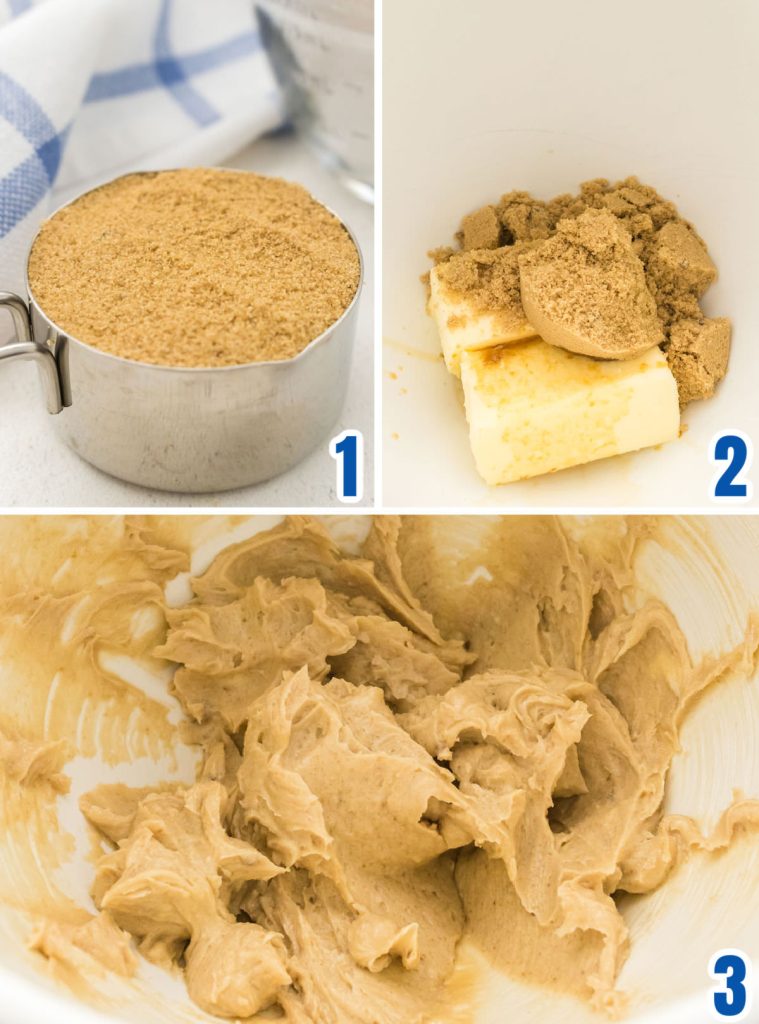
Are you looking to add a warm, delicious touch to your cakes and cupcakes? Learning how to make light brown icing is easier than you think, and it can instantly elevate your baked treats.
Whether you want a soft caramel color or a subtle coffee hue, this guide will show you simple steps to get the perfect shade every time. Keep reading, and you’ll discover tricks that make your icing look as good as it tastes—your friends and family won’t believe you made it yourself!
Ingredients Needed
Creating light brown icing requires a few simple ingredients. Each component plays a role in the texture and taste. Choosing the right coloring agents will give the perfect shade. Below are the key ingredients for making light brown icing.
Basic Icing Components
- Powdered sugar – for sweetness and smooth texture
- Butter or shortening – adds creaminess and richness
- Milk or cream – adjusts consistency for easy spreading
- Vanilla extract – enhances flavor with a subtle aroma
Choosing The Right Coloring Agents
- Cocoa powder – natural choice for a soft brown tone
- Food coloring – use brown shades for precise color control
- Molasses or caramel syrup – adds depth and warmth to color
- Mix small amounts first – to avoid overly dark icing
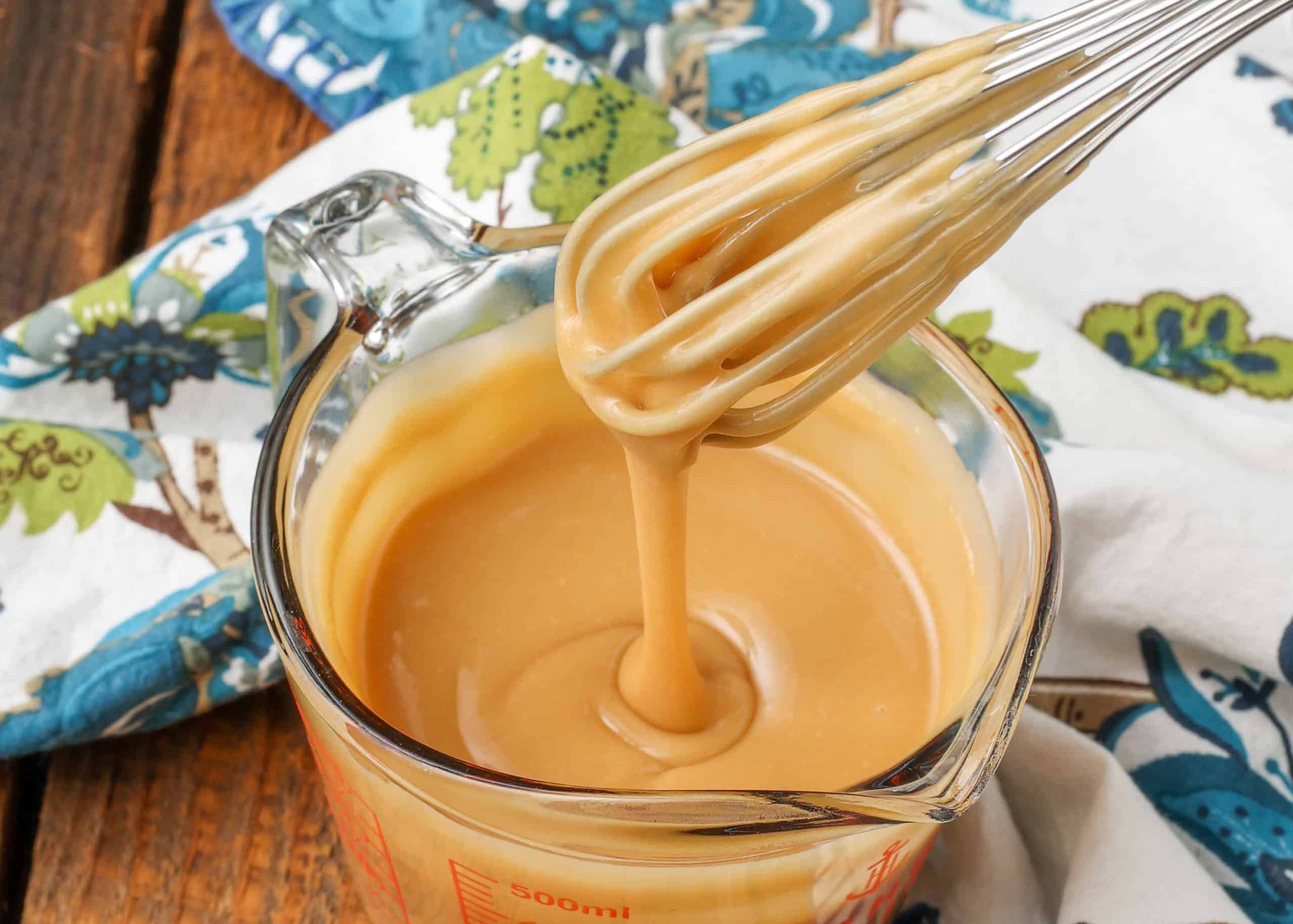
Credit: chocolatewithgrace.com
Color Mixing Basics
Understanding color mixing basics helps create the perfect light brown icing. It involves combining primary colors carefully. The goal is to balance tones for a natural, warm shade. Small changes in color amounts can make a big difference.
Knowing which colors to use and how to adjust them ensures consistent results. This knowledge makes the coloring process easier and more fun.
Primary Colors To Use
- Red: Adds warmth and depth to the mix.
- Yellow: Brings brightness and a golden touch.
- Blue: Controls darkness and cools the shade.
- White: Lightens the color without changing the tone.
- Brown: Base color to build light brown icing.
How To Adjust Shade
- Add more white to lighten the brown gently.
- Mix small amounts of red or yellow to warm the color.
- Use blue sparingly to cool or darken the shade.
- Mix colors slowly and test frequently for best results.
- Stop adding color once the desired light brown appears.
Step-by-step Mixing Process
Mix white icing with a small amount of brown food coloring until the color lightens evenly. Stir gently to blend without overmixing. Adjust the shade by adding tiny drops of color until the perfect light brown is achieved.
The step-by-step mixing process for light brown icing is simple and fun. You’ll need a few basic ingredients and some patience to get the perfect shade. Follow the steps below to achieve the ideal light brown hue for your icing.Preparing The Base Icing
Start with plain white icing. You can use store-bought or homemade. Place the icing in a bowl. Ensure it’s smooth and lump-free. This is crucial for even coloring.Adding Color Gradually
Choose a brown food coloring. Gel or liquid options work well. Add a small drop to the icing. Stir gently. Assess the color. It should start to tint slightly. Add more drops if needed. Mix thoroughly each time.Testing The Color
Check the icing’s shade. Spread a little on a plate. Let it dry for a minute. The color might darken as it dries. Adjust by adding more white icing if it’s too dark. Continue until you reach the desired light brown.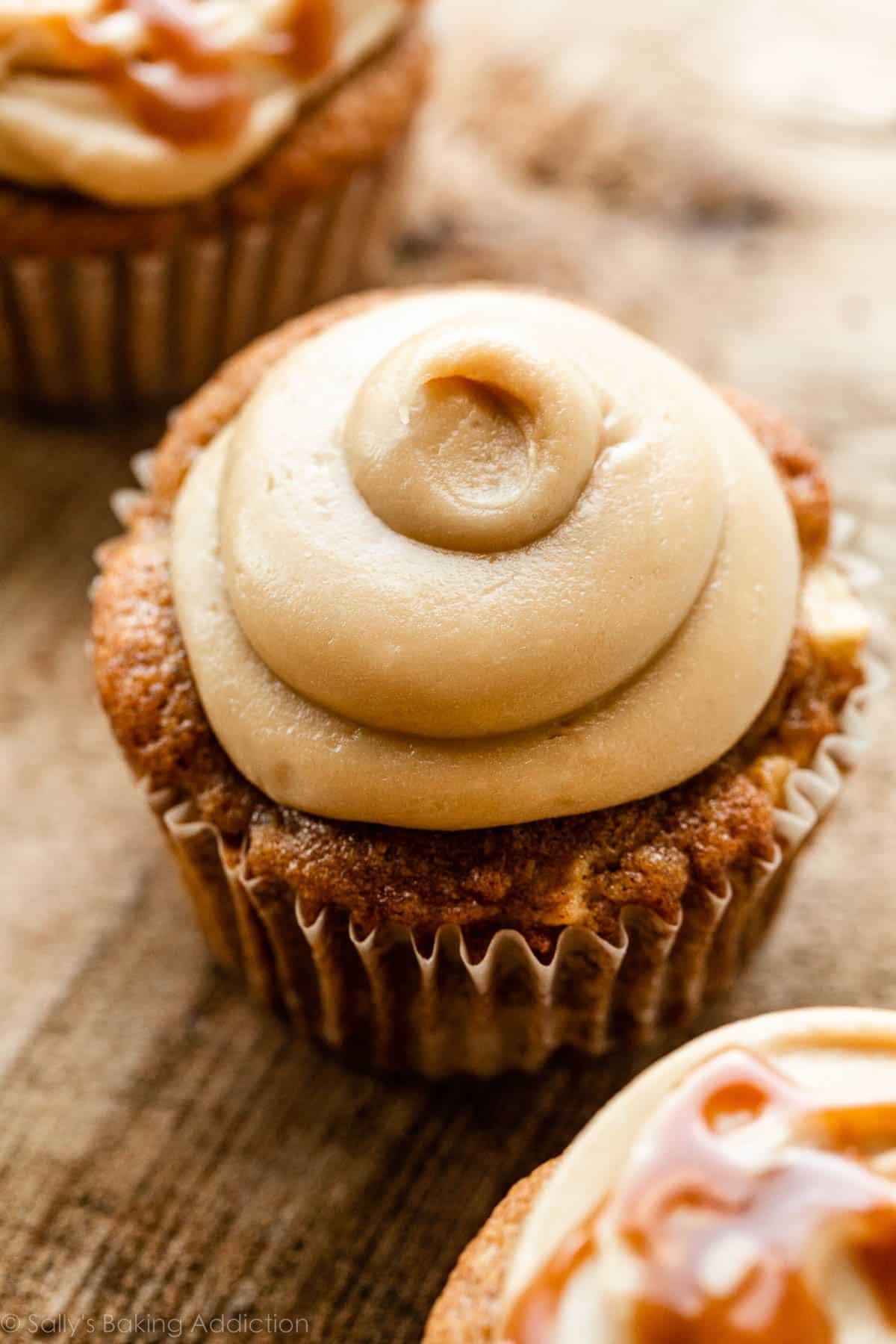
Credit: sallysbakingaddiction.com
Common Mistakes To Avoid
Making light brown icing can be easy, but some mistakes can ruin the color and texture. Avoiding these common errors helps you get the perfect shade and smooth finish. Pay attention to how much color you use and how you mix the icing.
Using Too Much Color
Adding too much color makes the icing dark or muddy. Start with a small amount of brown and mix well. You can always add more color later. Using too much red or yellow can create an orange or red tint. Use tiny drops of food coloring to control the shade.
Overmixing Icing
Mixing too long changes the texture of the icing. It can become too soft or runny. Mix only until the color is even. Overmixing traps air, making the icing bubbly and hard to spread. Stop mixing as soon as the light brown shade looks smooth and consistent.
Tips For Perfect Consistency
Achieving the perfect consistency for light brown icing is essential for a smooth finish. The right texture helps the icing spread easily without being too runny or stiff. Consistency also affects how well the color mixes and stays vibrant.
Balancing Texture And Color
Start with a basic white icing base. Gradually add brown coloring to control the shade. Use cocoa powder or food coloring to achieve light brown tones.
Adjust the texture by adding small amounts of liquid or powdered sugar. Too much liquid makes the icing runny. Too much sugar makes it thick and hard to spread.
Mix gently after each addition. Check the color and texture often. Aim for a creamy, spreadable consistency that holds shape but is easy to smooth out.
Storage And Handling
Store icing in an airtight container to prevent drying out. Keep it in a cool place but avoid refrigeration if possible.
If icing thickens after storage, add a few drops of water. Stir gently to restore smoothness. Avoid overheating, which can change color and texture.
Use a clean spatula or knife to handle icing. This avoids contamination and keeps the icing fresh longer.
Alternative Coloring Methods
Alternative coloring methods offer creative ways to achieve light brown icing. These options can be healthier and add unique flavors. They also provide more control over the final shade. Using natural and food-based colorants can enhance your baking experience.
Natural Colorants
Natural colorants come from plants, spices, and other food sources. Examples include cocoa powder, cinnamon, and coffee. Cocoa powder gives a rich brown color and a mild chocolate taste. Cinnamon adds warmth and a soft brown shade. Coffee provides a deeper brown with a slight bitterness. These ingredients are easy to find and safe to consume. They give icing a natural look without artificial dyes.
Using Food Powders Vs. Liquids
Food powders blend well into icing without changing its texture. Powders like cocoa or cinnamon mix smoothly and keep icing thick. Liquids, such as coffee or caramel syrup, add color and moisture. They may thin the icing, so adjust the recipe accordingly. Powders offer more color control and less risk of runny icing. Liquids can introduce new flavors but require careful measuring. Choose based on the desired color intensity and icing consistency.
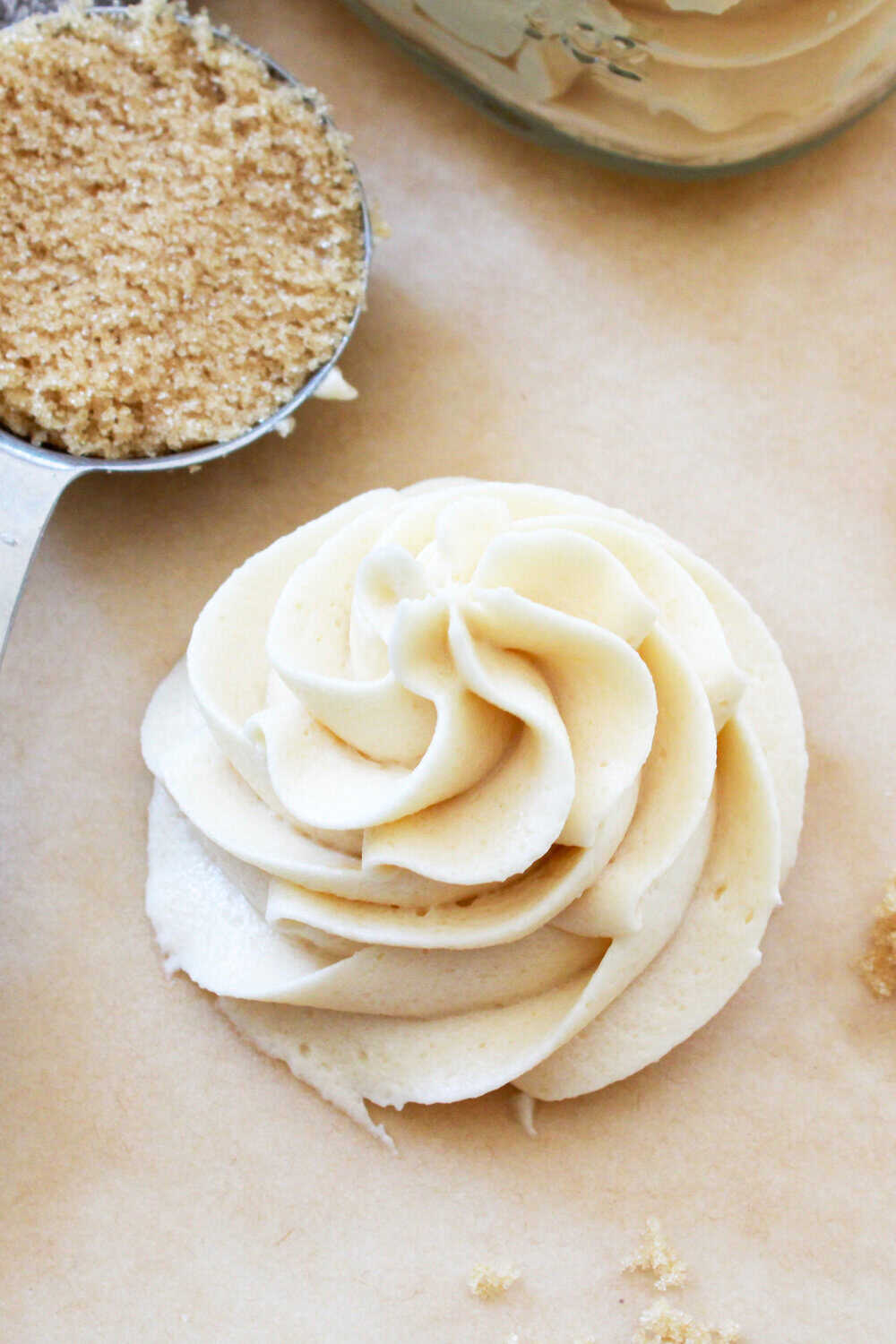
Credit: rosebakes.com
Frequently Asked Questions
How Do You Make Light Brown Icing At Home?
To make light brown icing, mix white icing with a small amount of cocoa powder or melted chocolate. Add gradually until you reach the desired light brown shade. Stir well to ensure an even color and smooth texture.
What Ingredients Create A Natural Light Brown Icing Color?
Natural light brown icing color comes from cocoa powder, melted chocolate, or caramel syrup. These ingredients add both color and flavor. Use them sparingly to avoid darkening the icing too much.
Can I Use Food Coloring To Make Light Brown Icing?
Yes, you can use brown food coloring to create light brown icing. Start with a few drops of brown and mix thoroughly. Add more gradually until you reach the perfect shade. This method is quick and consistent.
How To Adjust Icing Color If It’s Too Dark?
If your icing is too dark, lighten it by adding more white icing or powdered sugar. Mix well to blend the color evenly. Avoid adding water, as it can change the consistency.
Conclusion
Making light brown icing is simple and fun. Use the right mix of white icing and a little cocoa powder. Stir slowly to get the perfect color. Remember, small changes affect the shade. Practice a few times to find what you like best.
This icing works great on cakes and cupcakes. Enjoy adding a warm, tasty touch to your desserts. Keep experimenting and have fun with your baking!