
Are you looking to add a rich, deep touch to your cakes and cupcakes? Maroon icing can give your baked treats a stunning, elegant look that catches everyone’s eye.
But getting that perfect maroon shade with food coloring can feel tricky and frustrating. Don’t worry—you’re about to discover a simple way to mix and match colors to create the exact maroon tone you want. Keep reading, and you’ll learn the easy steps to make beautiful maroon icing that will impress your friends and family every time.
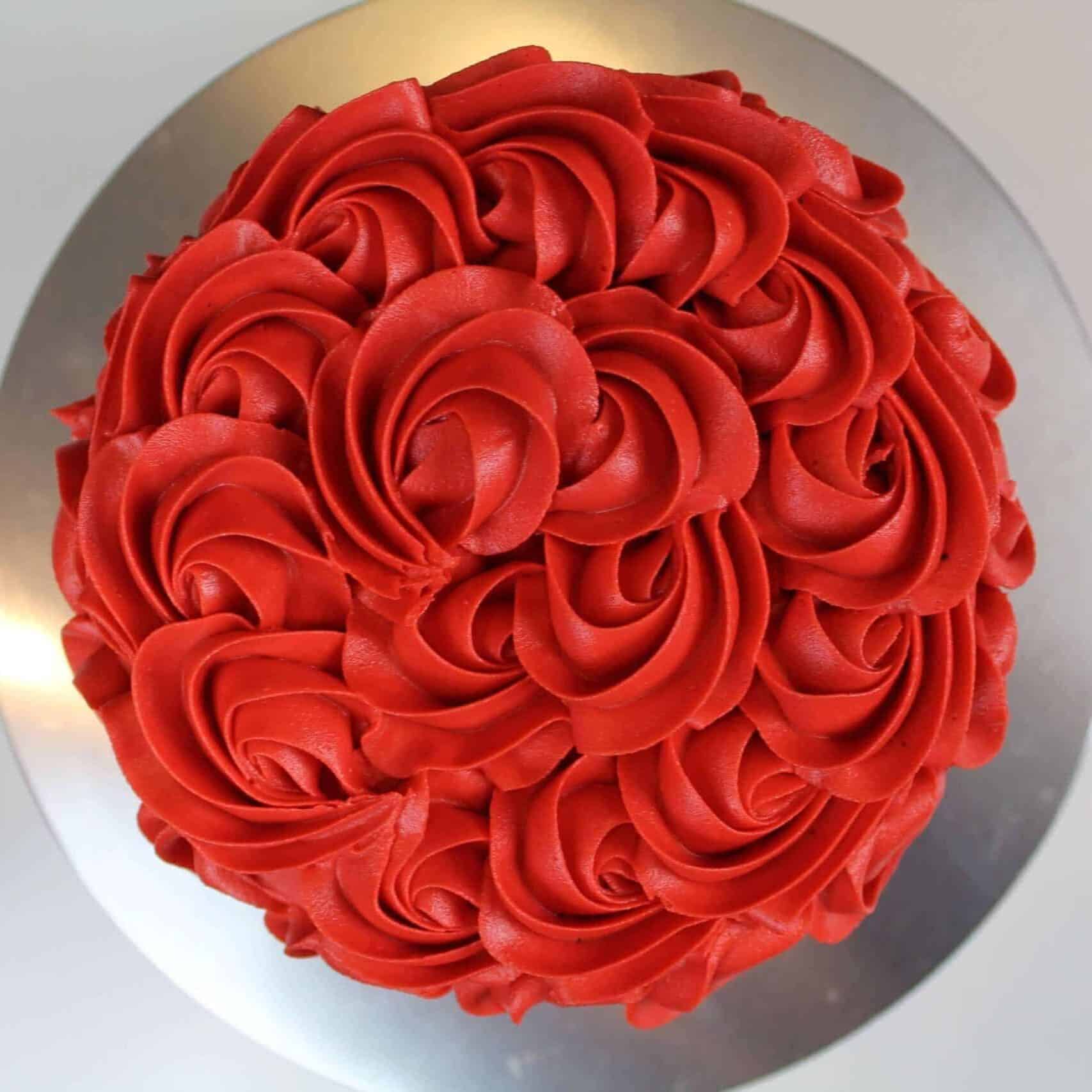
Credit: chelsweets.com
Choosing The Right Icing Base
Choosing the right icing base is key to creating perfect maroon icing. The base affects texture, color, and how well the food coloring mixes. Picking the right one helps achieve a rich, deep maroon shade without cracking or fading.
Different icings react differently to food coloring. Some bases absorb color better. Others offer a smoother finish or firmer hold. Knowing these differences helps you pick the best base for your project.
Buttercream Vs Royal Icing
Buttercream is creamy and soft. It blends well with food coloring for smooth, even tones. It stays soft, making it ideal for spreading or piping on cakes.
Royal icing dries hard and shiny. It works great for detailed decorations and holds shape well. It can crack if tinted too dark or thick. Use sparingly for deep colors like maroon.
Consistency Matters
Consistency affects color intensity and ease of use. Thicker icing needs more food coloring to reach maroon. Thinner icing spreads color better but may be too runny.
- Too thick icing can crack when dry.
- Too thin icing may not hold shapes.
- Adjust with small amounts of liquid or powder.
- Test a small batch before full coloring.

Credit: www.ice.edu
Selecting Food Coloring
Choosing the right food coloring is essential when you want to create the perfect maroon icing. The color you achieve depends a lot on the type and quality of the coloring you use. Understanding the differences between gel and liquid colors, along with how to control color intensity, will help you get that rich, deep maroon shade you’re aiming for.
Gel Vs Liquid Colors
Gel food colors are thicker and more concentrated than liquid ones. This means you need less gel to reach a strong color, which keeps your icing from becoming too runny. If you want precise control over the shade of maroon, gels give you a better chance to layer the color gradually.
On the other hand, liquid colors are easier to mix but can thin out your icing if you add too much. They’re also less intense, so you might need to add more drops to get the color you want. If you’re making a large batch and want a lighter maroon, liquids might work, but for deep, vibrant tones, gels are usually the better choice.
Color Intensity Tips
Start with a small amount of color and add more slowly. It’s easier to darken your icing than to lighten it once the color is mixed. Keep a separate small bowl of icing to test your color before mixing it all together—this saves time and ingredients.
Remember that colors deepen as the icing sits, so what looks perfect right after mixing might get darker over time. If you find your maroon is too bright, try adding a tiny bit of black or brown gel to tone it down without losing vibrancy.
Have you ever ended up with a color that looked great in the jar but strange on your cake? Testing and patience are key. How do you adjust your food coloring to get the exact shade you want?
Mixing Colors For Maroon
Mix red and blue food coloring in small amounts to create a deep maroon shade. Adjust the mix slowly until the icing reaches the perfect color. Using a white icing base helps the maroon tone show clearly.
Creating maroon icing with food coloring is an art that begins with mixing the right colors. Maroon is a rich and deep hue, often associated with elegance and sophistication. Whether you’re decorating a cake for a special occasion or just experimenting in your kitchen, understanding the basics of color mixing will help you achieve that perfect maroon shade. Let’s dive into the steps and tips that will have you mixing like a pro.Primary Colors To Use
To achieve maroon, you’ll primarily need red, blue, and a touch of yellow. Red is your base color, providing the warmth and depth needed for maroon. Blue will darken the red, bringing it closer to a burgundy shade. Adding a hint of yellow balances the mix, preventing the color from becoming too purple or too brown.Step-by-step Mixing Process
1. Start with Red: Begin by adding a few drops of red food coloring to your icing. Stir well and evaluate the shade. Red should be the most dominant color in your mix. 2. Add Blue Gradually: Introduce the blue food coloring one drop at a time. Stir thoroughly after each addition. This step requires patience, as adding too much blue can quickly overpower the red. 3. Incorporate Yellow: Add a very small amount of yellow to the mix. This will help achieve the right balance, making the color more vibrant and less dull. 4. Adjust as Needed: If the icing appears too purple, add a bit more red. If it’s too red, a touch more blue can help. Continue tweaking the amounts until you’re satisfied with the maroon shade. 5. Test and Rest: Once you think you’ve achieved the perfect maroon, let the icing sit for a few minutes. Colors can deepen over time, so it’s worth waiting before making any final adjustments. Have you ever found yourself frustrated with color mixing? It’s a common challenge, but with practice, you’ll develop an eye for it. The key is to be patient and enjoy the process. After all, every shade tells a story, and yours can be as unique as your creativity allows. Engage with your inner artist and see where your mixing skills take you!Adjusting Shades And Tones
Adjusting the shades and tones of your maroon icing can transform your cake’s look dramatically. Small tweaks in color can make your maroon richer or softer, matching the vibe you want perfectly. Let’s look at how you can easily control these changes using basic food coloring techniques.
Making Maroon Darker
To deepen your maroon icing, start by adding a bit more red and a touch of blue food coloring. Blue helps to cool down the red and create that rich maroon shade. Add these colors drop by drop—you can always add more, but it’s hard to fix if you add too much.
A quick tip: if your maroon looks too bright, a tiny bit of brown or black food coloring can add depth without turning it muddy. Have you ever tried mixing colors to get just the right shade? It’s about patience and testing on a small batch first.
Softening The Color
If your maroon is too intense, you can soften it by mixing in white icing or a small amount of cream-colored base. This lightens the color and creates a muted, elegant tone. Avoid adding too much white at once; add little by little to keep control.
Another way to soften maroon is by adding a drop of yellow or orange food coloring. This warms up the tone and makes it less harsh. Try different combinations on a sample before applying it to your entire batch to see what you prefer.
Avoiding Common Mistakes
Making maroon icing with food coloring can be tricky. Small mistakes can change the color or texture. Avoiding these common errors helps you get a smooth, rich maroon shade every time.
Overmixing Colors
Mixing colors too much can dull the maroon shade. Instead of a deep red-brown, you might get a muddy or grayish tone. Stir gently and stop as soon as the color looks even. Overmixing also adds air, which can change the icing’s texture.
Using Too Much Food Coloring
Adding too much food coloring can make the icing runny or bitter. It may also cause the color to look unnatural. Start with small drops and mix well before adding more. This way, you control the shade without harming the icing’s consistency.
Tips For Perfect Application
Getting your maroon icing to look just right takes more than mixing the perfect color. How you apply it can make or break your final result. Small adjustments during application can turn a good batch of icing into a showstopper on your cake or cookies.
Tools For Smooth Icing
Using the right tools makes a huge difference in how your maroon icing spreads and settles. A flexible silicone spatula helps you scrape the sides of your bowl cleanly and control the thickness of your icing.
For even, smooth layers, try a straight-edged icing spatula or an offset spatula. These give you control to glide the icing over your surface without tearing or clumping.
- Use a piping bag fitted with a round or star tip for detailed work or borders.
- A bench scraper can help smooth icing on larger cakes for a flat finish.
- Keep a damp cloth nearby to wipe your tools clean during application.
Have you noticed how icing looks different when applied with a spoon versus a spatula? Choosing your tools carefully helps avoid frustrating textures.
Storage And Handling
Proper storage keeps your maroon icing fresh and workable. Store it in an airtight container to prevent it from drying out or absorbing odors.
If your icing thickens in the fridge, let it sit at room temperature and stir gently to restore the perfect consistency. Adding a few drops of water or milk can help loosen it if needed.
Handle your decorated baked goods carefully to avoid smudging or cracking the icing. Transport cakes in a cool environment and avoid stacking items with icing on top of each other.
Have you ever lost hours of decorating because the icing hardened too quickly? Adjusting storage and handling can save you time and effort.

Credit: bakingbutterlylove.com
Frequently Asked Questions
How Do I Make Maroon Icing With Food Coloring?
To make maroon icing, mix red and a small amount of blue or black food coloring. Start with red, then add blue gradually until you reach maroon.
What Is The Best Food Coloring For Maroon Icing?
Gel or paste food coloring works best for maroon icing. They provide vibrant colors without thinning your icing.
Can I Use Natural Food Coloring For Maroon Icing?
Yes, natural food colorings like beet juice and blueberry powder can create maroon tones. Adjust quantities to achieve the desired shade.
How To Prevent Icing From Turning Too Dark?
Add food coloring slowly and mix well after each addition. Stop when the maroon shade looks perfect to avoid over-darkening.
Conclusion
Making maroon icing with food coloring is simple and fun. Start with white icing and add red and blue drops slowly. Mix well until you get the right maroon shade. Use small amounts of color to avoid darkening the icing too much.
This method lets you customize your icing for cakes and cupcakes. Try adjusting colors to find your perfect maroon tone. Enjoy decorating with your homemade maroon icing every time. Now you can create beautiful treats that look as good as they taste.
Easy and creative!