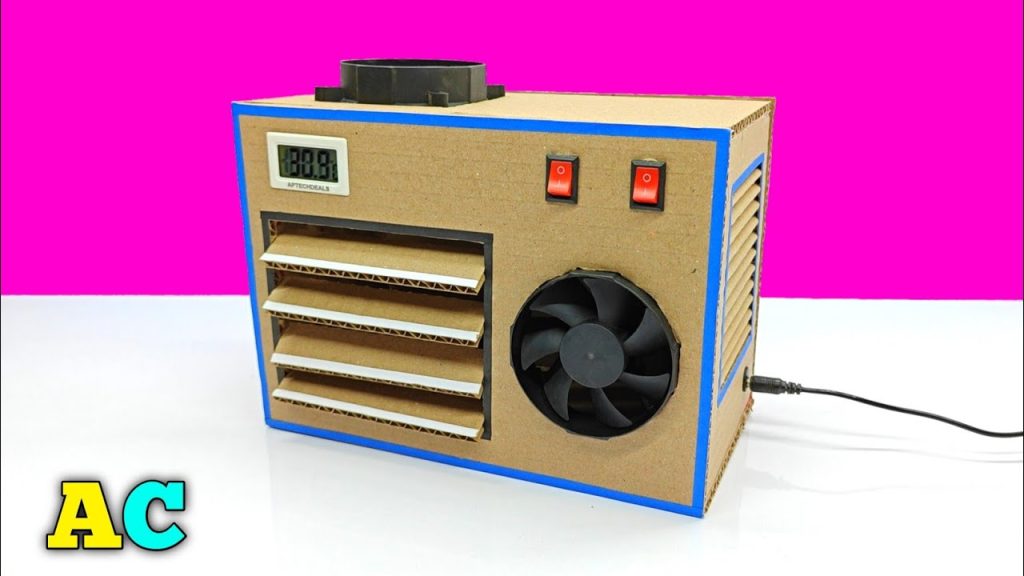
Feeling the heat and looking for a quick, affordable way to cool down your space? You don’t need to spend a fortune on expensive air conditioners or wait for a repairman.
Imagine having your own mini air conditioner that you can make right at home, using simple materials you probably already have. This easy DIY project not only saves you money but also gives you instant relief from the sweltering heat.
Keep reading, and you’ll discover step-by-step how to create your very own mini air conditioner that actually works!
Materials Needed
Making a mini air conditioner at home is easy with the right materials. You need some basic tools and cooling parts to build it.
Gather all the items before starting. This will help you work faster and avoid interruptions.
Essential Tools
You will need tools to cut, assemble, and fix the parts. These tools make the building process smooth and safe.
- Utility knife or scissors
- Hot glue gun or strong adhesive
- Screwdriver set
- Measuring tape or ruler
- Marker or pen for marking
Cooling Components
The cooling parts are the heart of your mini air conditioner. Choose parts that fit well together and work efficiently.
| Component | Description | Purpose |
|---|---|---|
| Small fan | USB or battery-operated | Blows cool air out |
| Ice packs or frozen bottles | Reusable cold source | Absorbs heat from air |
| Plastic container or box | Holds ice and fan | Structure and airflow channel |
| Foam or insulating material | Blocks outside heat | Keeps cool air inside |

Credit: www.youtube.com
Step-by-step Assembly
Making a mini air conditioner at home is simple and fun. This guide shows you how to build one step by step.
You only need a few materials and some basic tools. Follow each section carefully for best results.
Preparing The Base
Start by choosing a sturdy container for the base. A small cooler or plastic box works well.
- Clean the container to remove any dirt or dust.
- Cut a hole on one side for the fan to fit snugly.
- Make small holes on the opposite side for air to escape.
Installing The Fan
Place the fan into the hole you cut in the base. It should blow air into the container.
| Step | Action | Tip |
| 1 | Fit the fan into the hole | Ensure it fits tightly to avoid air leaks |
| 2 | Secure the fan with tape or glue | Use waterproof tape for better hold |
| 3 | Connect the fan to a power source | Use a USB fan for easy power options |
Adding Ice Or Cooling Packs
Place ice cubes or frozen cooling packs inside the container. They cool the air blown by the fan.
- Use sealed packs to avoid water leaks.
- Replace ice regularly for continuous cooling.
- Do not overfill to keep airflow smooth.
Tips For Better Cooling
Making a mini air conditioner at home can help cool small spaces. Using some simple tips can improve its cooling power.
These tips focus on airflow, ice type, and where to place your mini air conditioner for best results.
Optimizing Airflow
Good airflow helps the mini air conditioner cool better. Make sure air moves freely around the unit.
Use a small fan to push air through the ice. Keep vents and fans clean and clear of dust.
- Place a fan facing the ice container
- Keep intake and outflow areas open
- Use a fan with adjustable speed
Choosing The Right Ice
The type of ice you use affects how long the cooling lasts. Larger ice blocks melt slower than crushed ice.
Use frozen water bottles or ice packs for longer cooling. Avoid small pieces that melt quickly.
- Large ice blocks last longer
- Frozen water bottles work well
- Avoid crushed or shaved ice
Placement For Maximum Effect
Where you place the mini air conditioner changes how well it cools the room. Put it near the area you want to cool most.
Keep the unit away from direct sunlight and heat sources. A shaded spot helps keep the air cooler.
- Place near your sitting or working area
- Avoid windows with direct sunlight
- Keep away from heaters or electronics

Credit: www.youtube.com
Safety Precautions
Making a mini air conditioner at home can be fun and useful. Safety is very important during the process.
Follow safety rules to avoid accidents with electricity, ice, and water.
Electrical Safety
Always use electrical parts that are in good condition. Check wires for damage before use.
Keep electrical devices away from water to prevent shocks or short circuits.
- Use a grounded plug for your mini air conditioner.
- Do not touch plugs or wires with wet hands.
- Unplug the device when making changes or repairs.
- Do not overload electrical outlets.
- Keep the area dry and clean around electrical parts.
Handling Ice And Water
Use ice and water carefully to avoid spills and slipping hazards.
Handle ice with dry hands and place containers on stable surfaces.
- Use a tray to catch any melting water.
- Change ice regularly to prevent water buildup.
- Wipe up spills immediately to avoid slips.
- Do not let water touch electrical parts.
- Store ice in a clean container to keep it safe.
Common Issues And Fixes
Making a mini air conditioner at home can be fun and useful. Sometimes, it may not work as expected. You need to know how to fix common problems.
This guide covers three main issues: fan not working, insufficient cooling, and condensation problems. Each has simple fixes you can try.
Fan Not Working
If the fan in your mini air conditioner does not start, check the power source first. Make sure it is plugged in and the switch is on. Also, inspect the fan blades for any blocks or dirt.
- Check if the power cable is connected properly.
- Clean dust or debris from the fan blades.
- Test the fan motor with a multimeter for electrical issues.
- Replace the fan if the motor is damaged.
Insufficient Cooling
When your mini air conditioner cools less than expected, several reasons might cause this. The ice or cooling material may have melted too fast. Or air may not flow well through the device.
| Cause | Fix |
| Ice melts too fast | Use larger ice blocks or frozen gel packs |
| Poor air flow | Clear vents and space around the fan |
| Warm room temperature | Use in smaller rooms or close windows |
| Weak fan speed | Check fan settings or upgrade fan |
Condensation Problems
Condensation can cause water to drip or collect inside your mini air conditioner. This may damage parts or make a mess. You need to manage condensation well.
Try these tips to reduce condensation issues:
- Place a drip tray under the unit to catch water.
- Use a sponge or cloth to absorb excess moisture.
- Make sure the ice container is sealed properly.
- Keep the device elevated to let water drain away.
Alternative Diy Cooling Ideas
Making a mini air conditioner at home can be simple and cost-effective. You can try different methods using items around your house. These ideas help cool your space without using much power.
Below are two easy ways to create a DIY cooling effect. They use frozen bottles and evaporative cooling techniques. Each method is safe and can be done with basic tools.
Using Frozen Bottles
Frozen bottles work as a cold source for your mini air conditioner. The cold air from the bottles cools the air around them. This is a simple way to lower room temperature a little.
- Fill plastic bottles with water and freeze them overnight.
- Place the frozen bottles in front of a small fan.
- The fan blows air over the bottles, spreading cooler air.
- Replace bottles as they thaw to keep the air cool.
- Use a tray or container to catch any drips from melting ice.
Evaporative Cooling Techniques
Evaporative cooling uses water evaporation to cool the air. It works best in dry climates. You can create a simple evaporative cooler with a fan and wet materials.
| Item | Purpose |
| Fan | Blows air through wet material |
| Wet Cloth or Sponge | Holds water to evaporate |
| Container | Holds water for soaking cloth |
| Water | Evaporates to cool the air |
To build it, soak the cloth or sponge in water and place it in front of the fan. The fan will blow air through the wet material. The water will evaporate and lower the air temperature.

Credit: www.youtube.com
Frequently Asked Questions
How Does A Mini Air Conditioner Work At Home?
A mini air conditioner cools air using ice or cold water. It blows air over the cold surface, lowering room temperature efficiently.
What Materials Are Needed To Make A Mini Air Conditioner?
You need a fan, ice or frozen water bottles, a container, and a small fan or cooler box to build it.
Is A Homemade Mini Air Conditioner Energy Efficient?
Yes, it uses less electricity than regular AC units. It’s eco-friendly and cost-effective for small spaces or personal cooling.
Can A Mini Air Conditioner Cool A Whole Room?
Mini air conditioners work best for small areas or personal use. They may not cool large rooms effectively.
Conclusion
Building a mini air conditioner at home is simple and fun. With basic materials, you can create a cooling device. This project helps save money and offers relief in summer. You now know the steps to make one yourself. Remember to follow each step carefully for the best results.
Enjoy a cooler room without spending much. Share your new skill with friends and family. They’ll be impressed by your creativity. Stay cool and comfortable all summer long.